Mitsubishi Maus

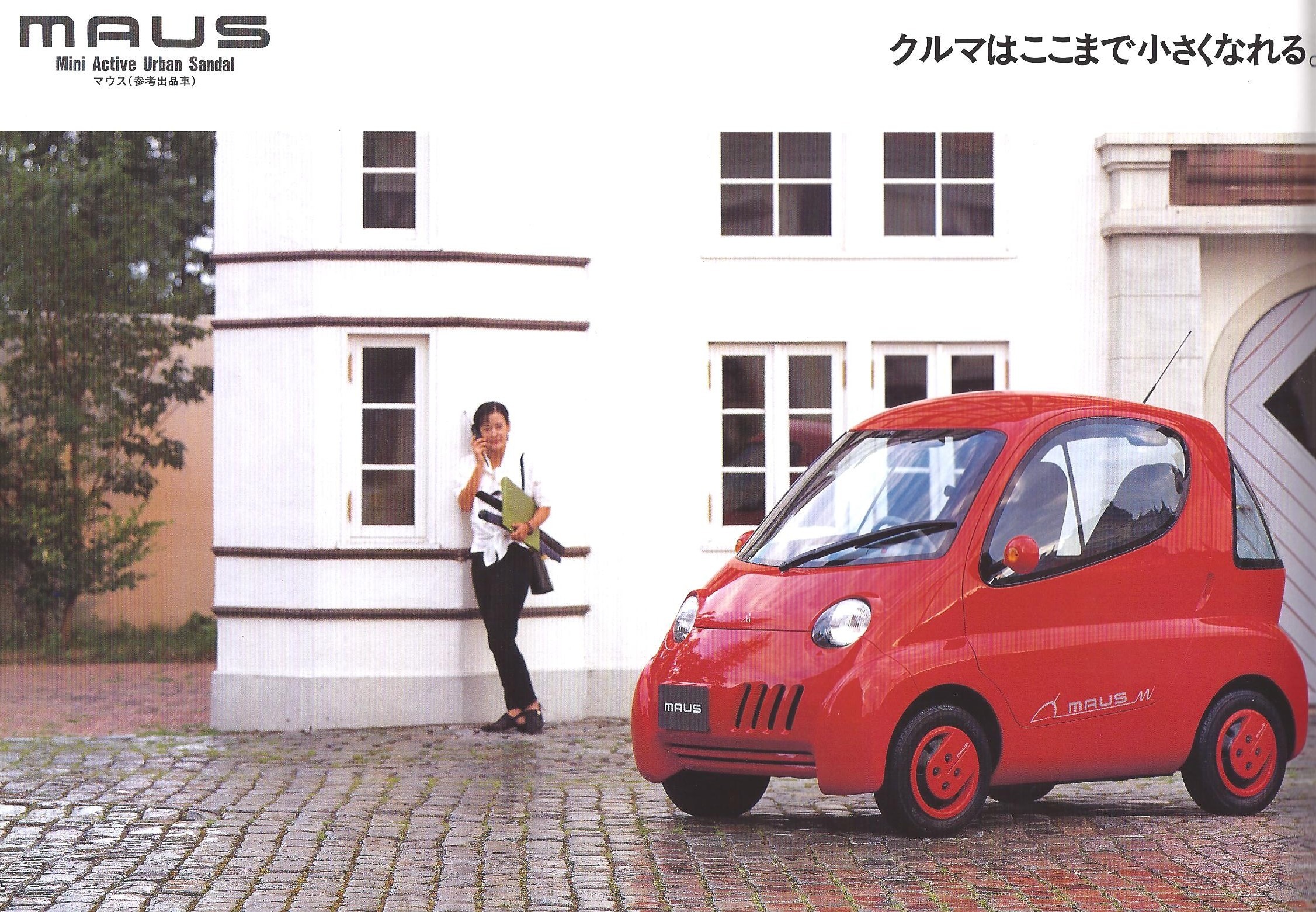
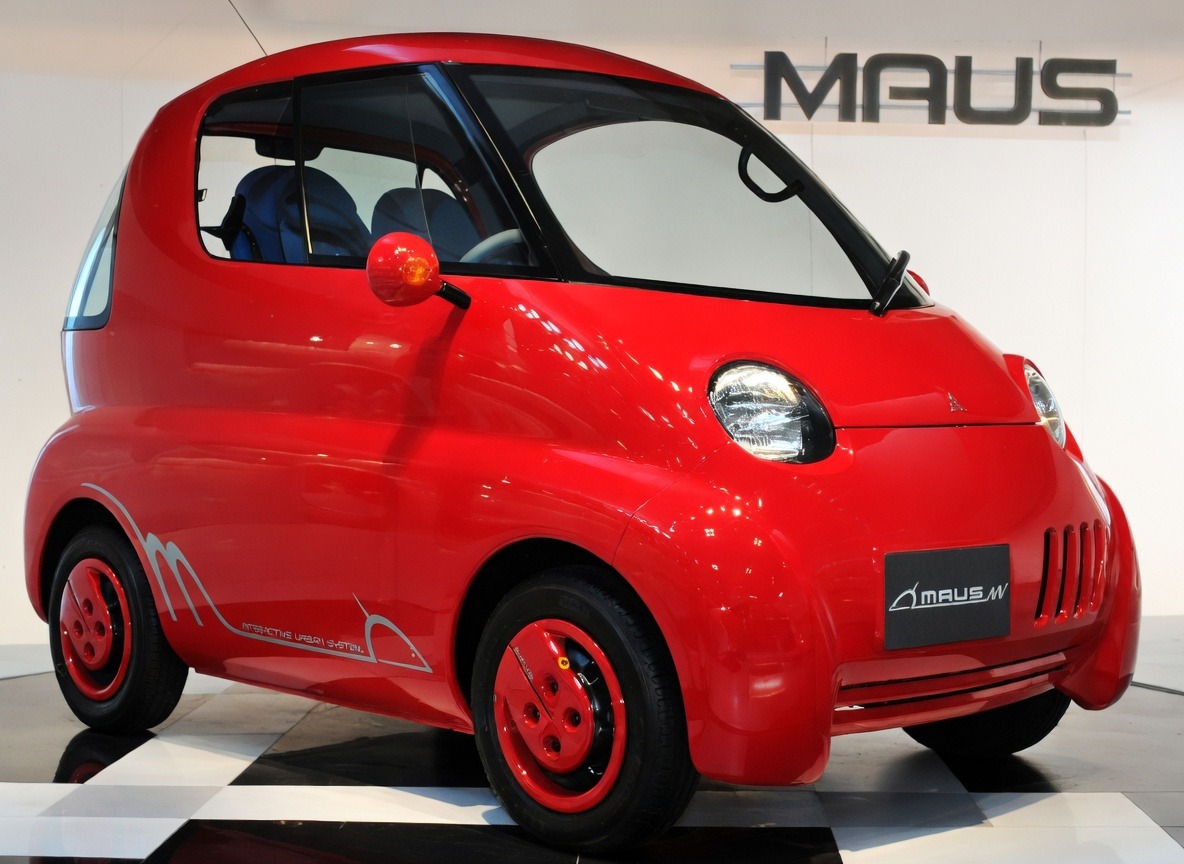
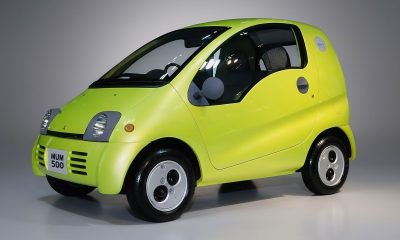
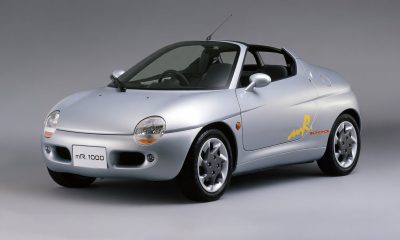
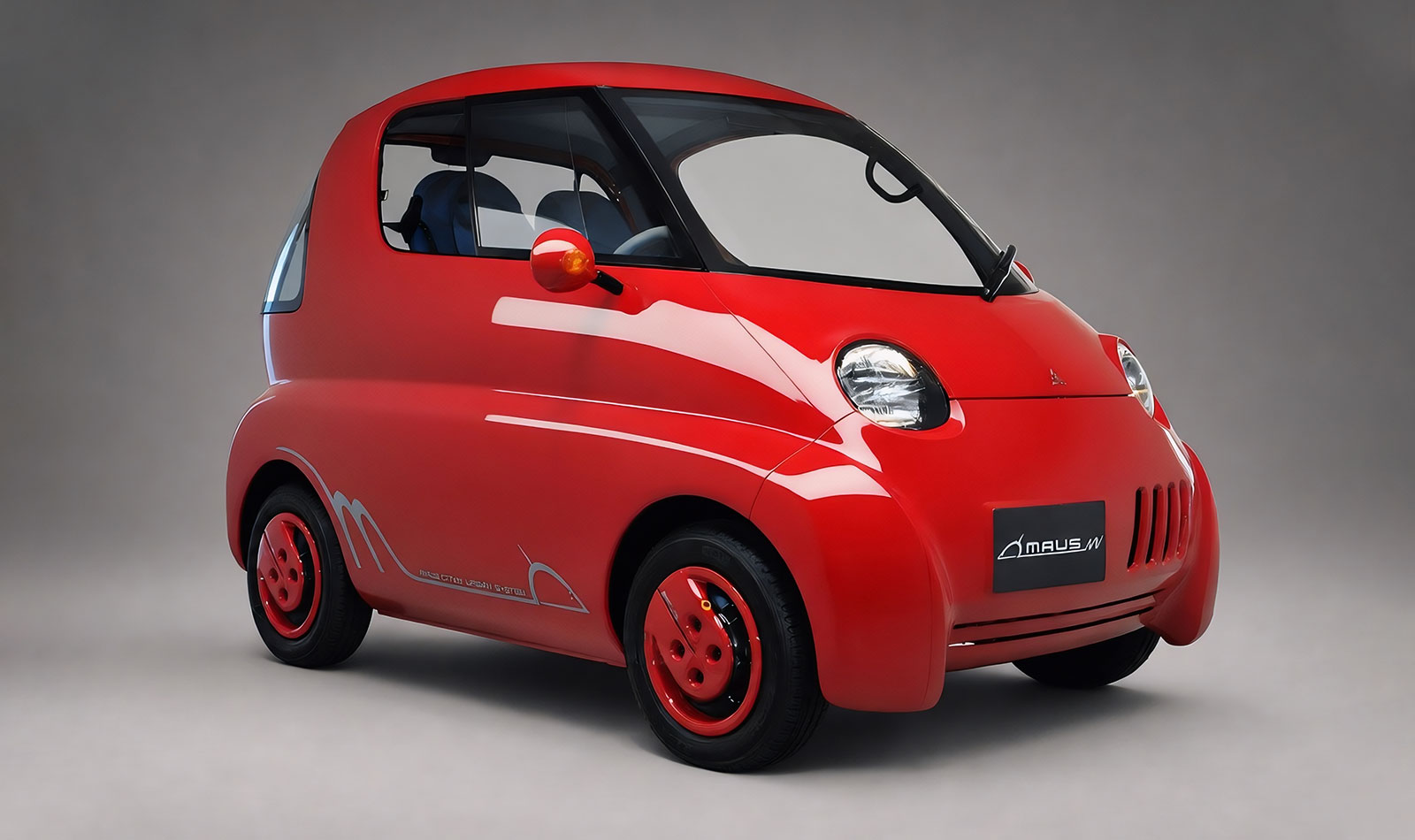
The 1995 Mitsubishi Maus was a concept car bearing the acronym “Mini Active Urban System.” It was part of Mitsubishi’s concept-mover lineup on display, alongside the larger GAUS (Global Adventure Utility System) and a 4WD concept called ZAUS.
Officials at the stand seemed confused when asked about the name’s connection to Mickey, suggesting the Maus was named independently rather than as a character reference.
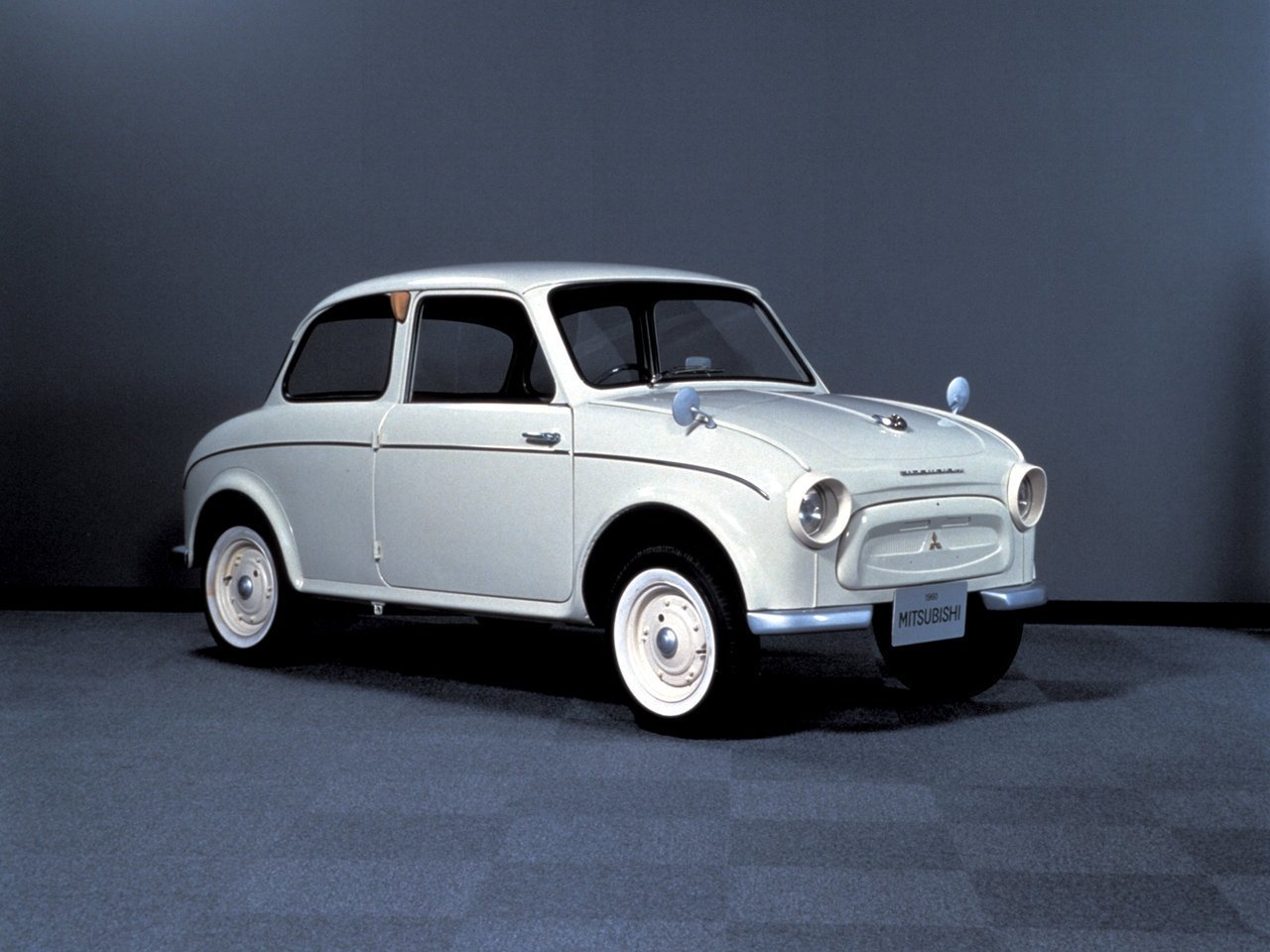
The Maus was another rediscovery of the European bubble cars of the 1950s that were only killed off by the British Mini, reflecting Mitsubishi’s inspiration from classic microcar design.
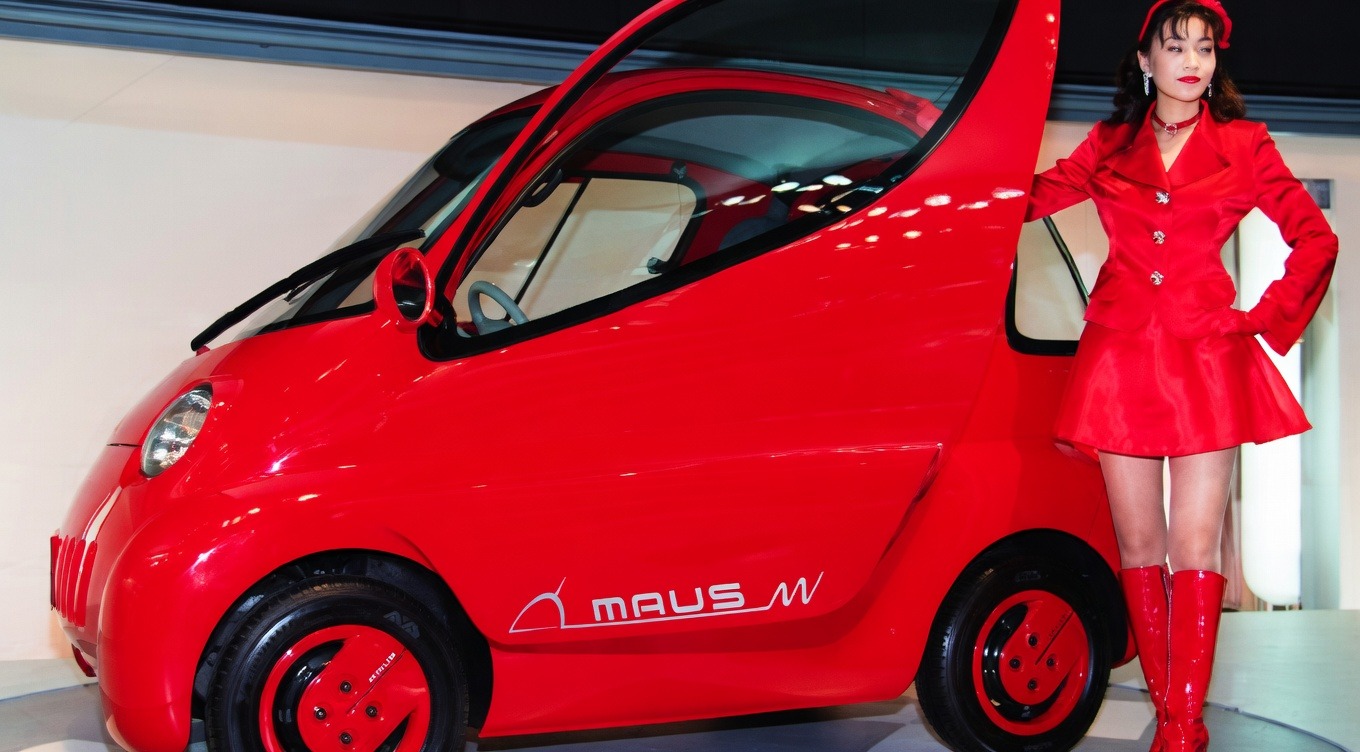
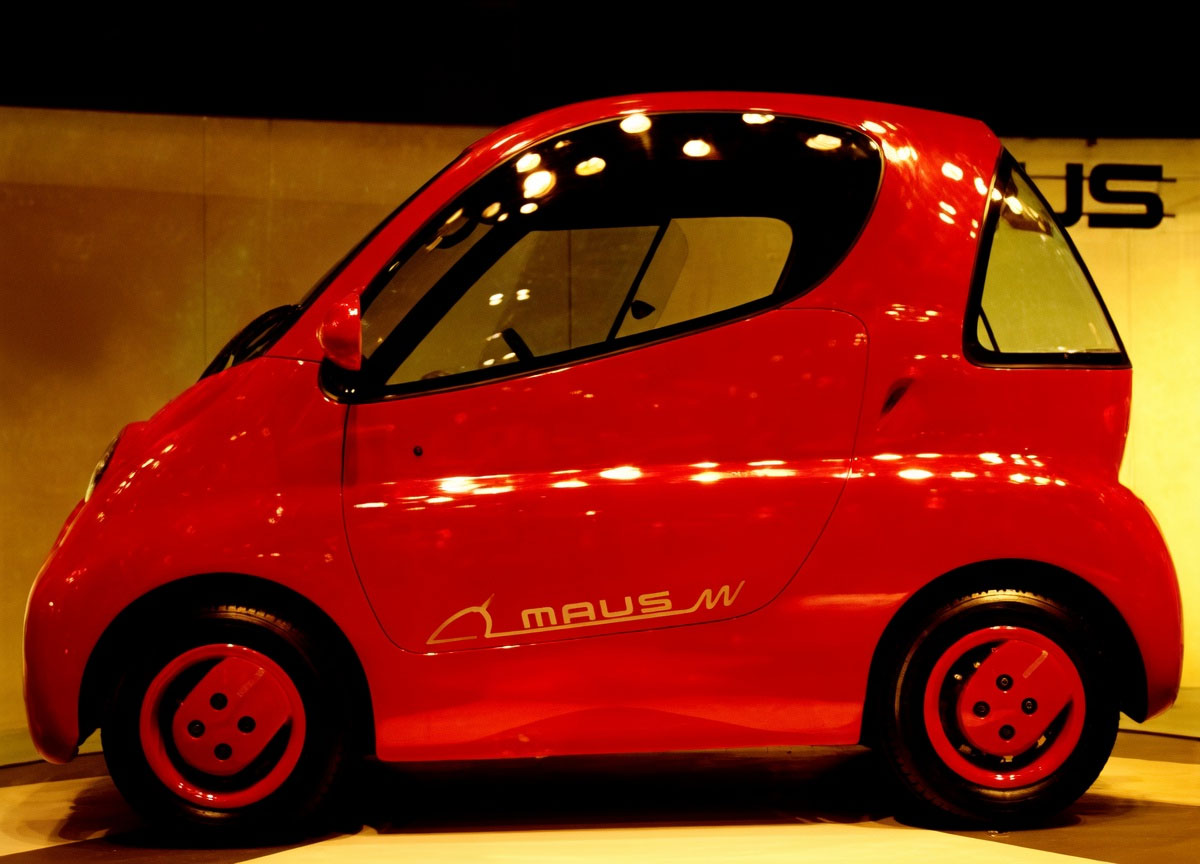
Based on Mitsubishi’s MUM electric car from two years earlier, the Maus was just 2.5 meters long with an exceptionally tight six-meter turning circle. Despite its ultra-compact size, it offered up-to-scale crash protection meeting safety standards.
The Maus was powered by a three-cylinder 500 cm³ engine. Its modular construction system meant it could also be built as an electric car, offering flexibility in powertrain choice.

The vehicle was built using three distinct modules:
- A frame carrying the engine and suspension
- A sheet metal platform with tubular side members
- The plastic resin body shell
This three-part modular design allowed for efficient manufacturing and the ability to swap between conventional petrol and electric powertrains.
The Maus had some notable design limitations. It featured only one door, no interior trim, and no dashboard. However, the seats were hammock-style with the fabric acting as the springing mechanism.
This fabric-spring seating was just the same as found on the Renault R4 and the Citroën 2CV, using classic automotive engineering to create comfortable seating without complex mechanical springs.
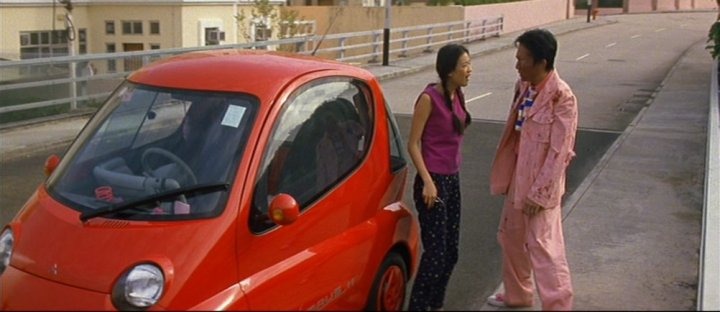
The Mitsubishi Maus even starred in the movie “Bo lei chun” (1999), gaining exposure beyond automotive circles and appearing in mainstream cinema.