Suzuki e Sky

In 2026, Suzuki has released the e Sky, the production version of the Vision e-Sky concept, and remarkably little has changed between the show car and the model heading to dealerships.
The e Sky becomes Suzuki’s third production electric vehicle, following the e Vitara subcompact SUV and the e Every kei van. It is also the company’s first model to enter Japan’s rapidly growing market for kei-class passenger EVs.
According to Suzuki, the e Sky is designed to make the transition from internal-combustion vehicles to EVs easier for everyday drivers. It was developed as a lightweight urban car, focusing on a comfortable ride, smooth acceleration and a quiet cabin.
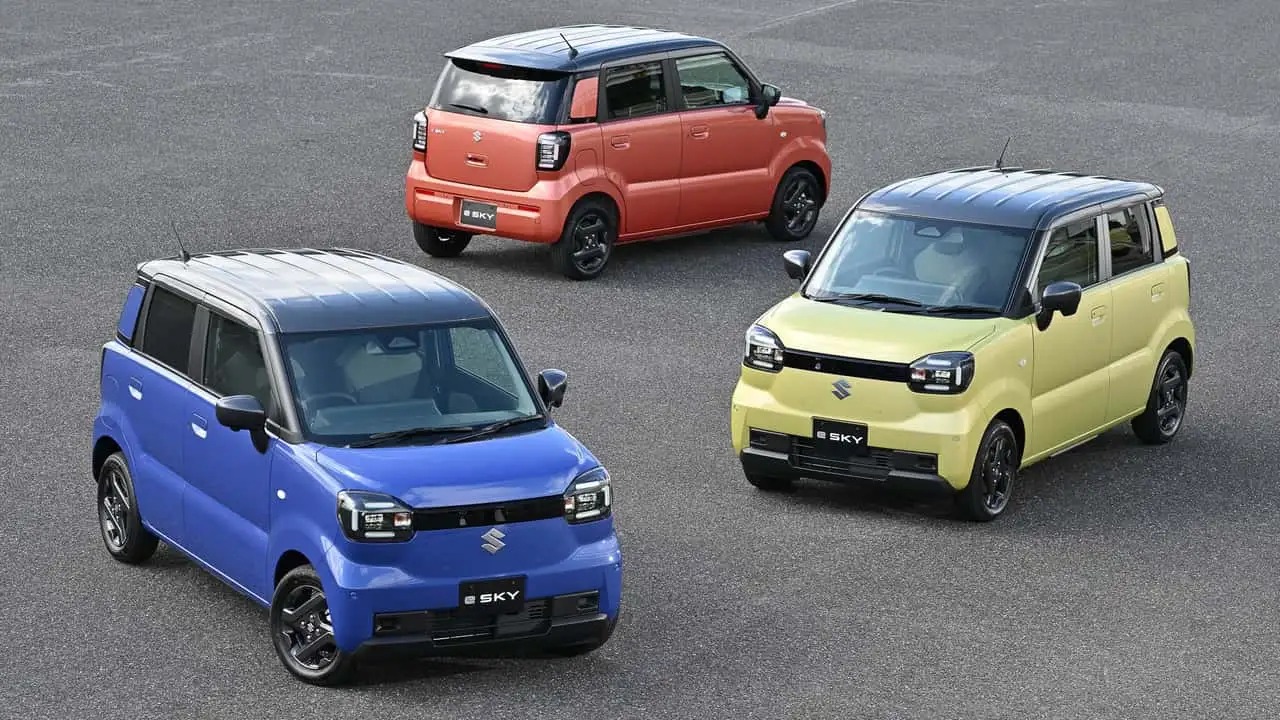
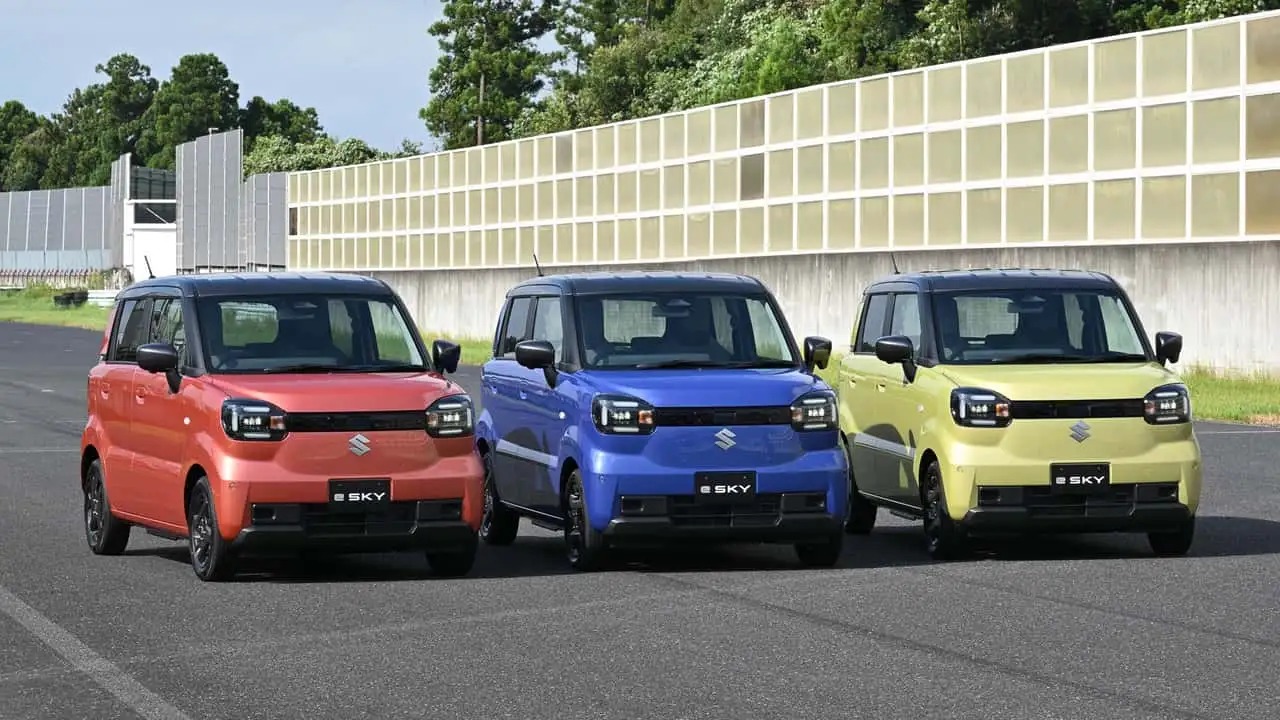
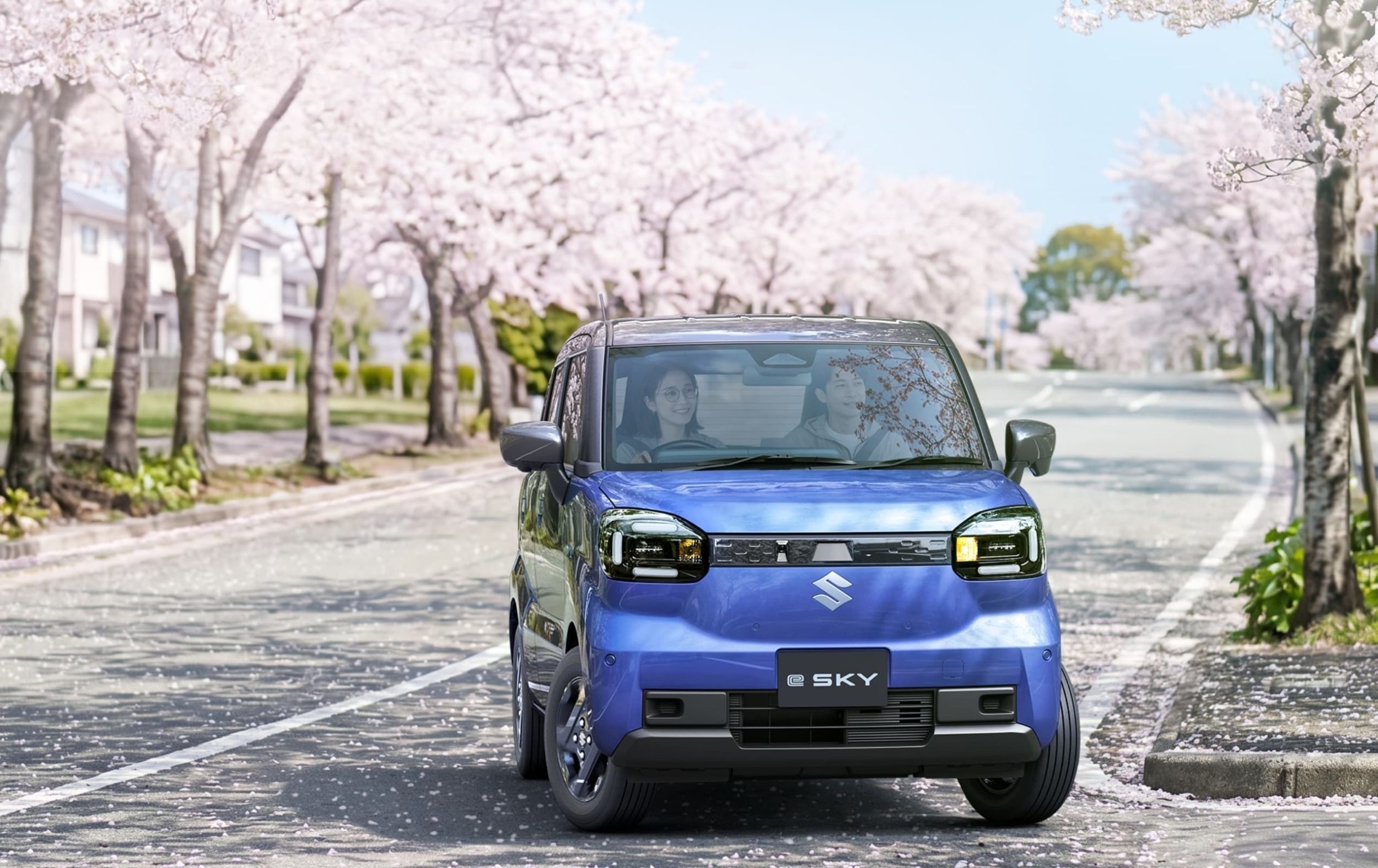
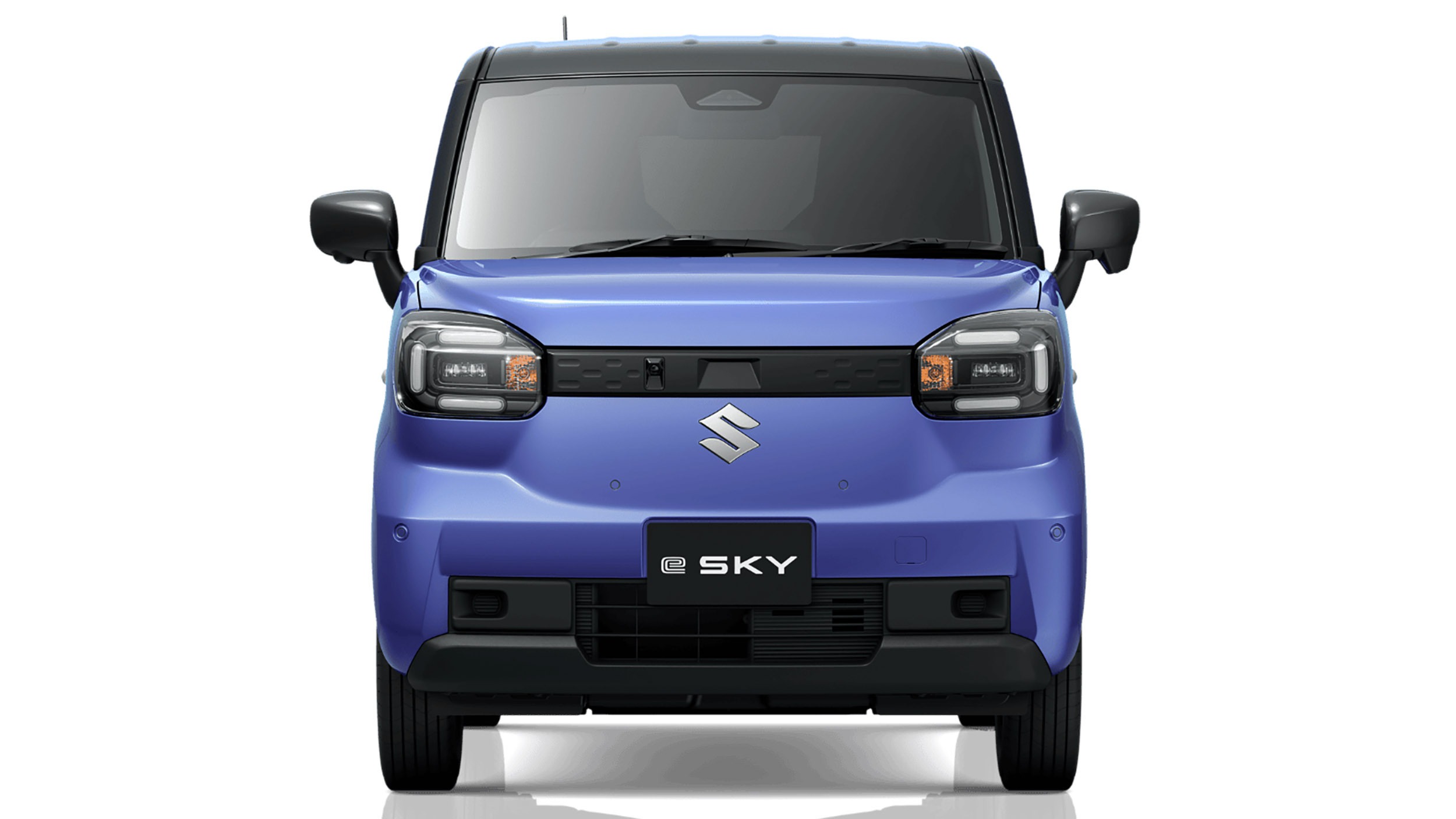
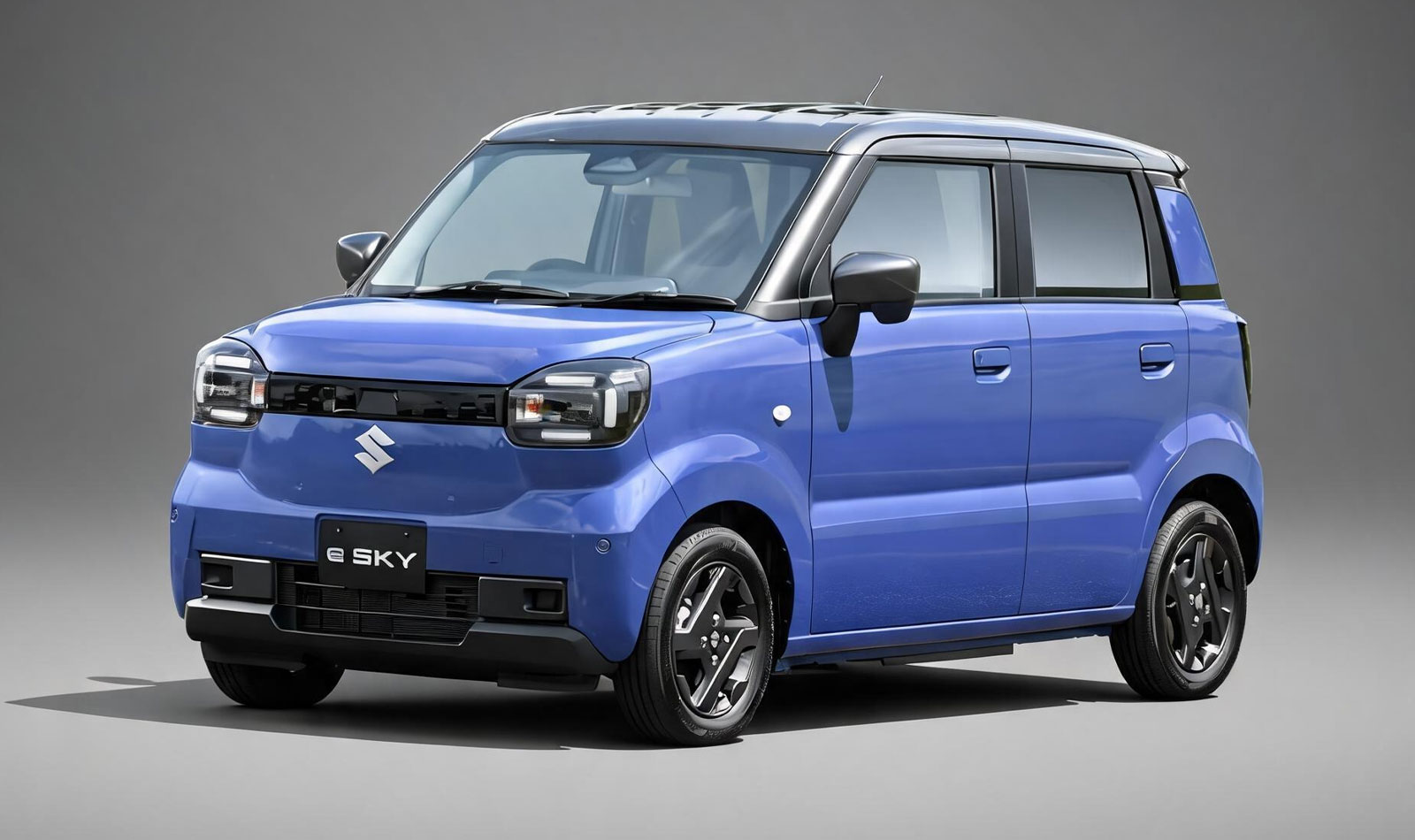
Visually, the production e Sky remains remarkably close to the concept unveiled in 2025, although some of the show car’s more extravagant details have been toned down. The front end now features larger LED headlights with tinted backgrounds, while the illuminated grille has been replaced by a conventional black trim element. A revised Suzuki badge sits on the sculpted nose, while the bumper incorporates a single cooling intake.
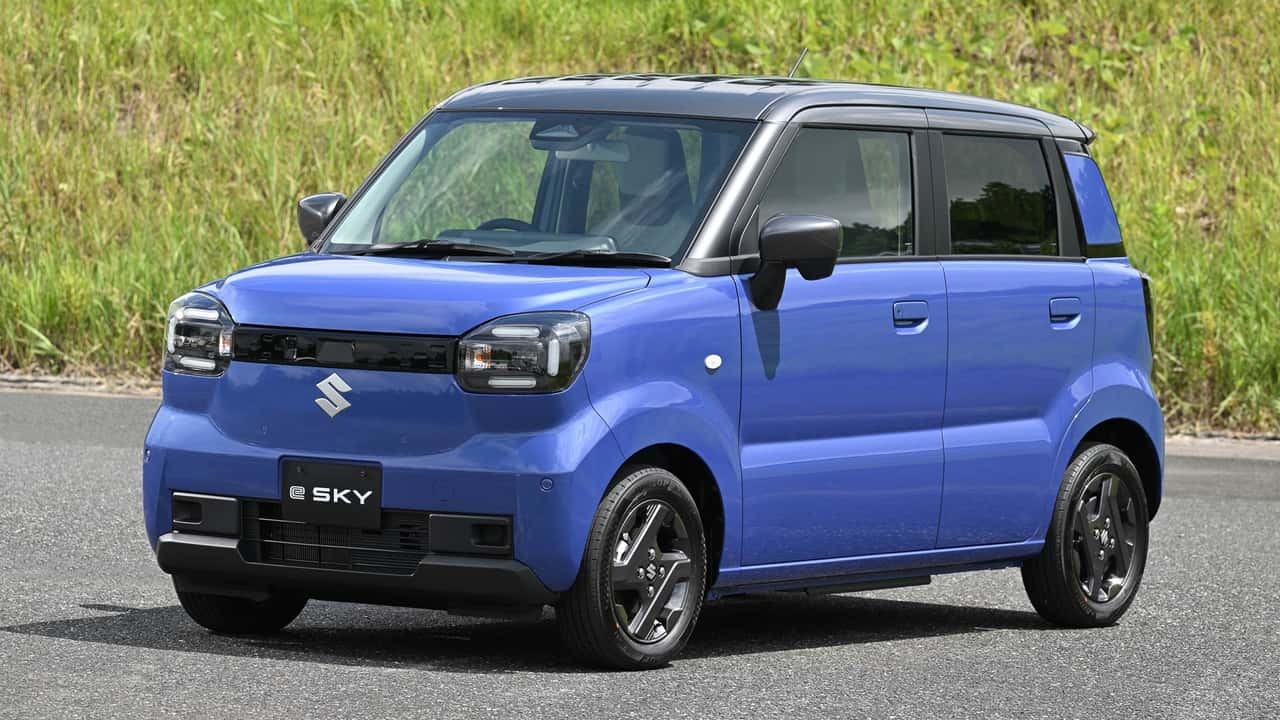
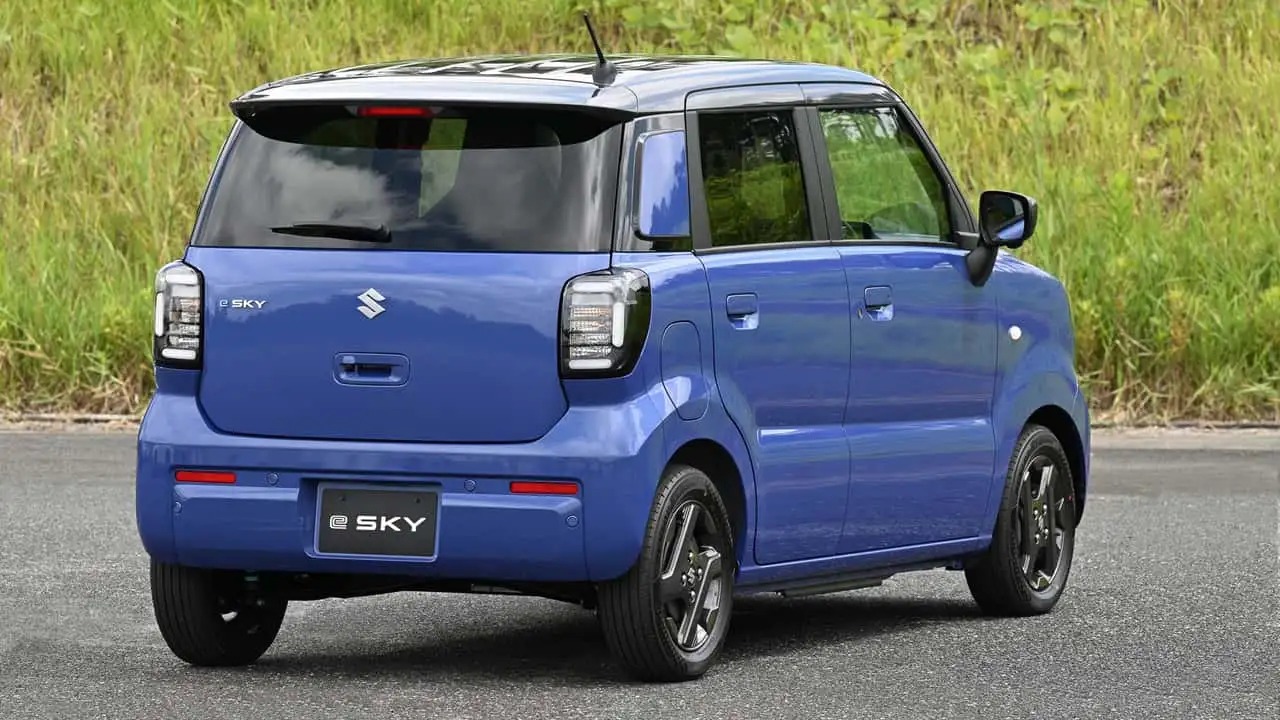
The side profile remains largely faithful to the concept, but the production car gets smaller wheels, larger mirrors and conventional door handles similar to those used on the Suzuki Alto. The floating roof design and body-coloured C-pillar trim have been retained.

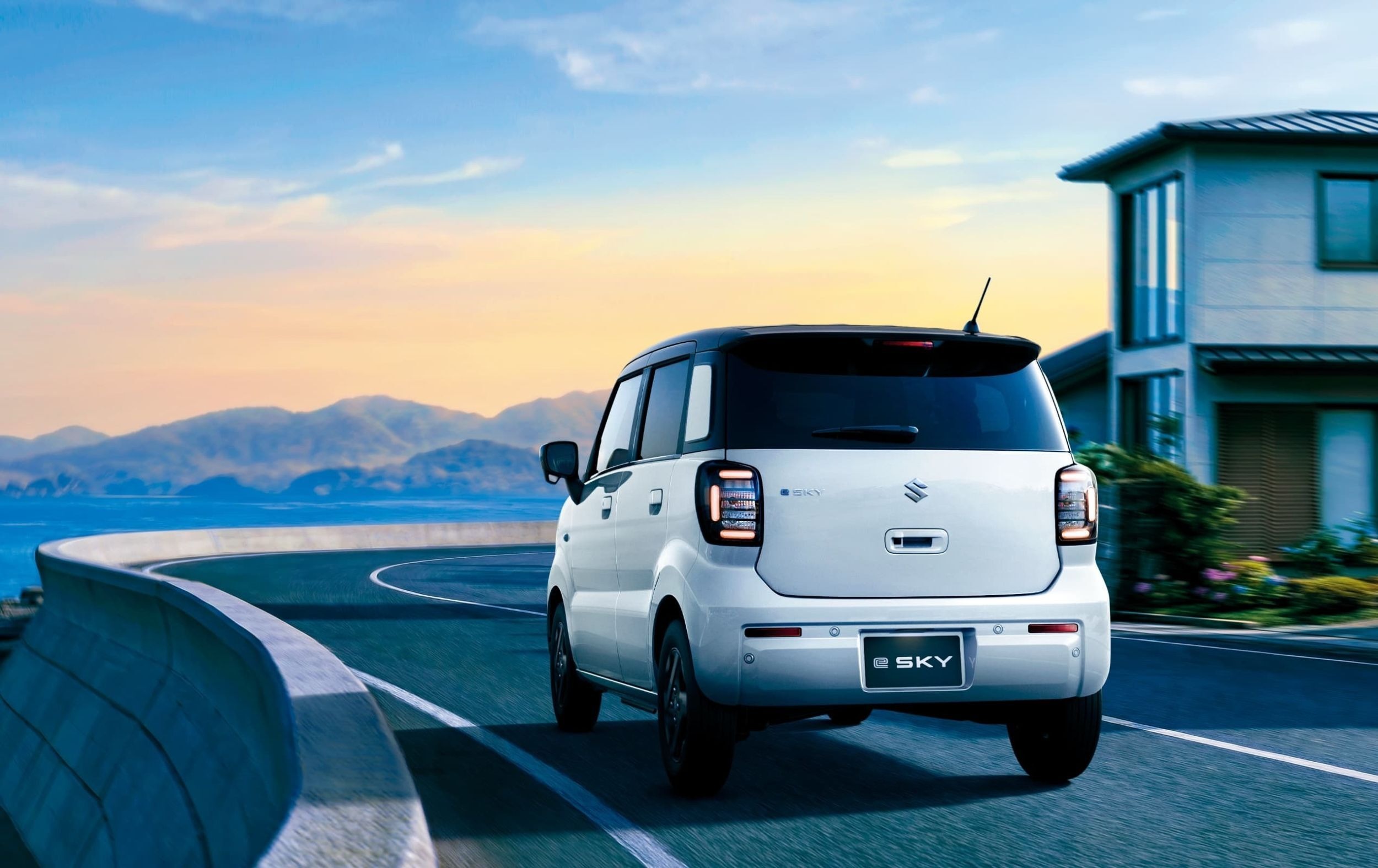
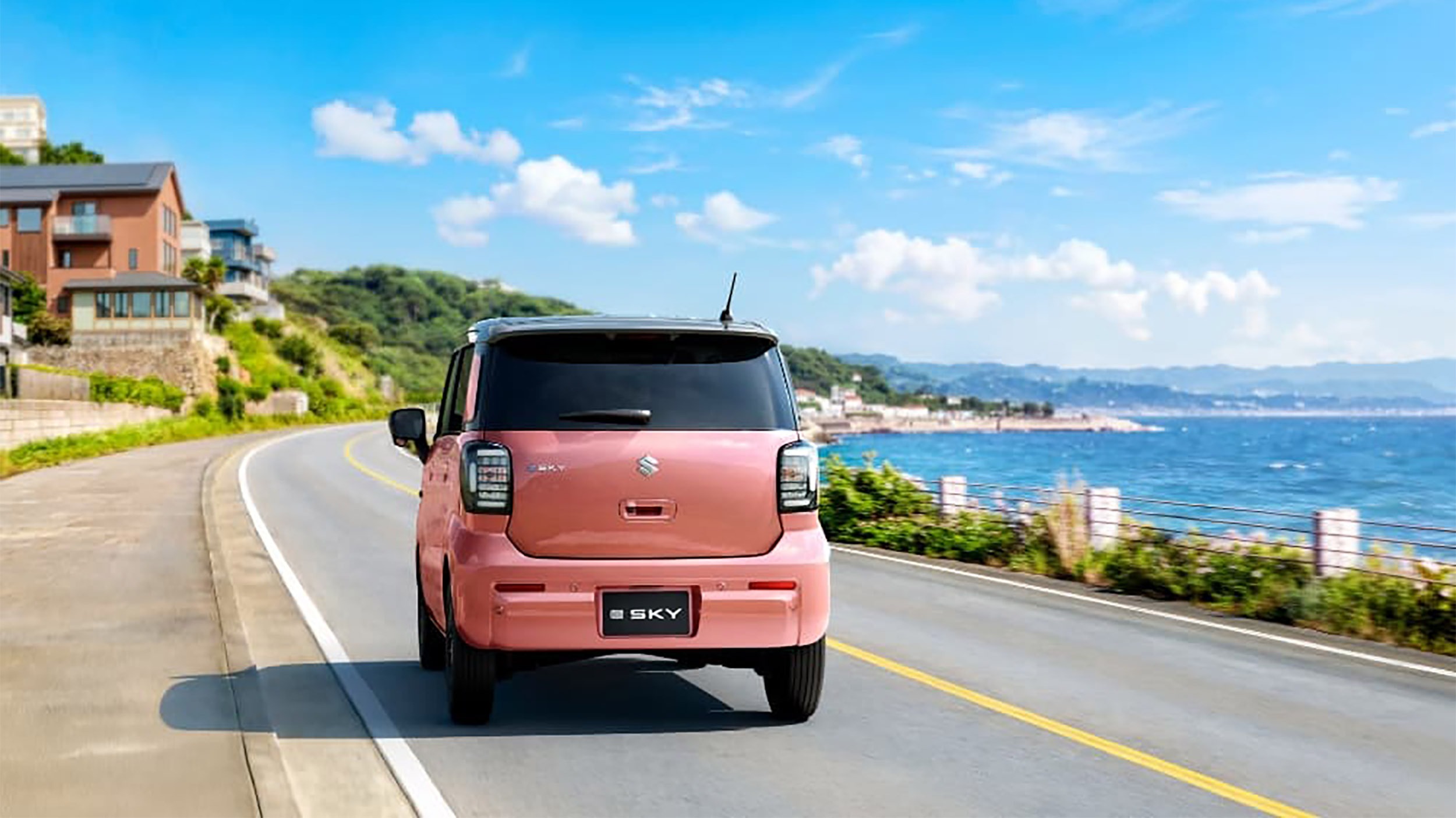
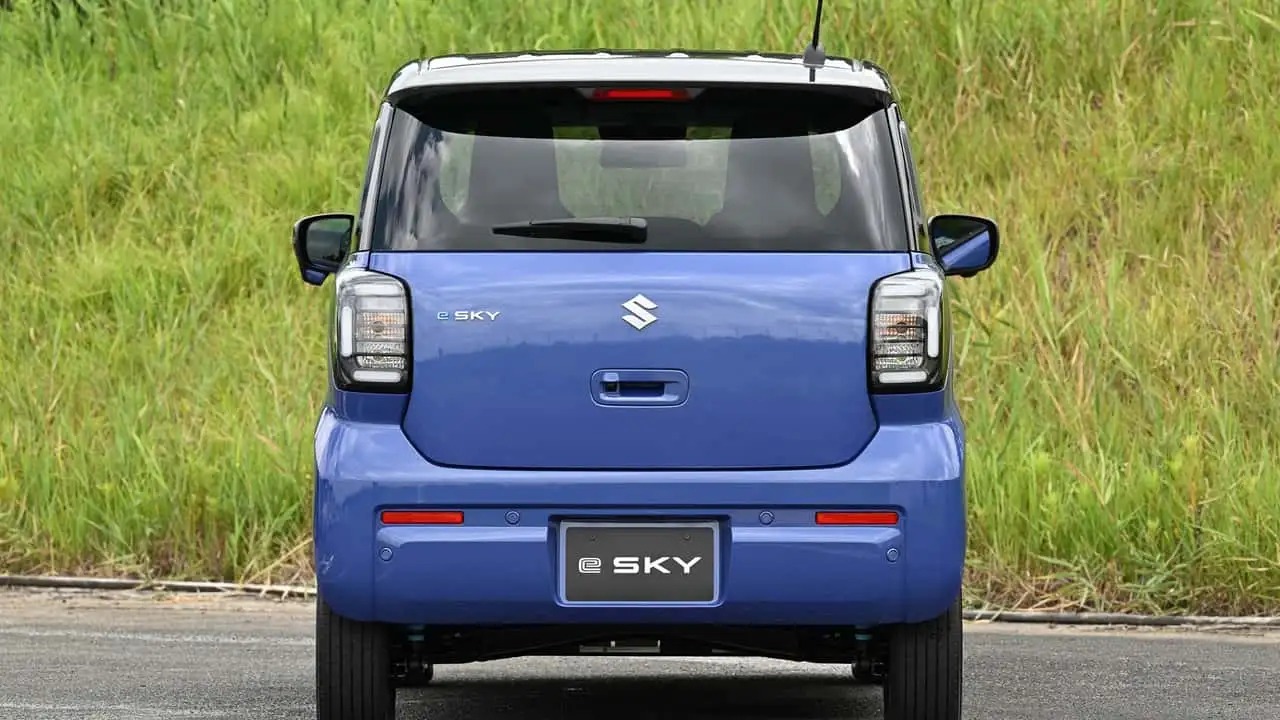
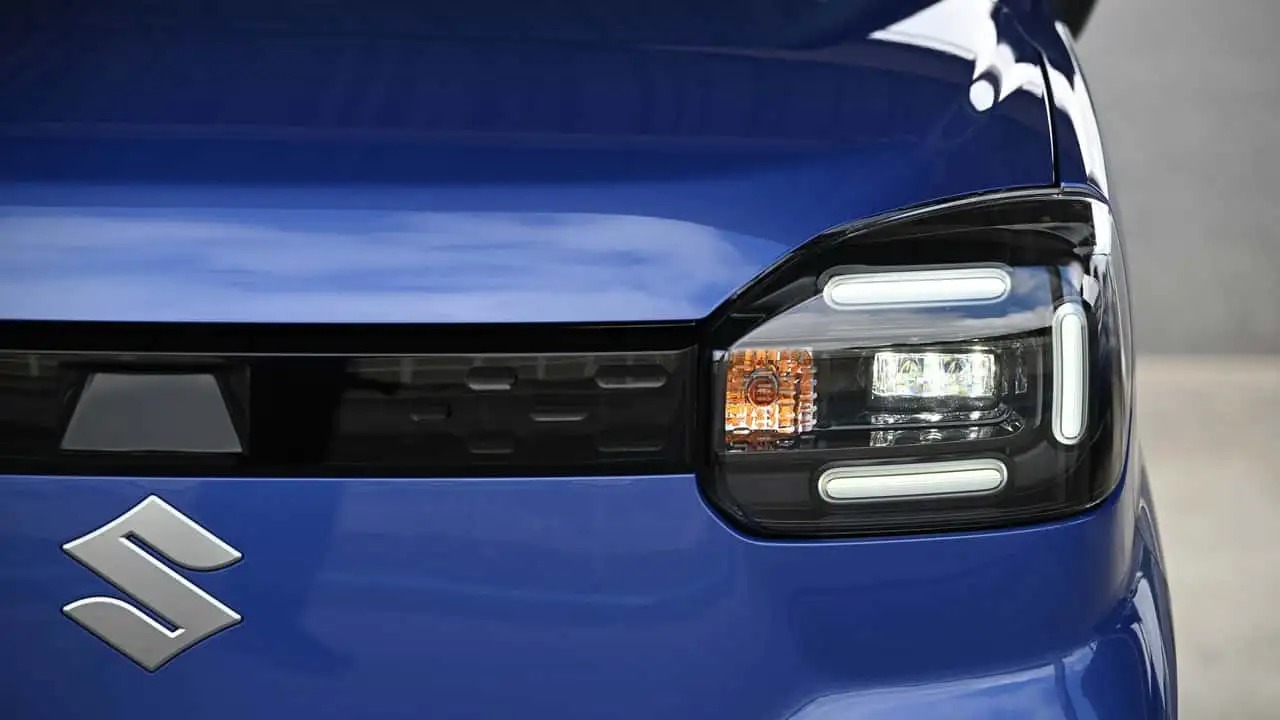
At the rear, the main changes include bulkier LED taillights, a visible tailgate handle and body-coloured cladding on the rear bumper.
As expected, the e Sky complies with Japan’s kei-car regulations. It reportedly measures 3,395 mm long, 1,475 mm wide and 1,625 mm tall, with a 2,460 mm wheelbase.
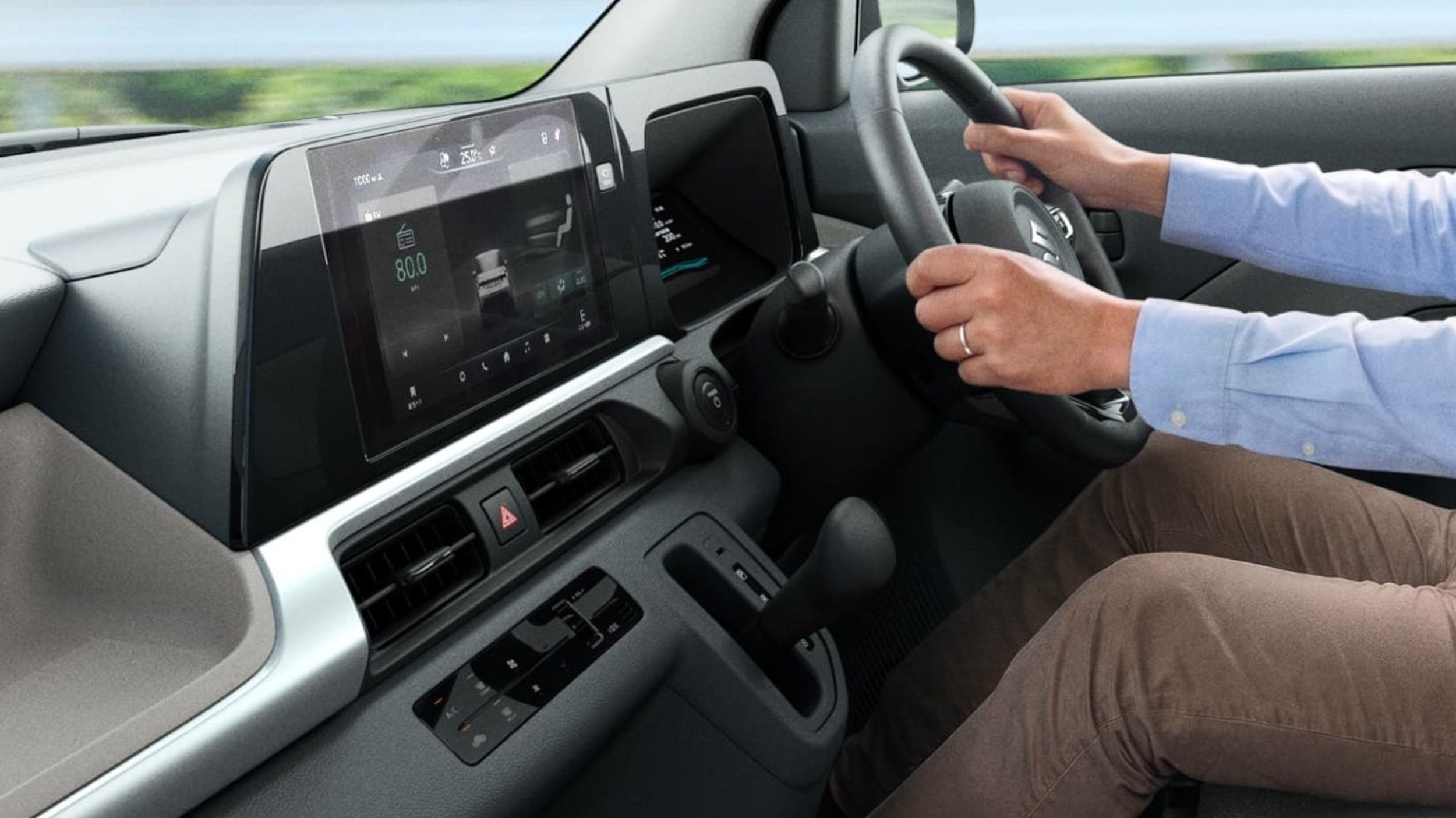
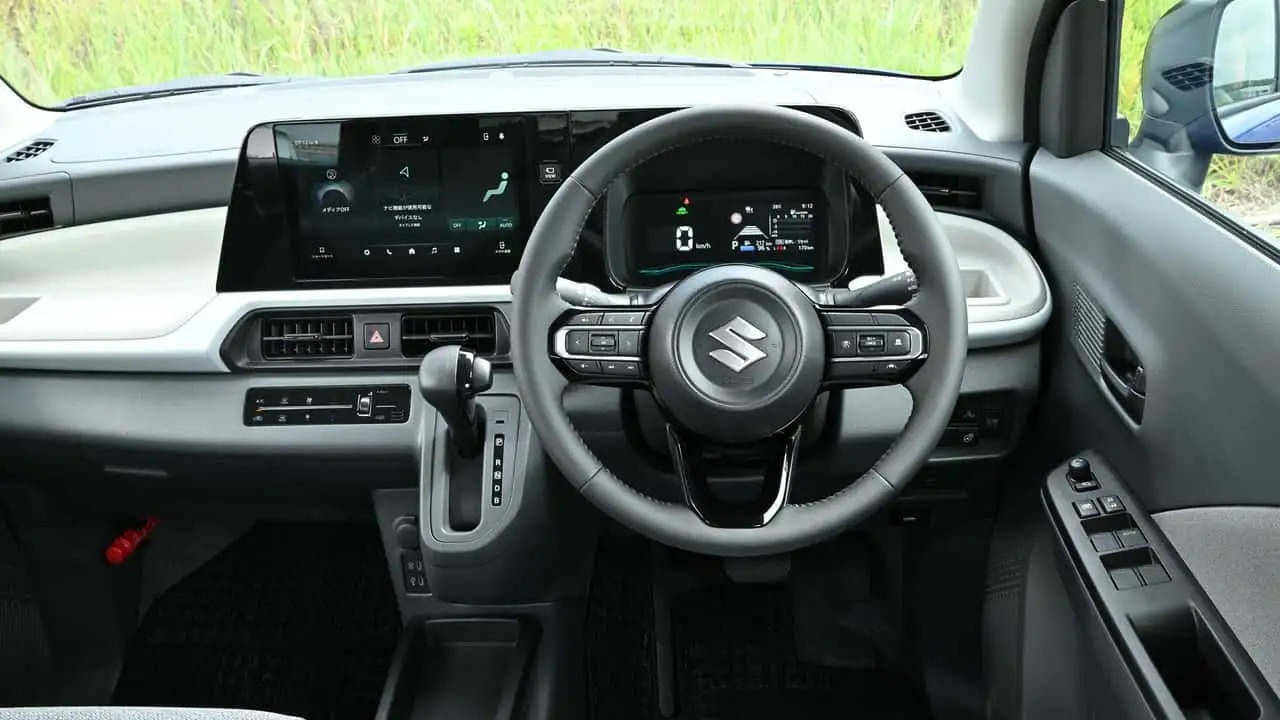
The dashboard layout remains similar to the concept, but the pale materials, futuristic details and extensive ambient lighting have been replaced with a more cost-conscious design. The main feature is a 10.1-inch infotainment display paired with a digital instrument cluster, a conventional automatic gear selector and dedicated physical climate controls.
Other equipment includes a useful storage tray on the passenger side of the dashboard, heated seats and a heated steering wheel, an electronic parking brake, and a heat pump combined with an electric air heater to improve efficiency during Japan’s cold winters.
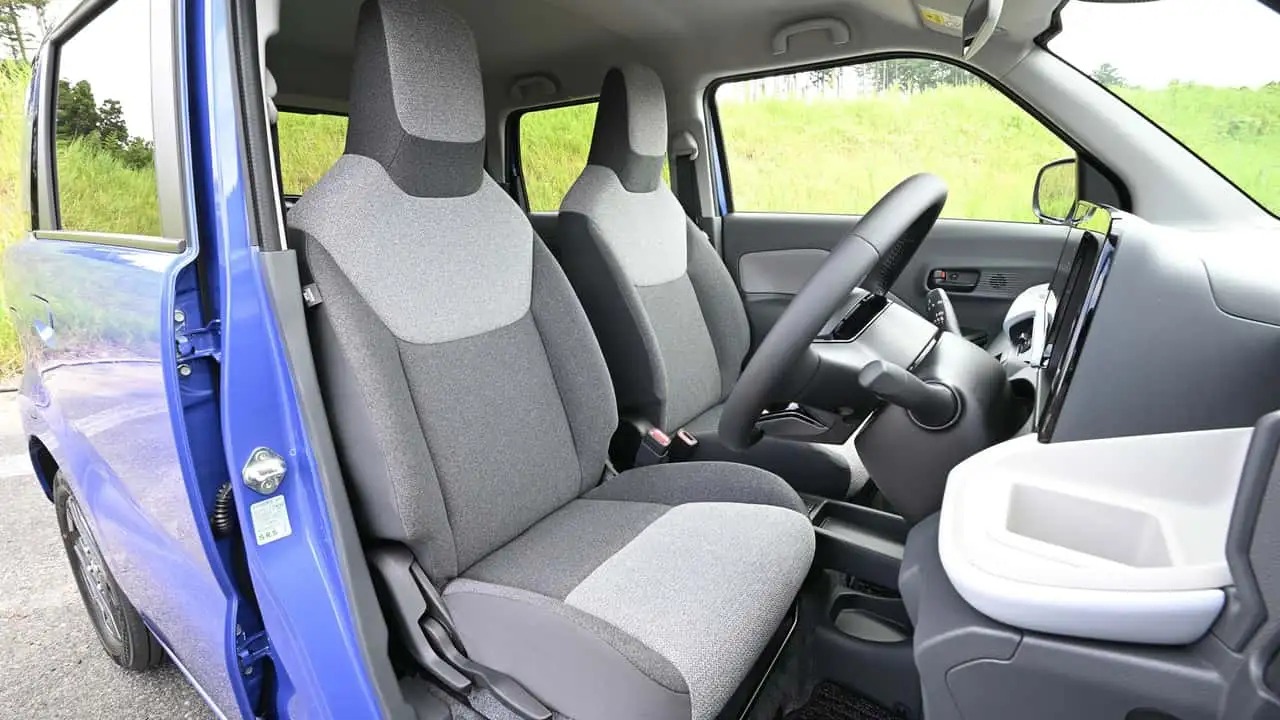
Like most kei cars, the e Sky has a four-seat cabin and a compact luggage compartment.

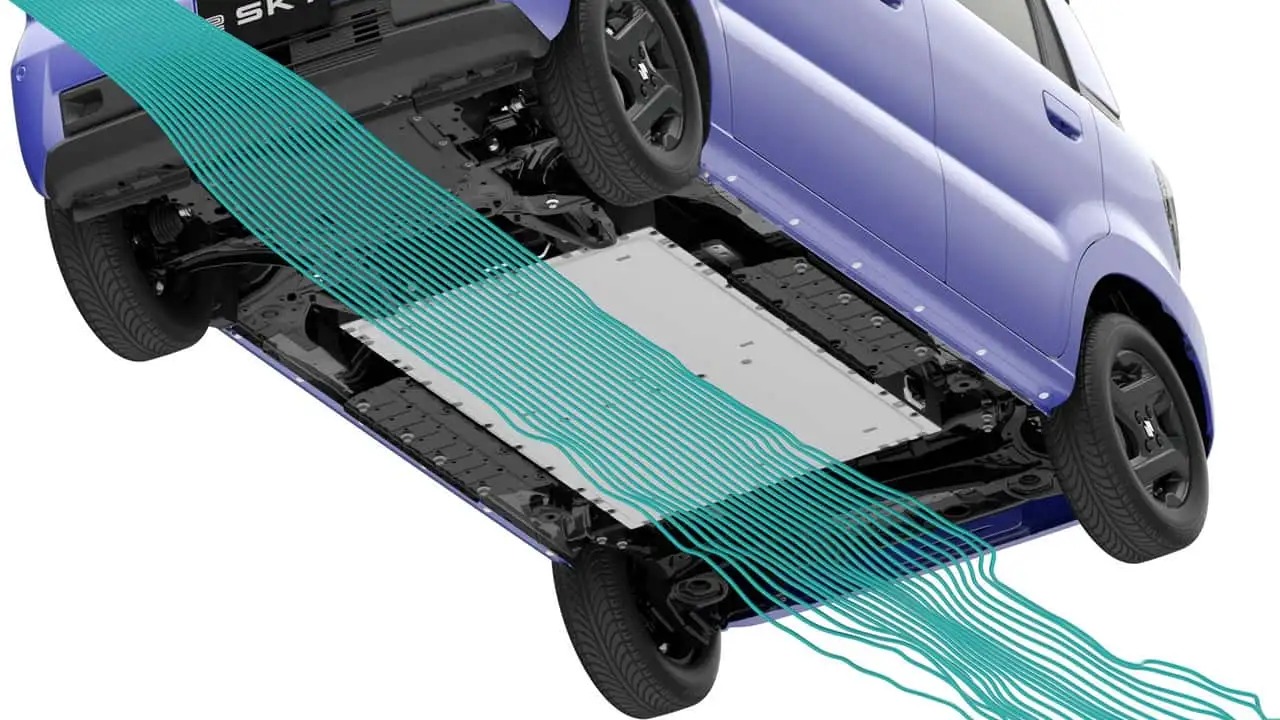
The e Sky is based on Suzuki’s Heartect e architecture, which was developed specifically for urban electric vehicles. Japanese media reports that the car uses a front-mounted e-Axle integrating the electric motor, inverter and reduction gears.
Suzuki has not yet revealed the motor’s official output, although kei cars are limited to a maximum of 63 hp (47 kW / 64 PS).
Power is reportedly supplied by a 26 kWh lithium iron phosphate battery mounted beneath the floor. Despite its modest capacity, Suzuki is targeting a range of 310 km (193 miles), considerably more than many competing Japanese kei EVs and only slightly below the BYD Racco’s 320 km (199 miles). The BYD achieves its longer range, however, with a significantly larger 35.84 kWh battery.
Suzuki managed to achieve the e Sky’s impressive range through improved aerodynamics, greater motor efficiency and weight reduction. The finished EV reportedly weighs just 1,030 kg (2,271 lbs).

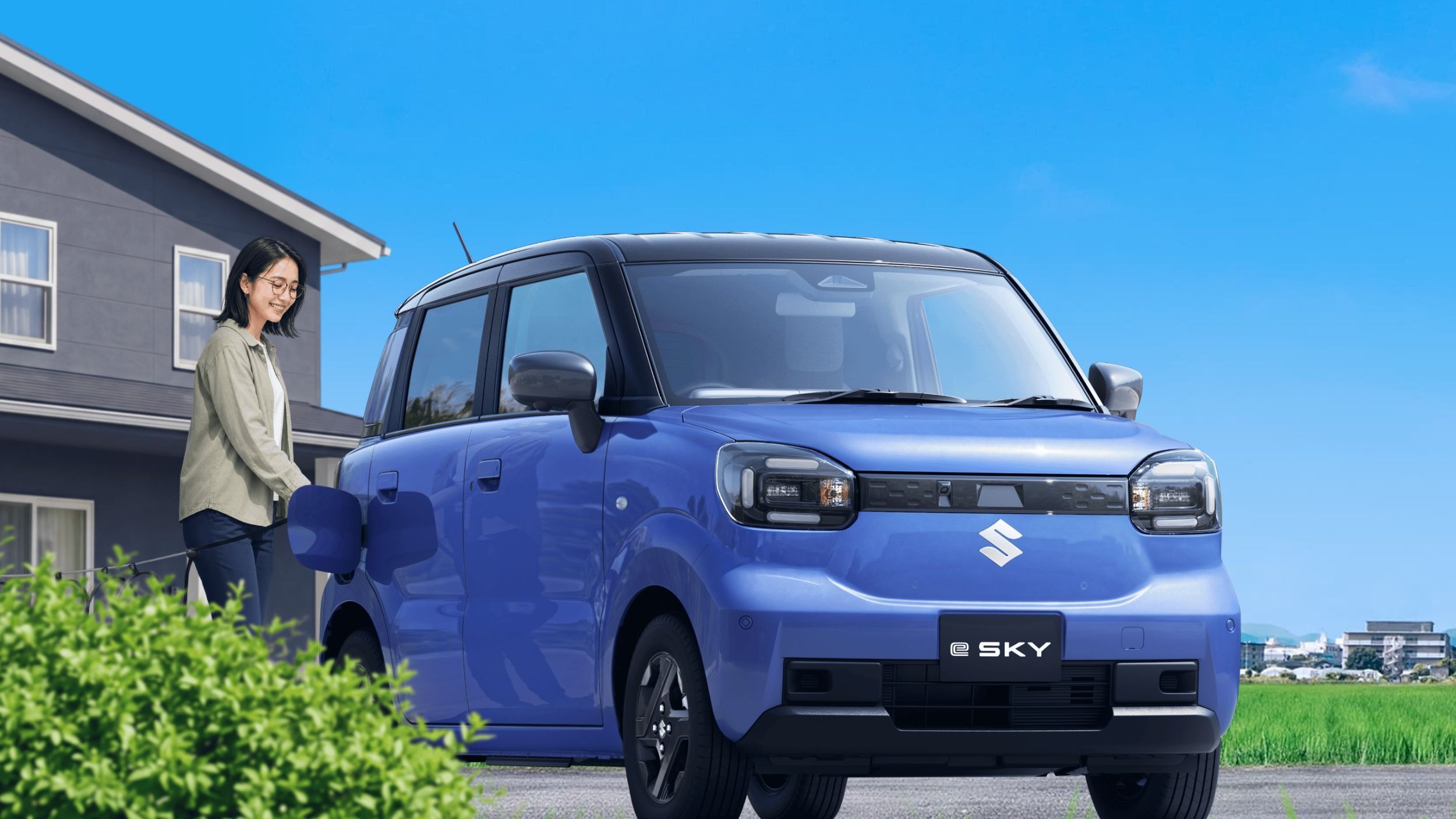
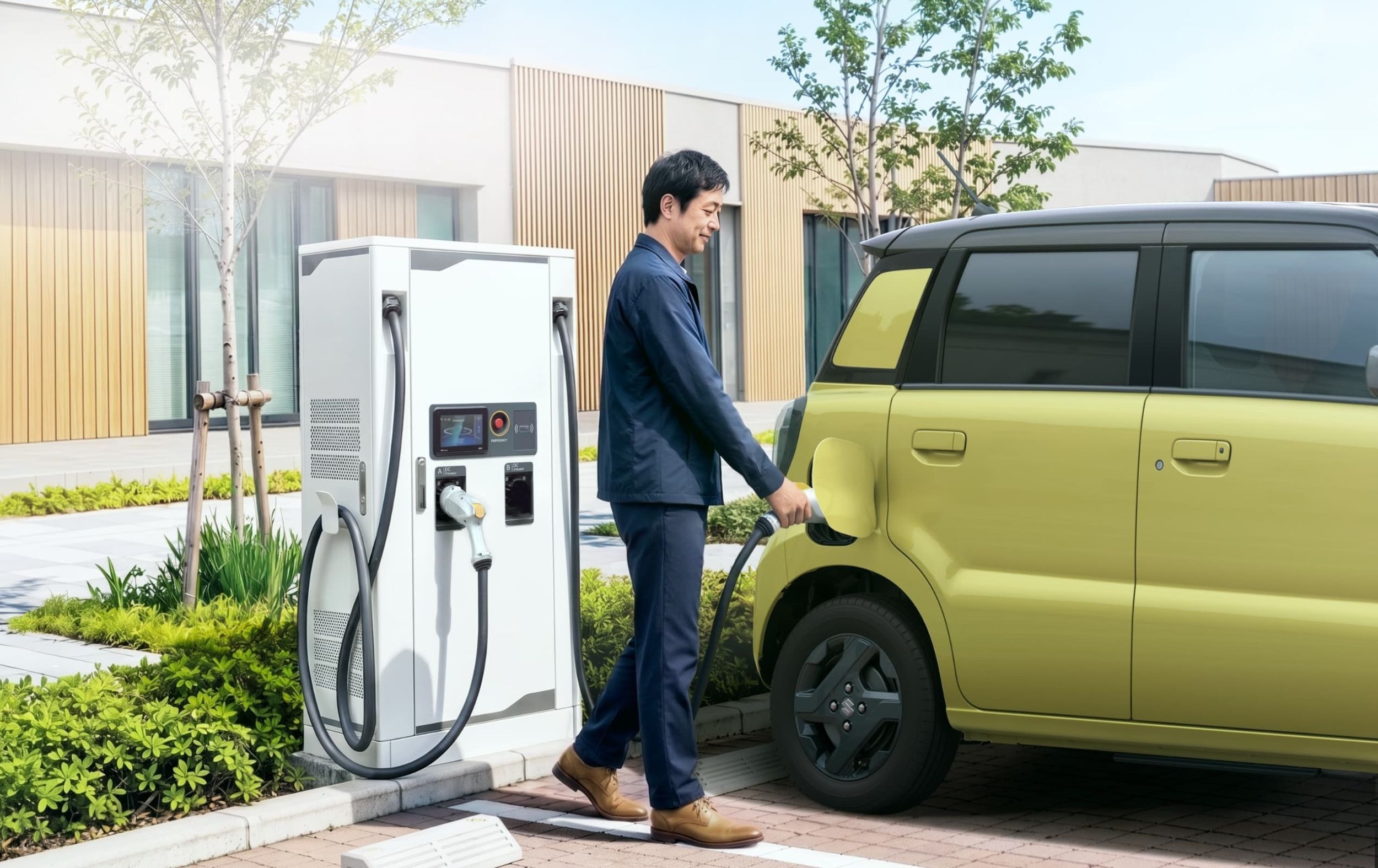
A full charge is expected to take around eight hours from a standard household outlet, or 4.5 hours using a 6 kW wallbox. The e Sky will also support 50 kW DC fast charging, allowing the battery to reach 80% capacity in around 25 minutes.
The EV will additionally offer Vehicle-to-Home (V2H) functionality and a 100V/1,500W AC power outlet for running external devices.
The e Sky will arrive in Japan in autumn 2026, where it will compete with models such as the Nissan Sakura, Mitsubishi eK X EV, Honda N-One e and BYD Racco.
Japan won’t be the only market for Suzuki’s smallest EV. Exports to mainland Europe and the UK are expected to begin in 2027, where the e Sky will face rivals including the Renault Twingo E-Tech, the upcoming Dacia Spring and the production version of Volkswagen’s ID.Every1 concept.