Carcerano Sonny

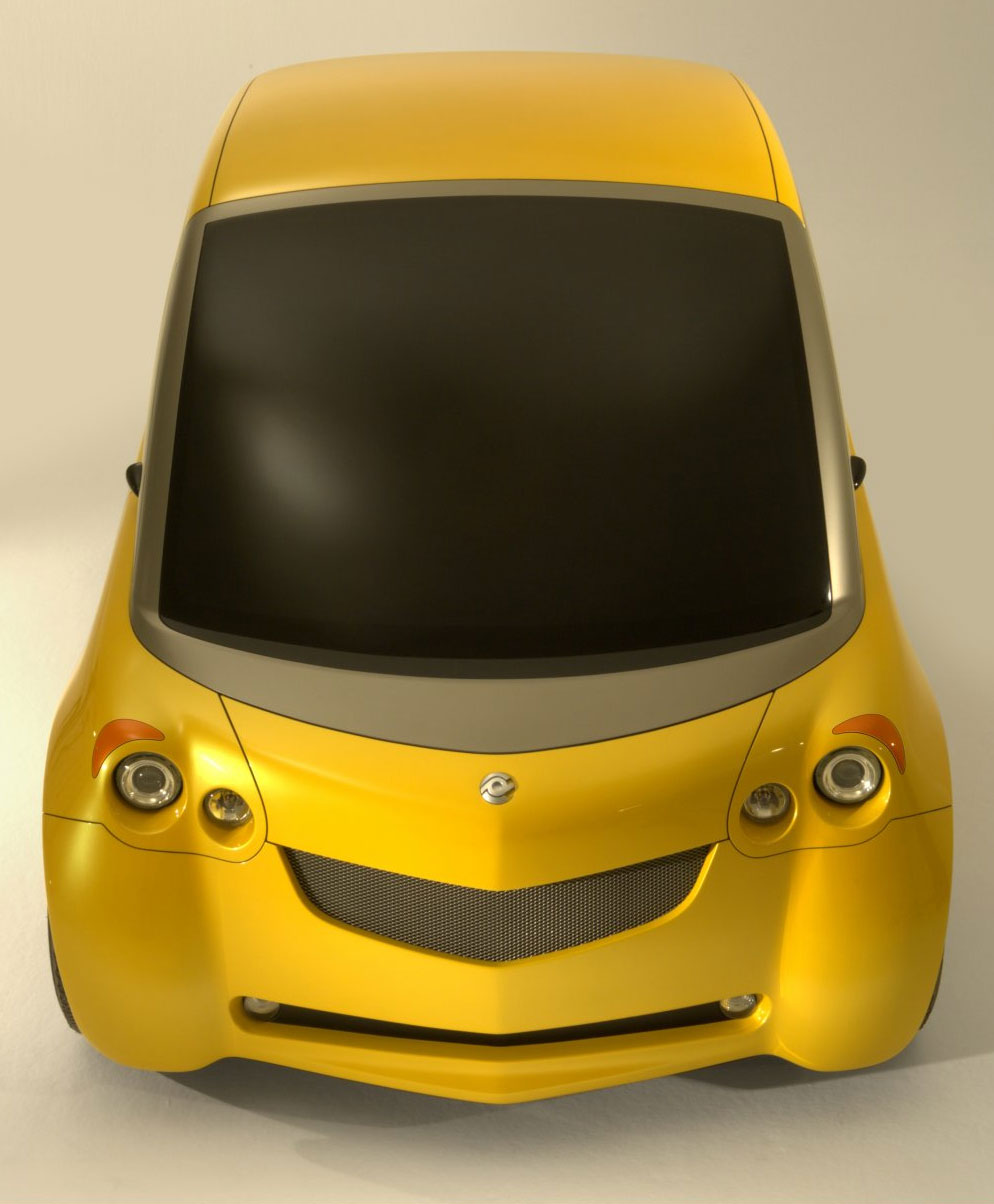
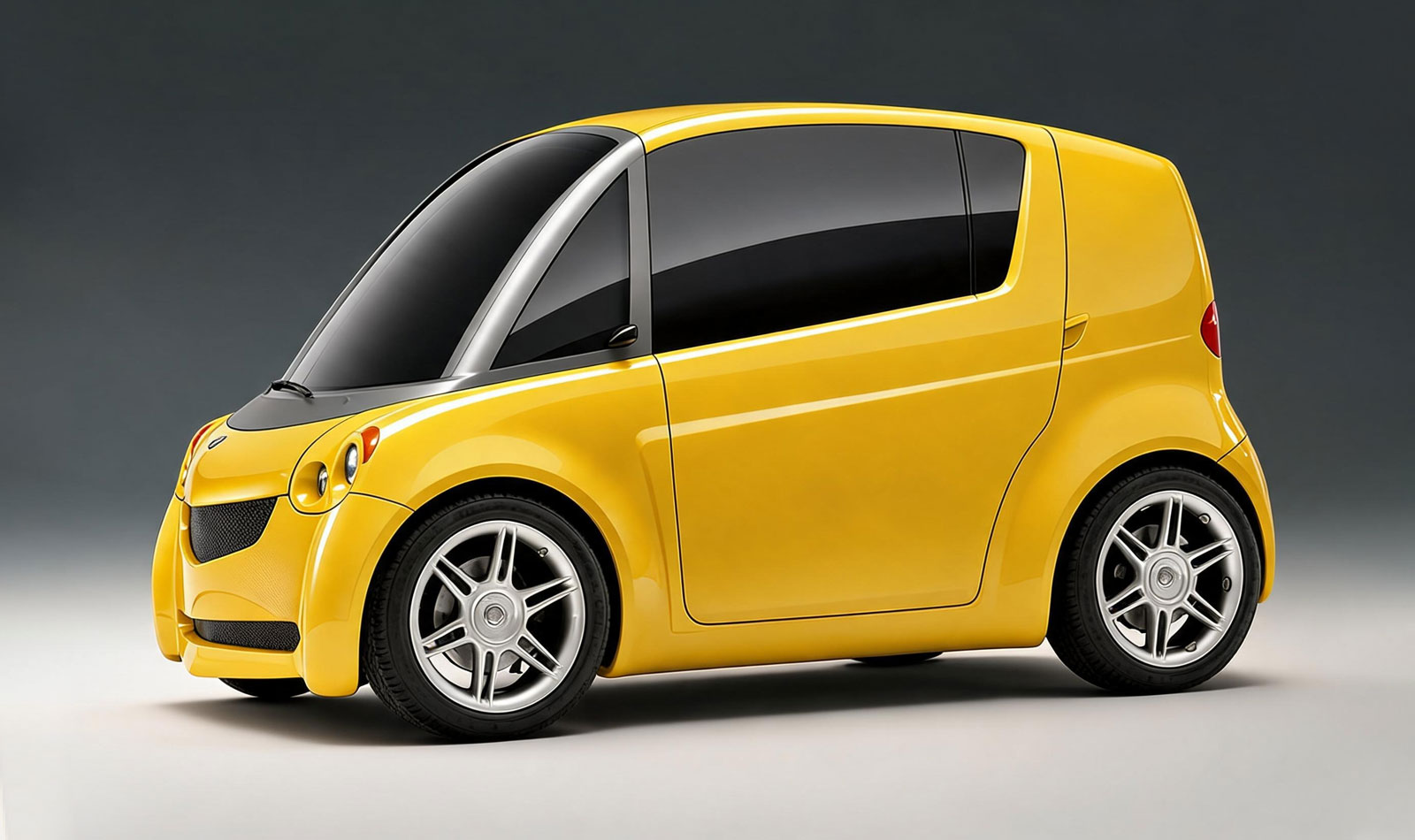
The 2006 Carcerano Sonny Concept was a compact experimental vehicle created by Carcerano Creative Engineering to investigate more sustainable forms of urban transportation.
It debuted at the 2006 Bologna Motor Show as part of the “L’auto che verrà” (“The Car of the Future”) exhibition, where the emphasis was placed on environmental responsibility, efficient use of space, and emerging connectivity technologies rather than outright performance or luxury.
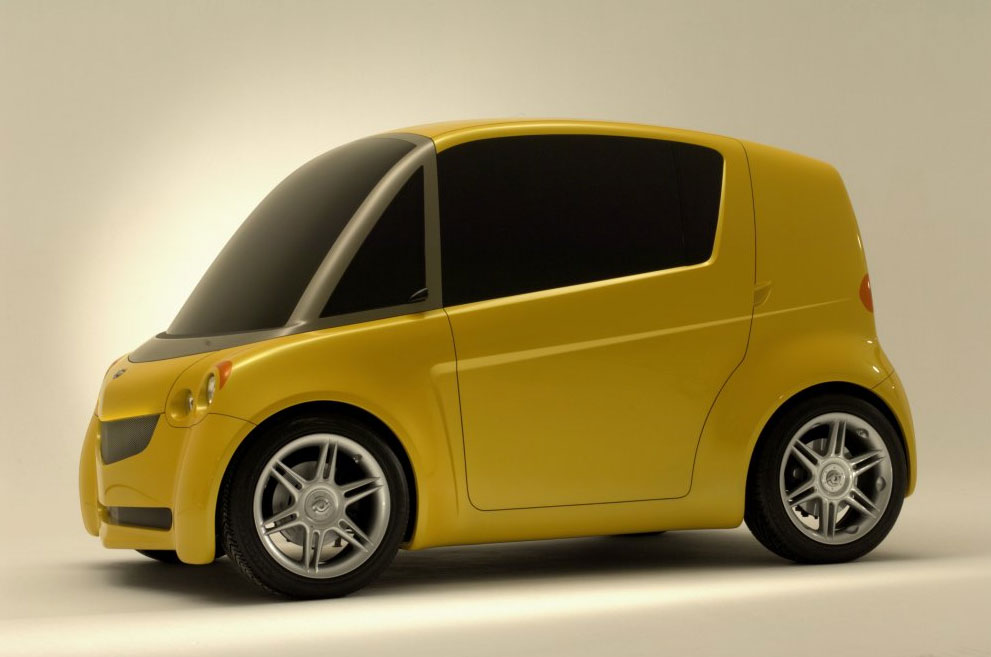
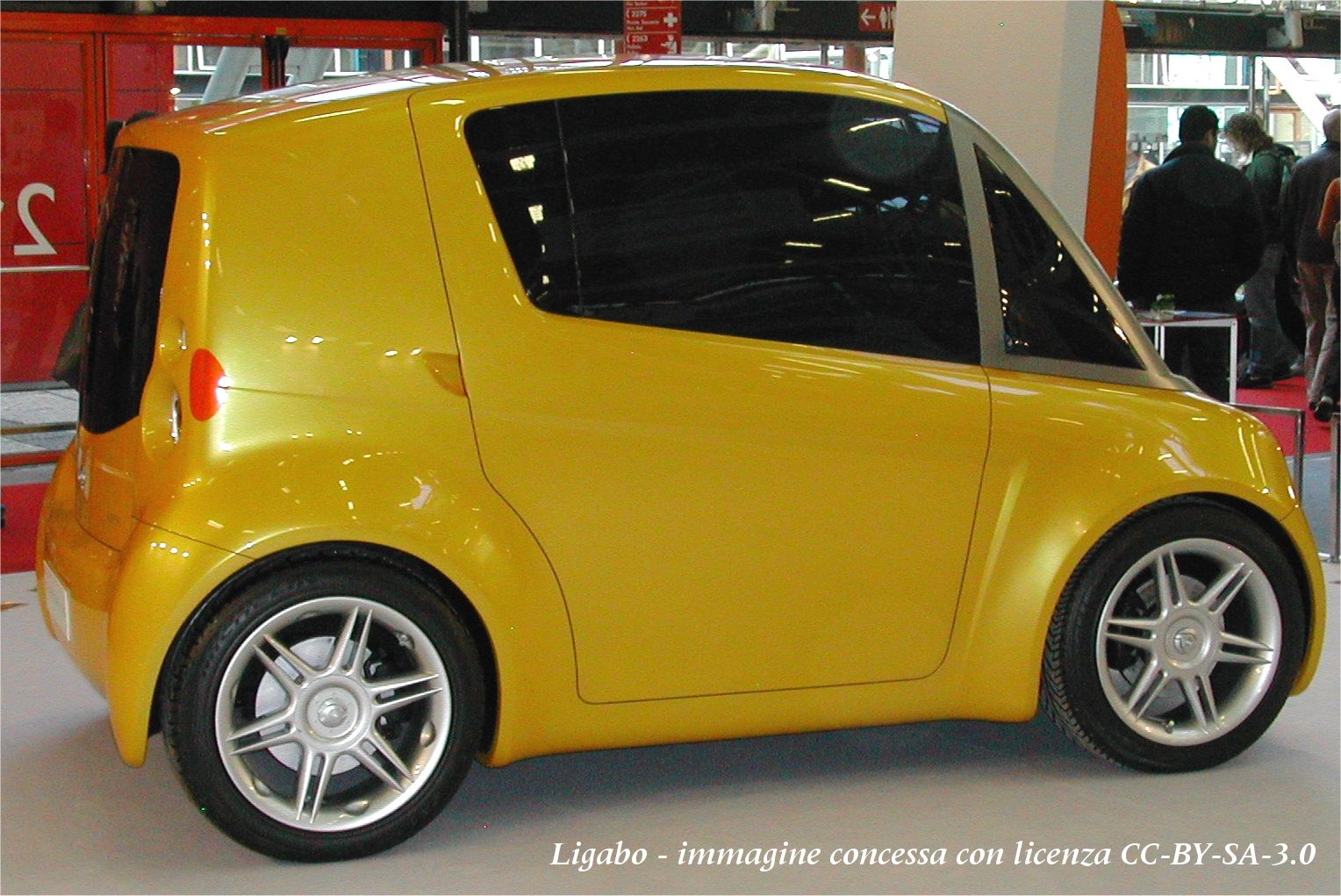
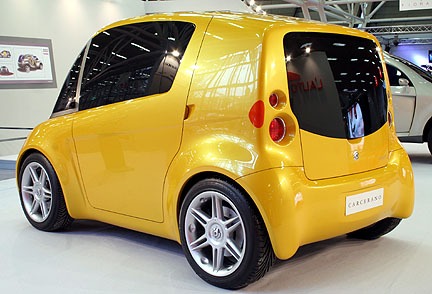
Designed specifically for crowded city environments, the Sonny measured just 2,915 mm long, 1,684 mm wide, and 1,616 mm high, with a wheelbase of 1,960 mm. Despite these extremely compact dimensions, it was configured to carry four occupants. The rear passenger area was partially enclosed by large structural C-pillars, which helped preserve cabin space while contributing to body rigidity and safety.
Sustainability was central to the project’s development philosophy. Carcerano applied Life Cycle Assessment (LCA) principles, considering the vehicle’s environmental impact from material extraction and manufacturing through operation and eventual recycling.
To support this approach, the body panels were made from lightweight, recyclable materials intended to reduce both production-related emissions and overall vehicle mass, improving efficiency in everyday urban use.

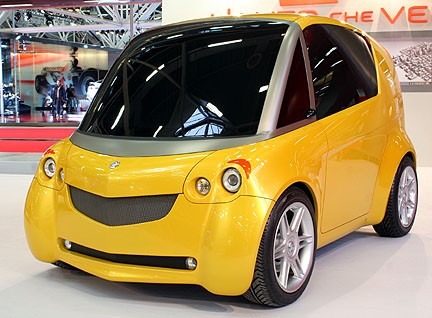
The exterior styling relied on clean, uncomplicated surfaces and a tall, space-efficient profile. Extensive glazing surrounded the cabin, improving visibility and creating a brighter, less claustrophobic interior—an important quality for city driving. The overall design prioritized practicality and ease of use, reflecting the requirements of short-distance urban transportation rather than emotional or performance-oriented styling.
Although detailed powertrain specifications were never released, the Sonny was equipped with an automatic transmission and featured contemporary safety technologies including ABS, ESP, and brake assist. These features reinforced its role as a practical, low-emission urban mobility concept rather than a sports-oriented prototype.
One of the concept’s most advanced elements was its integrated ICS (Information and Communication System). Carcerano envisioned the system as a link between the vehicle and future urban traffic-management networks, allowing communication with infrastructure and potentially with other vehicles. This early exploration of connected mobility anticipated ideas that would later become central to intelligent transportation systems, including improved traffic flow, enhanced safety, and more efficient use of urban road space.
The Sonny was never intended to enter production, but it remains an interesting example of how independent design and engineering firms were already addressing urban mobility challenges in the mid-2000s. Its combination of recyclable materials, compact packaging, efficient city-focused design, and connected-vehicle thinking foreshadowed many of the priorities that now shape modern electric city cars and urban transportation solutions.