BMW Clever

The 2006 BMW Clever Research Vehicle (Compact Low Emission Vehicle for Urban Transport) was an ambitious engineering project developed to explore ultra-efficient mobility for crowded cities.
Rather than being a conventional styling exercise, Clever was a fully functional research prototype developed by BMW in cooperation with the University of Bath and supported by UK government funding. The project focused on reducing fuel consumption and emissions while exploring a radically compact vehicle layout.
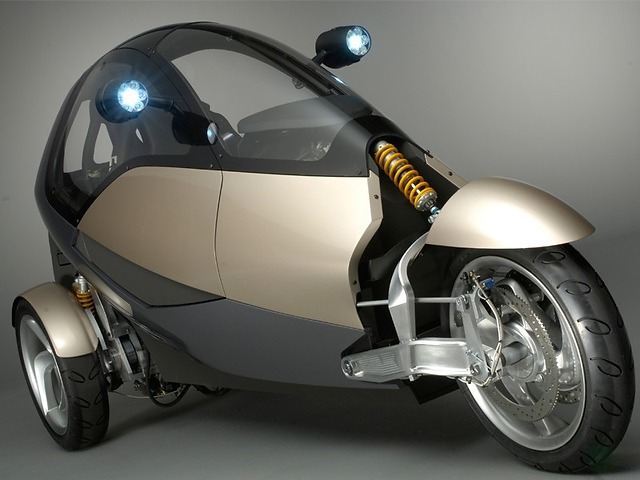
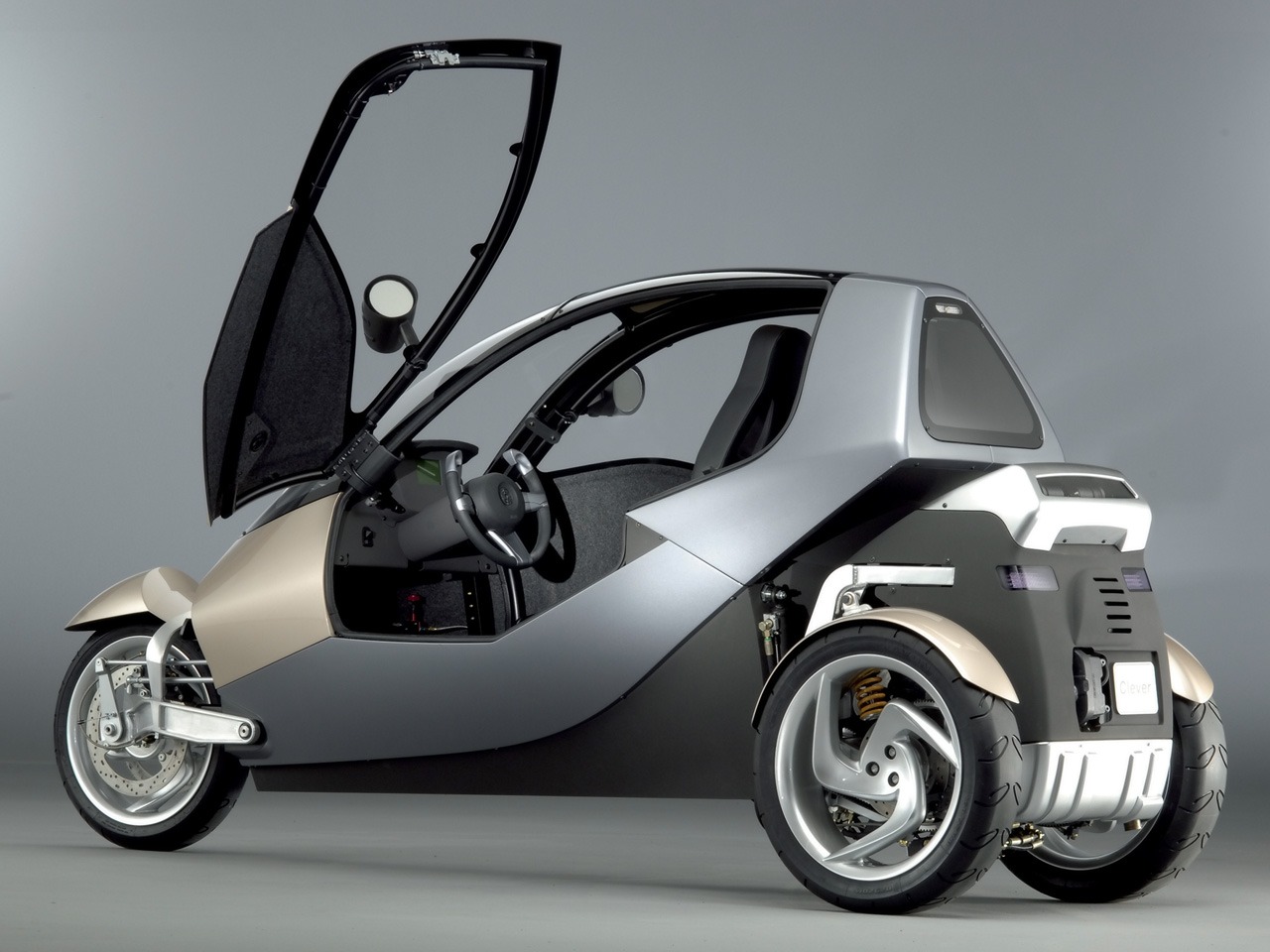
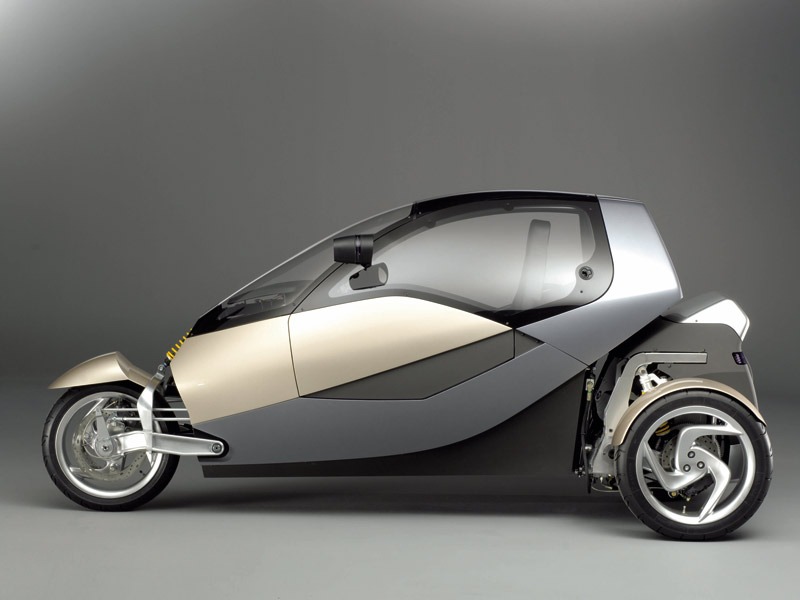
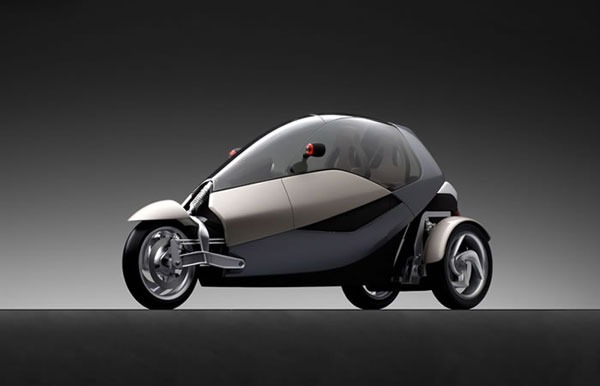
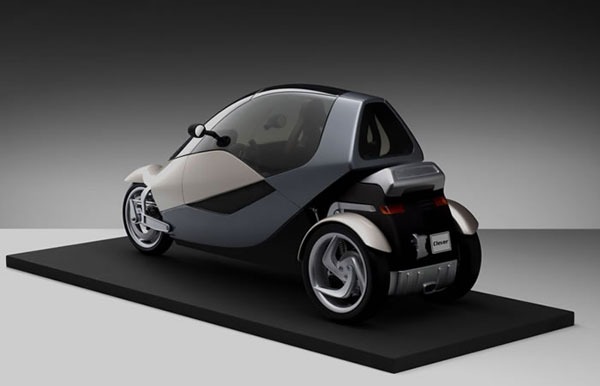
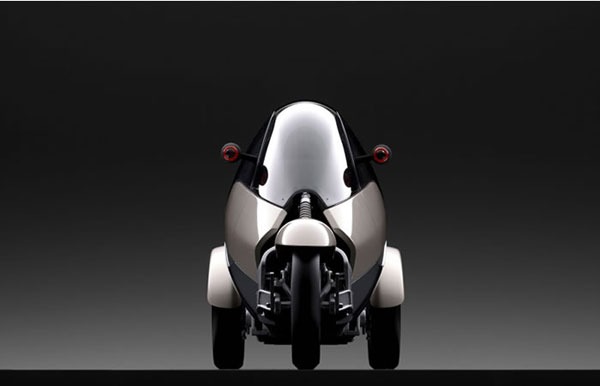
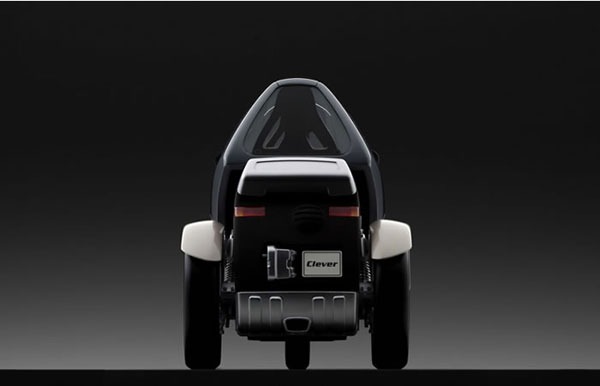
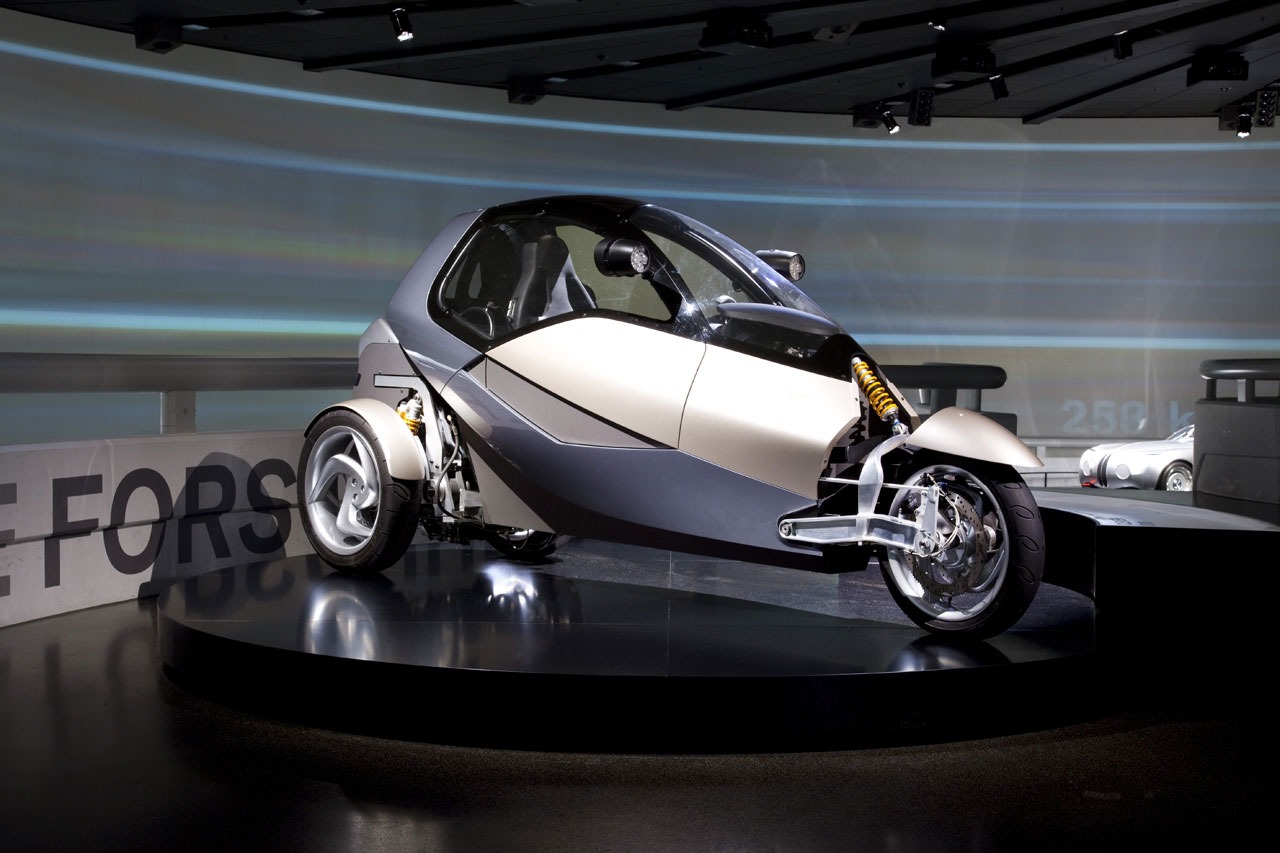
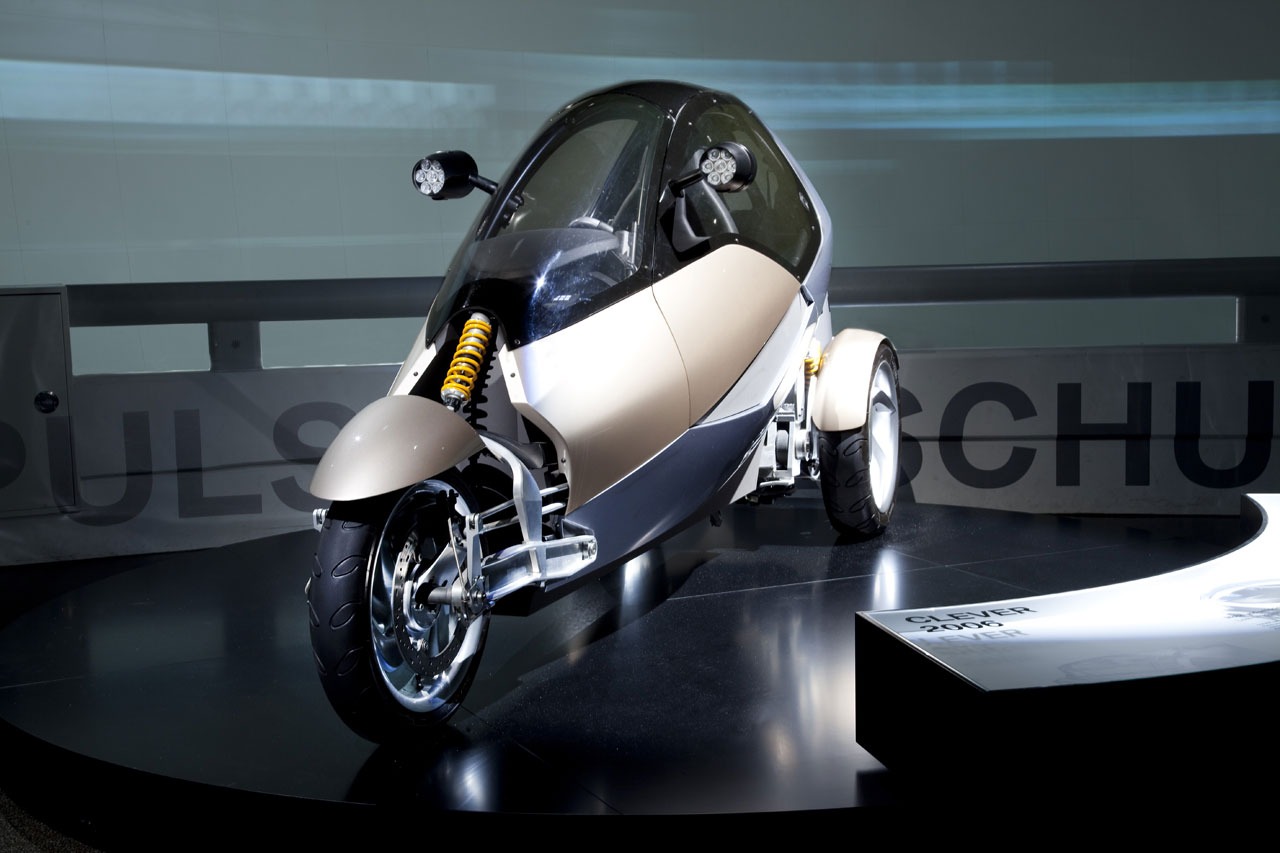
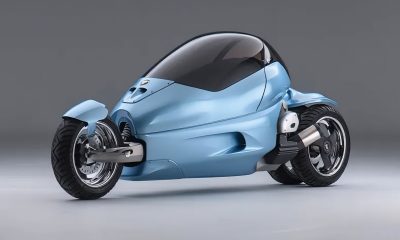
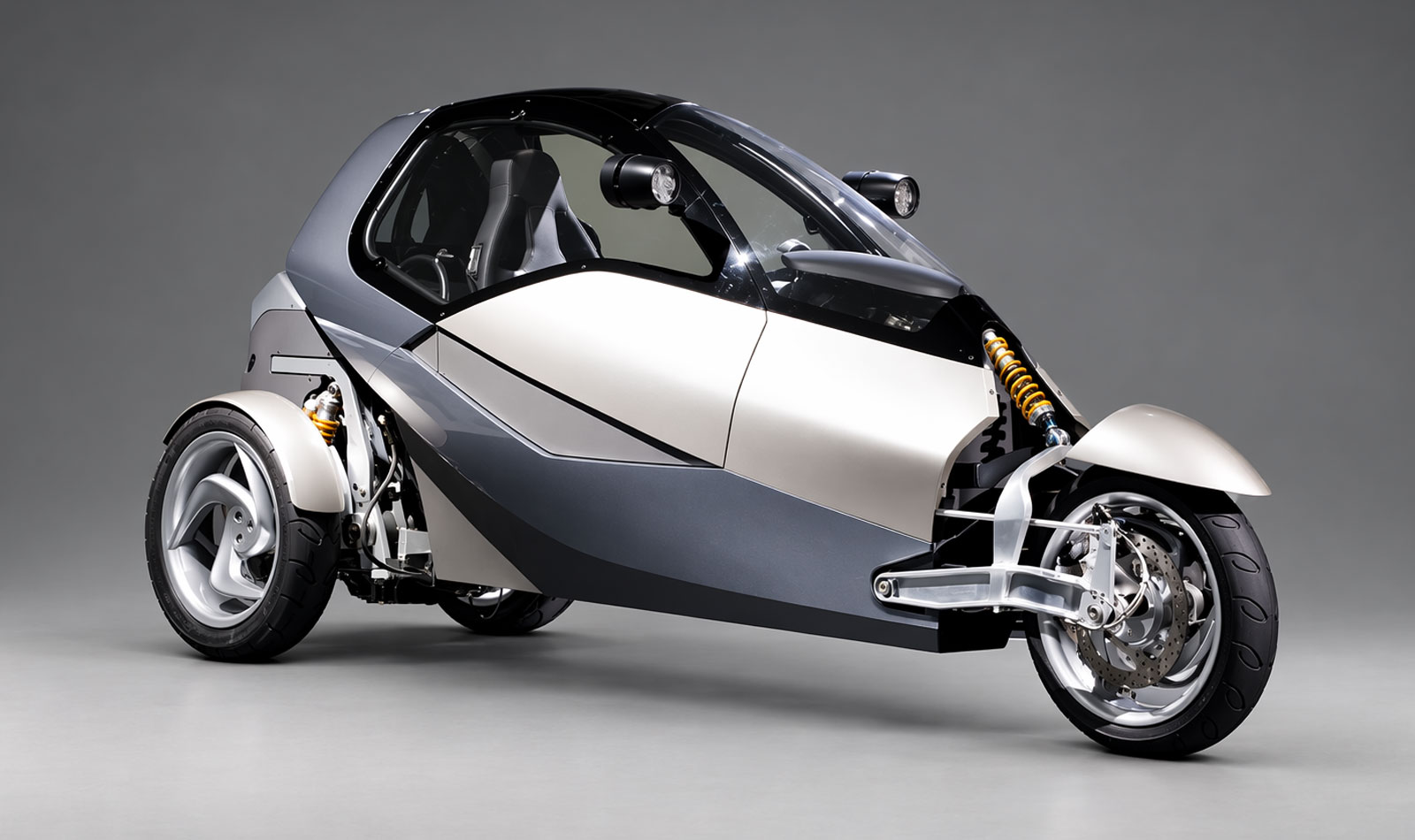
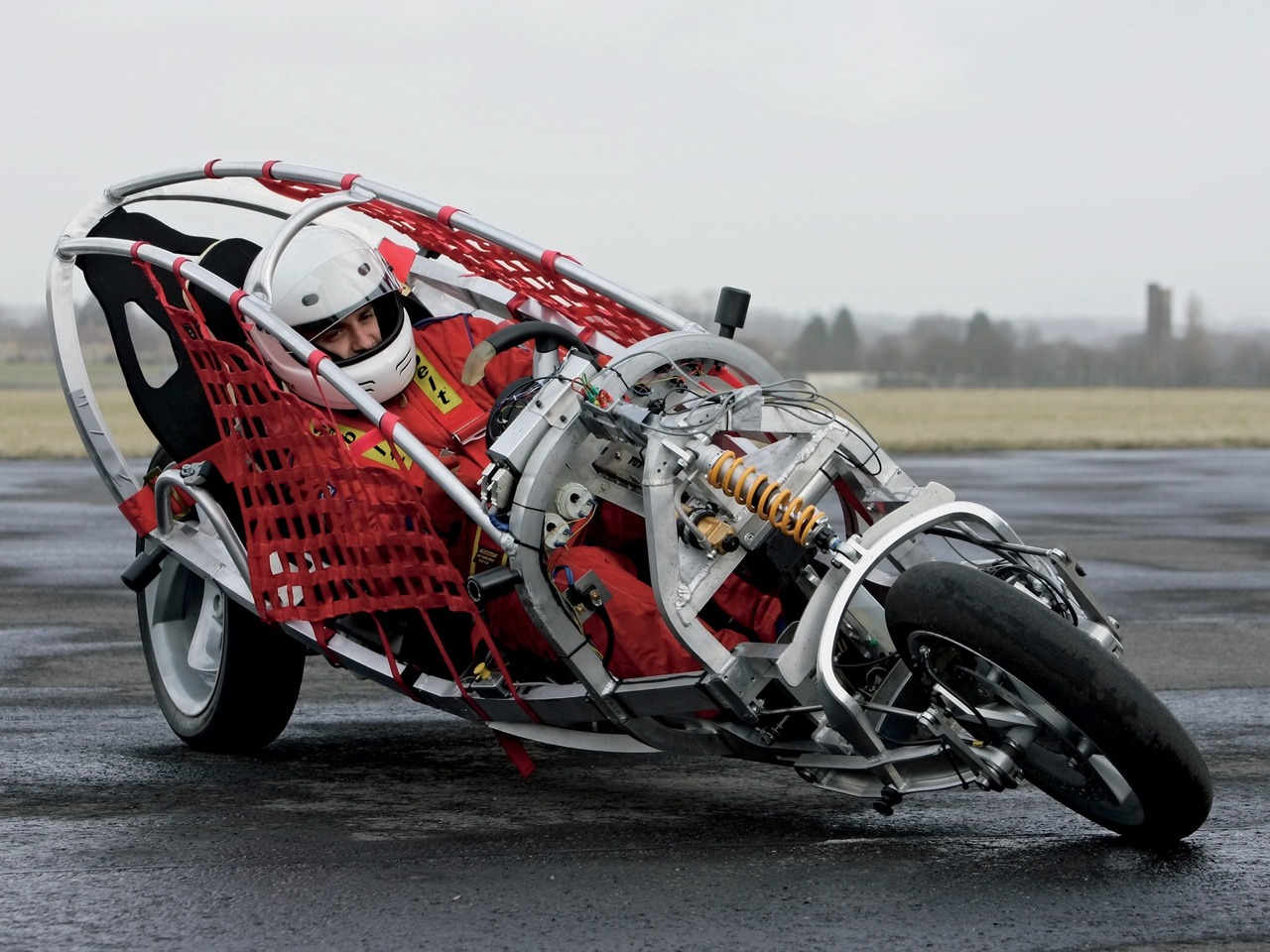
The Clever used a narrow three-wheel configuration with two wheels at the front and a single driven wheel at the rear. Its most distinctive feature was a patented tilting system that allowed the entire cabin and front axle to lean into corners like a motorcycle. This gave the vehicle greater stability and reduced the rollover risk associated with narrow three-wheelers.
Measuring just over 3 meters long and around 1.1 meters wide, the Clever occupied considerably less road and parking space than a conventional car.
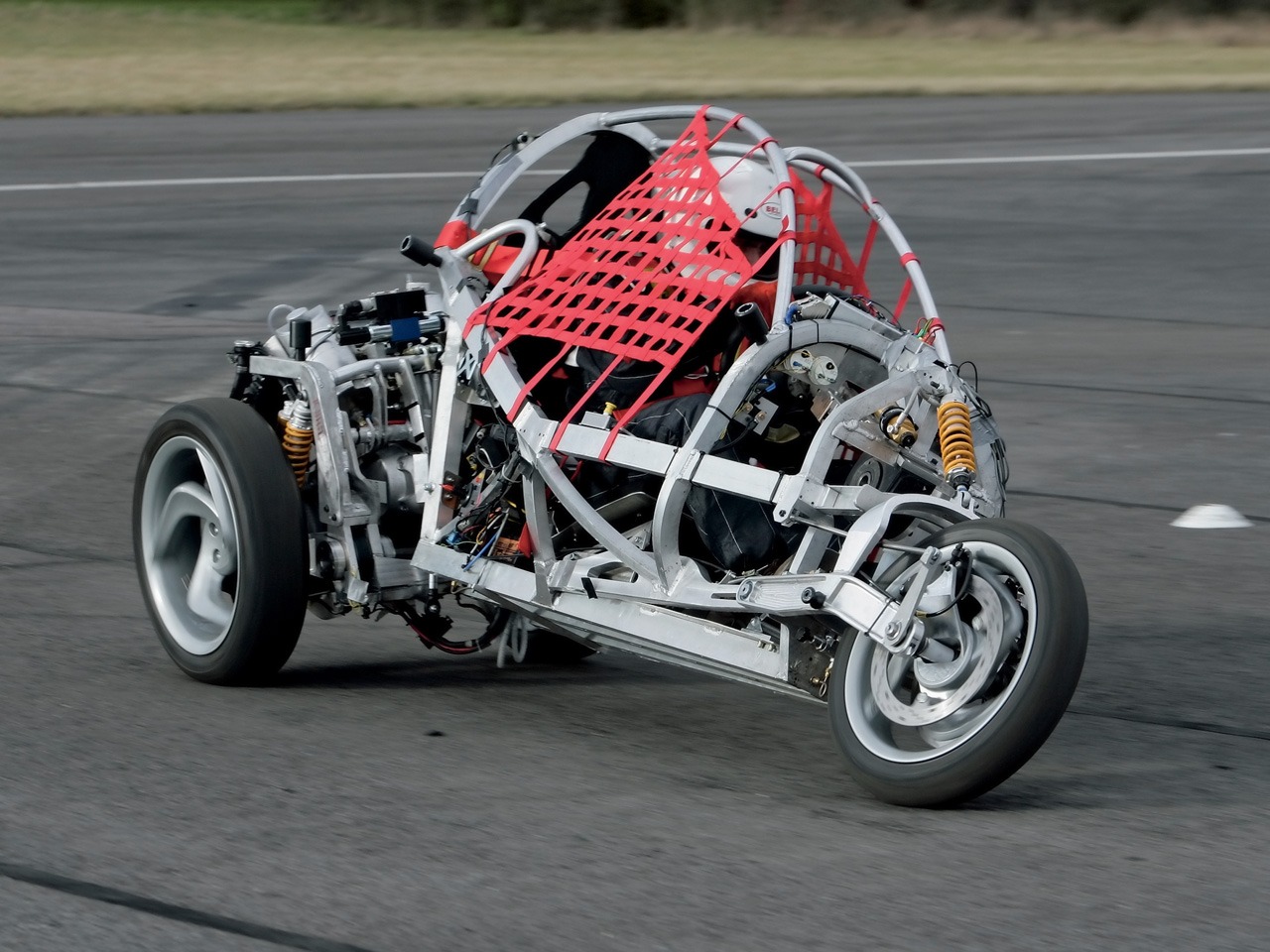
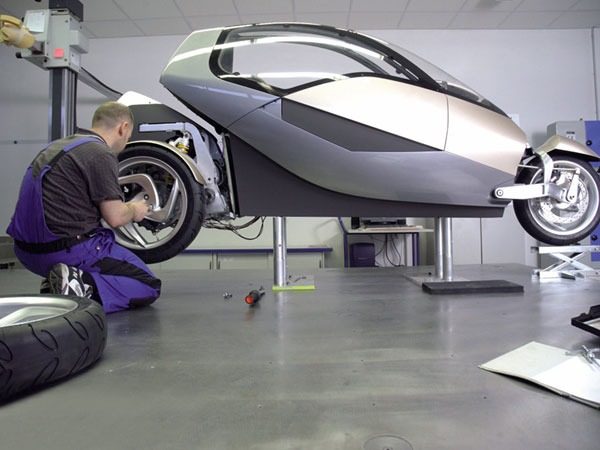
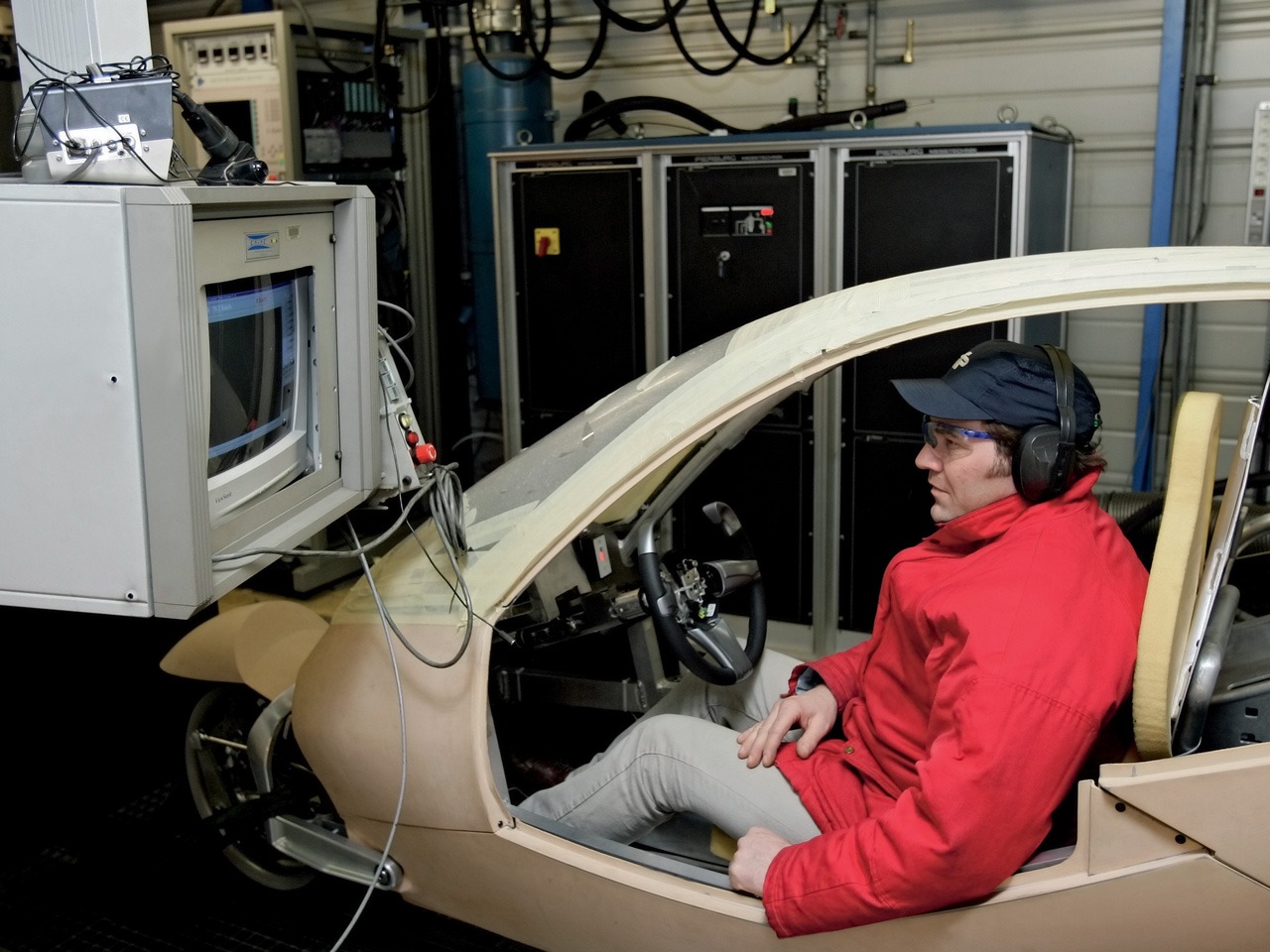
Power came from a tiny single-cylinder engine developed by BMW’s motorcycle division. Designed to run primarily on compressed natural gas (CNG), with gasoline as a backup, the engine produced around 20 hp. That was enough to move the lightweight vehicle, which weighed less than 500 kg, while keeping fuel consumption exceptionally low. Depending on conditions, BMW targeted consumption of roughly 3 liters per 100 km.
The CNG powertrain was also central to the Clever’s environmental goals. Its small engine and alternative fuel helped significantly reduce CO₂ emissions compared with conventional gasoline-powered cars of the period, making the prototype an early attempt to address urban air pollution through a combination of low weight, small dimensions, and alternative fuels.
The hydraulic tilting mechanism was one of the project’s most sophisticated elements. It allowed the front section of the vehicle to lean into corners while the rear wheel followed the movement, combining the stability of a car with some of the dynamic characteristics of a motorcycle. Electronic controls helped manage the system and keep the vehicle stable and predictable, including at lower speeds.

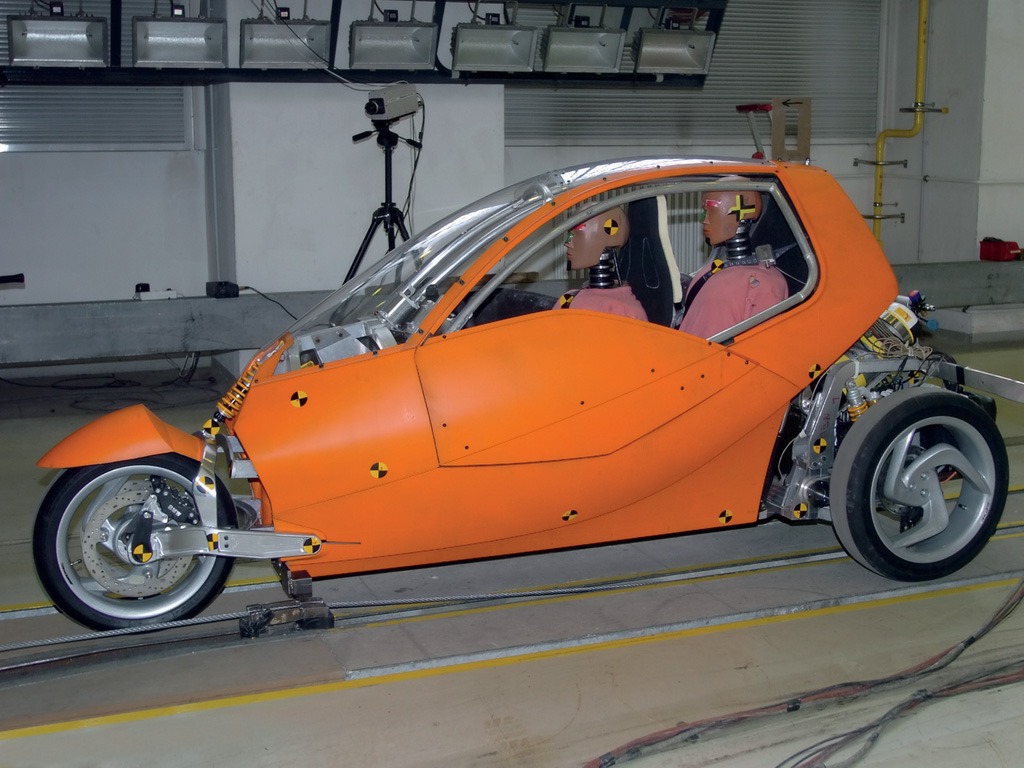
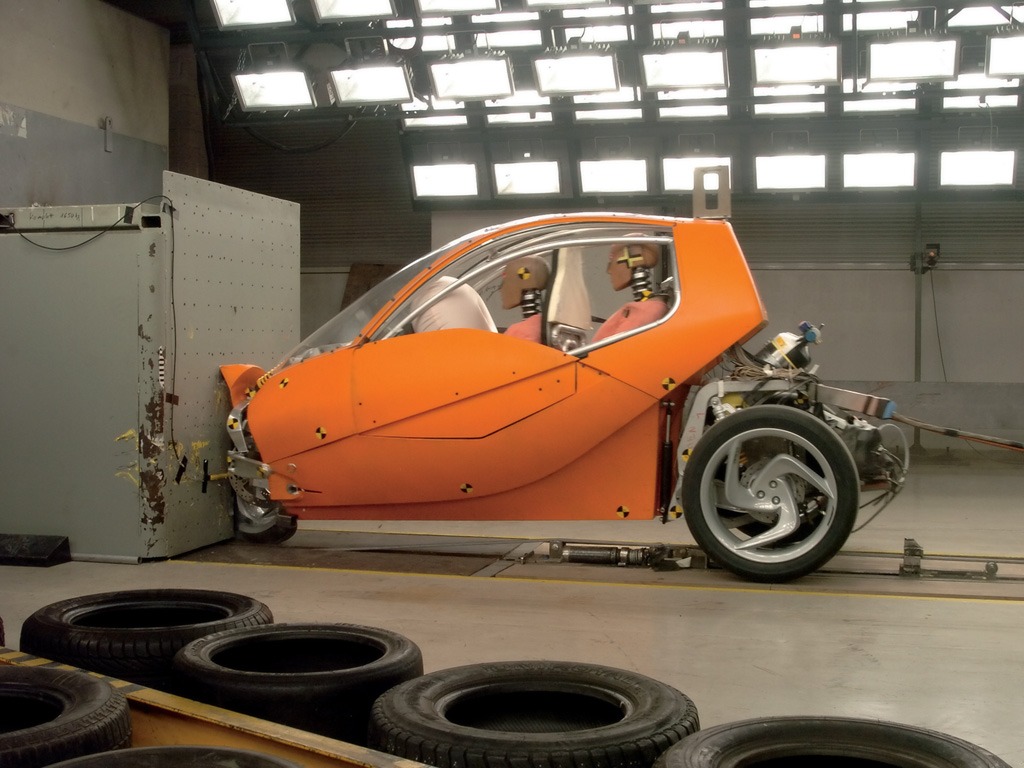
Inside, the Clever used tandem seating, with the passenger sitting directly behind the driver. This arrangement allowed BMW to keep the body exceptionally narrow while still accommodating two people. The enclosed cabin provided protection from the weather and offered greater security than an open three-wheeler or motorcycle.
Lightweight construction was another important part of the design. BMW used a tubular space frame with lightweight body panels, keeping the structure rigid while minimizing mass. The low weight was crucial to the Clever’s efficiency, reducing the amount of energy required to accelerate and maintain speed.
Performance was modest but adequate for its intended role. The prototype could reach approximately 100 km/h, making it capable of urban driving and short trips on faster roads. Speed, however, was never the point of the project. Clever was designed primarily around efficiency, low emissions, compact dimensions, and ease of use in congested cities.
The BMW Clever never entered production and remained an experimental research vehicle. Nevertheless, it demonstrated how dramatically a conventional car could be rethought when efficiency and urban practicality were placed above traditional automotive priorities.
Its combination of a tilting three-wheel layout, CNG powertrain, tandem seating, and ultra-light construction made it one of the more unusual urban mobility experiments of the 2000s.