Changan XingQing

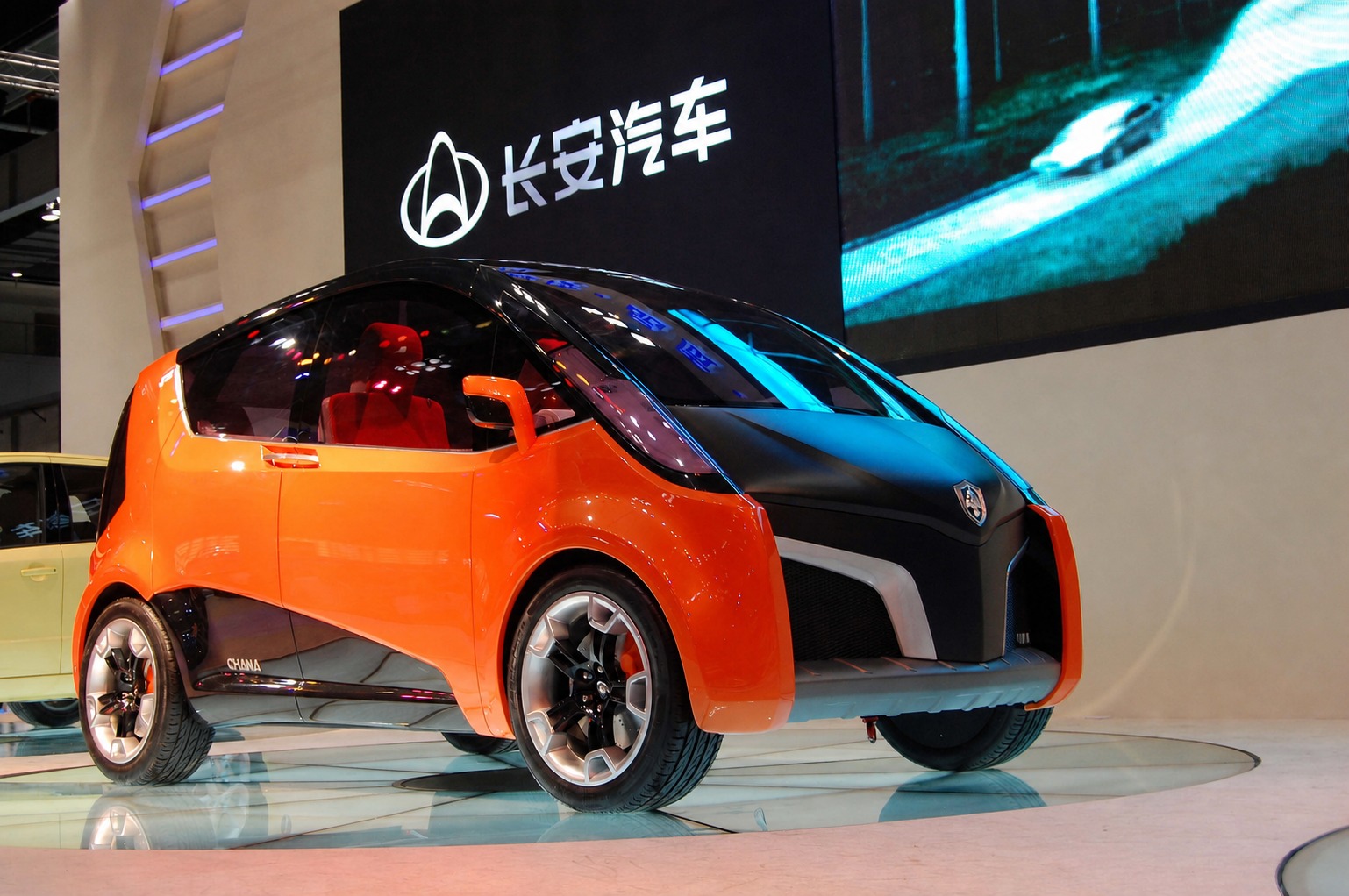
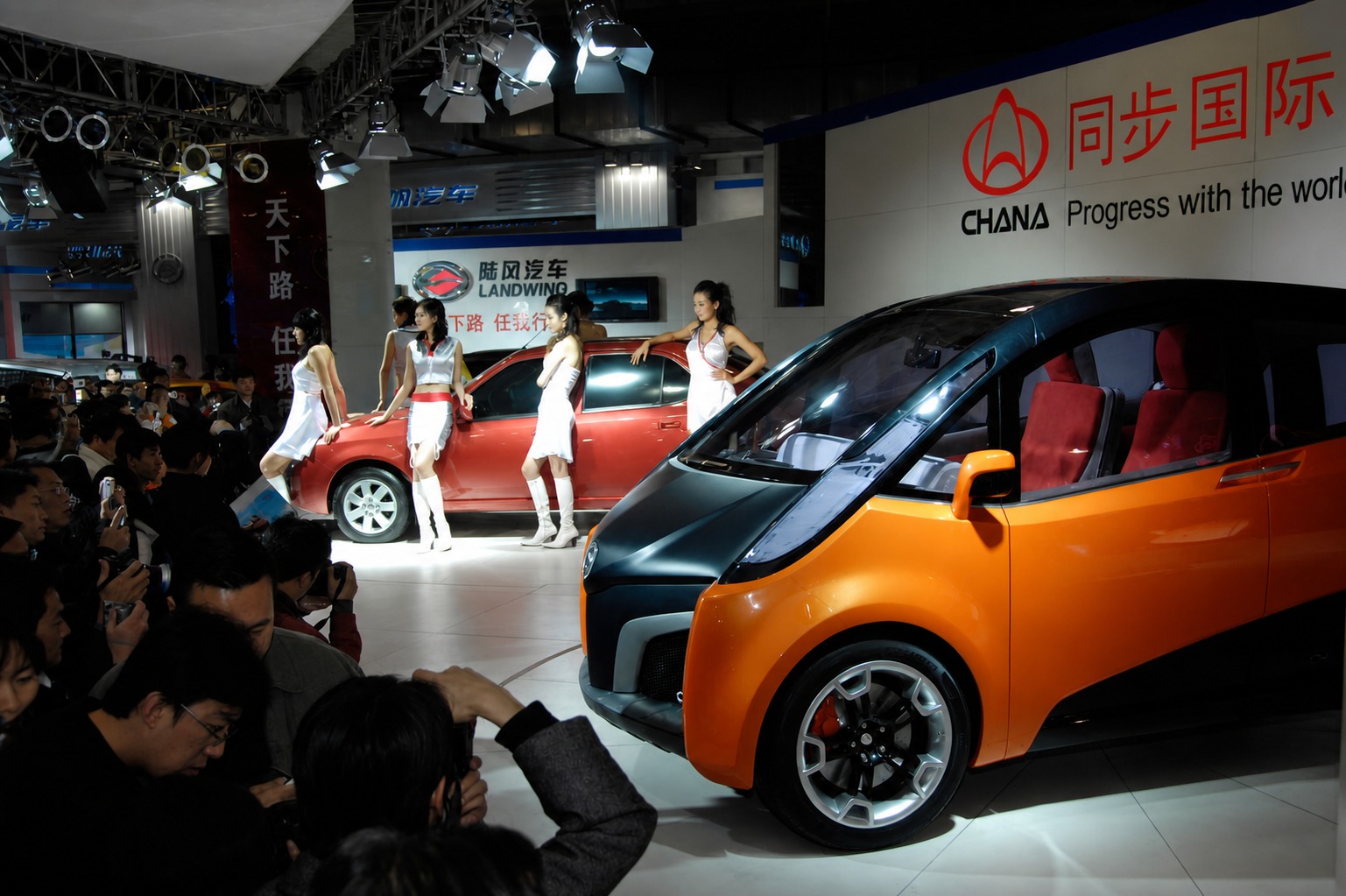
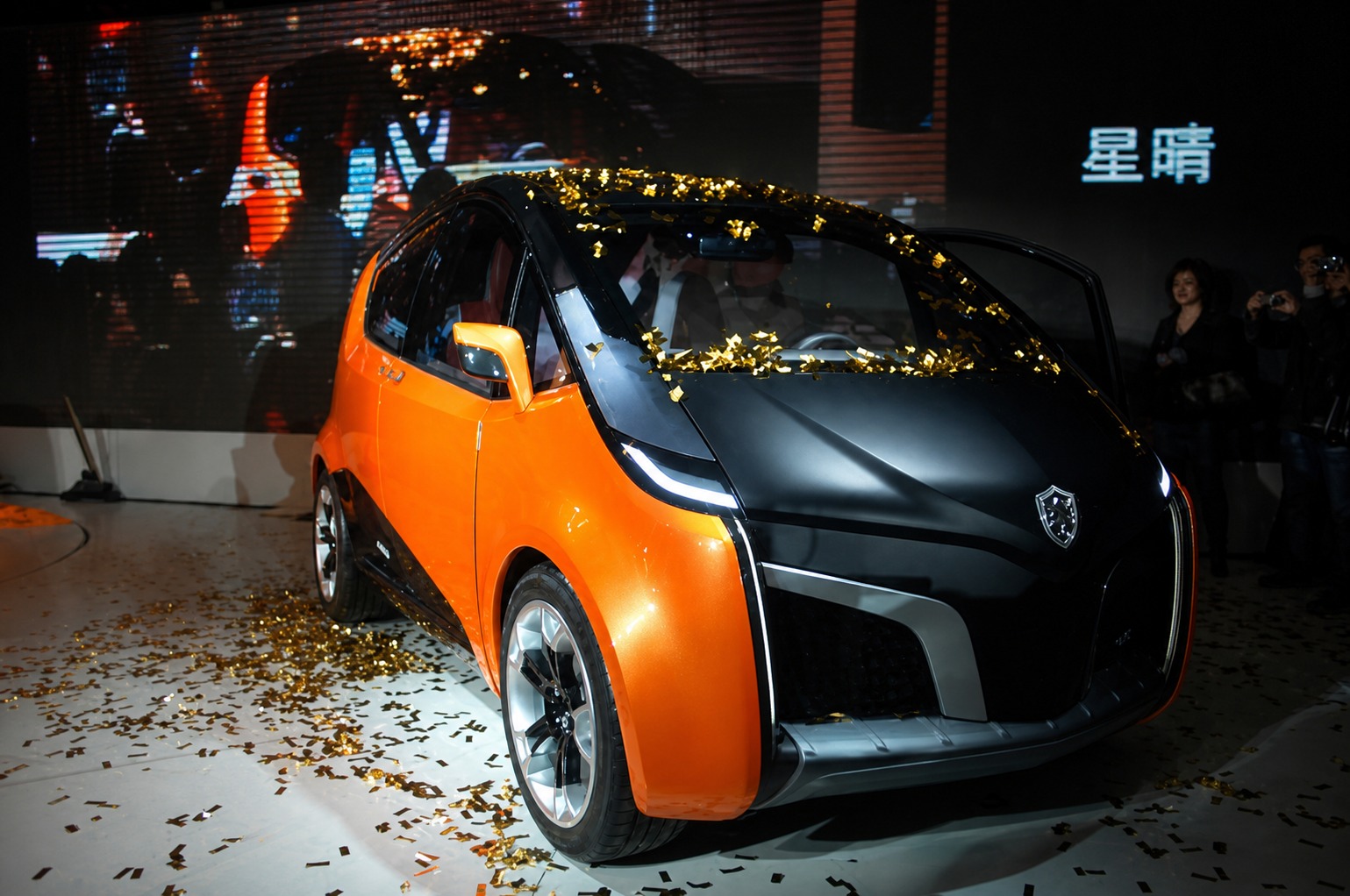
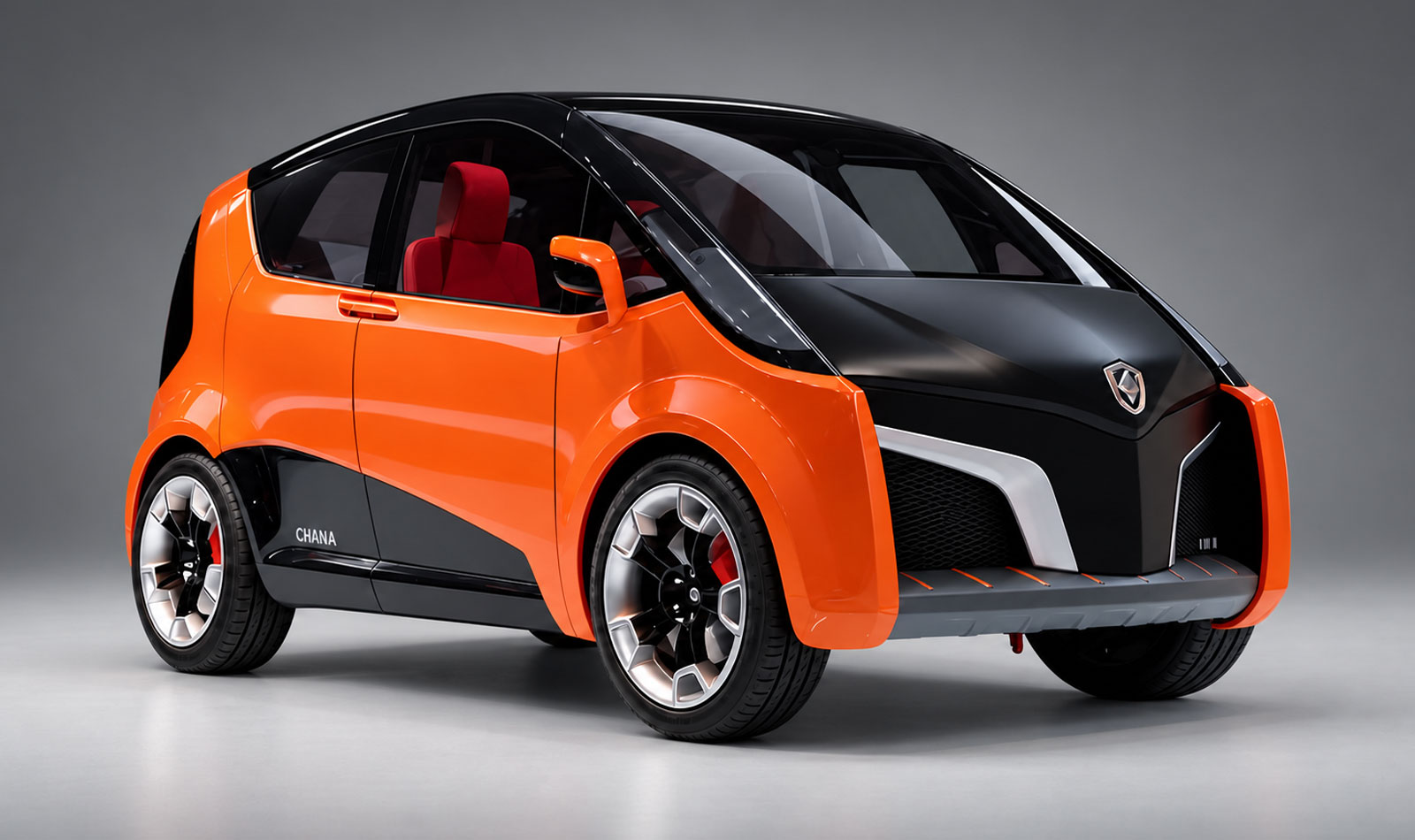
The 2006 Changan XingQing Concept, whose name translates as “Clear Sky,” was a compact urban design study unveiled by Changan Automobile at the 2006 Beijing Auto Show.
Conceived as a lifestyle-focused city car, it was aimed at younger, active drivers and emphasized flexibility, efficient packaging, and unconventional solutions for crowded urban environments.
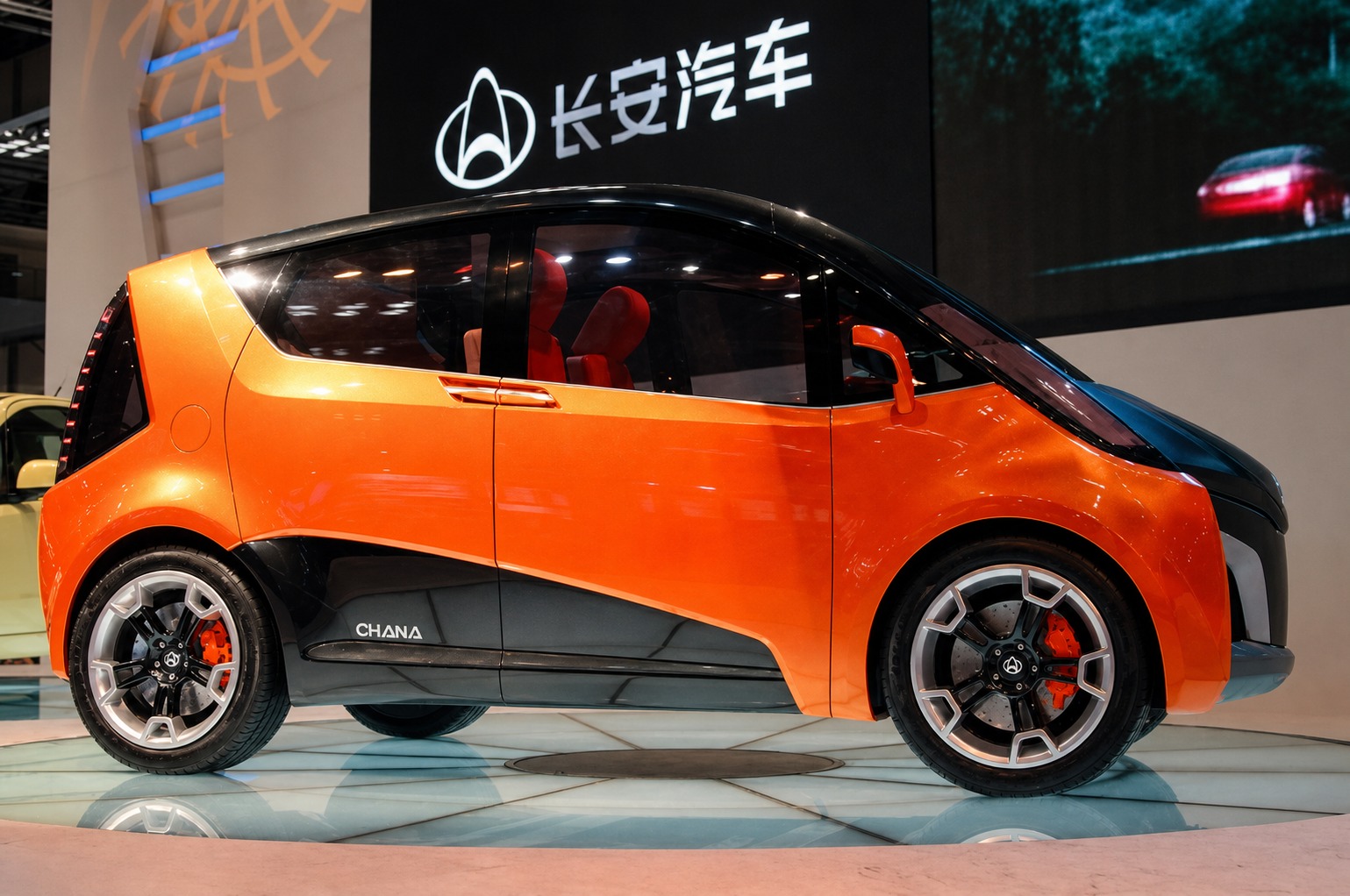
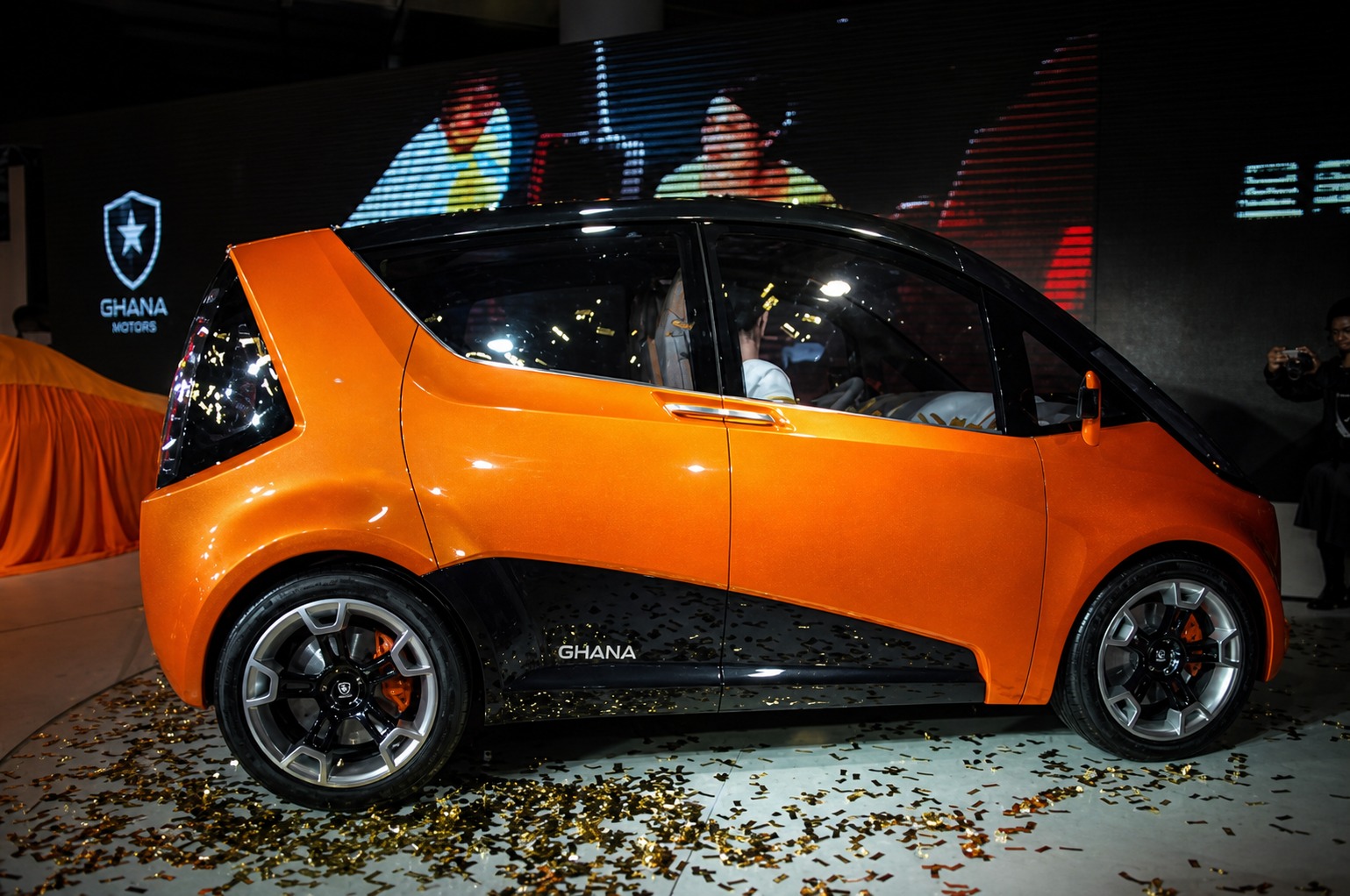
Although the concept measured only about 3.5 meters long, 1.65 meters wide, and 1.55 meters tall, Changan designed it to accommodate up to five occupants while still offering useful luggage space. For a small hatchback of the mid-2000s, that level of interior packaging was unusually ambitious. The cabin was intended to support a variety of activities, with enough versatility to carry larger items such as sporting equipment.
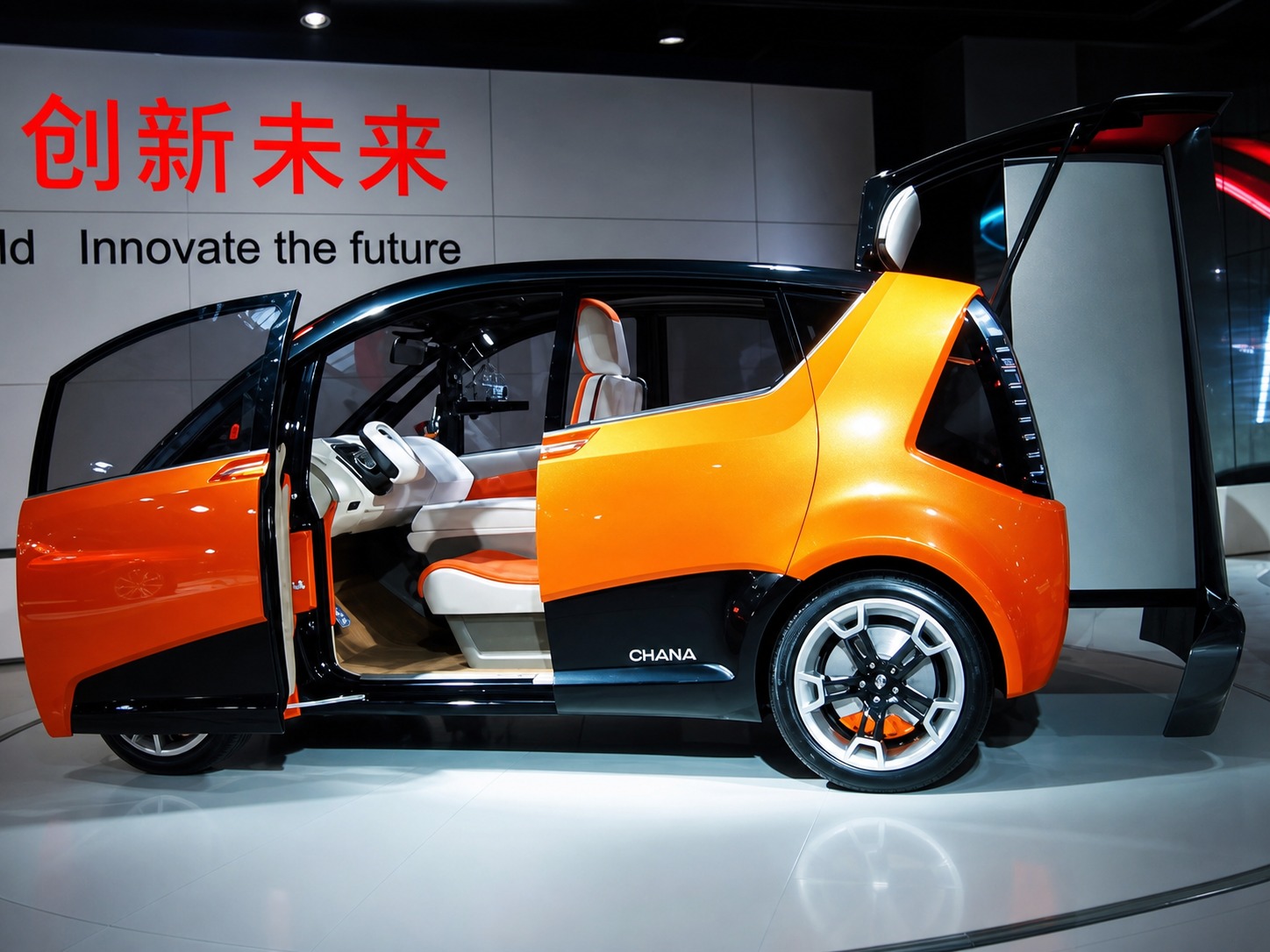
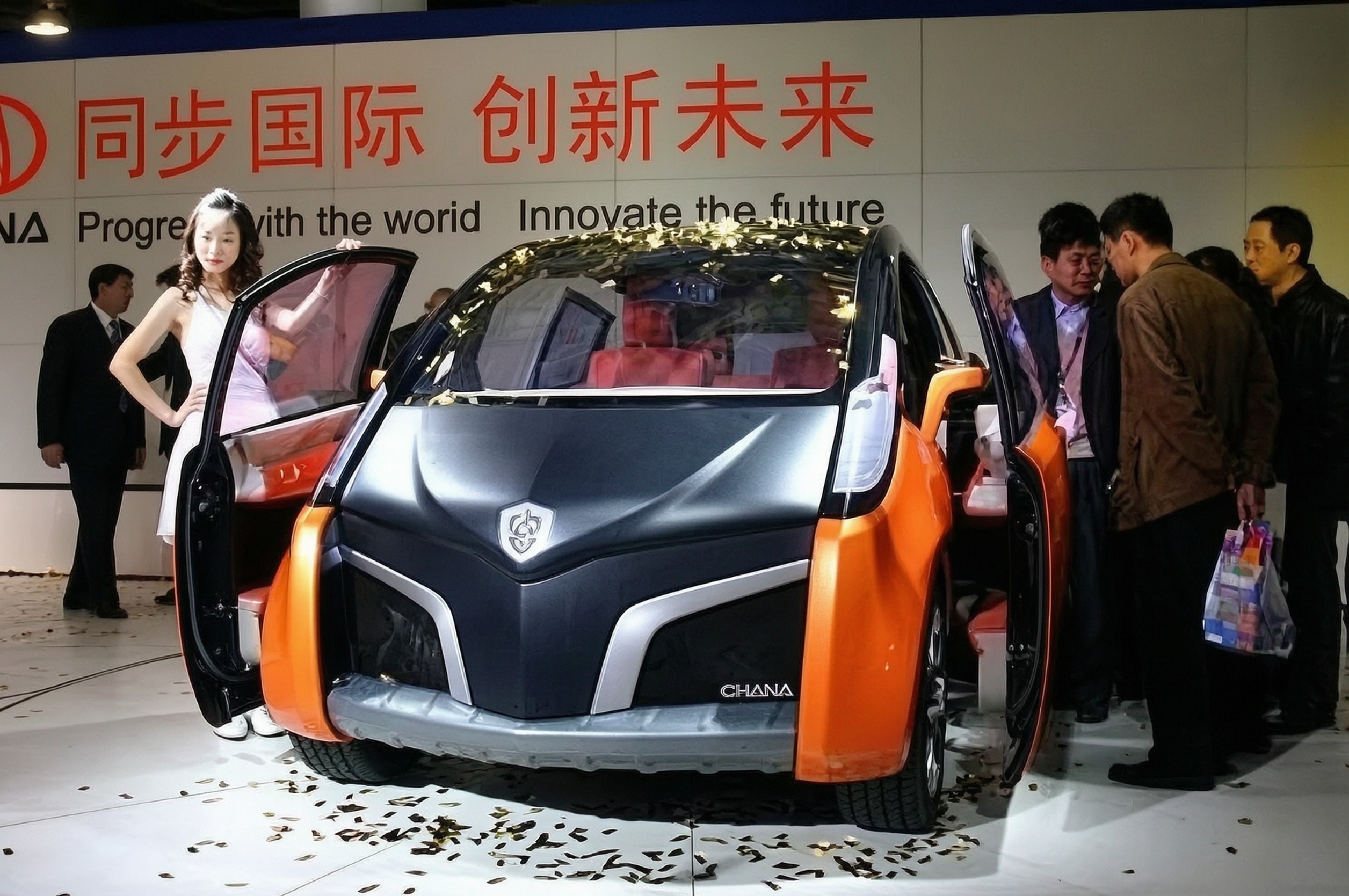
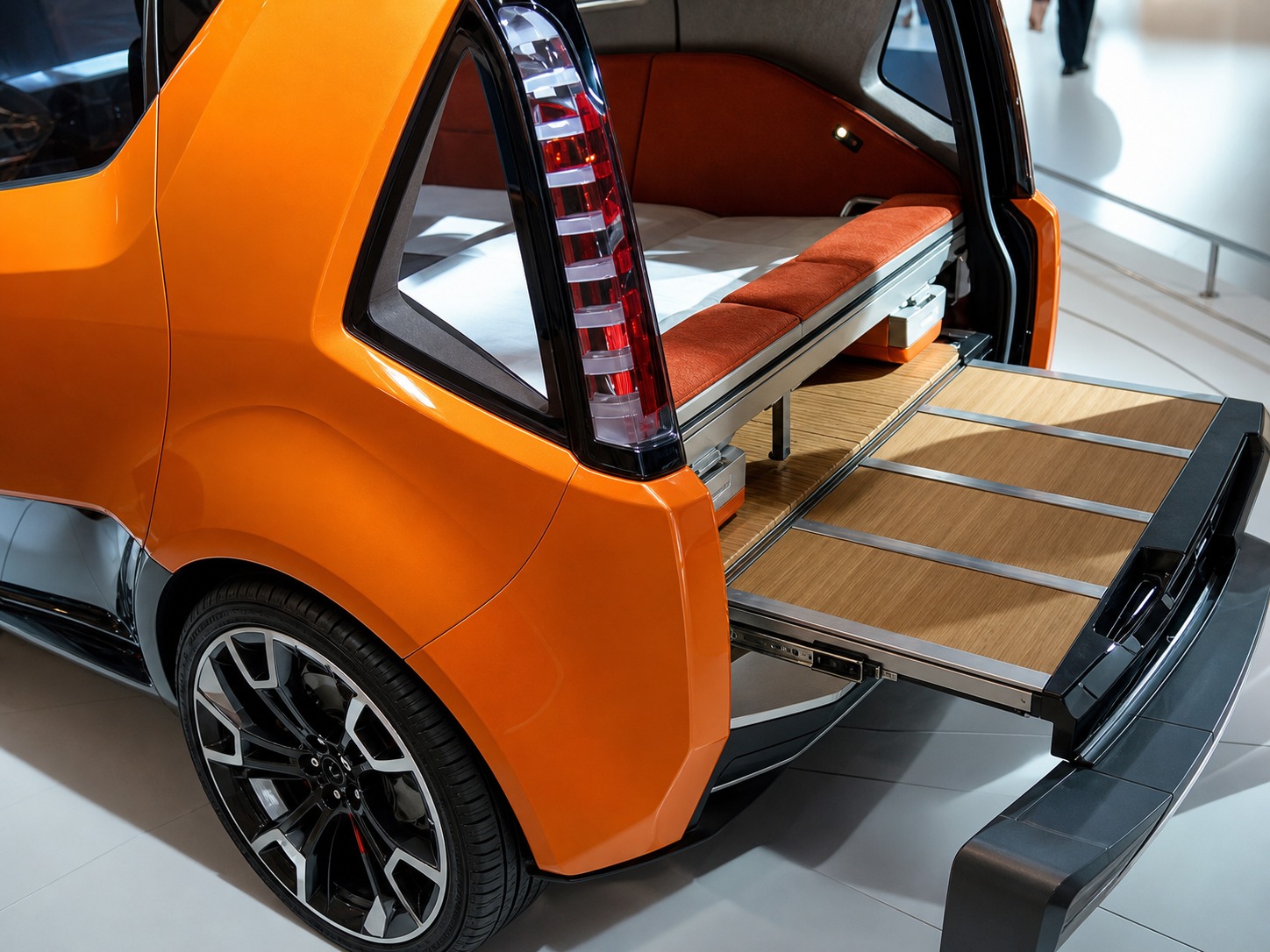
One of the XingQing’s most distinctive features was its access system. Instead of conventional hinged doors, the front doors slid forward, making it easier to enter and exit the vehicle in narrow streets or tight parking spaces. The rear section incorporated an extendable loading platform that improved cargo access and added practicality without significantly increasing the vehicle’s external dimensions.

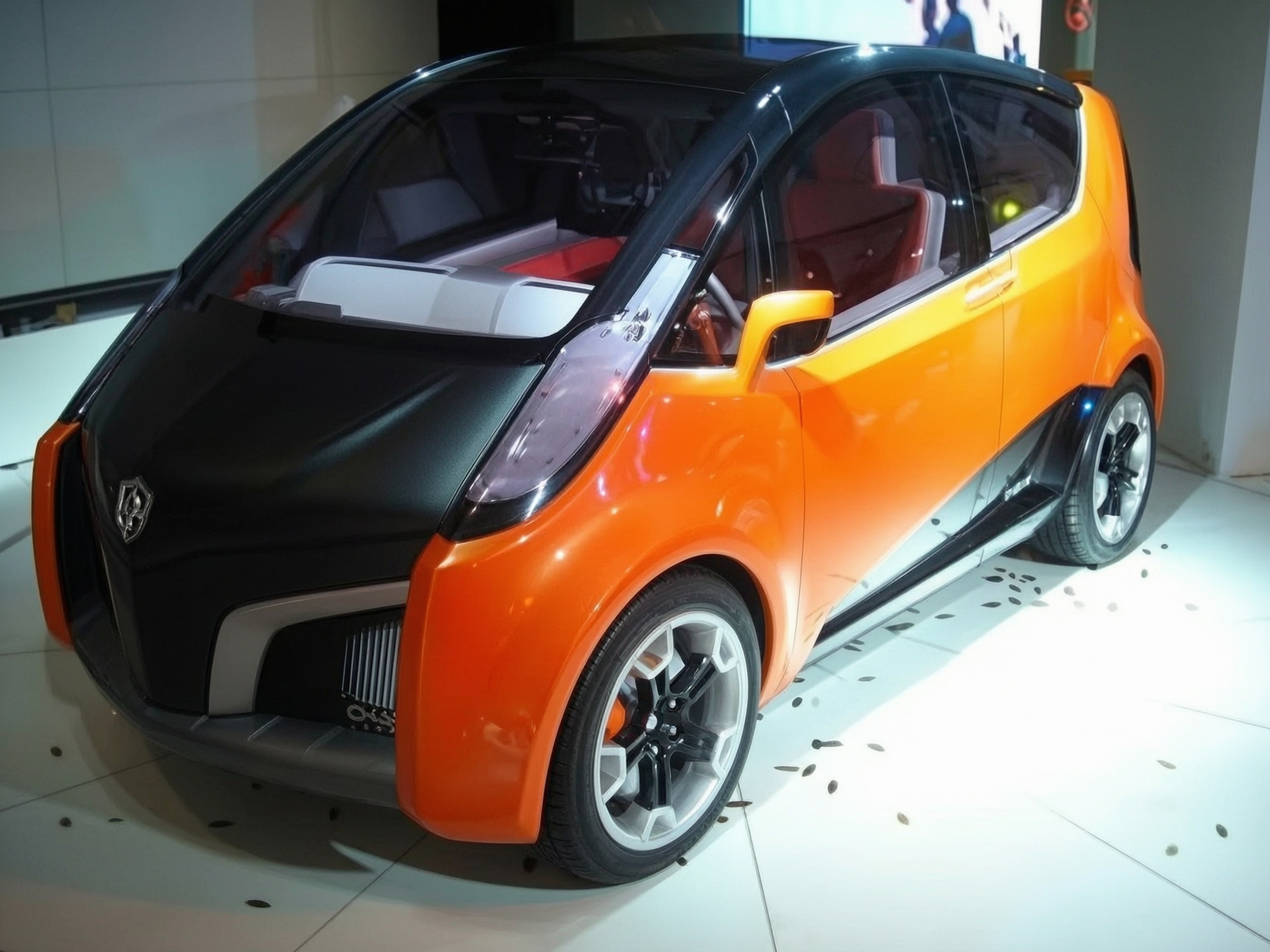
The exterior design used soft, modern surfacing and a friendly, approachable shape rather than aggressive styling cues. Large glass areas improved visibility and gave the cabin a brighter, more open atmosphere, an important consideration for everyday city driving.
Inside, the concept mixed traditional Chinese influences with futuristic design ideas. Bamboo floor mats provided a cultural touch, while the most eye-catching feature was an aircraft-inspired yoke-style steering control that replaced the usual circular steering wheel. The system was clearly experimental and served more as a statement about future driver interaction than as a production-ready solution.
Changan did not release detailed technical specifications such as the engine, transmission, or drivetrain configuration, but the XingQing was evidently conceived as an efficient urban mobility vehicle rather than a performance-oriented concept. Its priorities were practicality, space optimization, and user-focused innovation.
The XingQing never entered production, yet it represents an interesting early example of Chinese automakers exploring new ideas for urban transportation. Its emphasis on compact efficiency, flexible interiors, and alternative access solutions anticipated many of the themes that would later become common in modern city cars and electric urban mobility vehicles.