




Fiat 126p NP

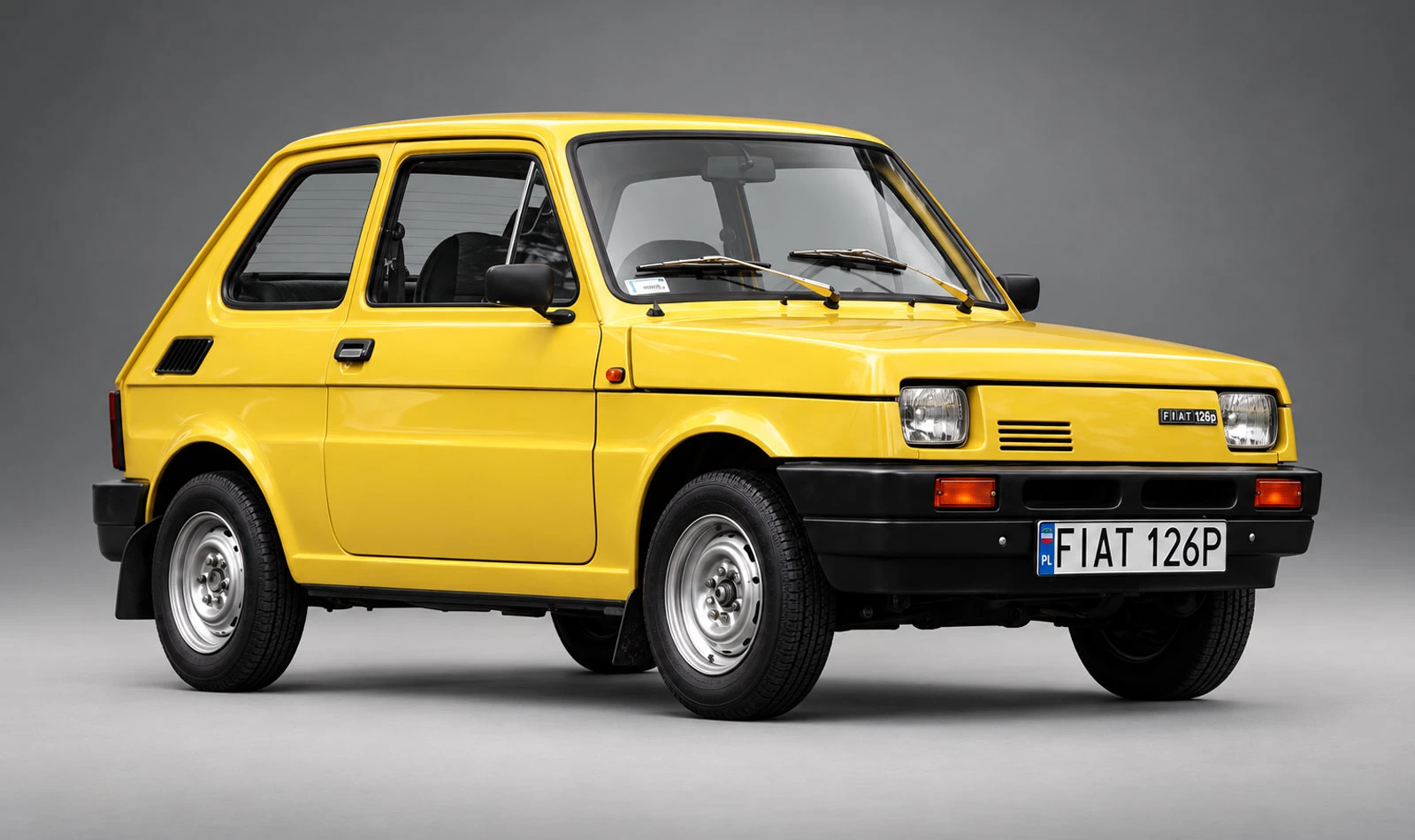
The Fiat 126p NP was an experimental Polish version of the Fiat 126 developed by the Research and Development Centre for Small Cars (OBRSM) in Bielsko-Biała, later known as BOSMAL.
The project explored whether the popular rear-engined Maluch could be improved by moving its engine to the front and switching to front-wheel drive. The abbreviation NP stood for Napęd Przedni, meaning front-wheel drive in Polish. Development work began in May 1977, and the first prototype was completed in December 1978.
The rear-mounted engine was considered one of the main limitations of the standard Fiat 126p, restricting its practicality and making it difficult to develop alternative body styles. Engineers therefore set out to create a more versatile version while reusing as many components from the production car as possible.
The new layout was intended to provide additional cabin space, a proper luggage compartment and improved driving characteristics, while keeping development costs under control and minimising the need for imported components.
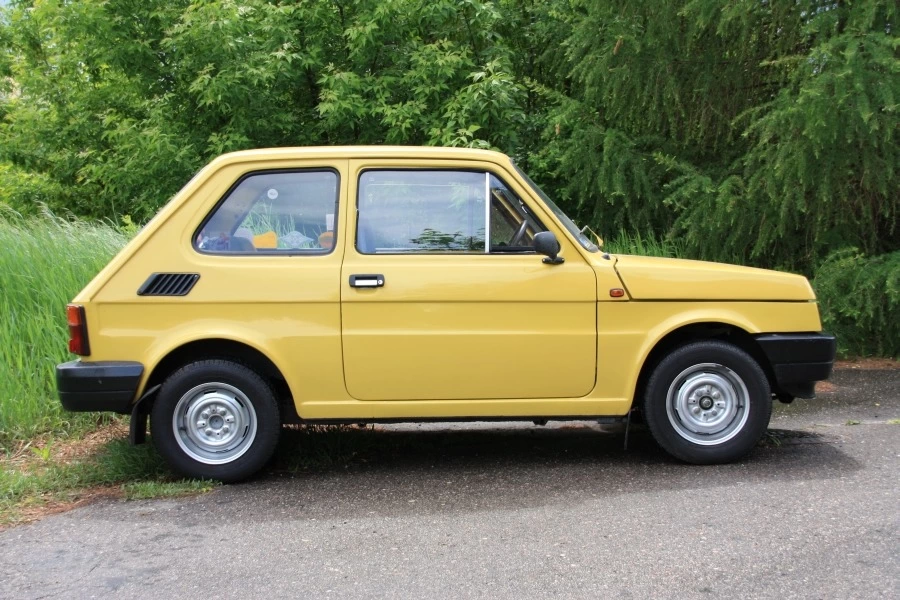
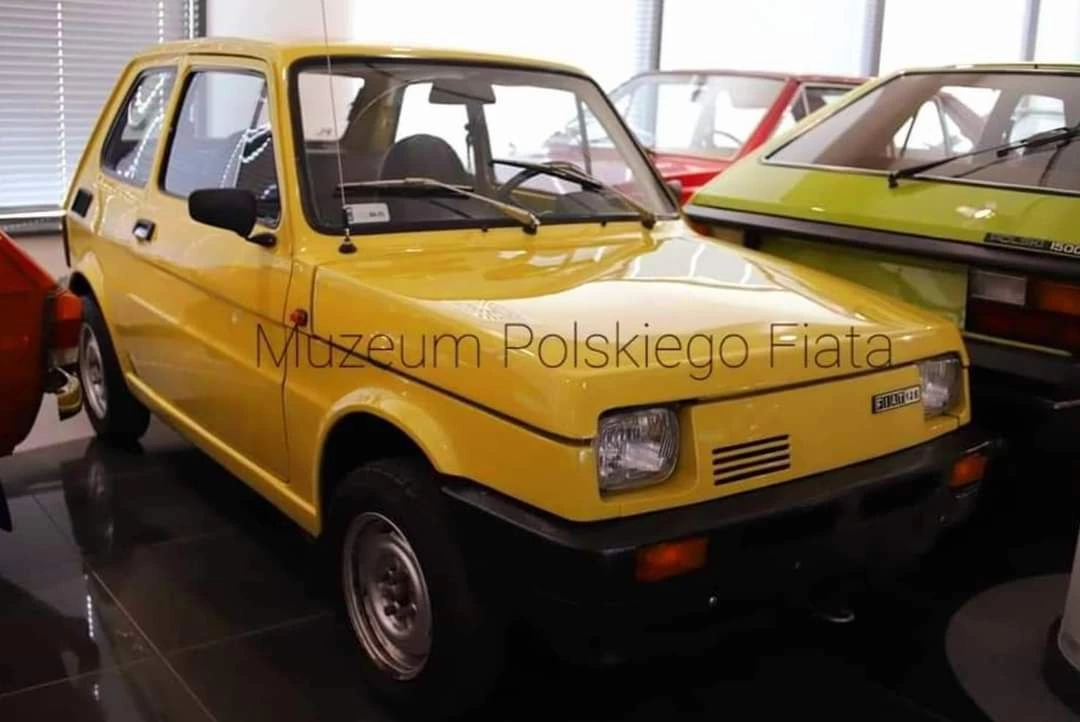
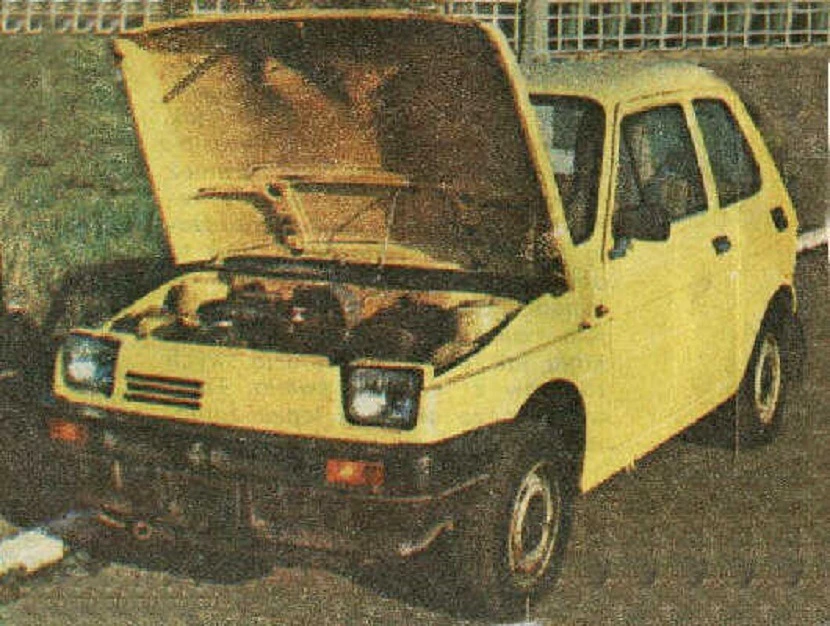
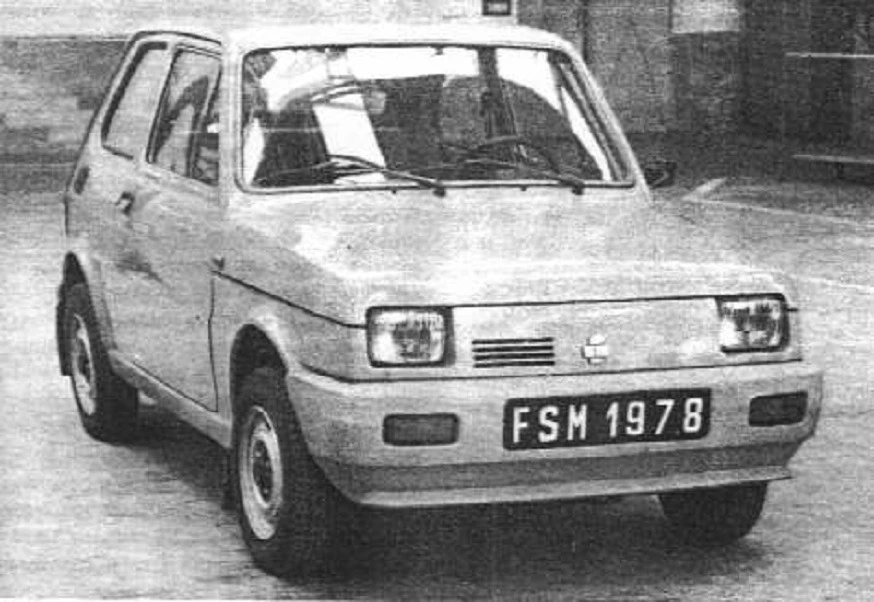
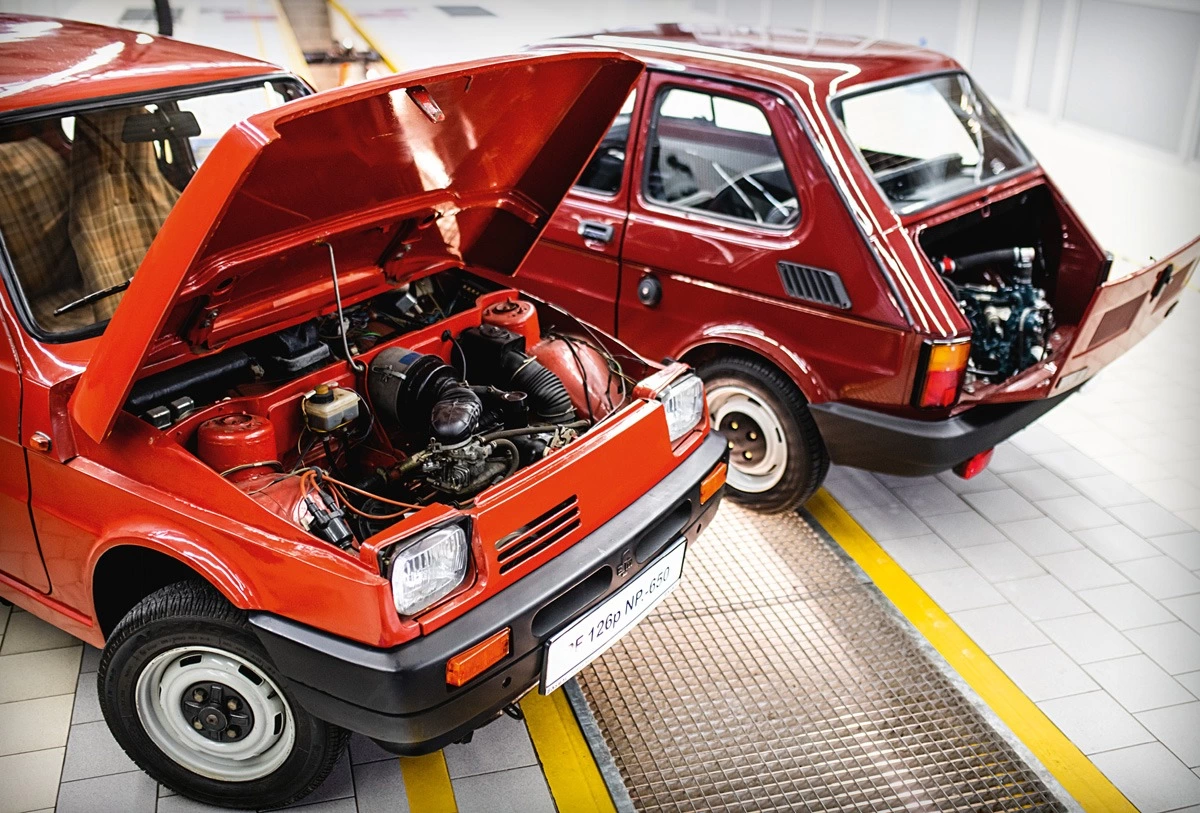
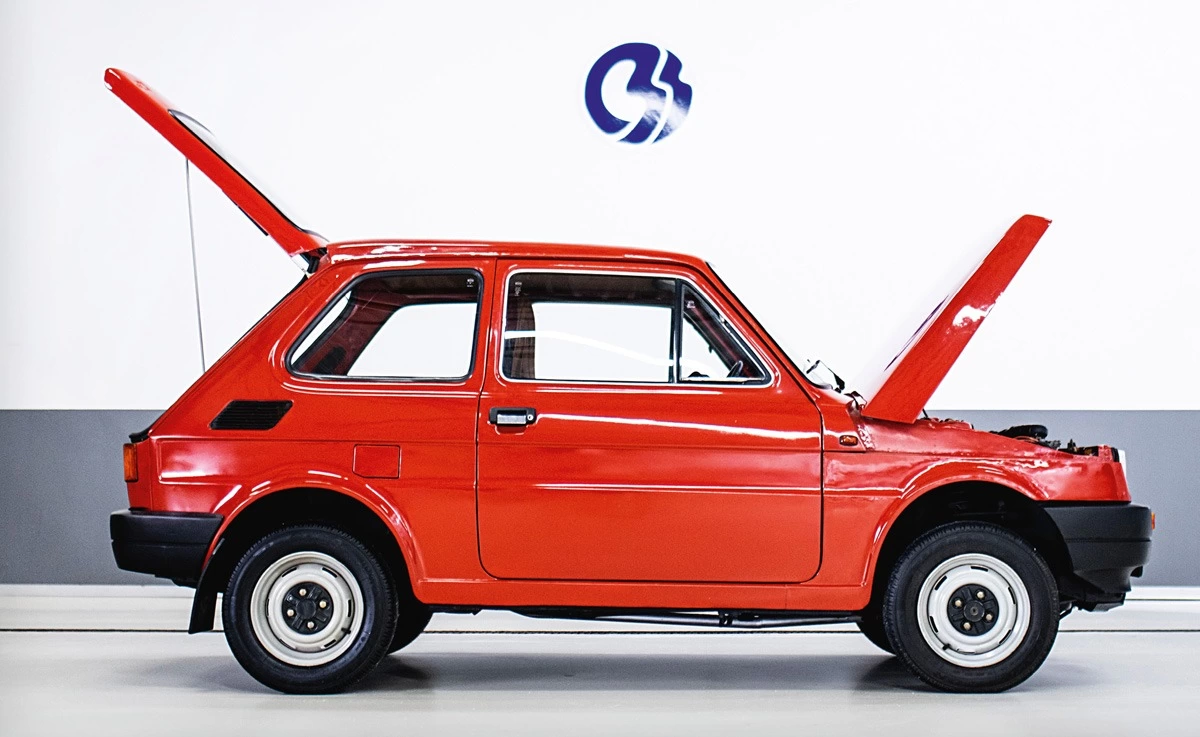
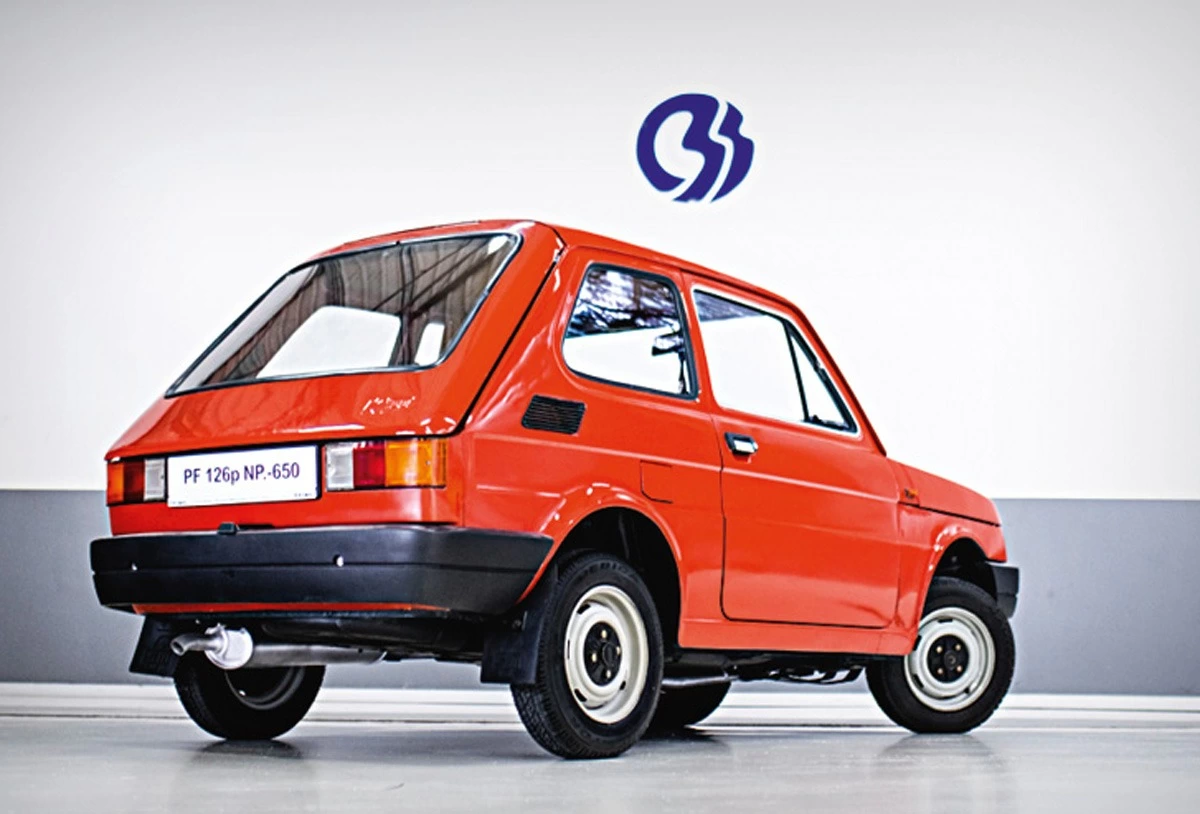
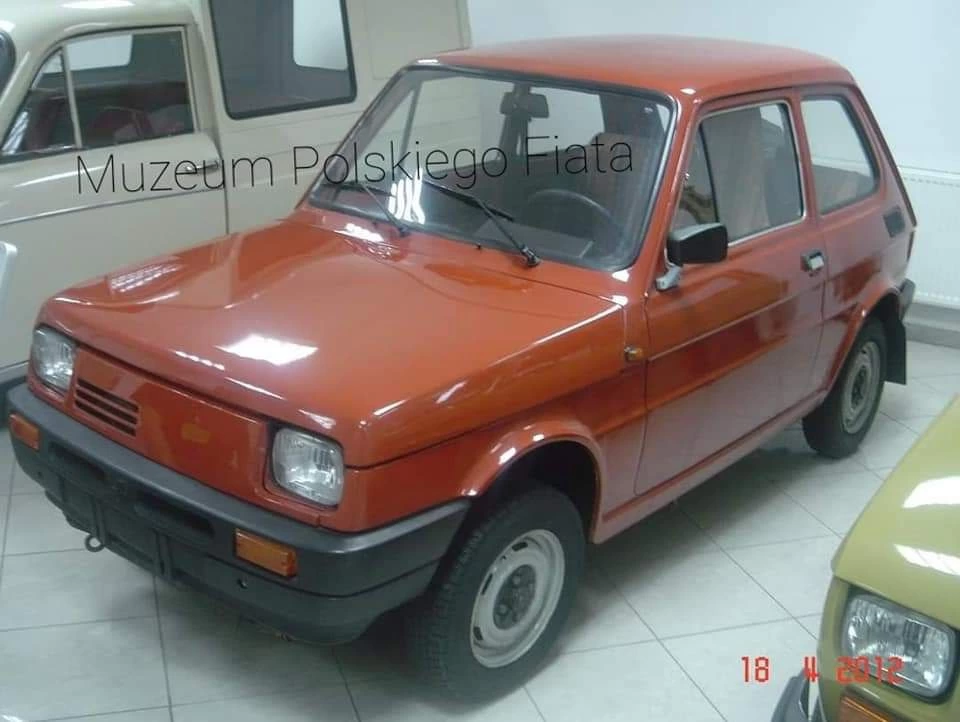
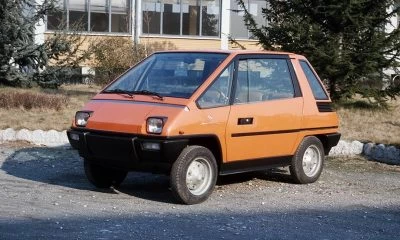
The exterior was developed in cooperation with the Academy of Fine Arts in Kraków, where designers worked on a revised body shape to accommodate the front-mounted powertrain. The most noticeable change was the extended front section, which gave the car its unofficial nickname, Ryjek, meaning “snout” in Polish.
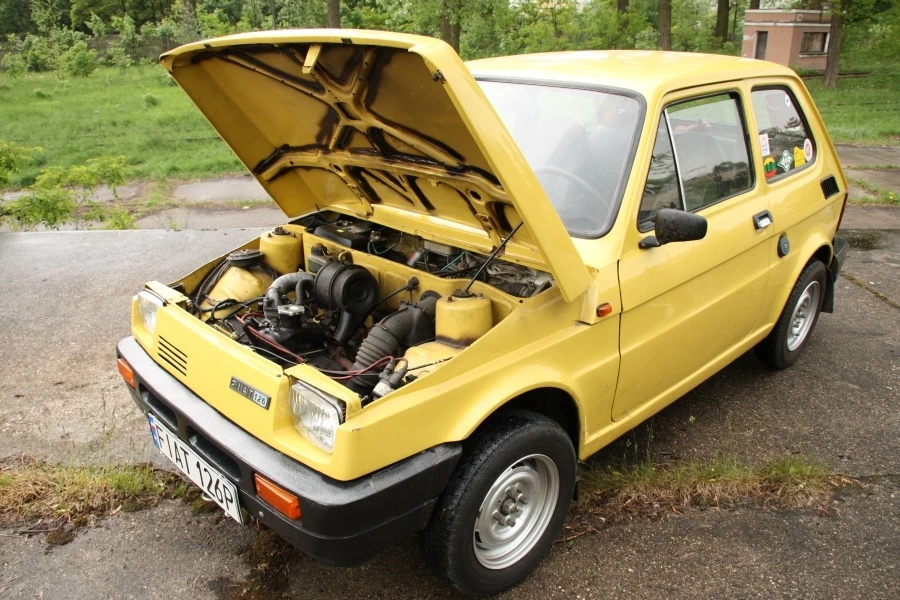
The wheelbase was increased by 120 mm to 1,960 mm, creating more room for the front passengers. Published overall length figures vary between 3,290 and 3,350 mm, depending on the source and version. The car measured 1,382 mm in width and 1,335 mm in height, while its kerb weight was approximately 630 kg, rising to around 650 kg for some three-door prototypes.
The engine remained the familiar air-cooled, 652 cc two-cylinder OHV unit from the production Fiat 126p, but it was rotated 180 degrees and installed longitudinally ahead of the front axle. Its output was increased to approximately 26 hp at 4,800 rpm, while maximum torque reached 45.1 Nm at 3,500 rpm. The cooling system was also modified, with a new axial fan replacing the original arrangement. Its positioning required additional air intakes in the front section, which became one of the car’s distinctive styling features.
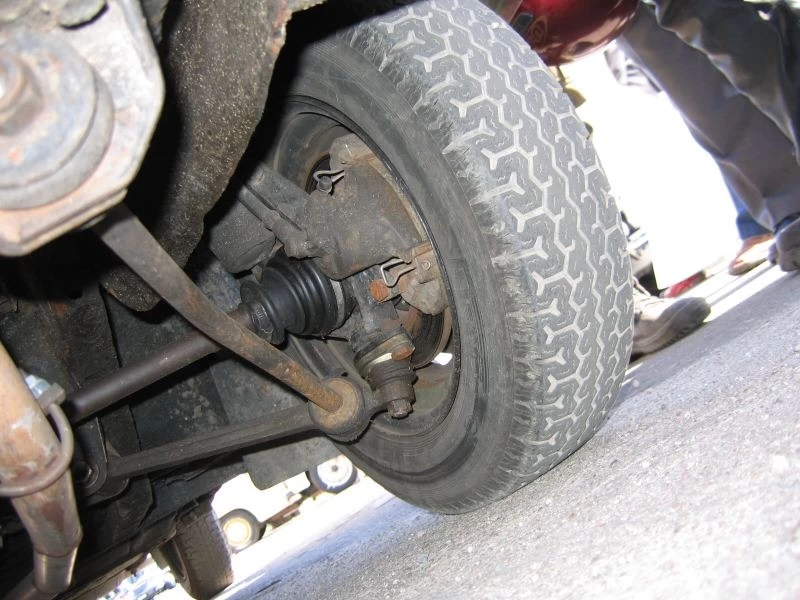
The four-speed manual gearbox was derived from the production Fiat 126p, but adapting it to front-wheel drive required a significant modification. The crown wheel of the final drive had to be moved to the opposite side of the pinion shaft to ensure the correct direction of rotation. The drive shafts were also redesigned and equipped with constant-velocity joints. Different prototypes experimented with alternative engine configurations and transmission ratios.
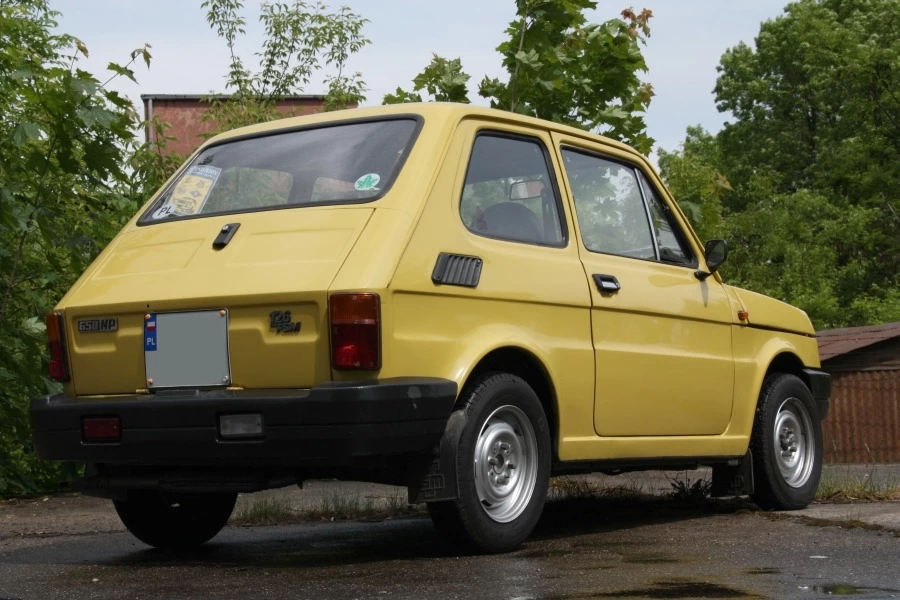
The relocation of the engine required a completely new front suspension. The original transverse leaf spring was replaced by MacPherson struts with coil springs and telescopic shock absorbers. Front disc brakes were introduced, reportedly borrowed from the Fiat 128, while the rear wheels retained drum brakes. The steering system was also redesigned, replacing the original worm-and-sector mechanism with a rack-and-pinion arrangement.
The rear suspension underwent several changes during development. The earliest prototype retained the basic arrangement of the production Fiat 126p, with modified spring and shock absorber characteristics to compensate for the reduced weight over the rear axle. Later versions experimented with different configurations, including angled trailing arms, coil springs and telescopic shock absorbers.
Moving the engine forward improved weight distribution and reduced the standard 126p’s tendency to bounce or “gallop” over uneven surfaces. However, the new layout also introduced some disadvantages. The front wheels had a relatively limited steering angle, resulting in a larger turning circle and making the car more difficult to manoeuvre. The altered weight distribution also changed its cornering behaviour, requiring further development of the chassis and suspension.
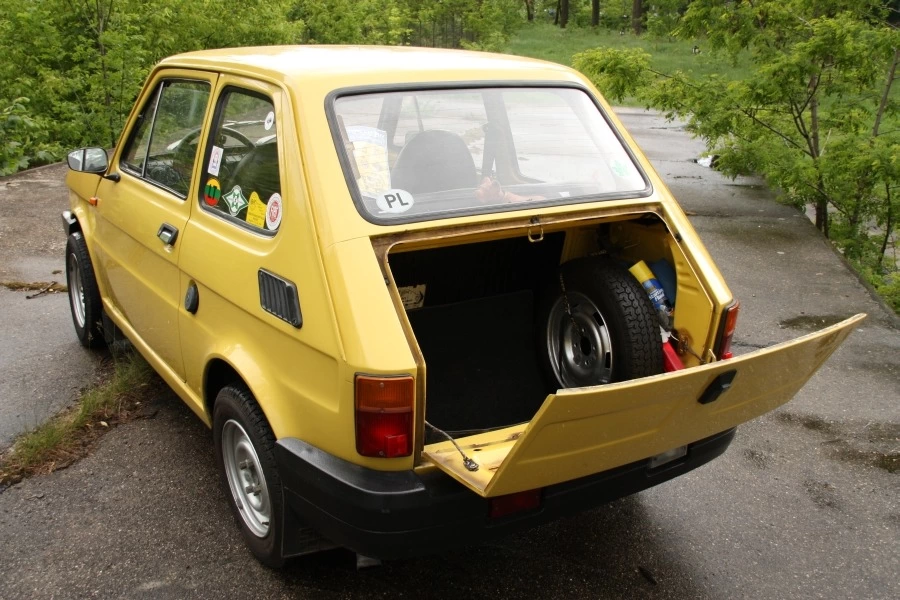
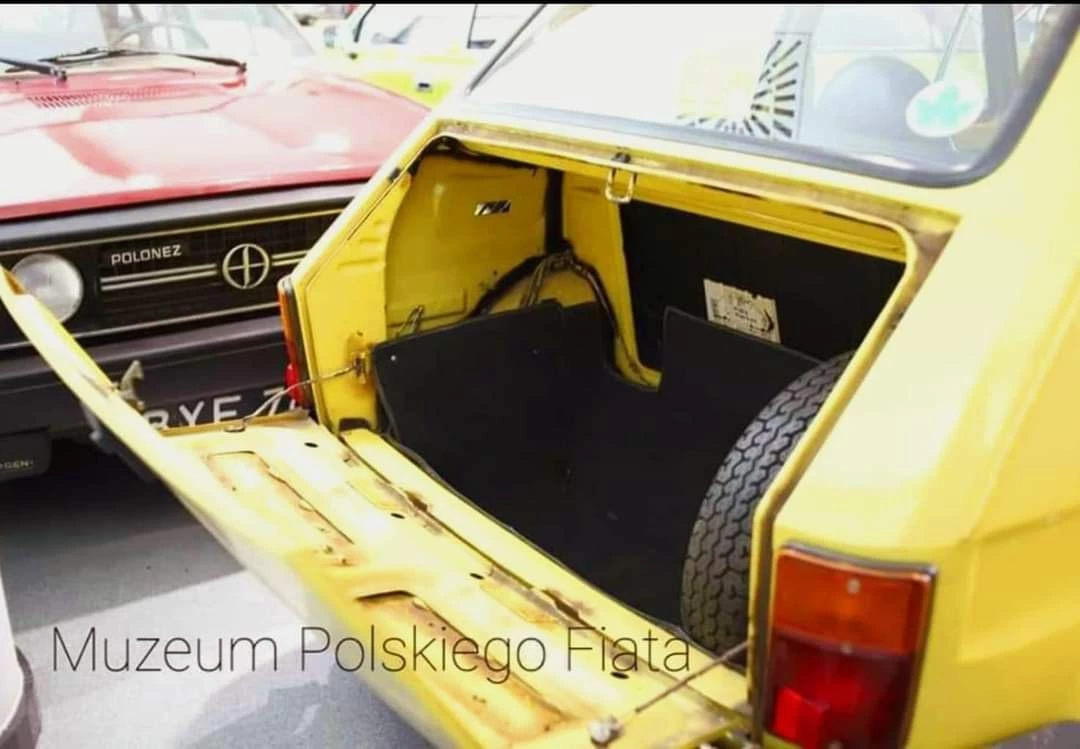
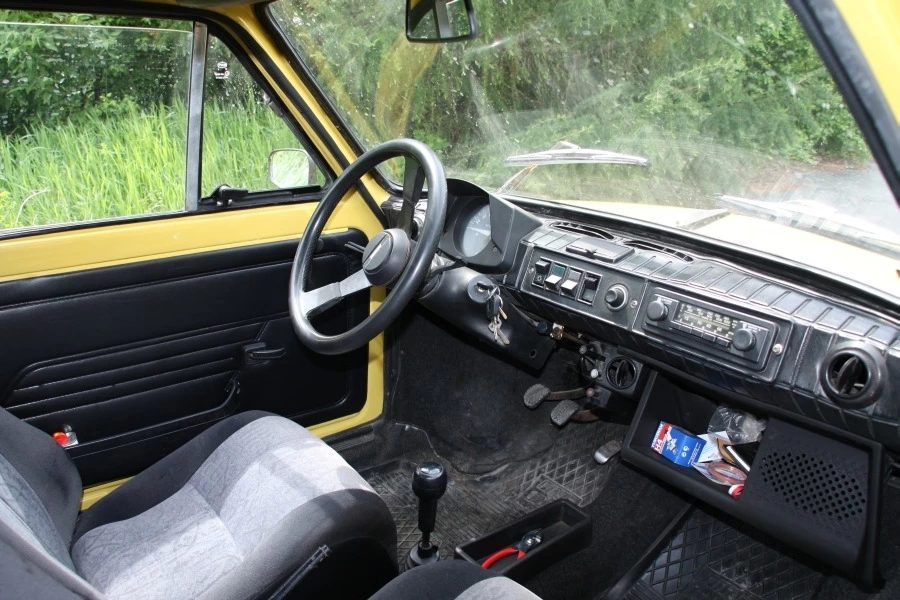
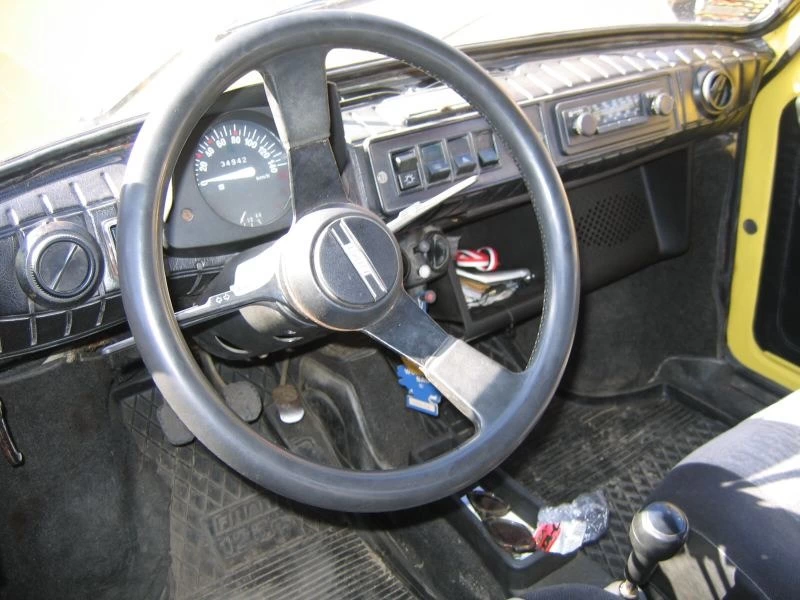
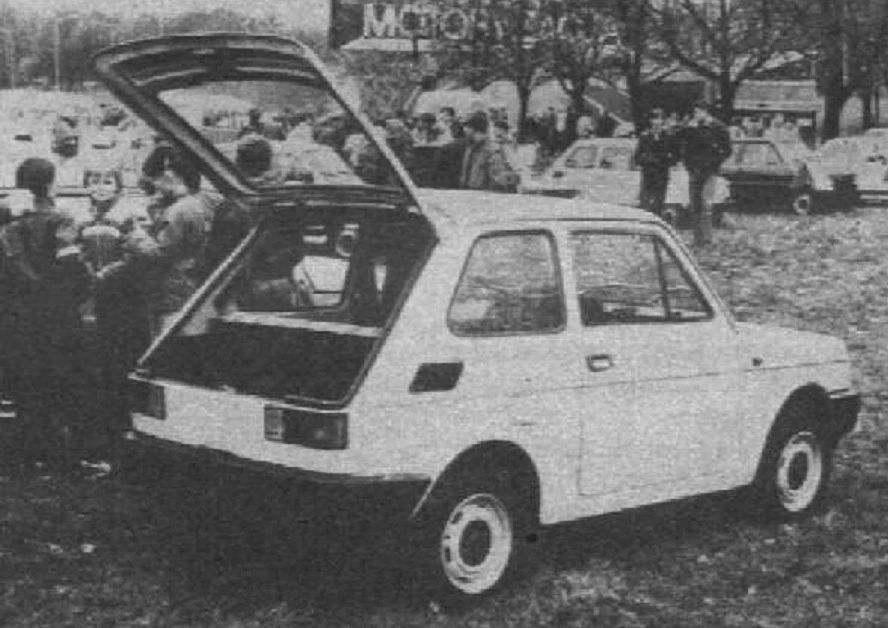
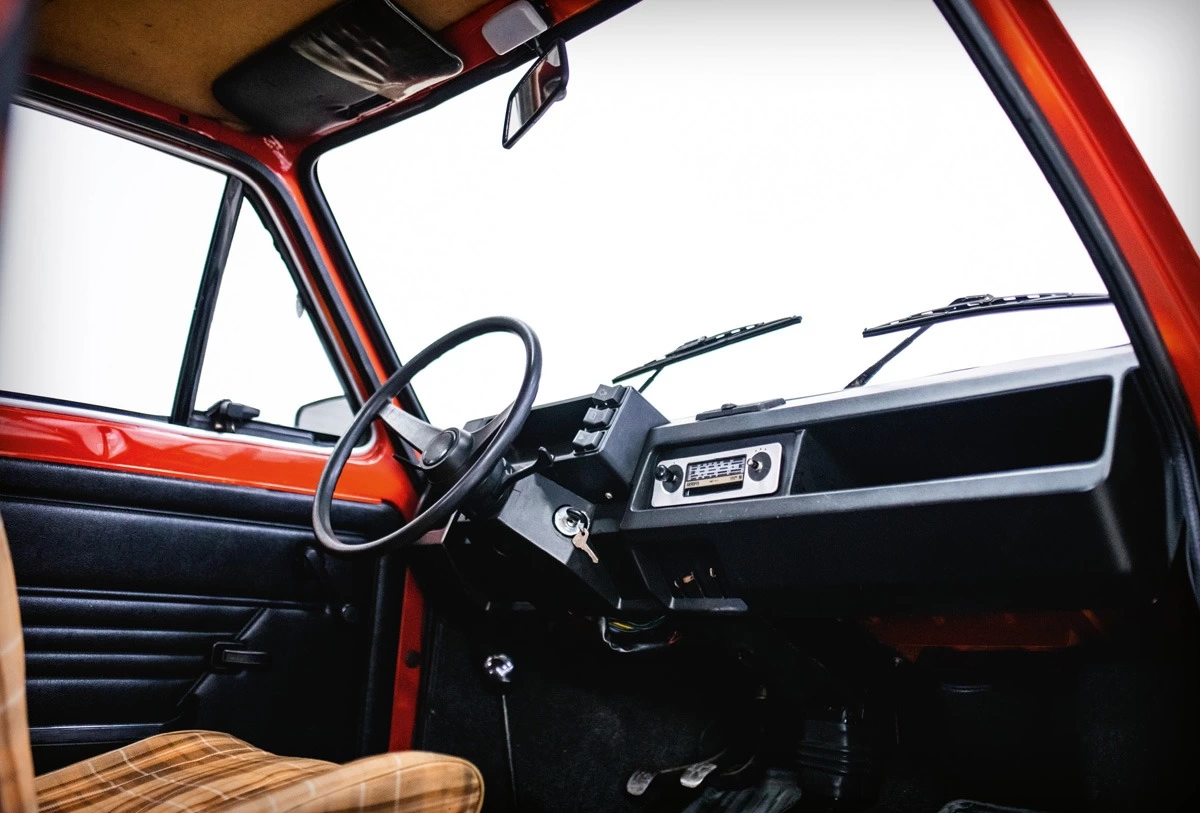
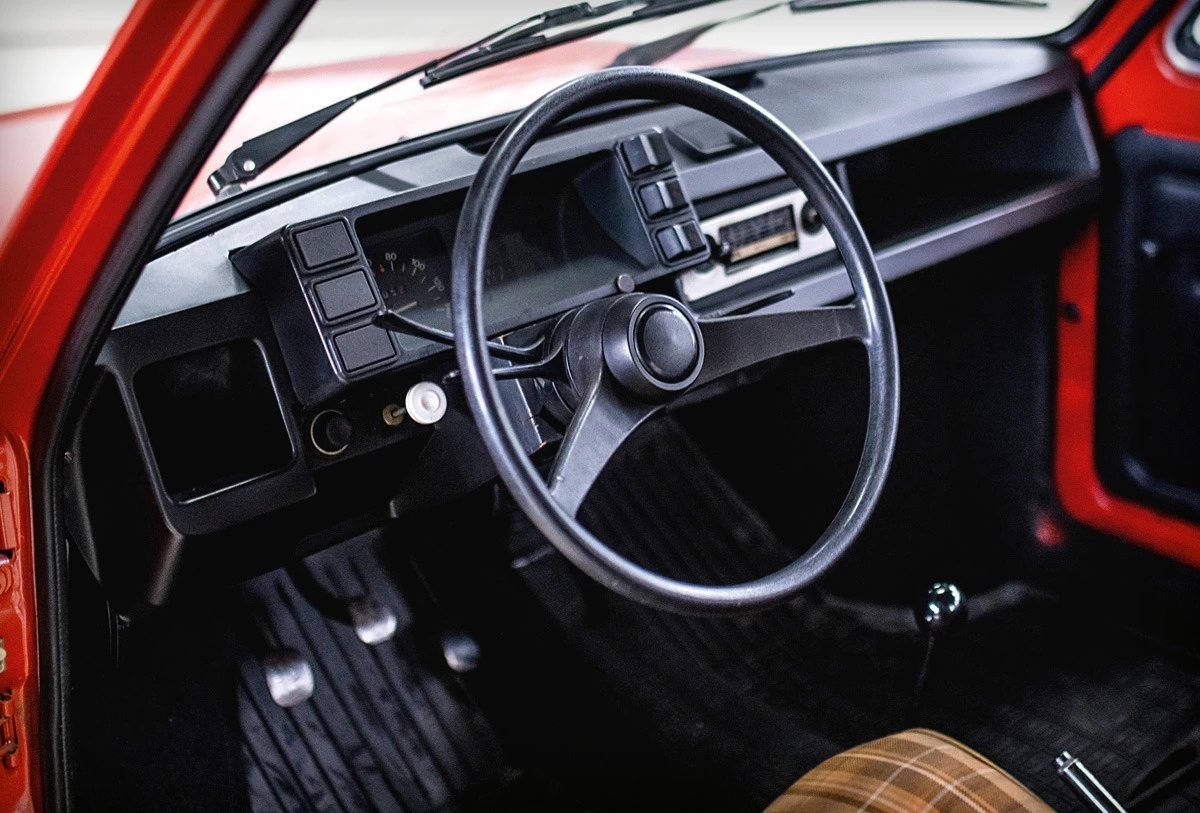
Inside, the cabin remained largely recognisable, although several practical improvements were introduced. Additional air vents were fitted to the dashboard, and the revised front suspension arrangement created more space around the driver’s feet, making the pedals easier to operate. The biggest improvement was at the rear: relocating the engine freed up approximately 200 litres of luggage space. Later three-door versions also received a folding rear seat, further increasing their practicality.
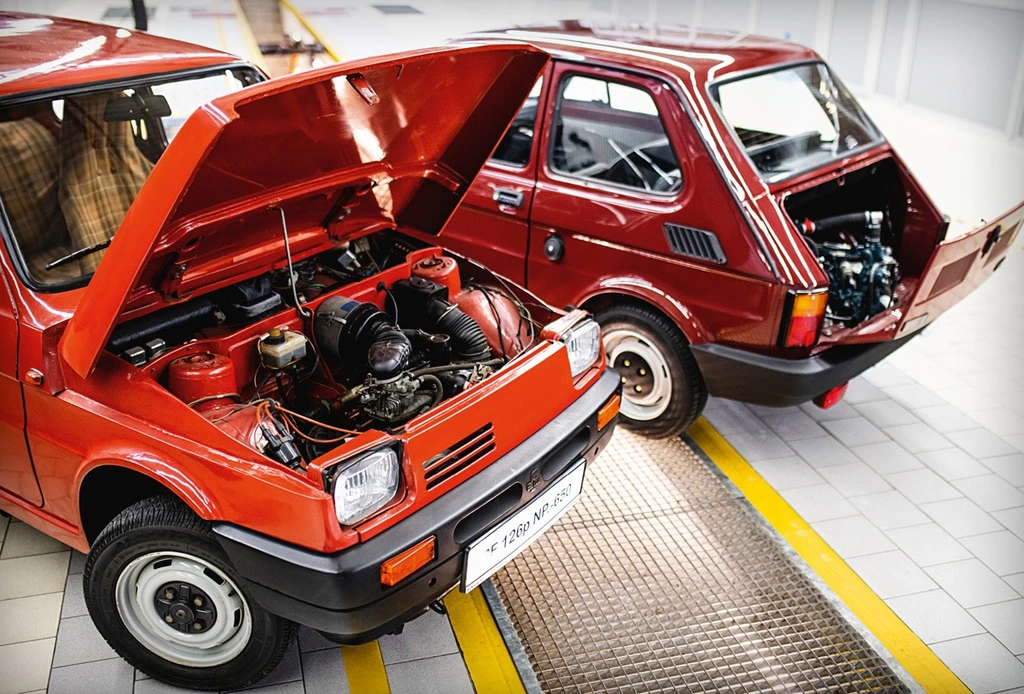
Around a dozen prototypes were built, and no two were necessarily identical. The first example was a two-door saloon with a redesigned front section and an extended engine cover, which was now used to access the rear luggage compartment. Further development produced the three-door 126p-650NP-C, featuring a hatchback body and folding rear seats. Between 1979 and 1981, several additional prototypes were assembled with different engine versions, transmission ratios and rear suspension configurations.
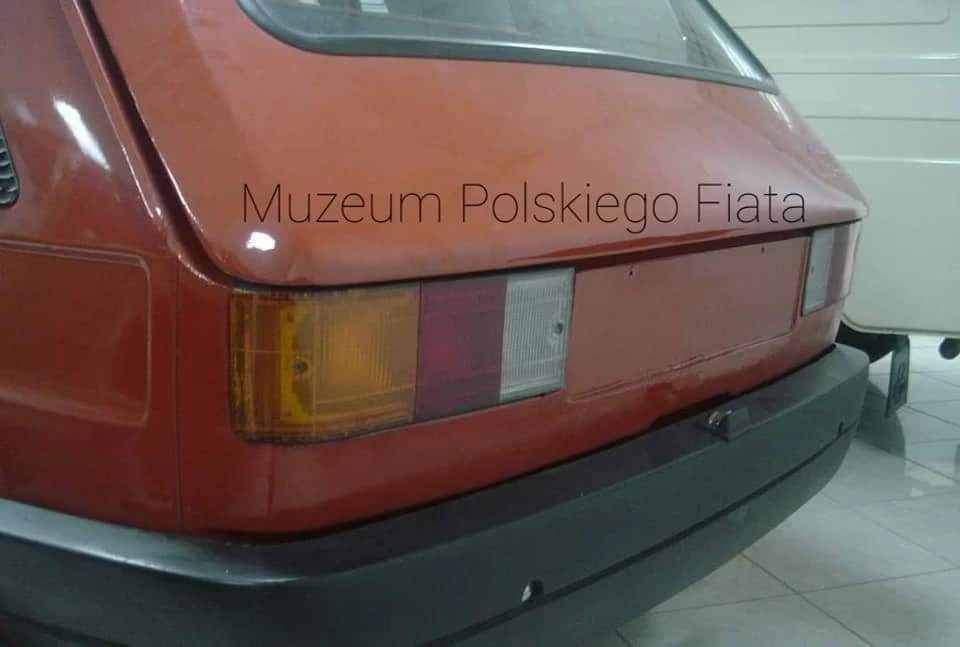
The final development featured a more extensively redesigned rear section, including a raised roofline, wider rear opening and new horizontal tail lights. These changes gave the car a more contemporary appearance compared with the earlier prototypes. Development continued into the mid-1980s, but the project was eventually discontinued as FSM shifted its attention towards the Beskid 106, a more ambitious front-wheel-drive city car.
Despite the engineers’ efforts, the 126p NP never received approval for series production. Although the Ryjek might have found buyers on the Polish domestic market, internal development reports questioned its competitiveness in Western export markets. Its luggage capacity, for example, was considered comparable to that of the Peugeot 104 and Citroën LN, leaving it at a disadvantage against more modern competitors.
The Fiat 126p NP therefore remained an interesting chapter in the development of Poland’s automotive industry: an attempt to transform the country’s most popular small car into a more practical front-wheel-drive vehicle without abandoning its original mechanical foundations.