Fissore 127 Scout

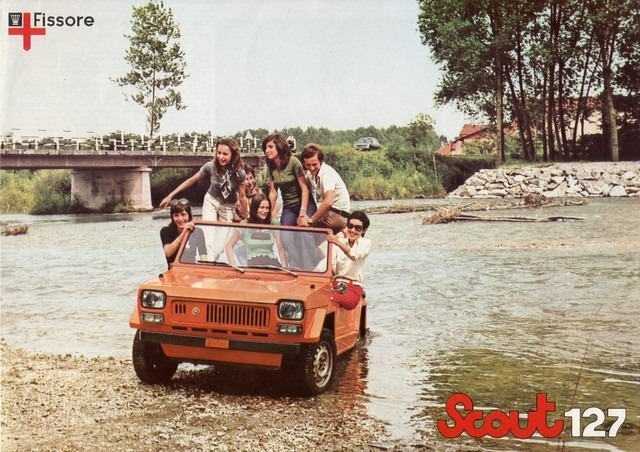
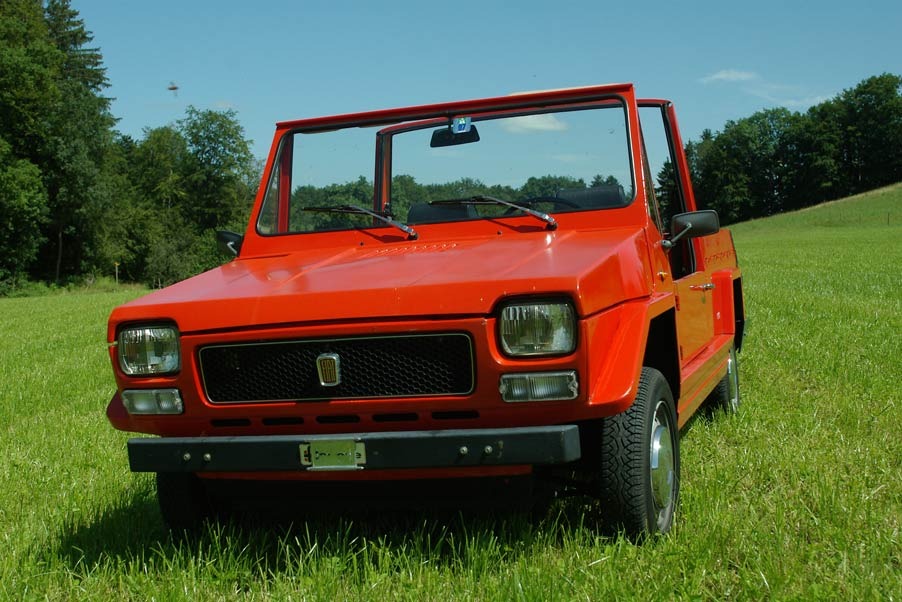
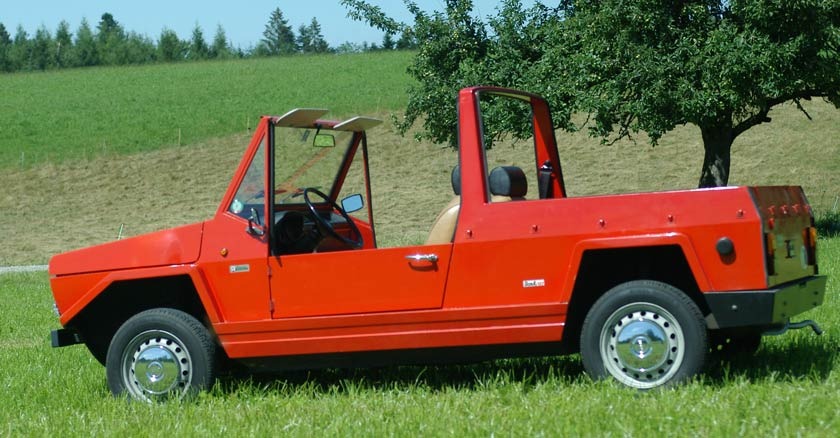
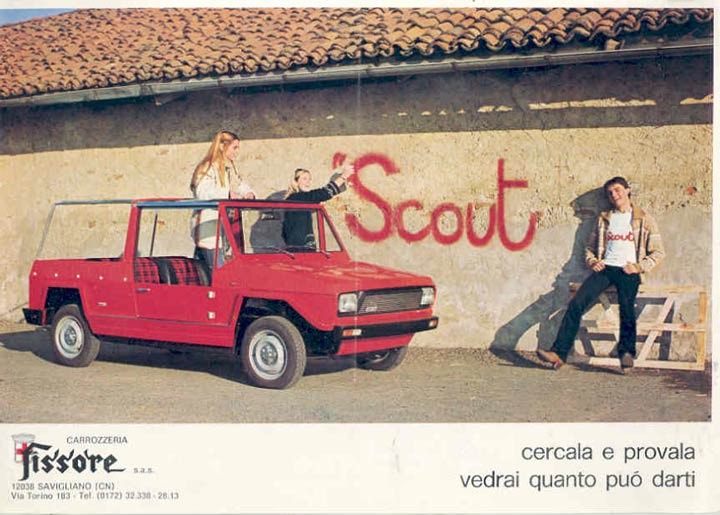
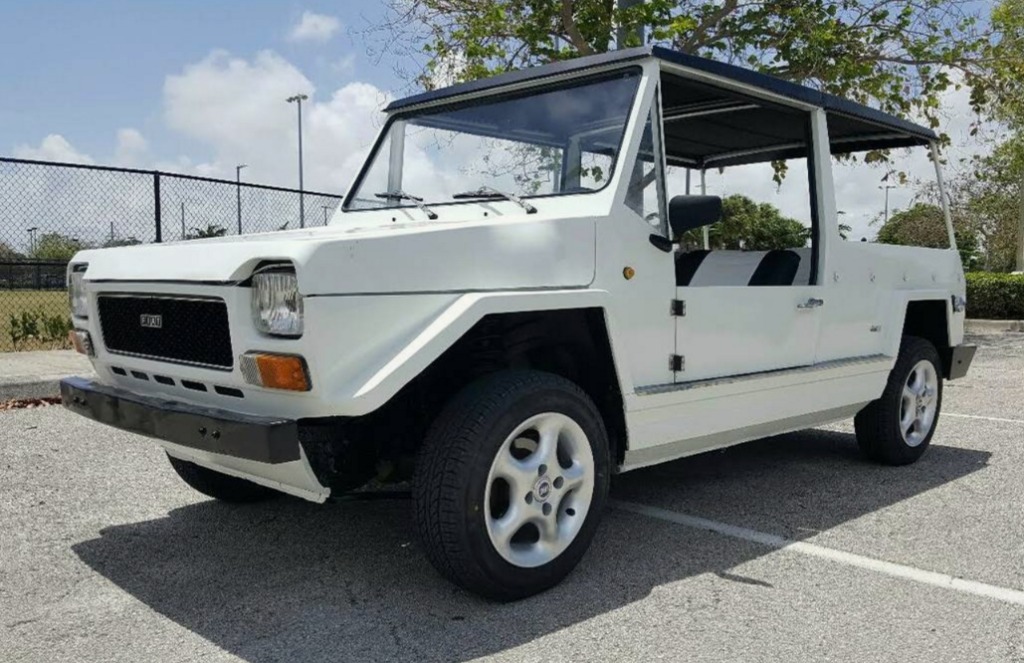
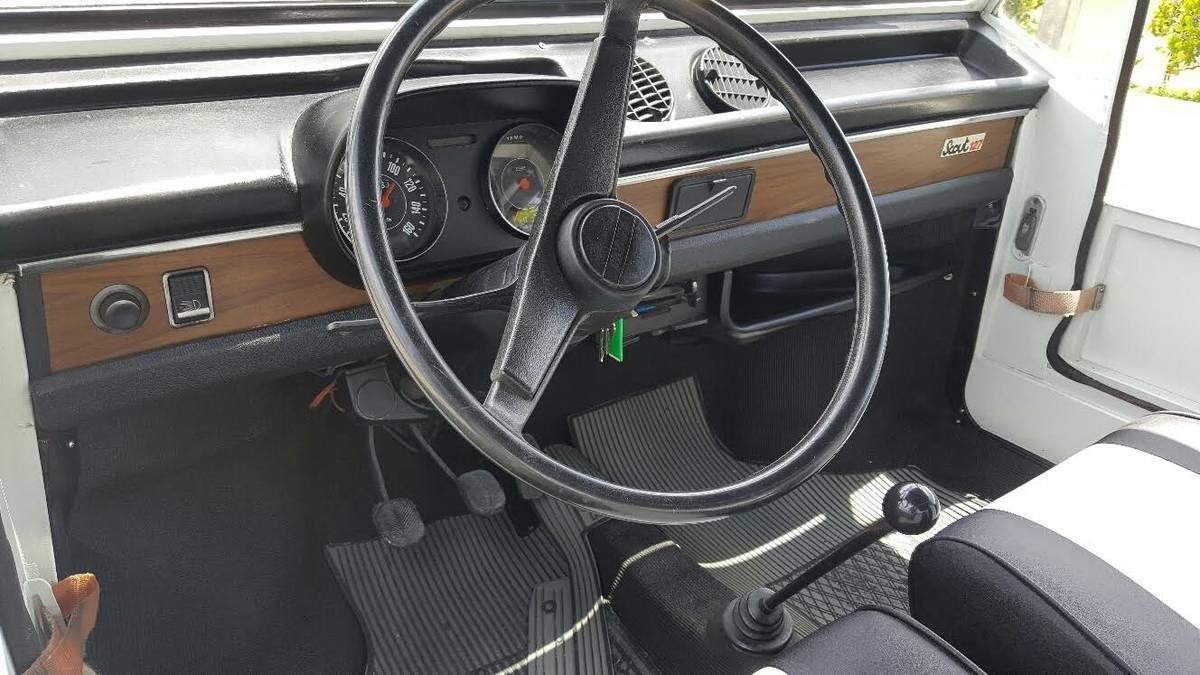
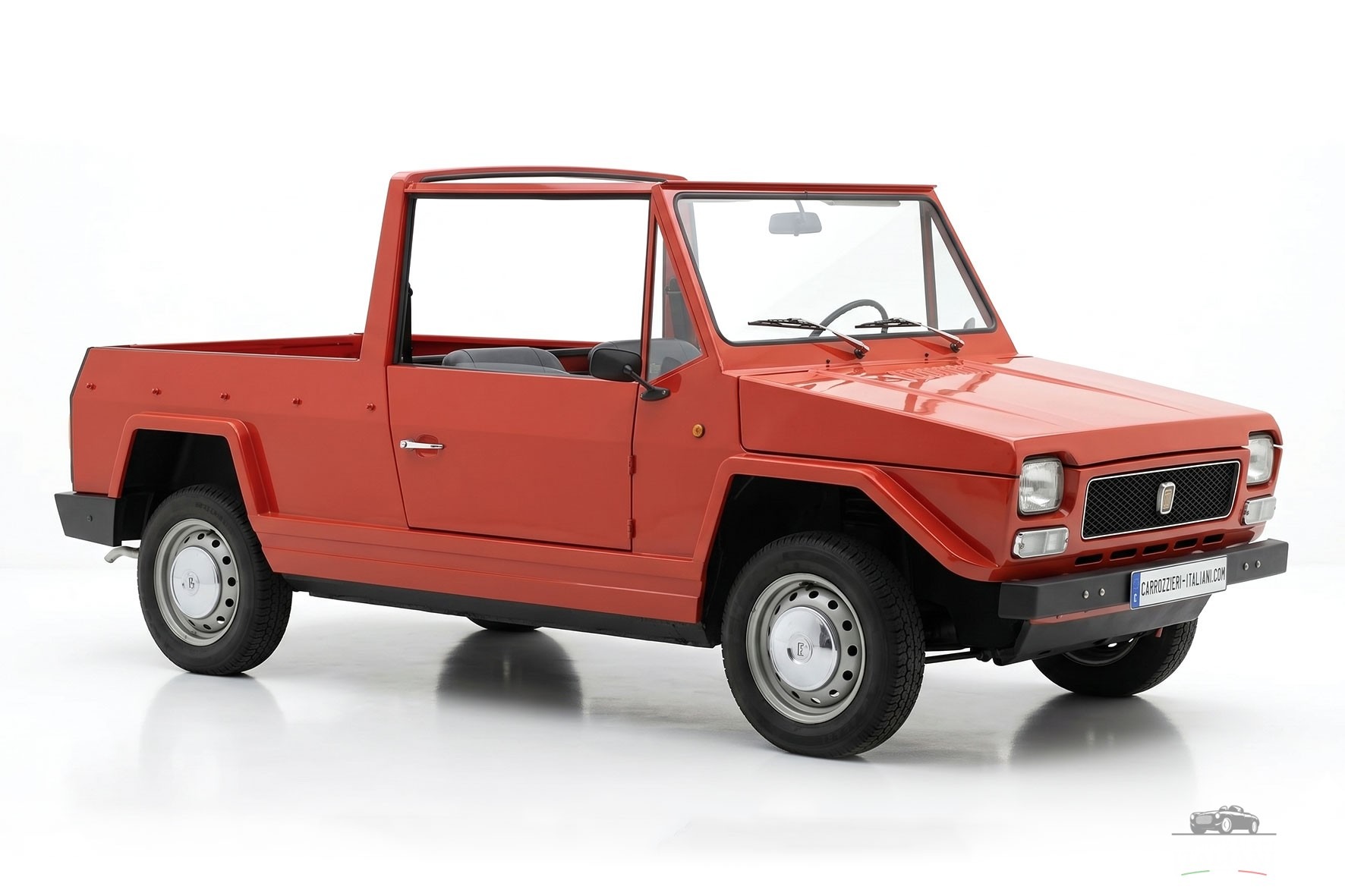
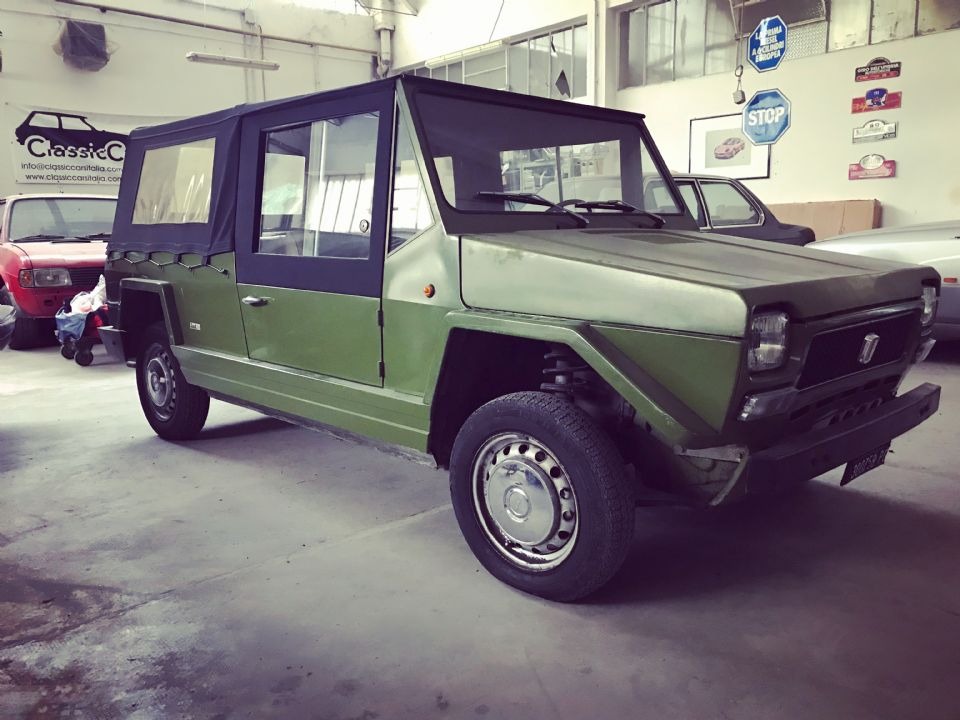
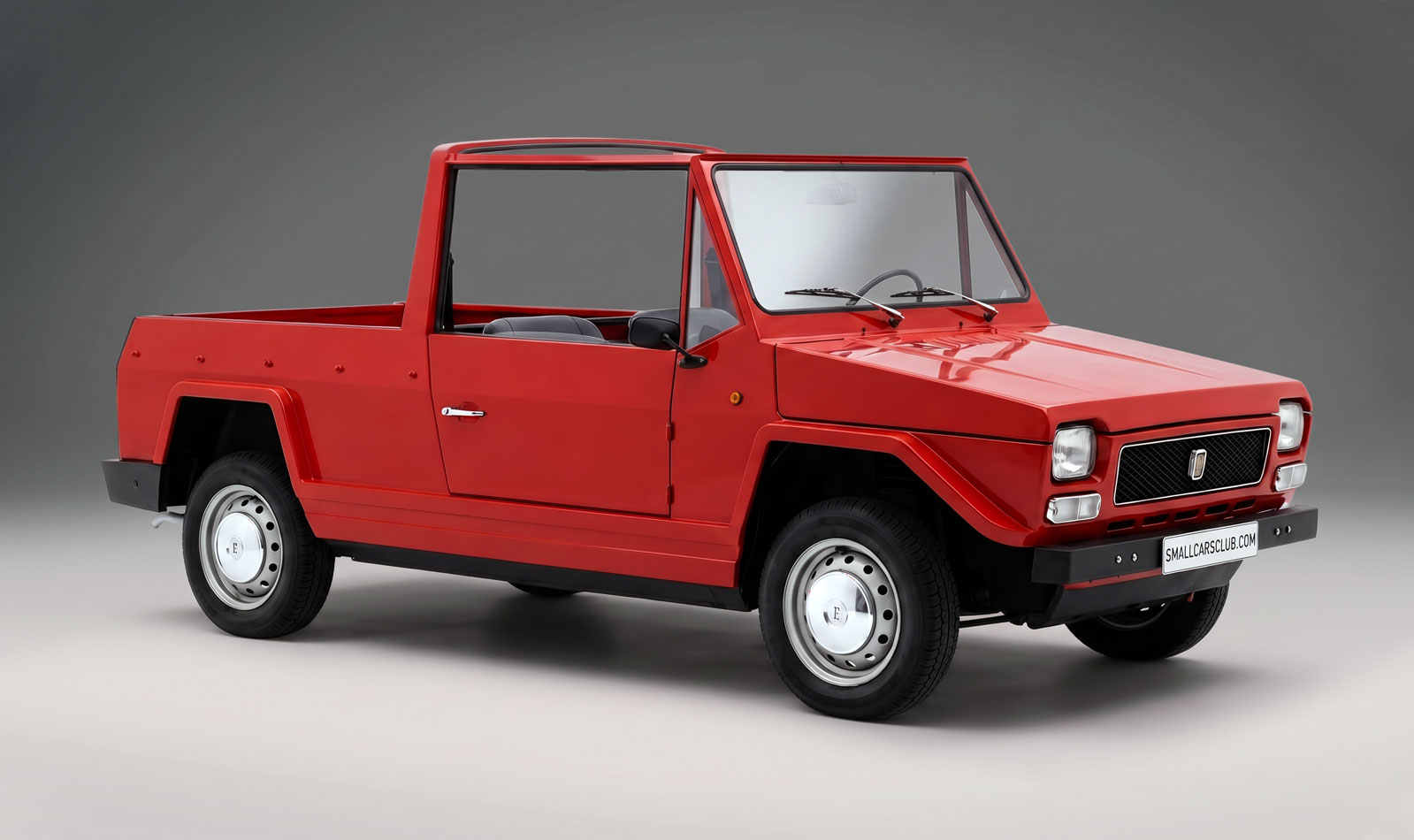
The Fissore 127 Scout was an open leisure vehicle based on the front-wheel-drive Fiat 127. Designed for recreational use and inspired in part by the Citroën Méhari, it combined the mechanical simplicity of a small family car with a lightweight body intended for holidays, resort travel and informal driving.
The vehicle did not originally begin as a Fissore project. It was first presented as the Gypsy at the 1971 Turin Motor Show by Maina, a small Italian company that lacked the production capacity needed to manufacture it profitably.
Maina subsequently sold the production and marketing rights to Carrozzeria Fissore, which renamed the vehicle Scout and adapted it around the newly introduced Fiat 127.
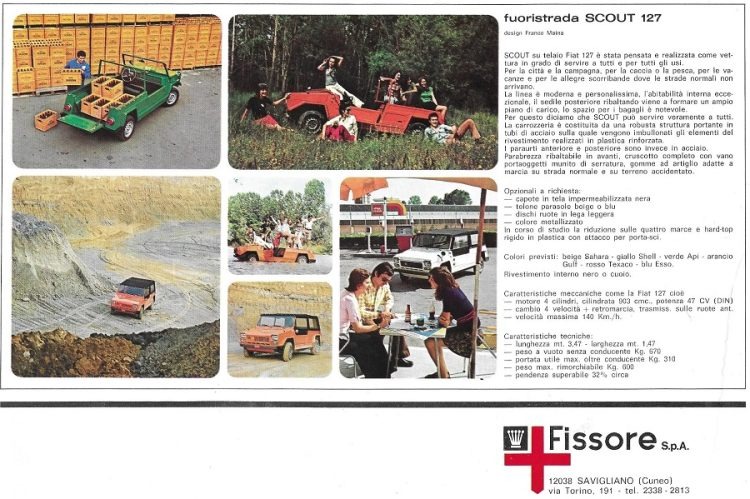
Early Scouts used a fibreglass body mounted on a tubular steel frame. This construction kept the vehicle light and suited its open recreational purpose. A metal hardtop was also available for buyers who wanted greater protection from the weather.
From 1974, Fissore replaced the original structure with pressed steel bodywork, creating a more conventional self-supporting construction and improving the model’s stability and refinement.
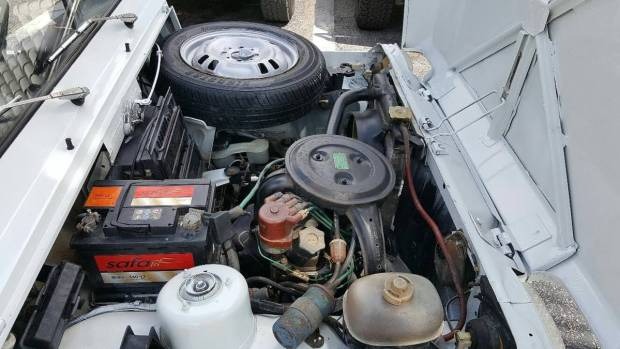
Most versions used the standard Fiat 127 903 cc overhead-valve four-cylinder engine, producing 45 hp. Later vehicles could be equipped with a 1,049 cc engine sourced from Fiat do Brasil. A small number were fitted with the 70 hp engine from the Fiat 127 Sport, although these versions are considered rare.
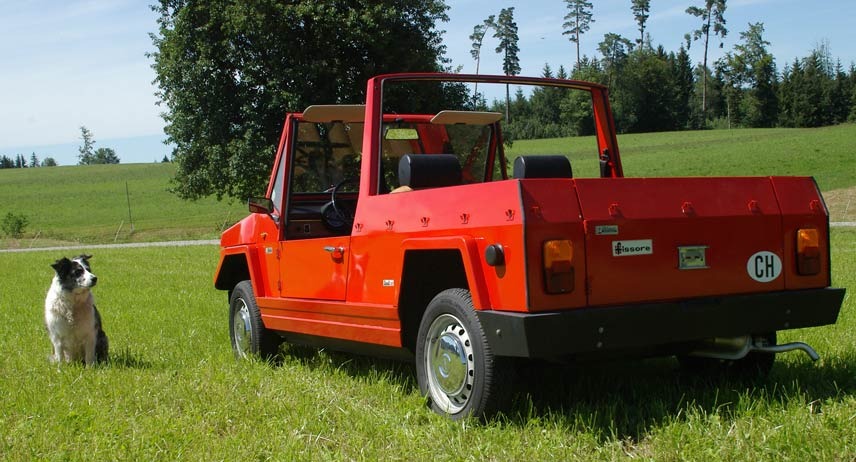
The Scout was mainly sold in Mediterranean countries and at holiday resorts across Europe. Its combination of compact dimensions, open bodywork and Fiat mechanical components made it suitable for leisure use, short journeys and travel in warm climates. Fissore also developed the smaller Fiat 126-based Poker, which followed a similar idea in a more compact format.
Exact Fissore production figures are not known, but the least uncertain estimates suggest that approximately 700 127 Scouts were built. The model’s limited production reflected the small scale of the Italian coachbuilder and the specialised nature of the market.
A more successful licensed version was produced in Greece from 1975 by Autokinitoviomihania Ellados, a company based in Athens. The Greek vehicle was called the Amico and benefited from local tax legislation. At the time, conventional passenger cars were subject to heavy luxury taxes, while vehicles classified as utility, commercial or agricultural models received substantial tax advantages.
These tax incentives made the Amico significantly easier to sell in Greece than an ordinary passenger car. Production continued until 1984, when Autokinitoviomihania Ellados built more than 6,000 examples. Changes to Greek tax laws then removed the economic advantage that had supported the Amico and similar vehicles.