
Toyota eCom

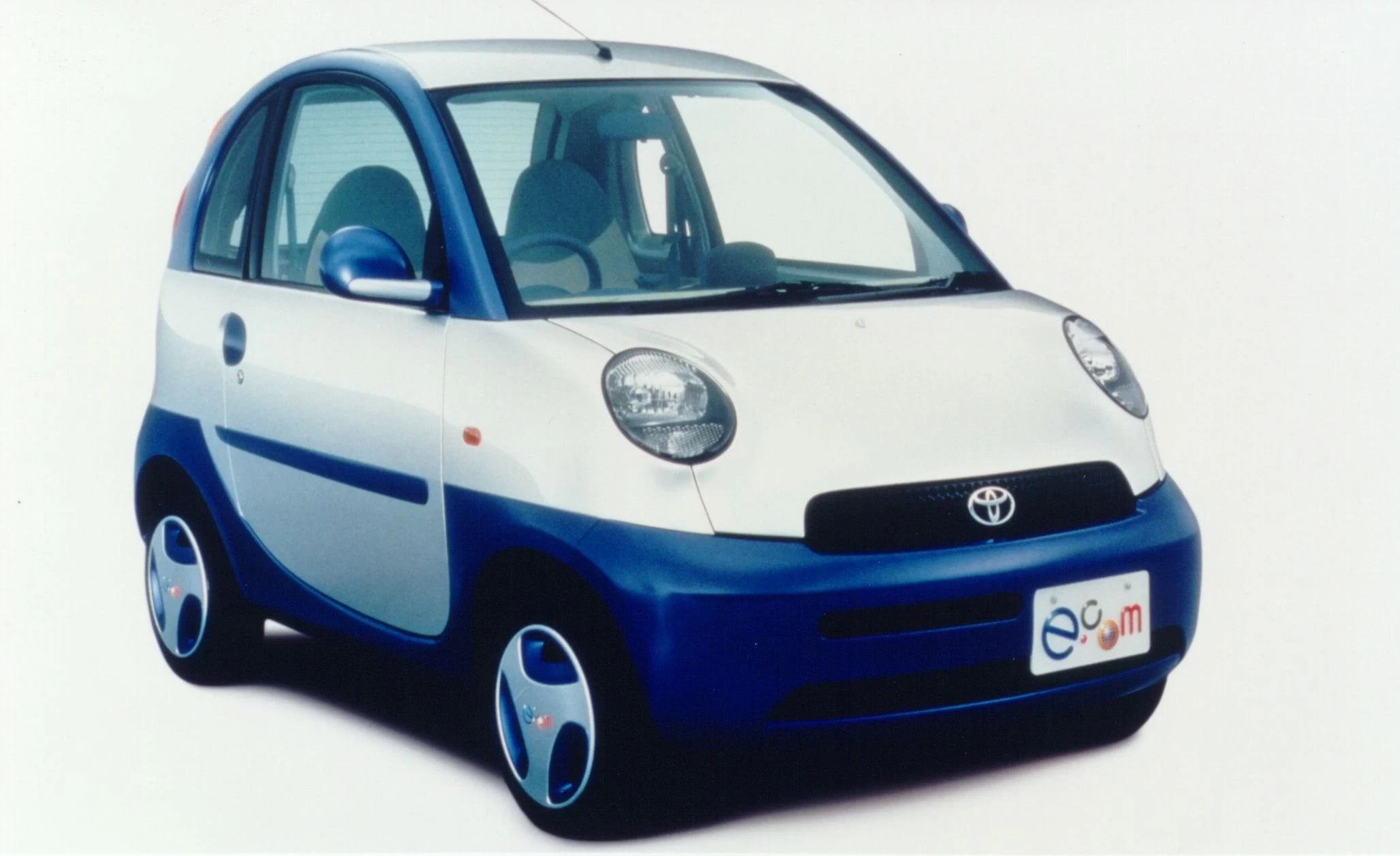
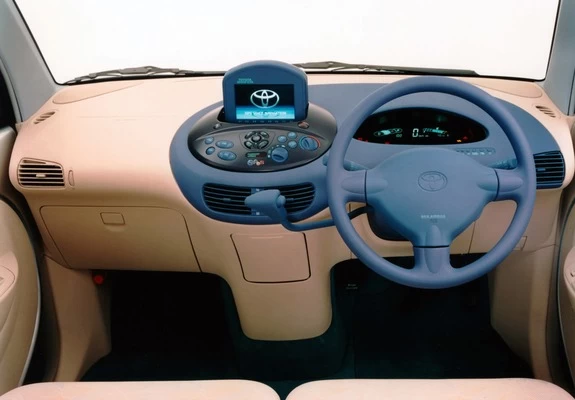
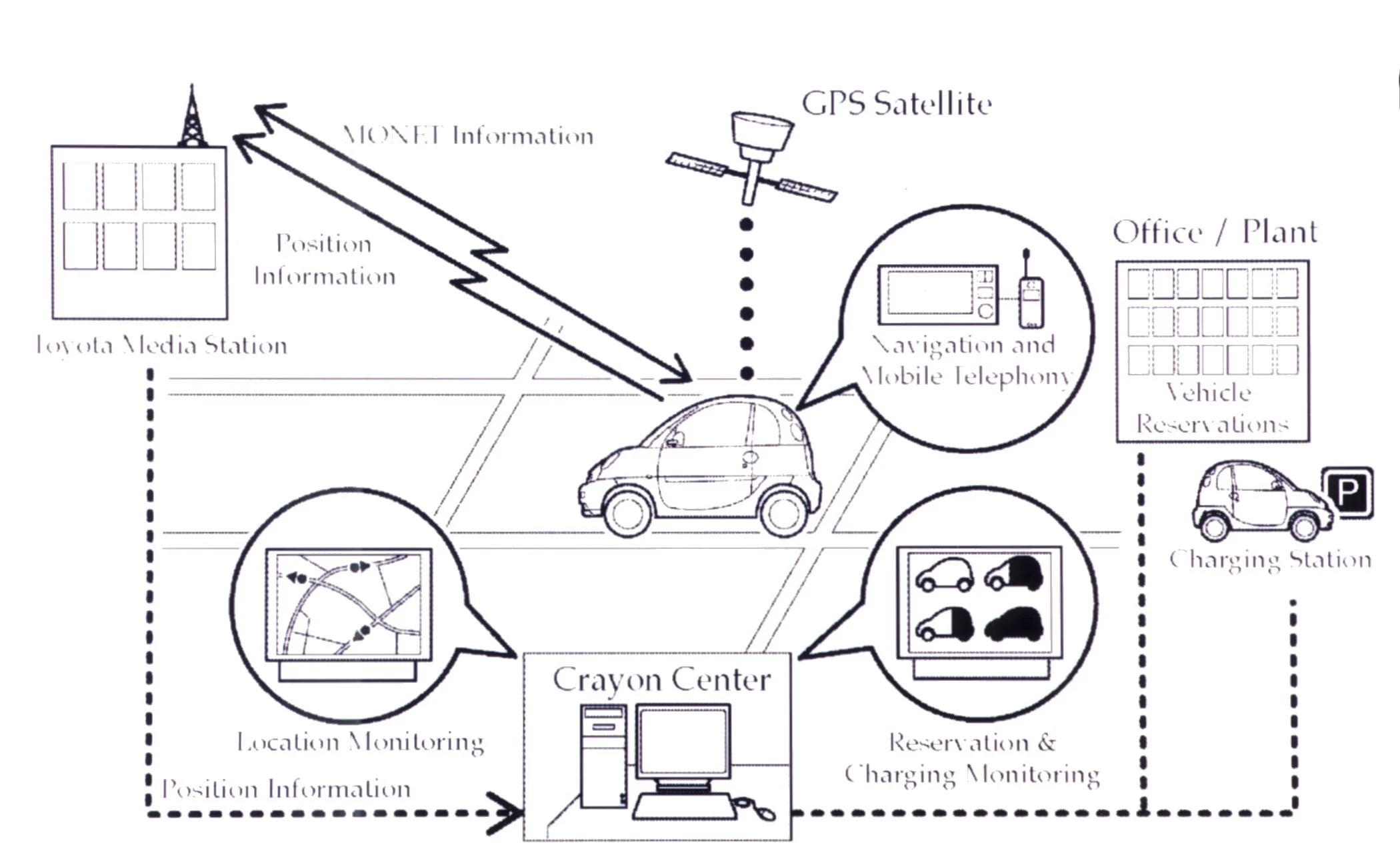
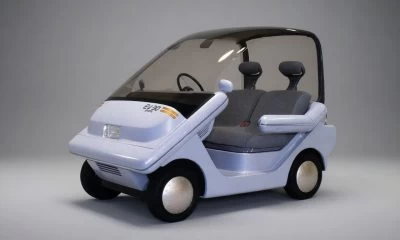
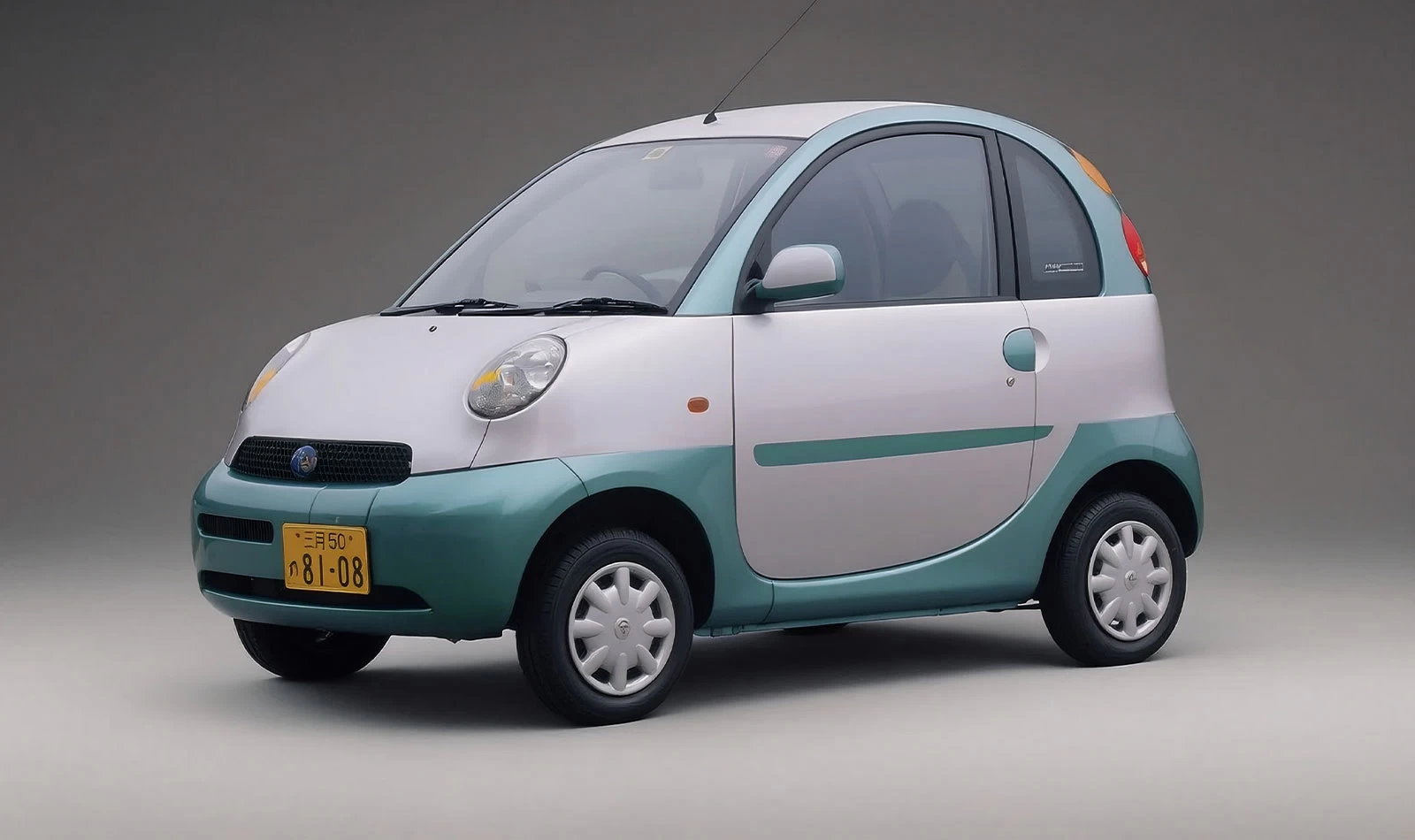
The 1997 Toyota eCom was a compact electric city car first shown at the 1997 Tokyo Motor Show. Toyota presented it as more than just a small car: it was meant as a shared urban vehicle, using a special electronic card instead of a traditional key to support carpooling and rental-style use.
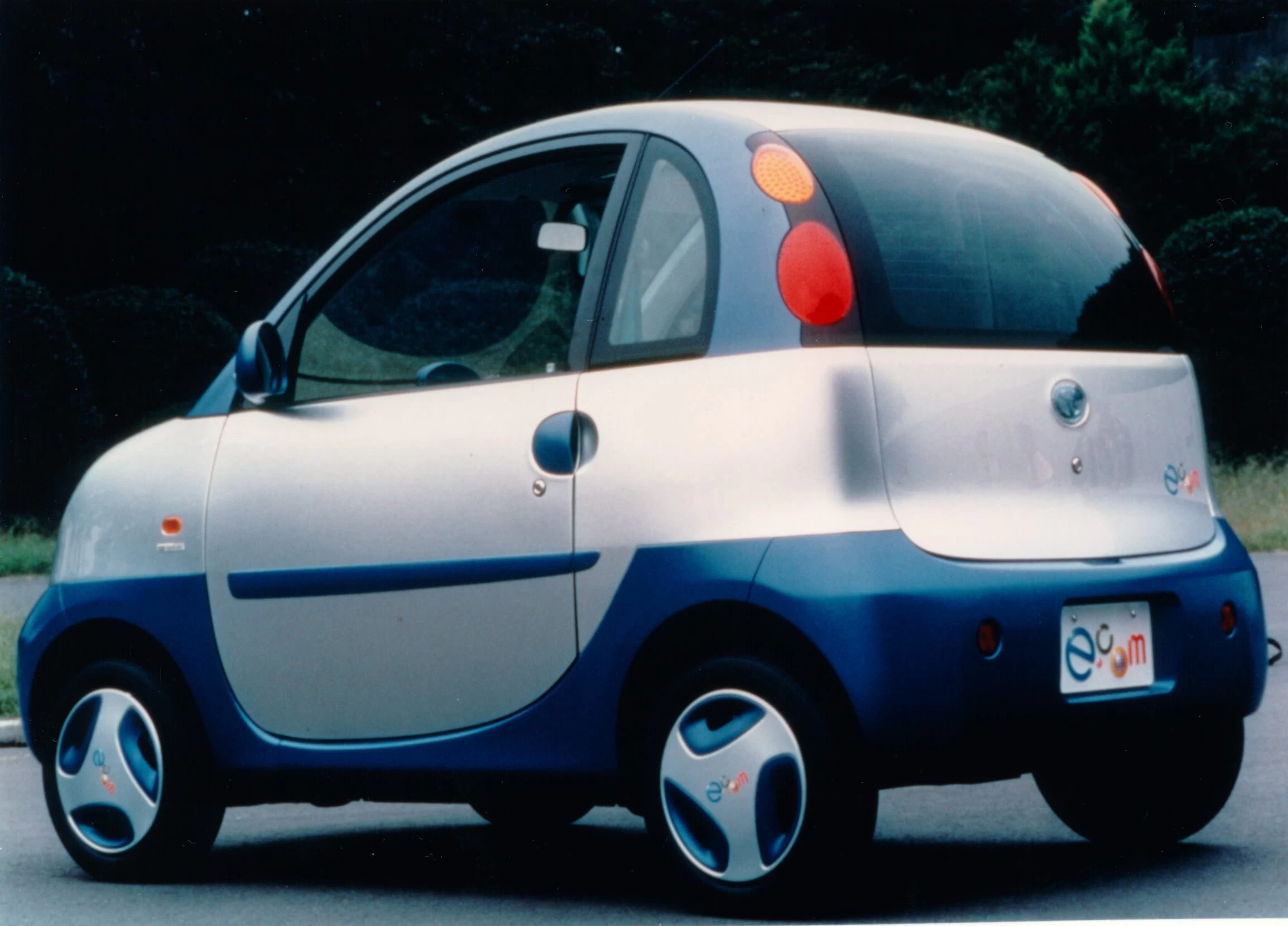
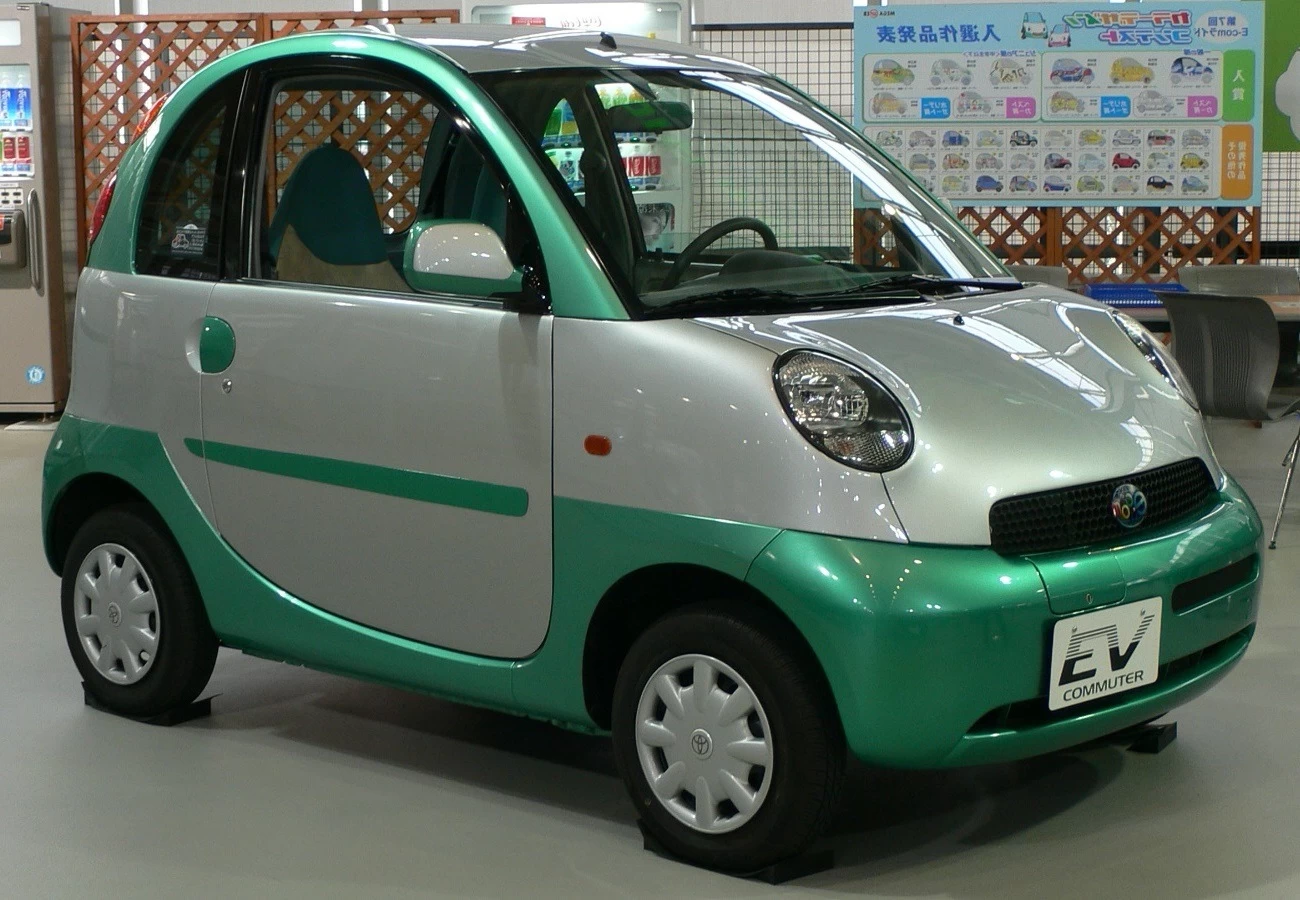
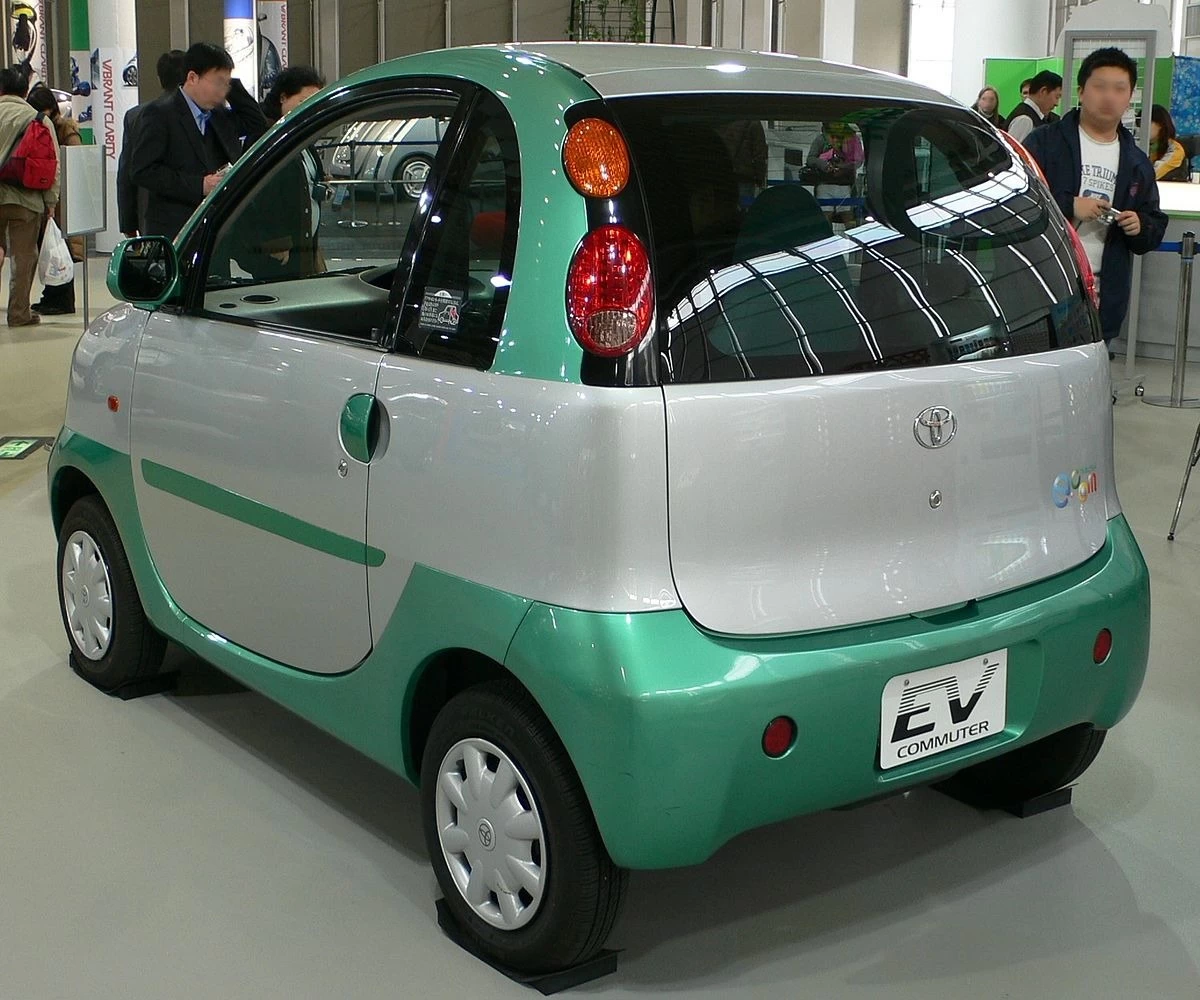
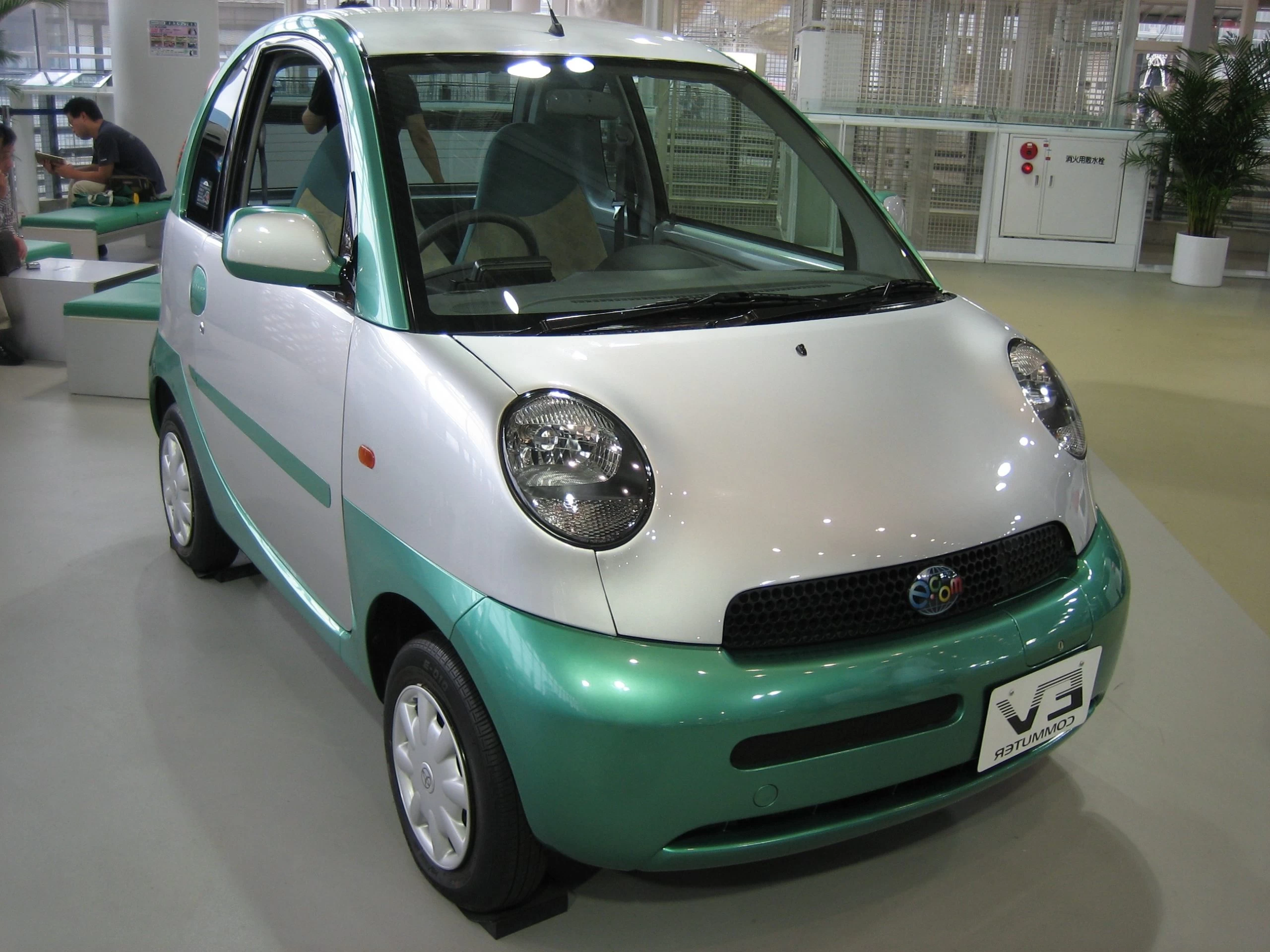
The eCom was extremely small, with an overall length of 2,790 mm, a width of 1,475 mm, a height of 1,605 mm, and a wheelbase of 1,800 mm. It was a two-passenger vehicle, light at 770 kg, and built as a three-door hatchback. The design was aimed at city use, with a focus on easy maneuverability and parking in very tight spaces.
Its electric powertrain used an 18.5 kW permanent-magnet synchronous motor paired with nickel-hydrogen batteries. Toyota quoted a range of 100 km on a single charge, and the car could be charged from household 100V AC power. The eCom reached 100 km/h and could recharge in about six hours.
The eCom was part of Toyota’s early work on low-emission urban mobility. Thirty examples were built for rental use in Toyota City as part of the Toyota Crayon project, and another twenty were used in the Tama New Town experimental community transportation project near Tokyo.
Toyota Motor Sales USA also worked with the University of California, Irvine on a shared-use demonstration fleet, using the eCom to explore electric commuting and urban energy systems.
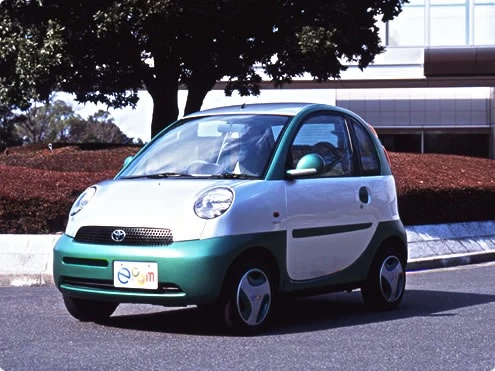
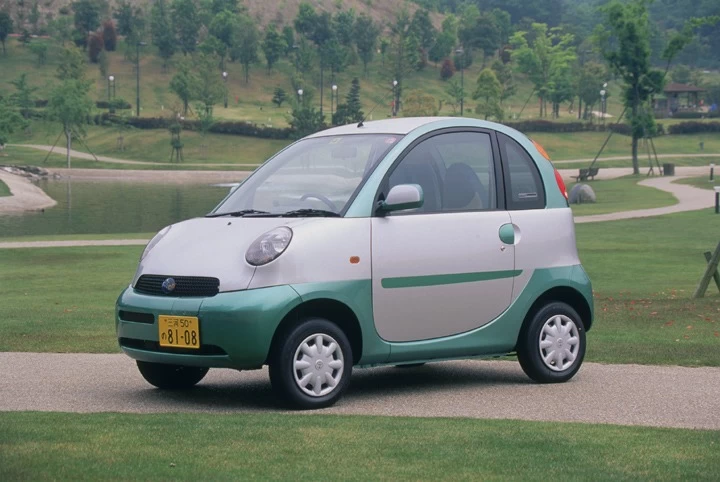
At shows, the eCom appeared in several color schemes, including silver with blue accents and later silver with green accents. It was intended as a practical, zero-emission transport solution for short trips, and Toyota used it to test how small electric cars could fit into everyday shared mobility.