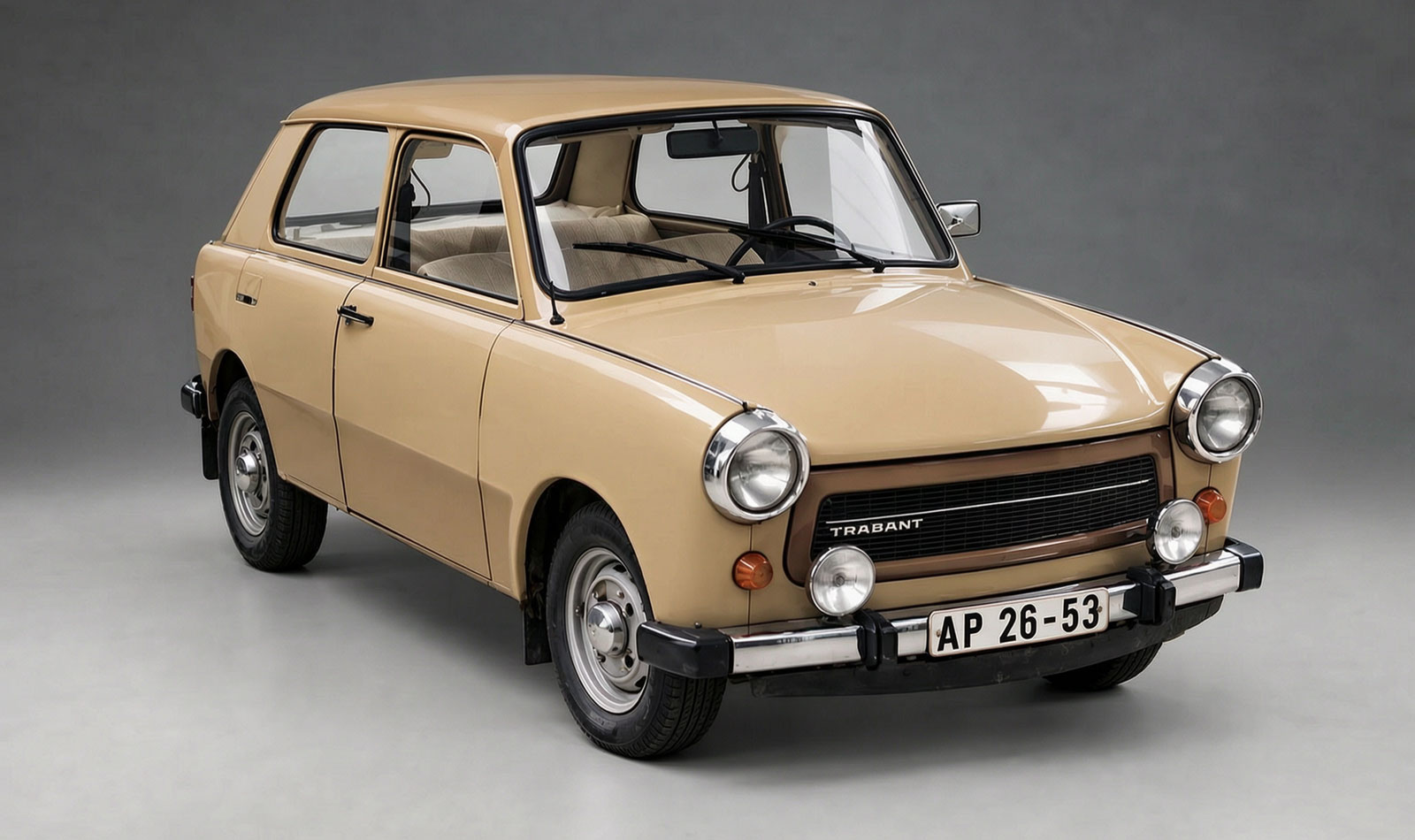
Trabant P602 V

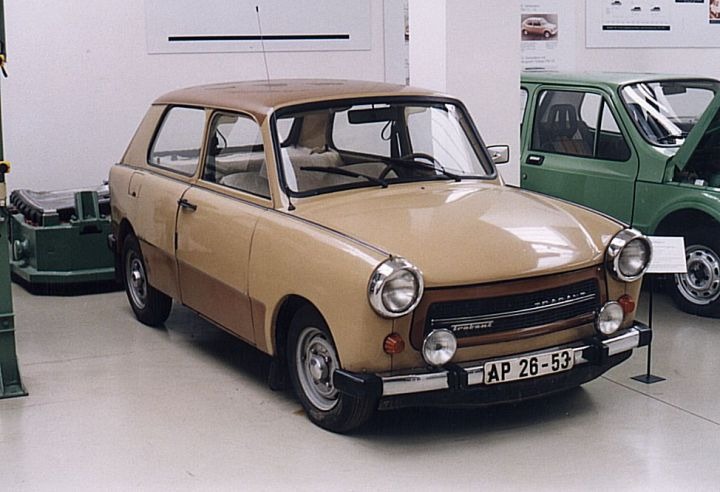
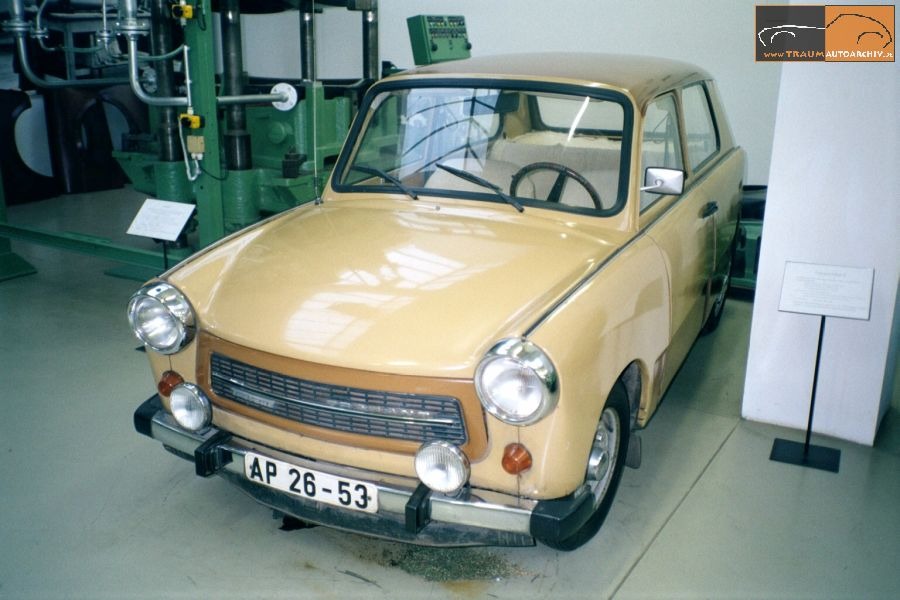
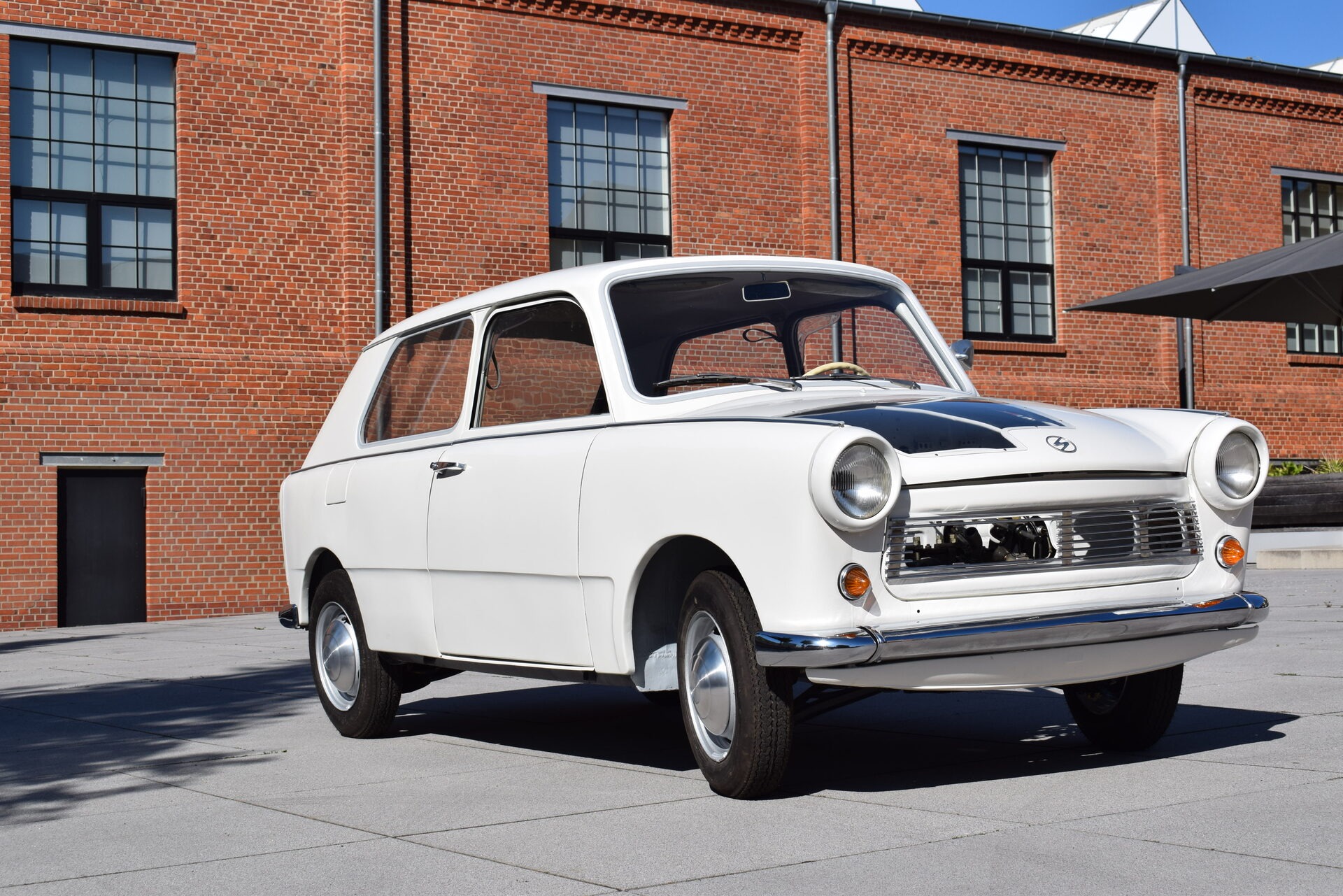
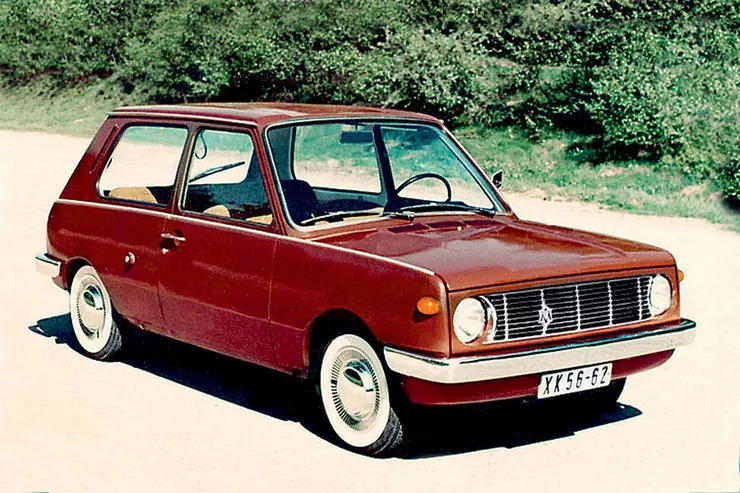
The Trabant P602 V was a functional prototype developed by VEB Sachsenring in Zwickau during the mid-1960s. Built to explore both a modernized Trabant body and alternative powertrains, it became part of the company’s experiments with rotary-piston engines, including the Wankel KKM 400.
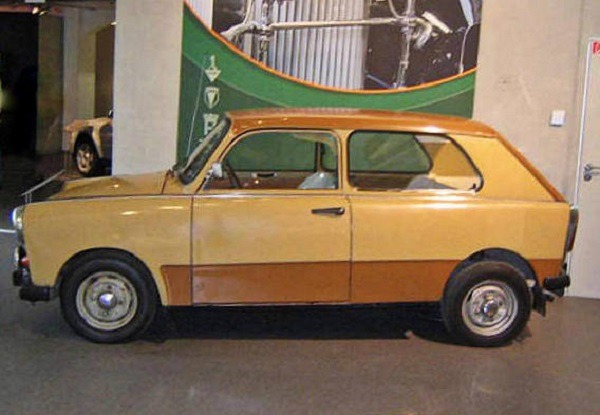
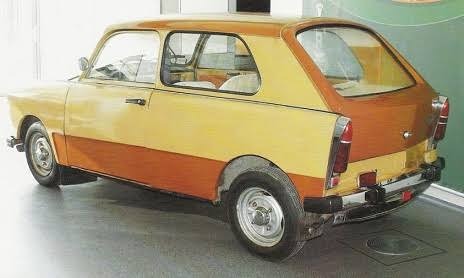
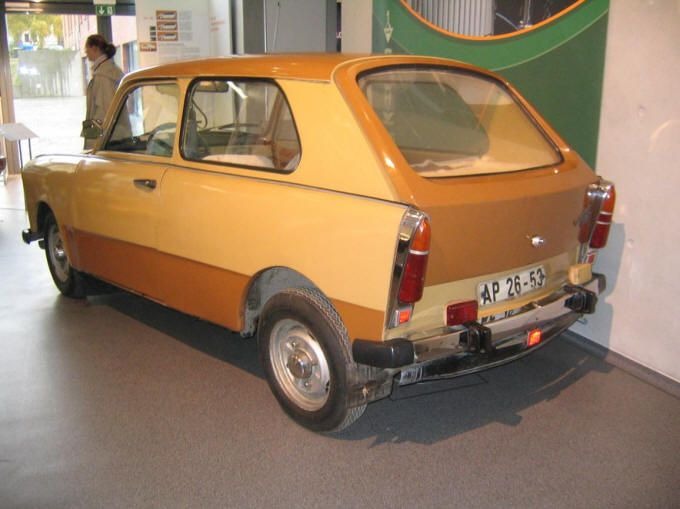
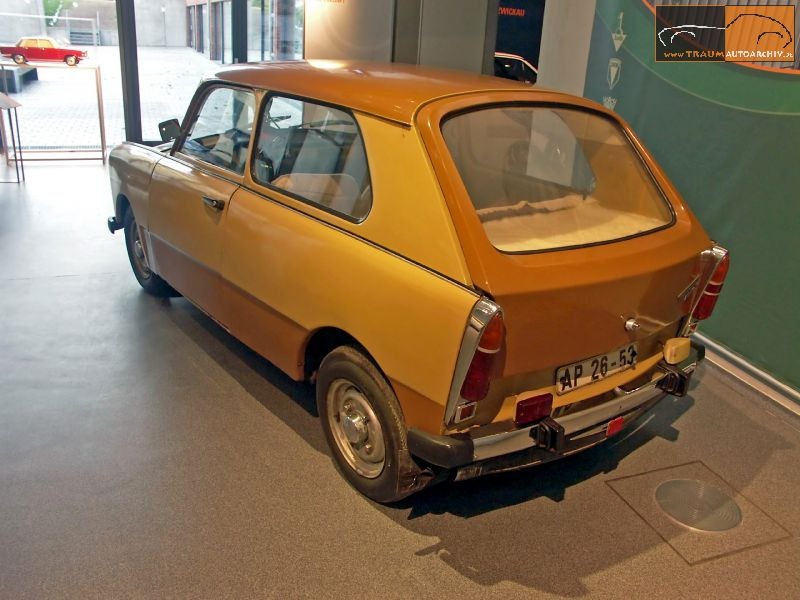
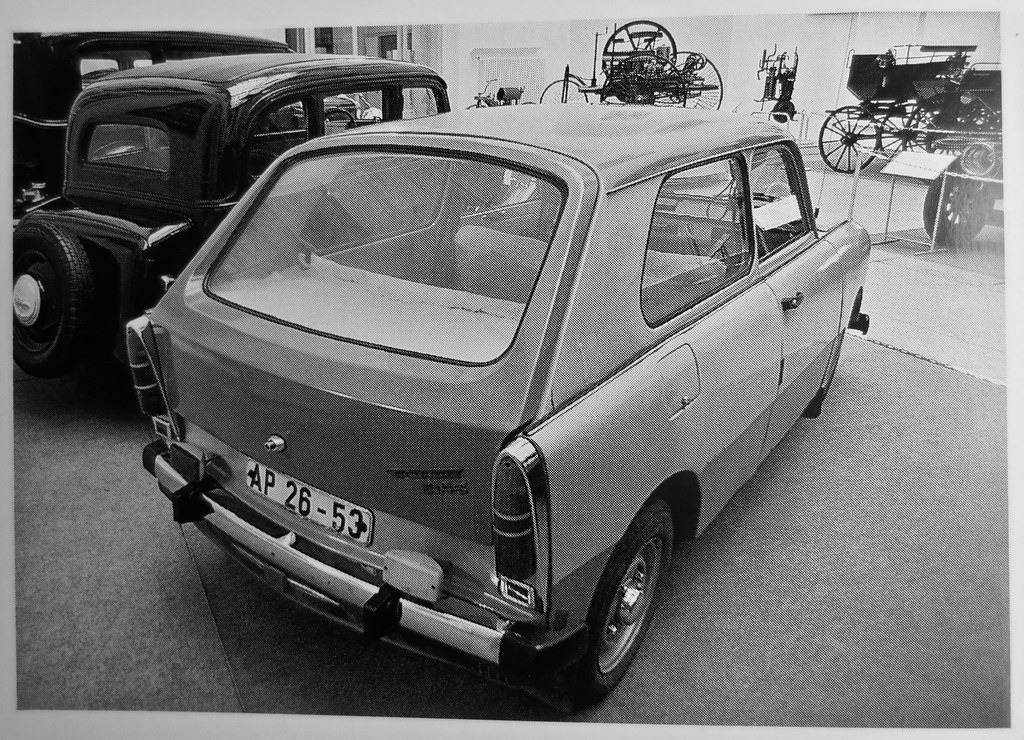
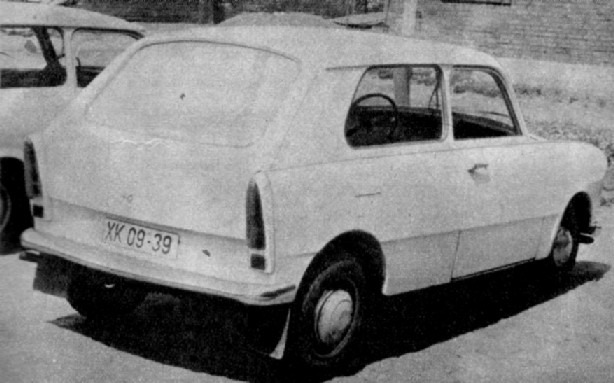
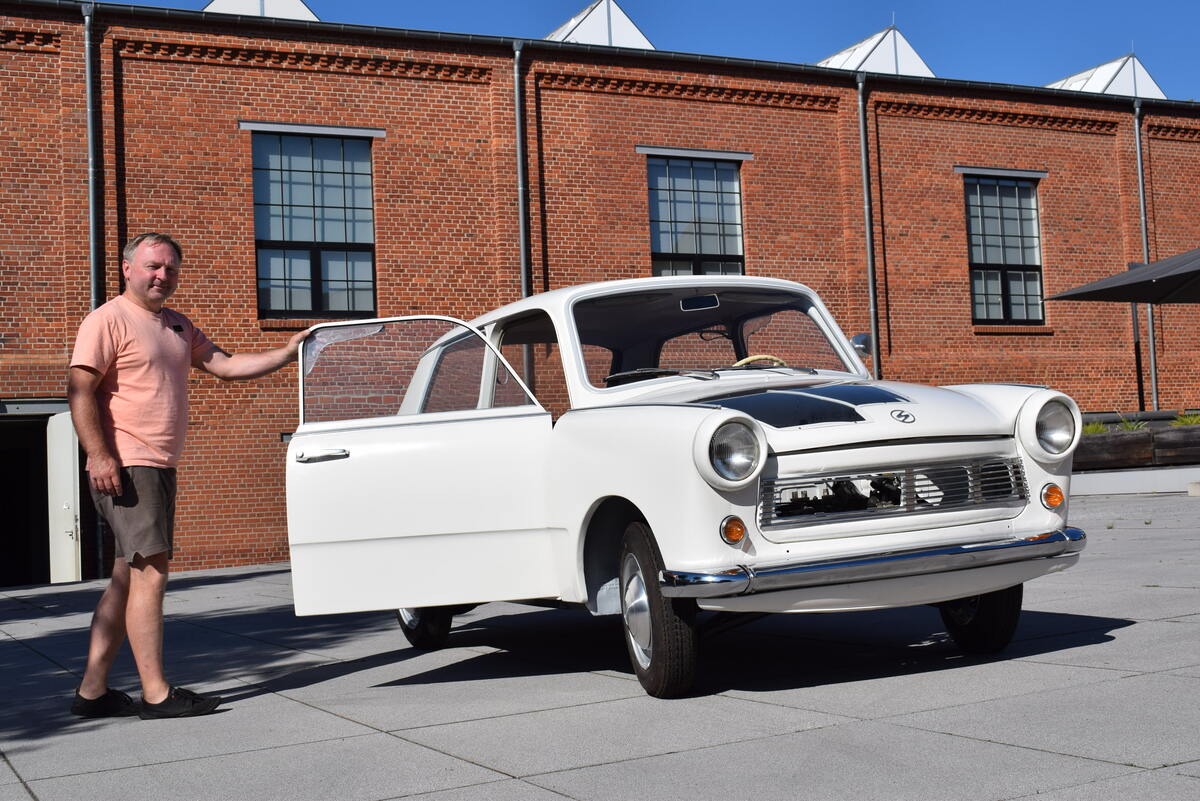
Unlike the familiar Trabant P601, the P602 V featured a hatchback body with a full rear section, described in German as Vollheck. The letter “V” therefore referred to the body design rather than the engine or cylinder arrangement. Its wheelbase was extended by roughly 28 to 30 centimetres, giving the prototype visibly different proportions from the production car.
The development programme began in 1965–1966 and focused on two related objectives: finding a more contemporary body concept for the Trabant and testing several rotary engines. The compact hatchback profile was one of the most obvious changes, while the longer wheelbase created additional room within the revised body. Contemporary descriptions also identify rear coil springs, a 30-litre fuel tank positioned at the back, and a conventional 30-hp engine in the original configuration.

Although the P602 V was compatible with the Wankel powerplant, it was not built exclusively around it. The prototype was originally powered by a 30-hp two-stroke engine, but its design also allowed the KKM 400 rotary engine to be installed. This made the vehicle a useful test platform for Sachsenring’s work on alternative propulsion rather than a straightforward production-model derivative.
In October 1966, the P602 V was registered for road use so that it could undergo testing in normal traffic conditions. It was subsequently passed between several owners and restored to a form resembling a series-production vehicle. Over time, however, the prototype no longer retained all of the components required to represent its original experimental specification.
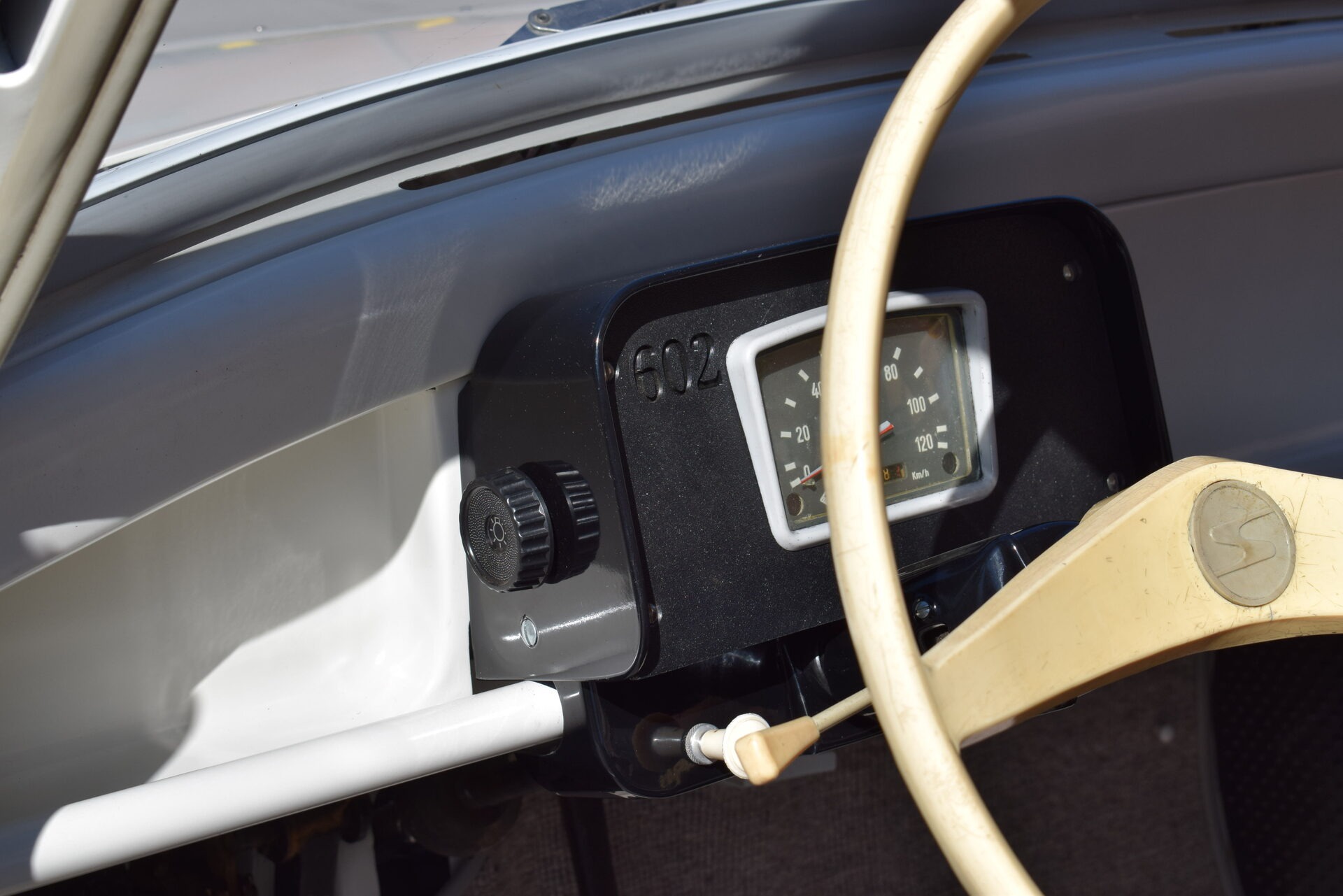
The current private owner placed the car on long-term loan with the August Horch Museum in Zwickau. During the latest restoration, the museum returned the vehicle to a condition that more fully reflects its role in the development history of the Trabant and in East German Wankel-engine research. Several important parts came from the museum’s own collections, including the KKM 400 rotary engine, seats, the subframe, steering wheel, door handles, and other smaller components.