Dacunha Jeg

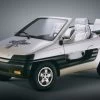
The Dacunha Jeg was a small Brazilian off-road vehicle developed by Dacunha Transportes, a company better known for transporting new cars from Volkswagen’s factories to dealerships. Although it shared much of its engineering with Volkswagen vehicles and was closely connected to an abandoned military project, the Jeg was marketed as an independent civilian product by ABC Diesel Veículos e Mecânica Ltda., Dacunha’s vehicle-manufacturing division.
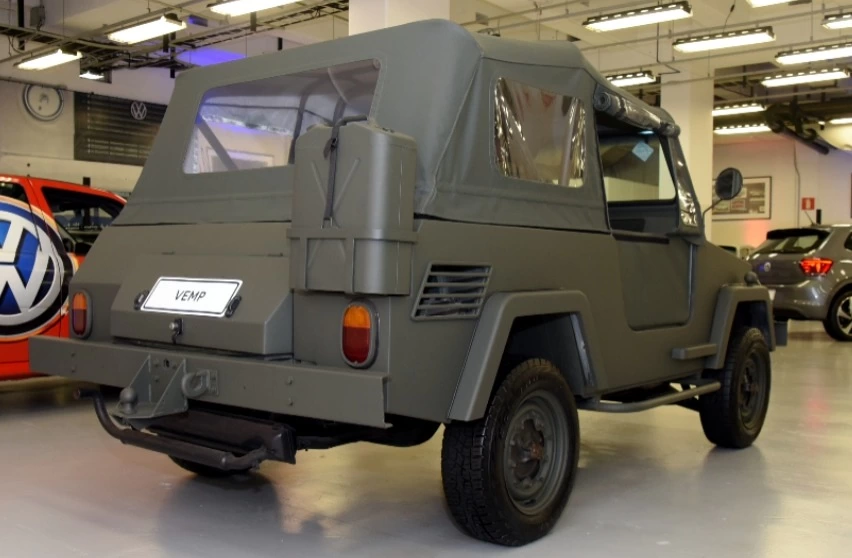
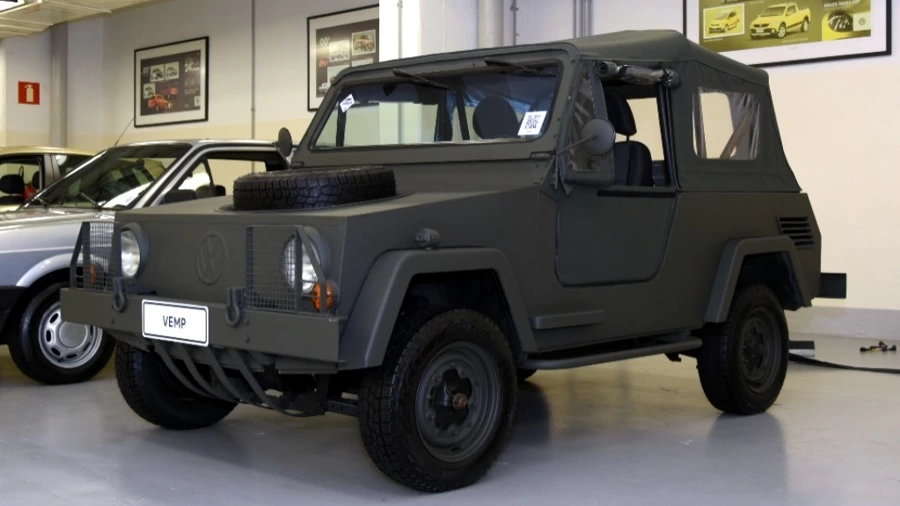
Its story began in the mid-1970s, when the Brazilian Armed Forces were looking for a new light utility vehicle to replace the ageing Jeep. Volkswagen do Brasil responded with the VEMP (Veículo Militar Protótipo), a military prototype inspired by the Volkswagen Type 181, also known as the Thing or Safari in some markets.
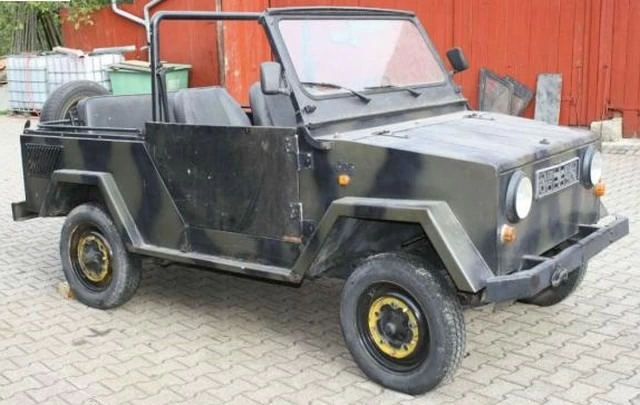
Two VEMP prototypes were built using shortened Volkswagen Kombi chassis: one with rear-wheel drive and another with selectable four-wheel drive. Both featured rear-mounted, air-cooled flat-four engines and simple steel bodies designed with military use in mind.
Dacunha Transportes was already a long-standing Volkswagen partner and was considered as a potential supplier of steel bodywork for the VEMP. The Volkswagen project ultimately failed to secure the military contract, partly because the Armed Forces were no longer interested in utility vehicles with rear-mounted engines.
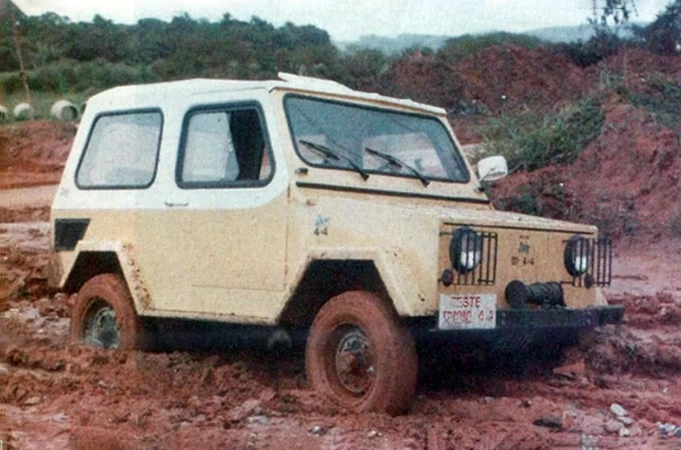
Dacunha, however, saw an opportunity to develop a civilian vehicle using ideas and engineering solutions from the programme. The relationship between the two projects was particularly close: according to automotive historian Alexander Gromow, Dacunha had access to the VEMP during the negotiations and effectively used it as a reference when developing the Jeg.
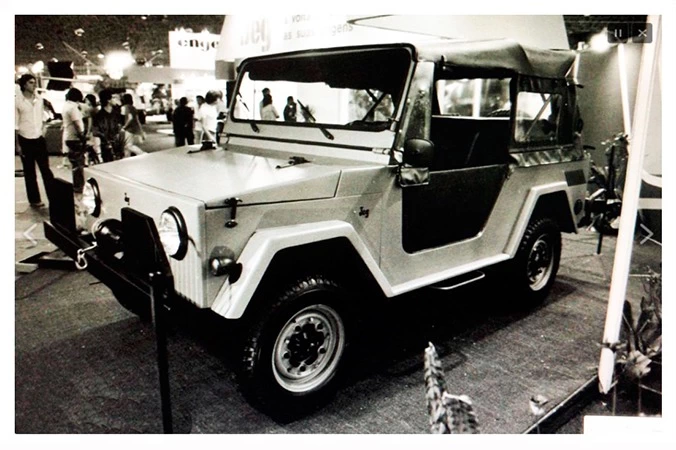
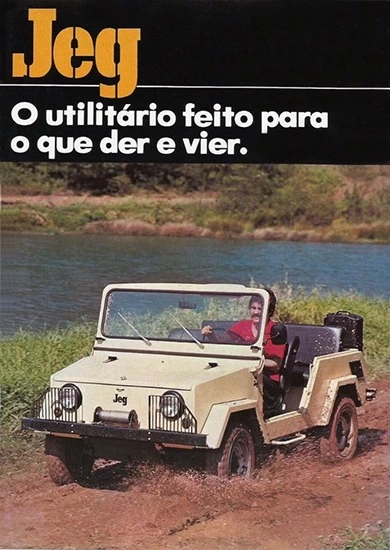
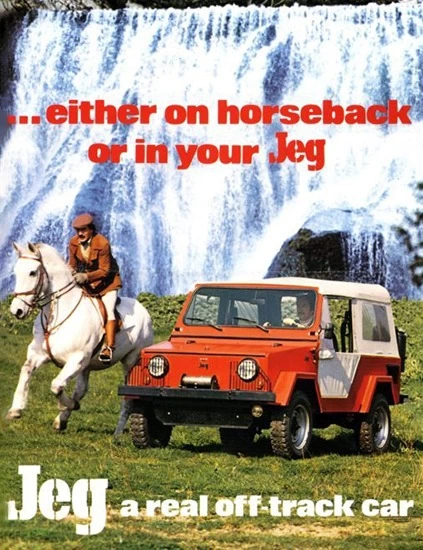
The new vehicle was presented at the 10th São Paulo Auto Show in November 1976. Following the positive reception, Dacunha decided to put it into production through ABC Diesel, with manufacturing beginning in July 1977. Unlike the original VEMP prototypes, the Jeg was intended primarily for civilian customers, including farmers and people who needed a simple, rugged vehicle for poorly maintained roads.
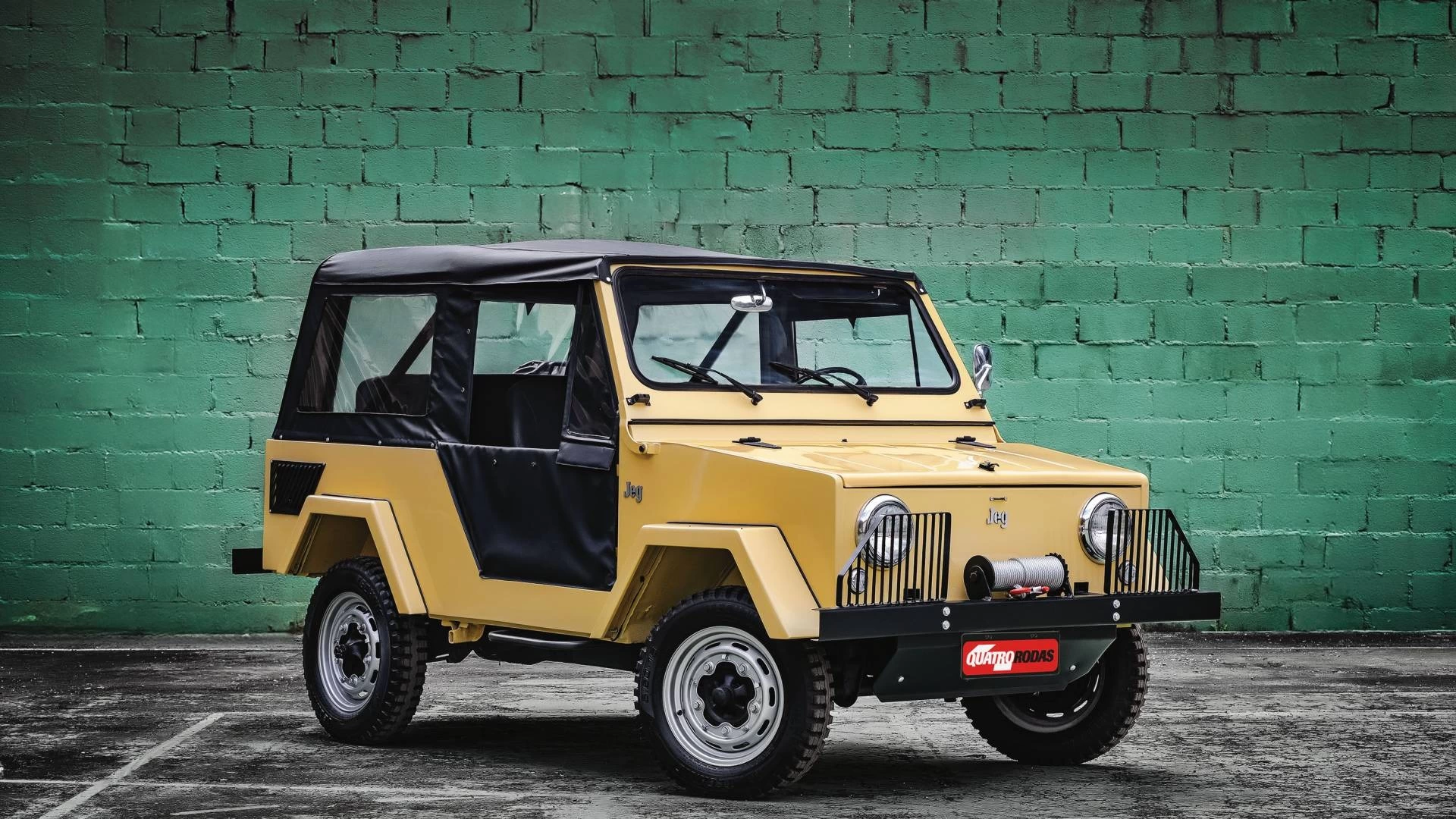
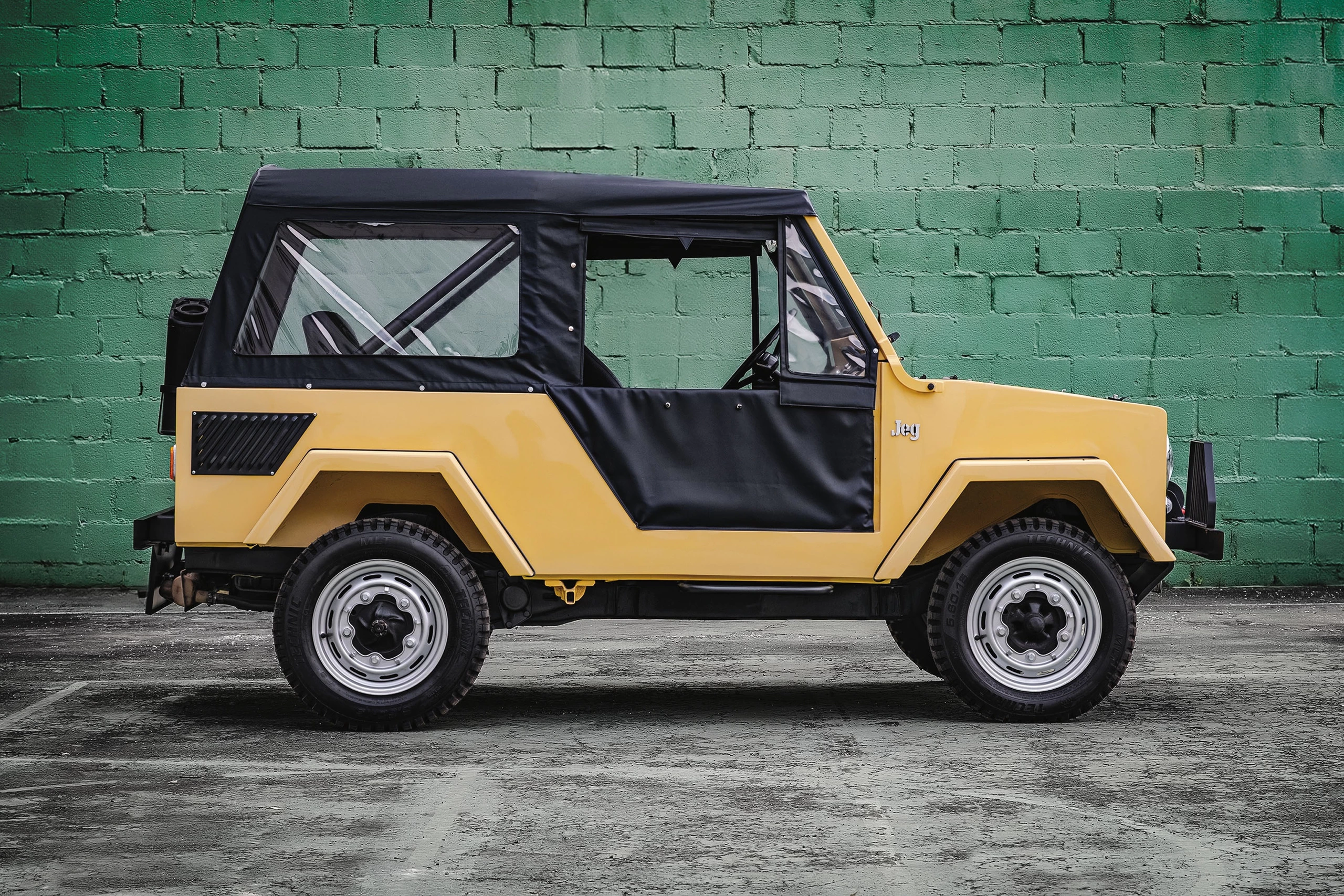
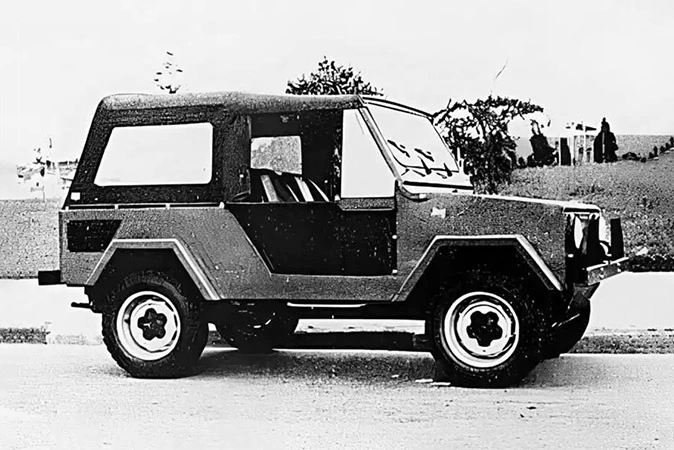
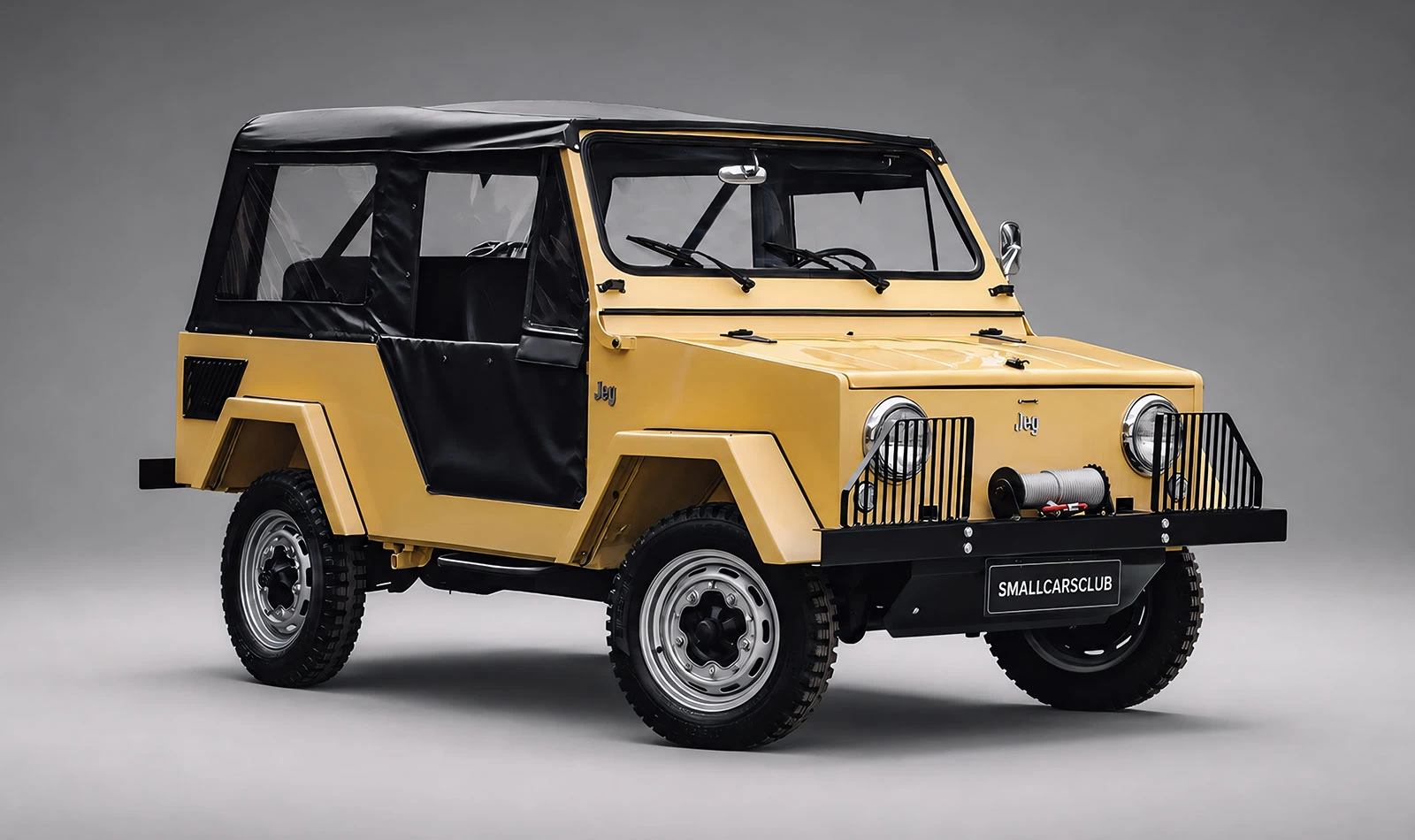
The Jeg used a shortened Volkswagen Kombi platform, with its wheelbase reduced by 40 cm (15.7 inches). Its body was made from folded steel sheets, a deliberate choice intended to make repairs easier in remote areas where spare parts and workshop facilities could be difficult to find.
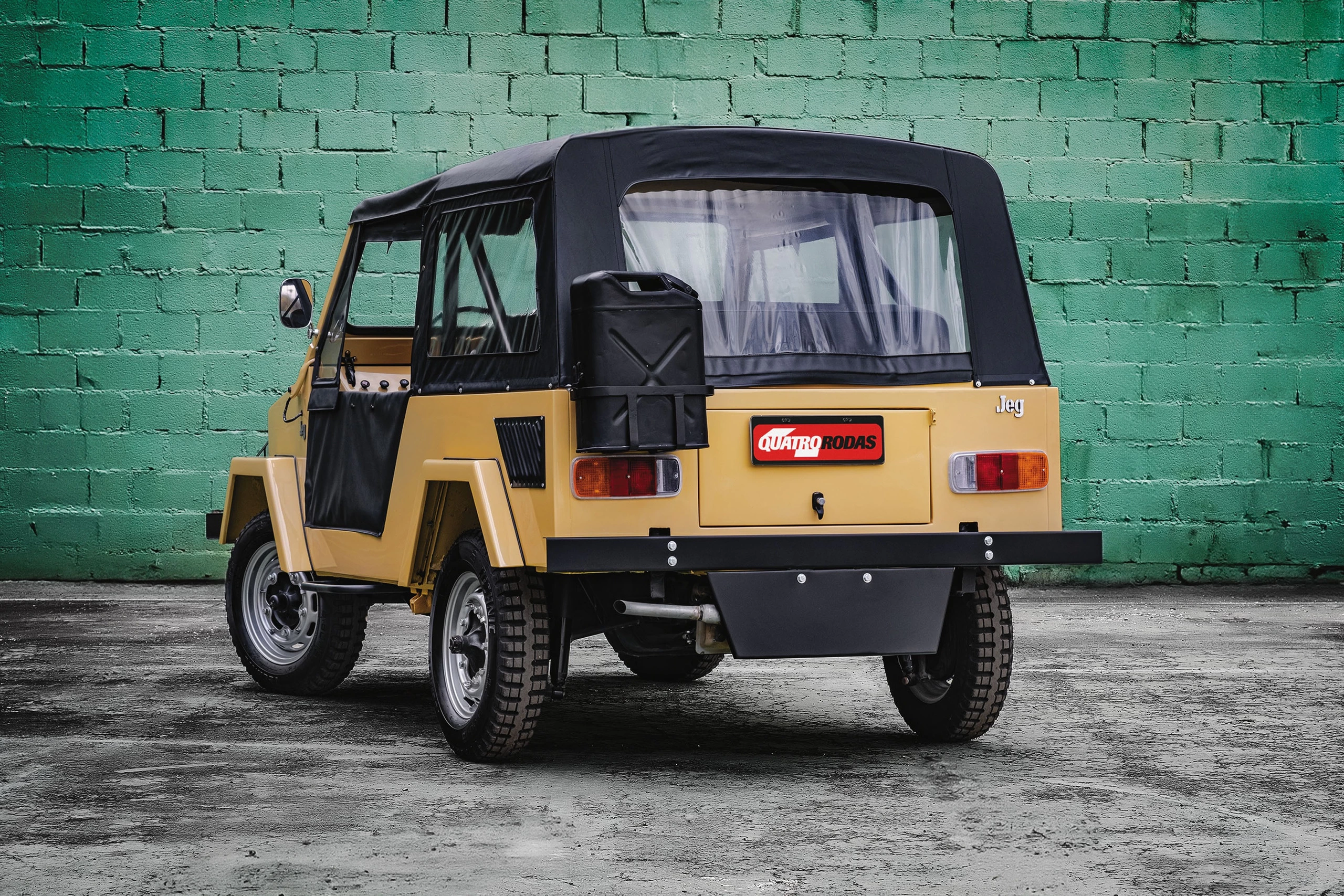
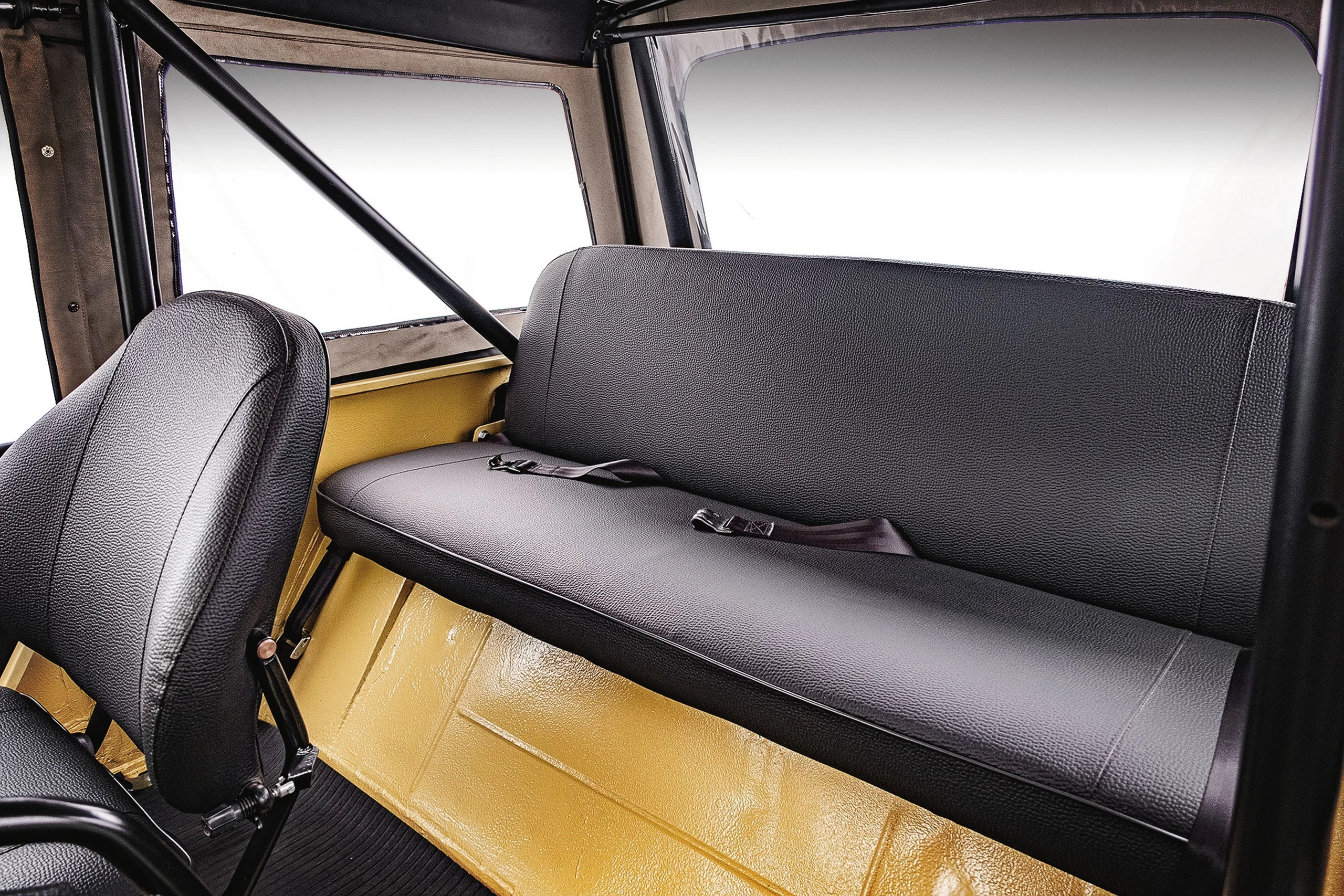
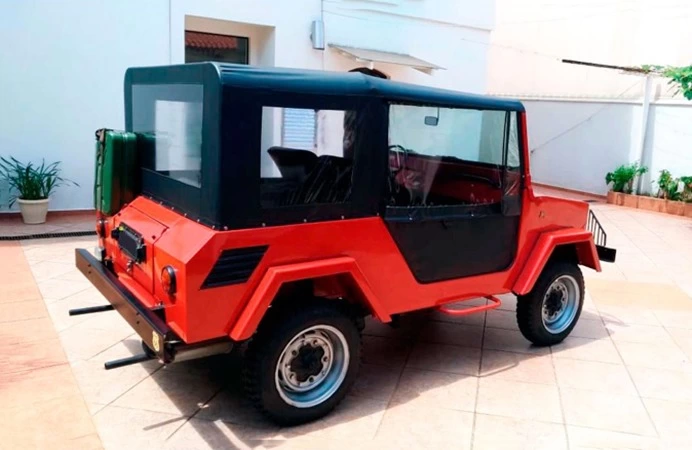
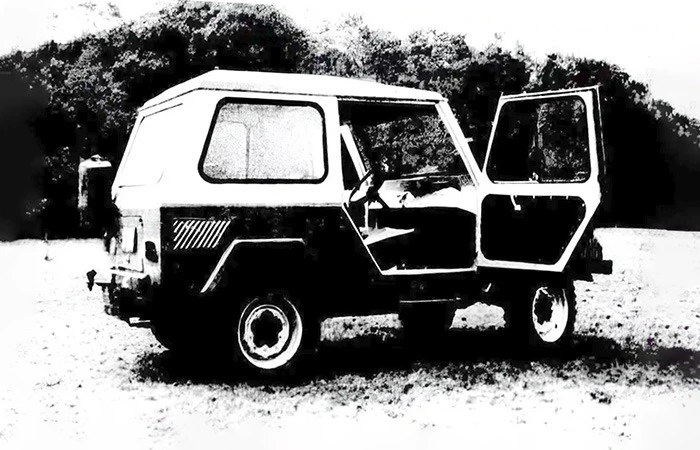
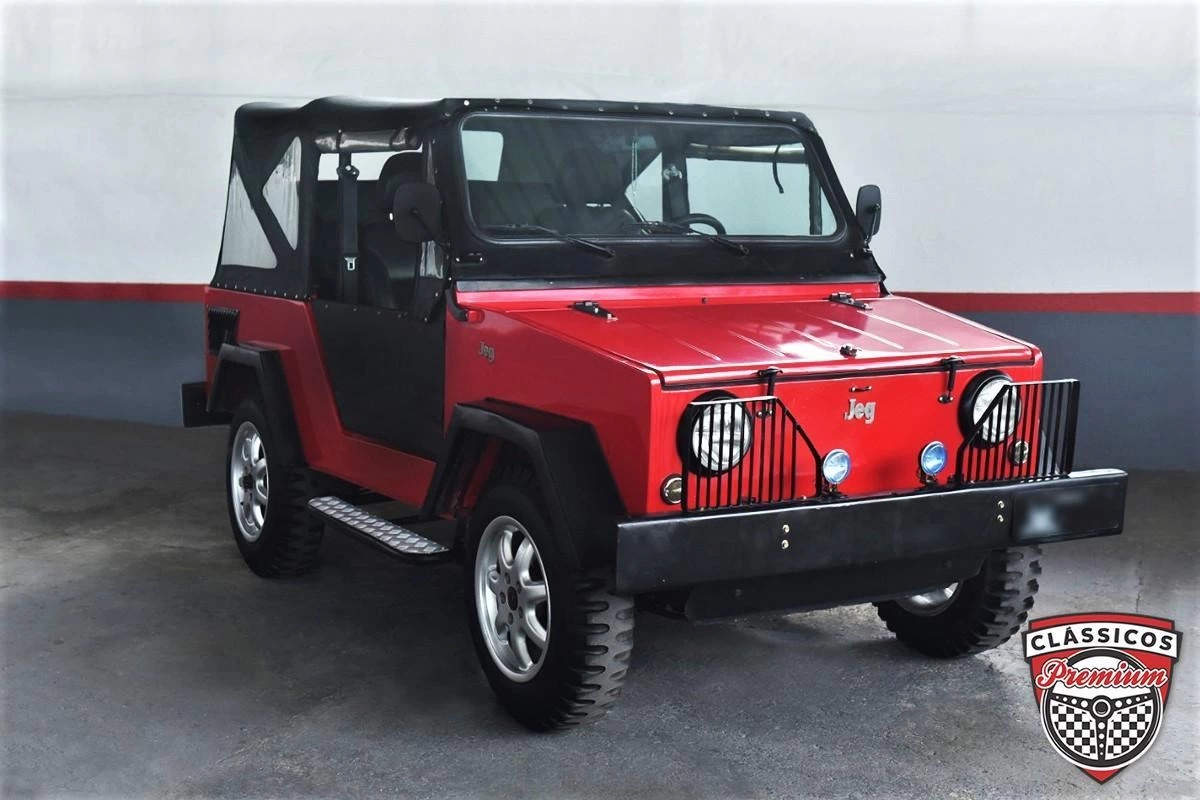
Early examples had a separate body mounted on the chassis, but later production cars adopted a welded monocoque construction. The original design was deliberately angular and utilitarian, with a folding windscreen, canvas roof and doors, and roll-up transparent plastic side windows.
The standard vehicle was a two-door open-top utility with rear-wheel drive. Contemporary descriptions differ on seating capacity: some sources list four occupants, while a later Quatro Rodas test described it as capable of carrying five. Its dimensions were 3.30 metres (130 inches) long, 1.445 metres (56.9 inches) wide and 1.70 metres (67 inches) tall, with a 2.00-metre (78.7-inch) wheelbase. The 1979 specification listed a kerb weight of 934 kg (2,059 lbs) and tyres measuring 7.35 x 15 inches.
Power came from Volkswagen’s rear-mounted, air-cooled 1,584 cc flat-four engine, driving the rear wheels through a four-speed manual gearbox. Early versions with a single carburettor produced approximately 48 hp, while the 1978 test car had 58 hp at 4,400 rpm and 11.2 kgfm (110 Nm) of torque at 2,600 rpm. A twin-carburettor setup was available as an option and improved engine performance.
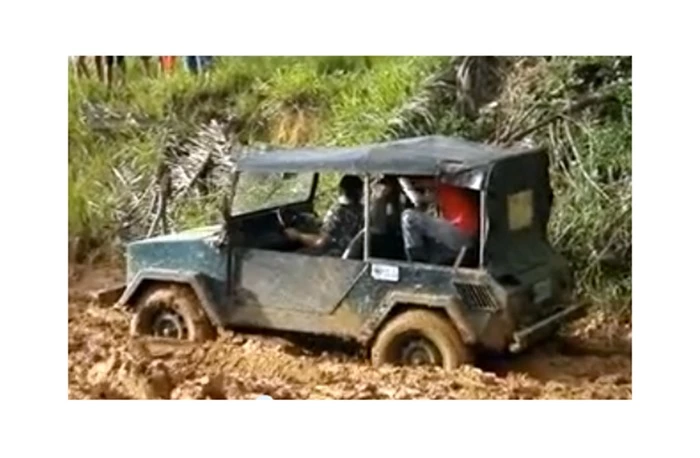
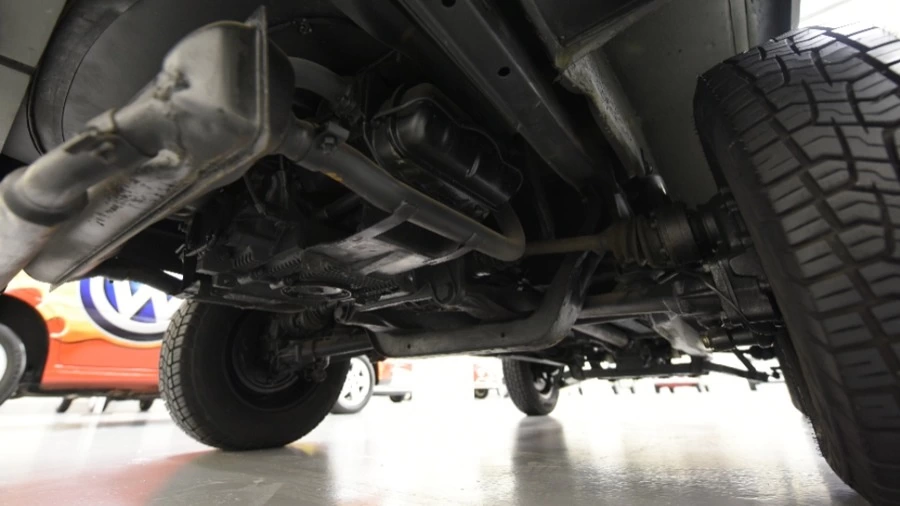
One of the Jeg’s most unusual features was its rear portal-axle arrangement, inherited from the Volkswagen Kombi. The half-shafts were positioned above the centres of the rear wheel hubs, with reduction gears transferring power to the wheels. This arrangement increased ground clearance and improved its ability to tackle rough terrain, but it also penalised performance on paved roads.
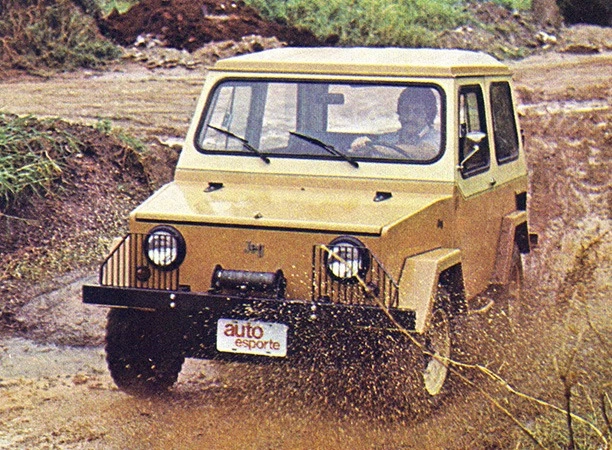
The Jeg was equipped with recalibrated suspension and large 7.35 x 15-inch tyres. Its ground clearance reached 30 cm (11.8 inches), while the approach and departure angles were 49 and 41 degrees respectively. Other equipment included a roll bar, a two-speed windscreen wiper, a special air filter for dusty roads and an optional winch with 25 metres (82 feet) of cable. A second spare wheel, tyre chains and other accessories were also available.
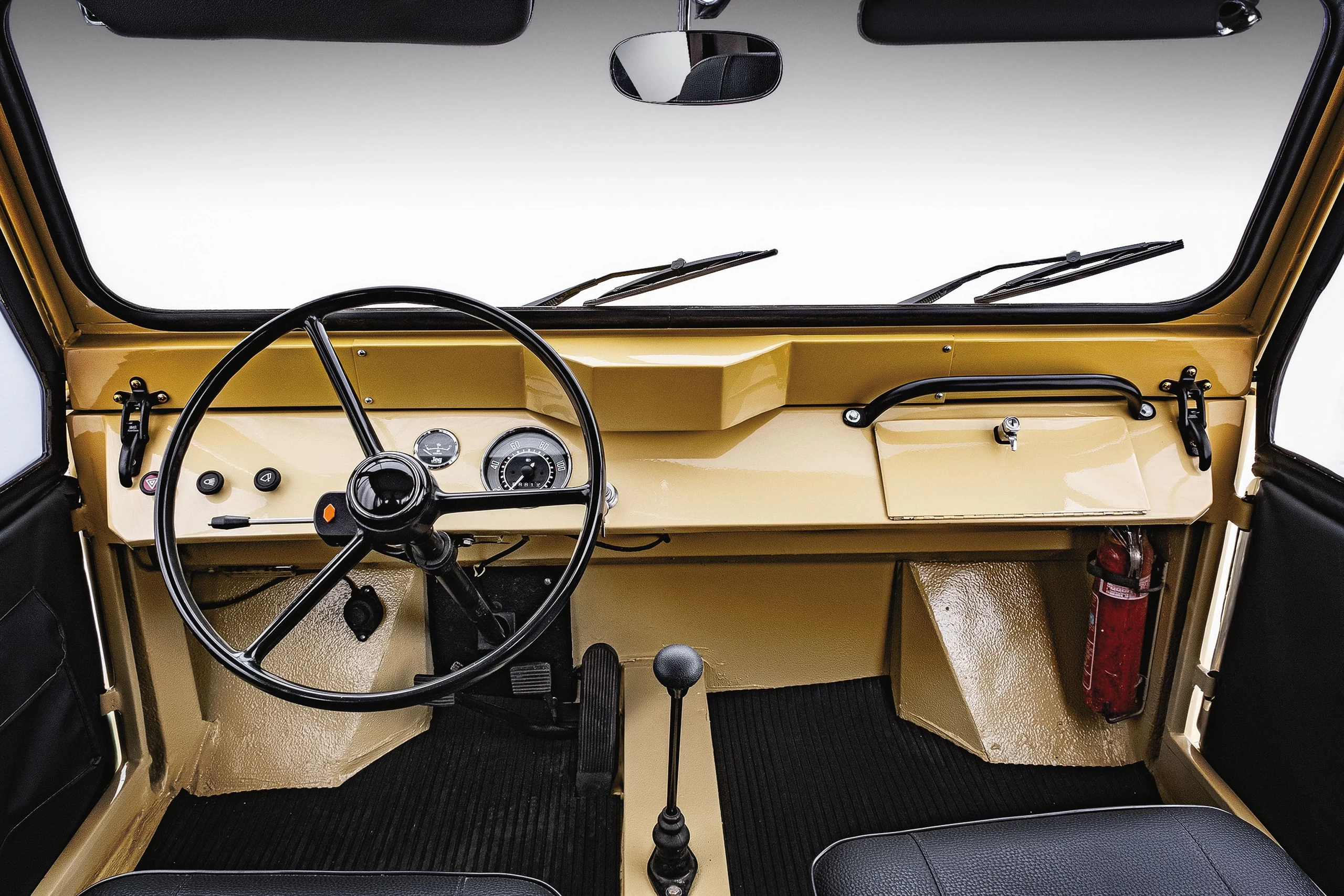
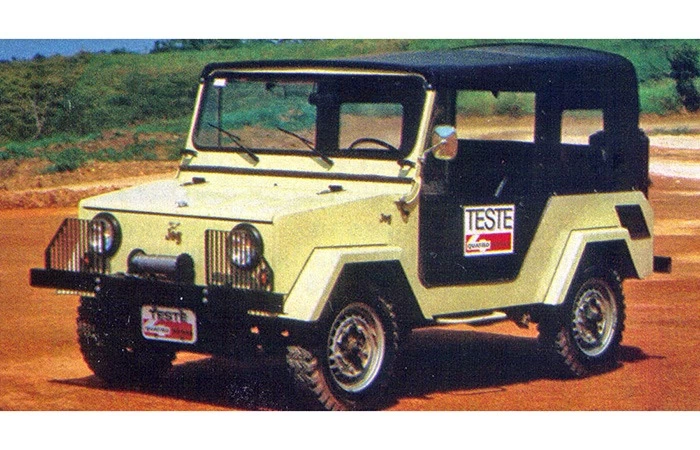
A March 1978 road test by Quatro Rodas revealed the limitations of the vehicle’s performance on paved roads. The Jeg averaged 7.94 km/l (12.6 l/100 km) of petrol and accelerated from 0 to 80 km/h (50 mph) in 17.82 seconds. Reaching 100 km/h (62 mph) took more than a minute, while its recorded top speed was 101.69 km/h (63 mph).
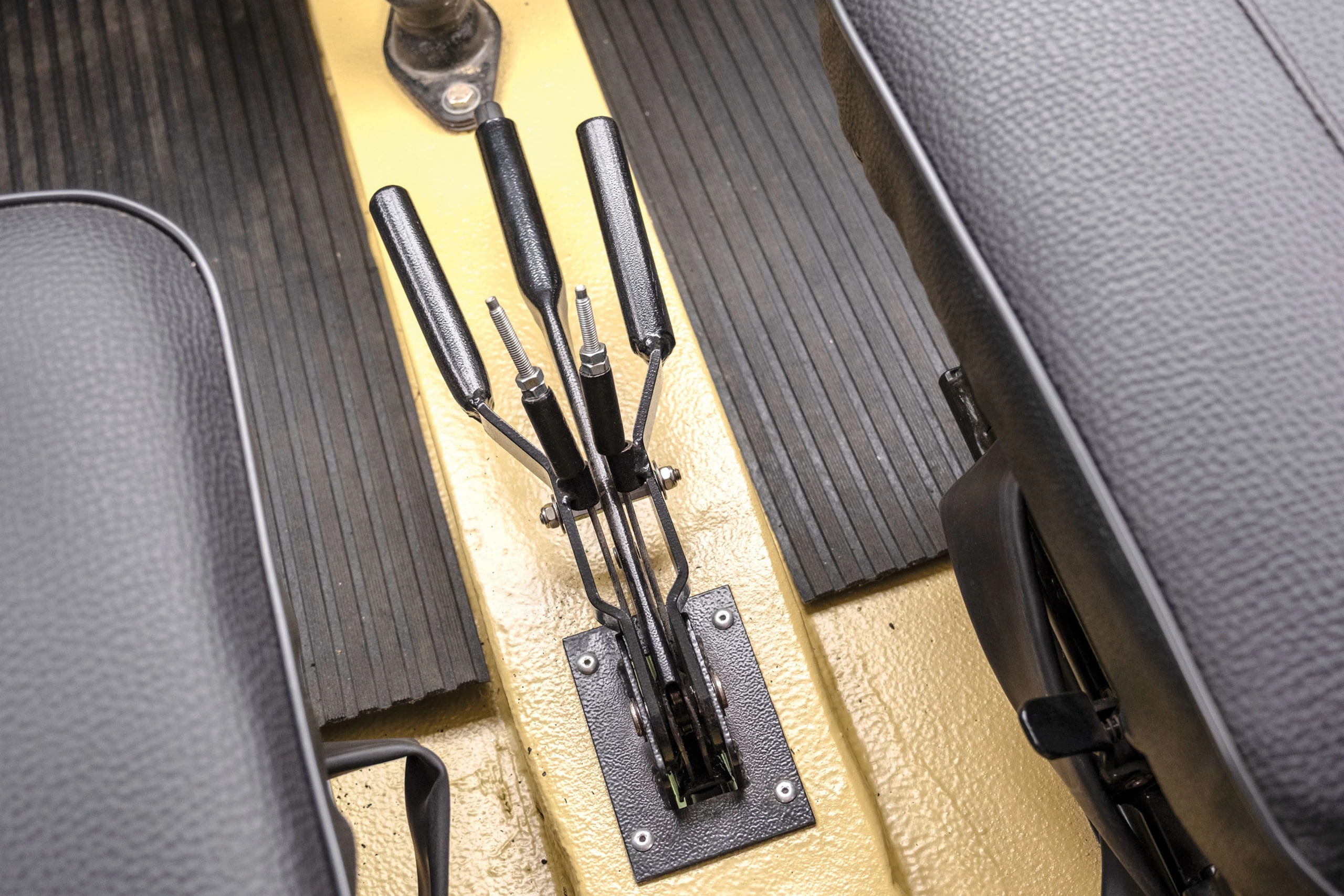
Nevertheless, testers praised its robustness, comfortable ride on unpaved roads, interior space and, particularly, its ergonomics. In a comparison with the Jeep Willys and Gurgel X-12 published later that year, the Jeg stood out for its driving comfort and well-positioned controls.
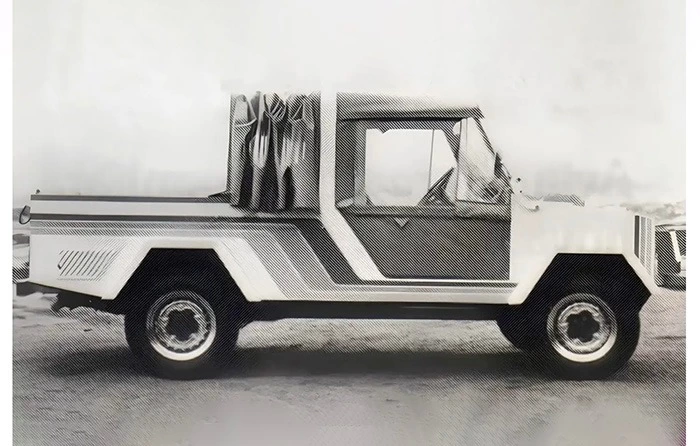
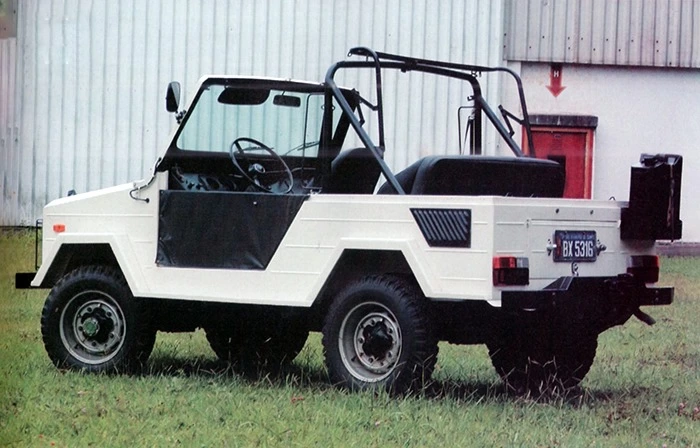
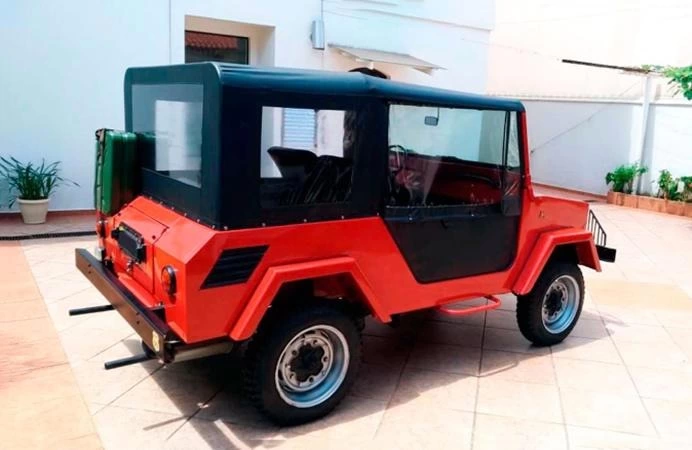
Dacunha also offered a military version, featuring camouflage lighting, a towing hitch and an additional 20-litre fuel can mounted at the rear. In 1978, the range expanded with two new body styles: the TA, featuring a rigid steel roof, and the MC pickup, which had an ingenious folding canvas cover over its cargo bed. The original open-top model was subsequently renamed TL. These updates also brought a redesigned rear body section that improved the use of interior space.
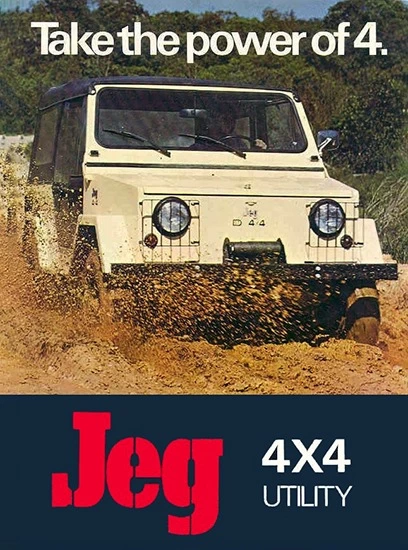
The lack of four-wheel drive remained the Jeg’s biggest limitation off the beaten track. To address this, Dacunha joined forces with engineering company QT, forming Dacunha-QT, and developed a conversion system for Volkswagen-based vehicles. The resulting Jeg 4×4 appeared in 1980. It used a transfer case mounted behind the gearbox to send power through a driveshaft to the front differential. Four-wheel drive was selectable rather than permanent, and the front wheels were fitted with freewheeling hubs.
Dacunha hoped the new version would open up military and export markets. A Jeg 4×4 was shipped to West Germany in 1980 for evaluation by the country’s armed forces, which were considering replacing around 1,200 utility vehicles. The company also explored potential sales of approximately 3,500 vehicles to Britain and other European Economic Community markets. The negotiations, however, failed to produce any major orders.
The Jeg had already reached European customers in the late 1970s, before the arrival of the 4×4 version, but demand remained limited. Production eventually ended in 1981, partly because Dacunha lacked the industrial capacity to manufacture vehicles on a larger scale and could not secure sufficient military or export contracts.
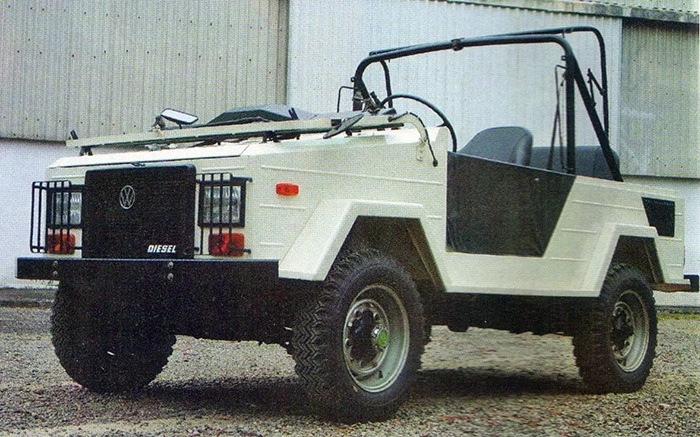
The total production figure remains uncertain. According to former company employees, more than 500 examples were built, although some accounts suggest a figure closer to 600. Only a small number were equipped with four-wheel drive. One particularly unusual example received a Volkswagen diesel engine and a redesigned front end with a radiator grille and other body modifications.
The Dacunha Jeg remains a rare and unusual chapter in Brazilian automotive history. Born out of a failed Volkswagen military programme, it combined familiar German mechanical components with a locally developed body and chassis modifications. Although it never became a major commercial success, it offered a practical alternative to the Jeep and Gurgel Xavante, and eventually evolved into a four-wheel-drive vehicle with ambitions far beyond its modest production scale.