BYD’s Smallest Car Yet? New Patent Reveals a Quirky Two-Door Microcar

BYD has filed a design patent for an unusually compact two-door microcar, and the drawings suggest the company may be preparing a much smaller urban vehicle than anything currently in its line-up.
The filing was published by China’s National Intellectual Property Administration, or CNIPA, on 10 November 2026, although BYD has not confirmed that the car will reach production.
The patent was originally filed on 18 December 2025 under application number 202530748612.8 and was granted under publication number CN 310308323 S. It identifies five designers: Zhao Binggen, Wolfgang Egger, Xu Ziyan, Huang Xi and Zhang Xi.
Wolfgang Egger is BYD’s global design director and one of the most prominent figures in the company’s design organisation. Before joining BYD in 2017, he led Audi Group design and had also worked on designs for Lamborghini and Alfa Romeo. His involvement suggests that the microcar is not a minor styling exercise, although a patent does not prove that Egger personally created every element of the final design.
Zhao Binggen, who is also listed as a designer, heads BYD’s Dynasty Research Institute. This has led some observers to speculate that, if the vehicle reaches production, it could become part of BYD’s Dynasty range rather than its Ocean series.
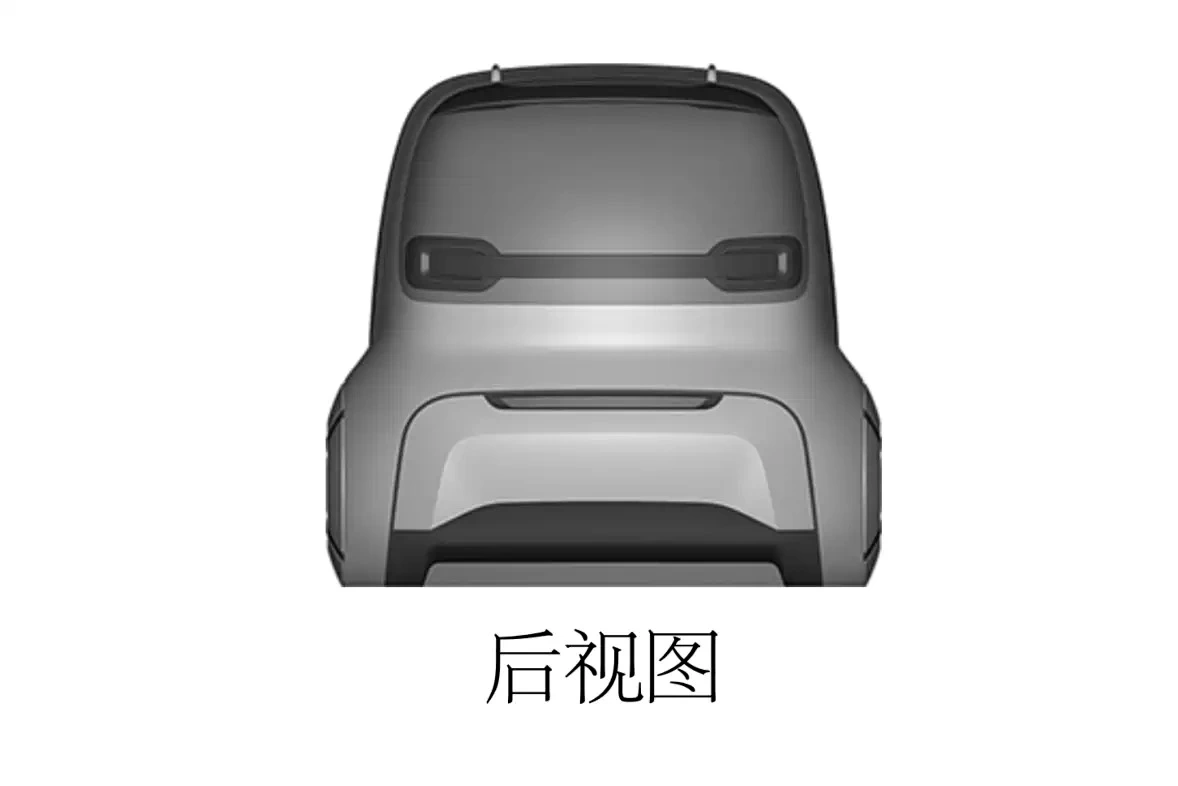
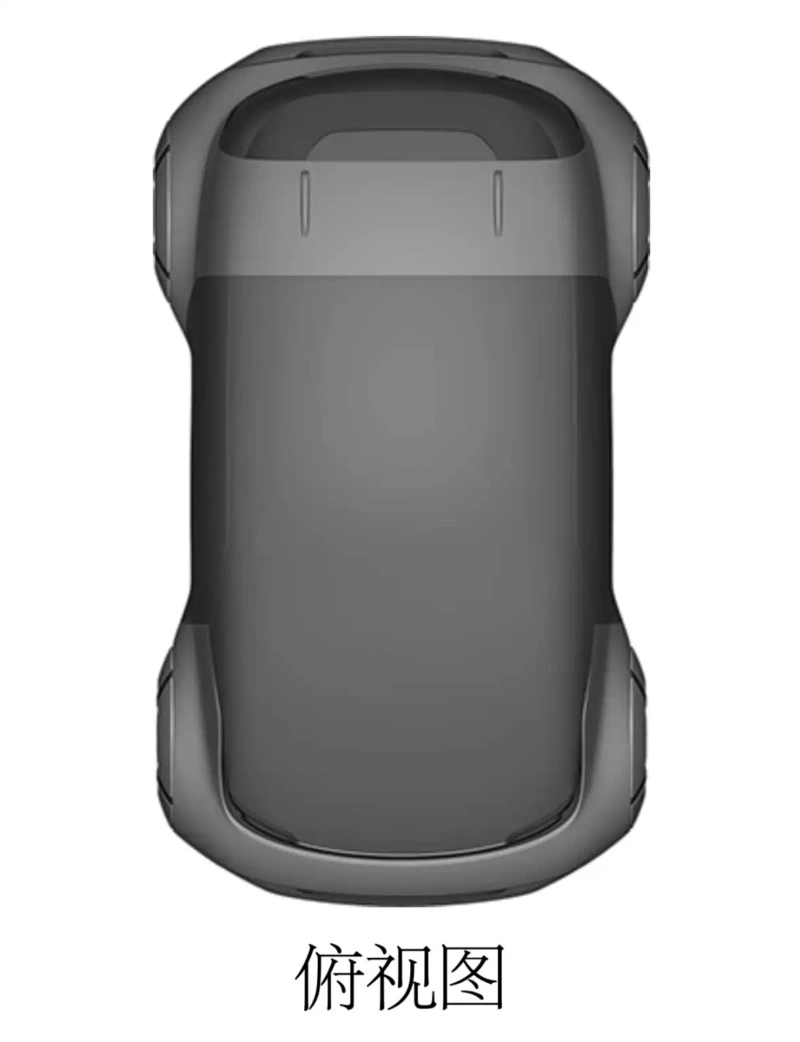
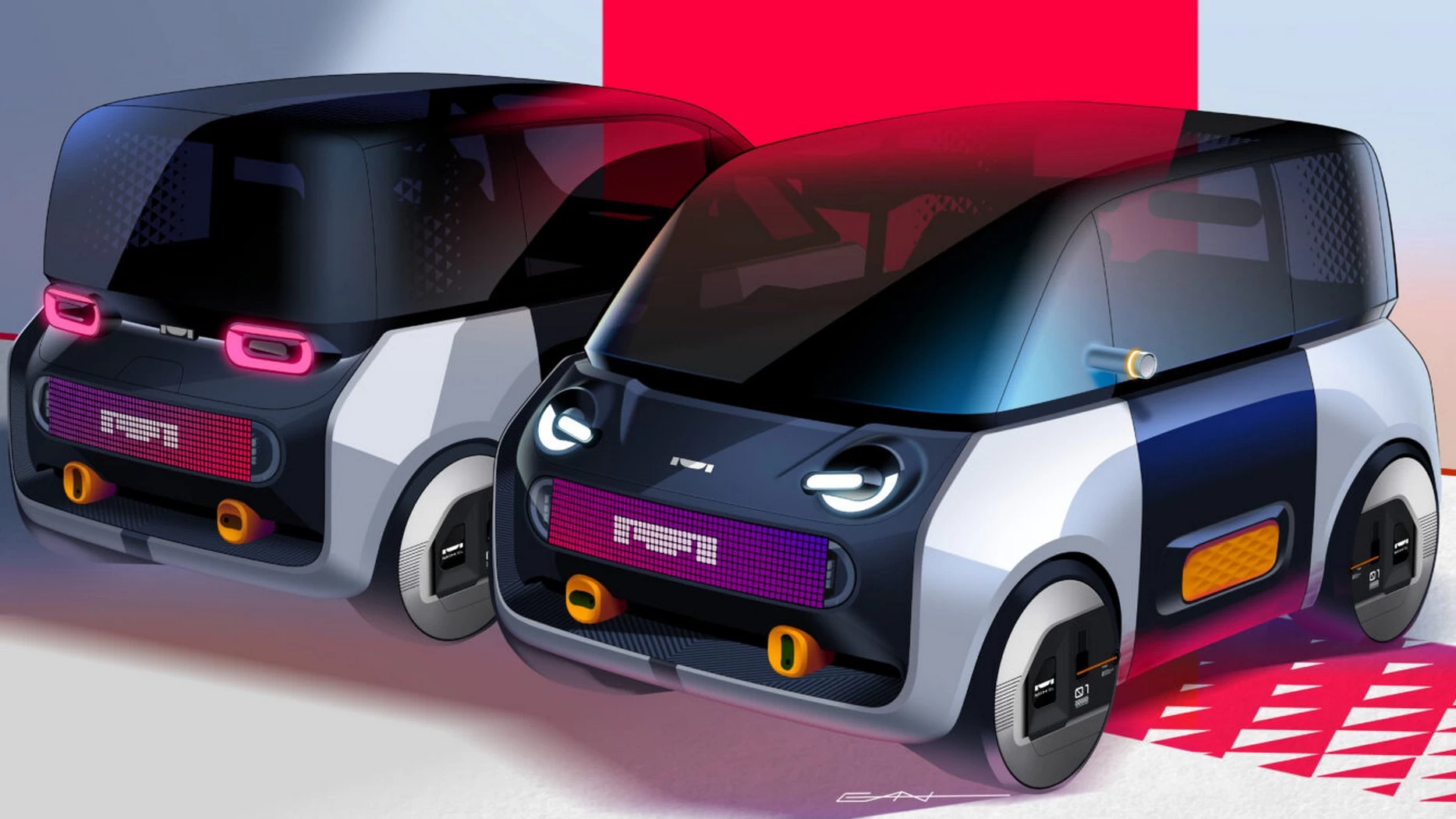
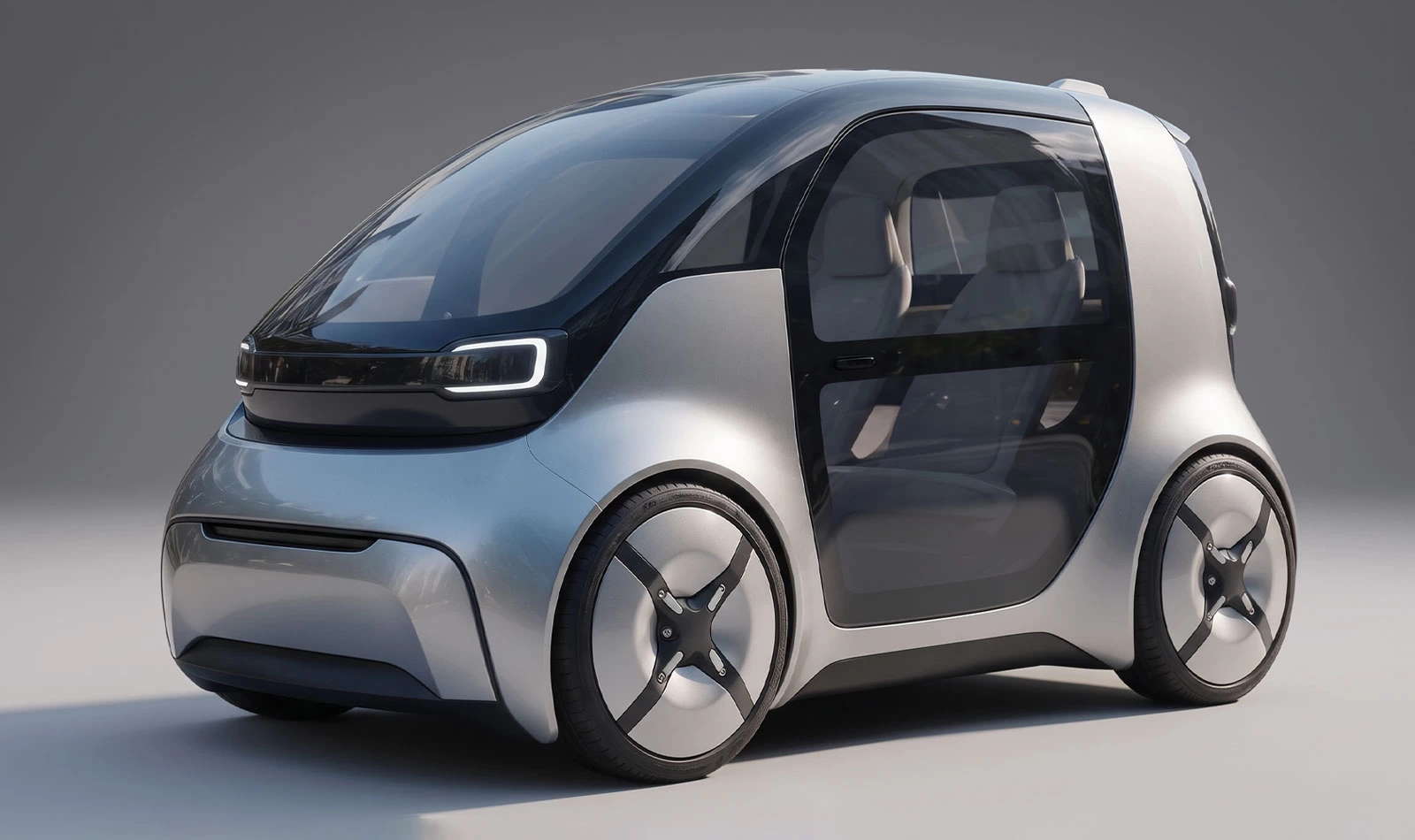
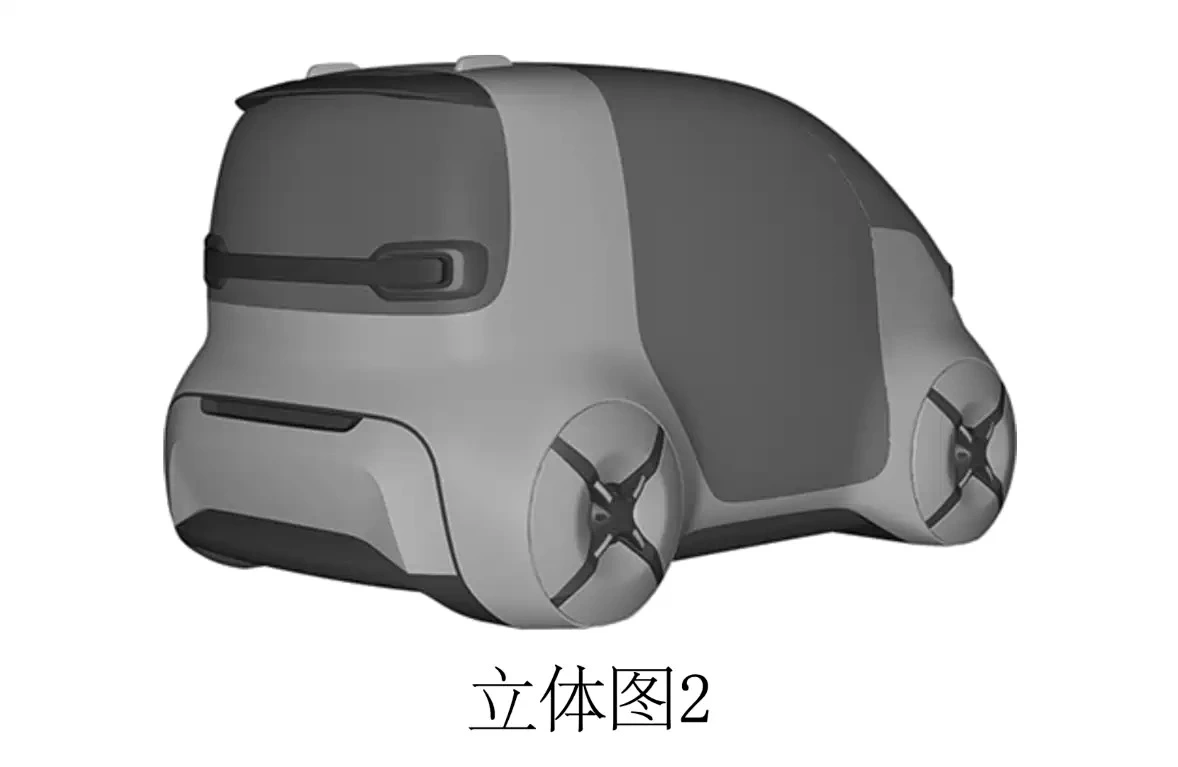
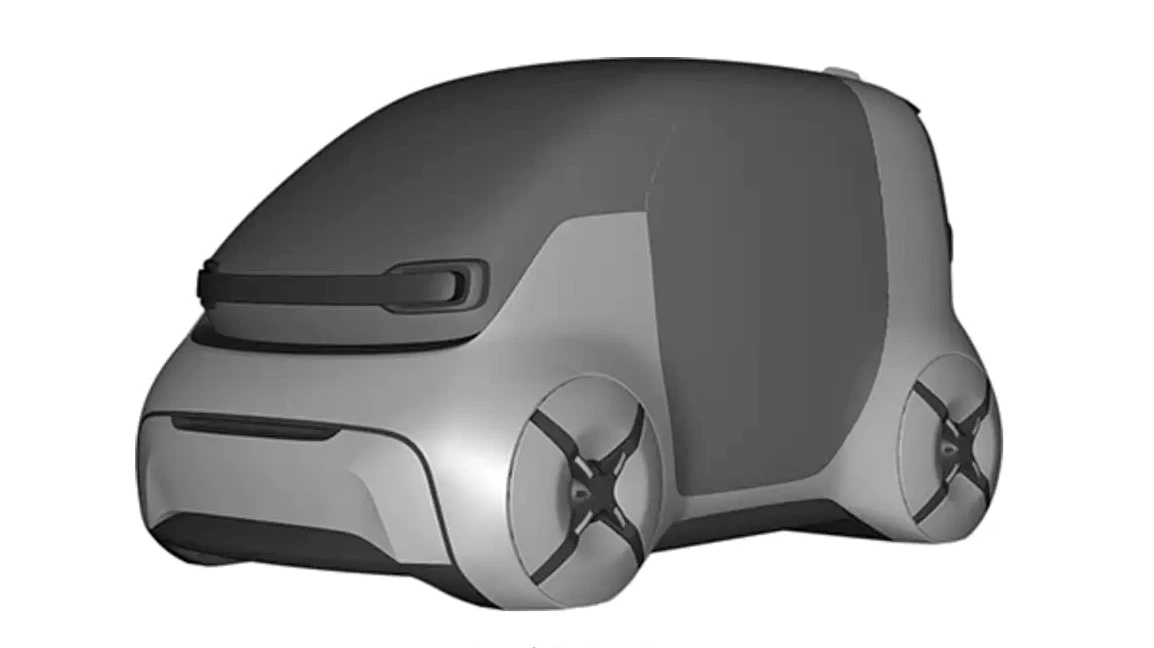
The patent images show a rounded, one-box-shaped city car with a very compact footprint. It has one large door on each side, extremely short front and rear overhangs, and wheels positioned close to the corners of the body.
The most striking feature is the near-symmetrical treatment of the front and rear. Both ends feature full-width light bars, closed-off surfaces and curved lower panels that create a playful “smiling face” appearance. The rear is nearly vertical, while the front has a short bonnet and a large wraparound windscreen.
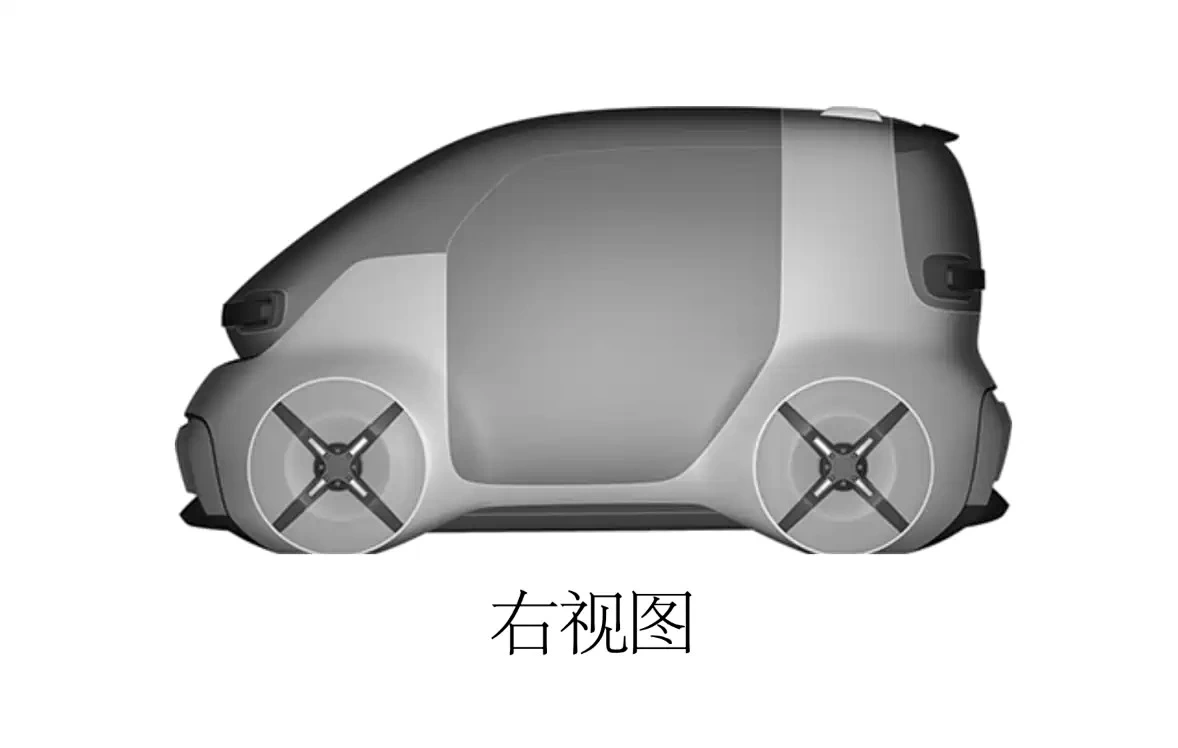
The design is notably different from BYD’s existing small cars, including the Dolphin and Atto 1. It appears considerably more experimental, with an almost toy-like silhouette, large glazed areas and a low, urban-focused stance.
The patent describes the vehicle only as a “vehicle” for carrying passengers or providing transport. It does not reveal a model name, exterior dimensions, seating capacity, battery capacity, electric-motor output, driving range or price.
It also does not confirm that the car will be electric, although that would be the most logical assumption for BYD. The company’s line-up is dominated by battery-electric and plug-in hybrid models, and a tiny urban vehicle would fit naturally within its electrified product strategy.
BYD has not officially commented on the patent or announced production plans. For that reason, the filing should be treated as evidence of design exploration rather than confirmation of a new model. Design patents protect appearance, not engineering or commercial decisions, and automakers regularly patent concepts that never enter production.
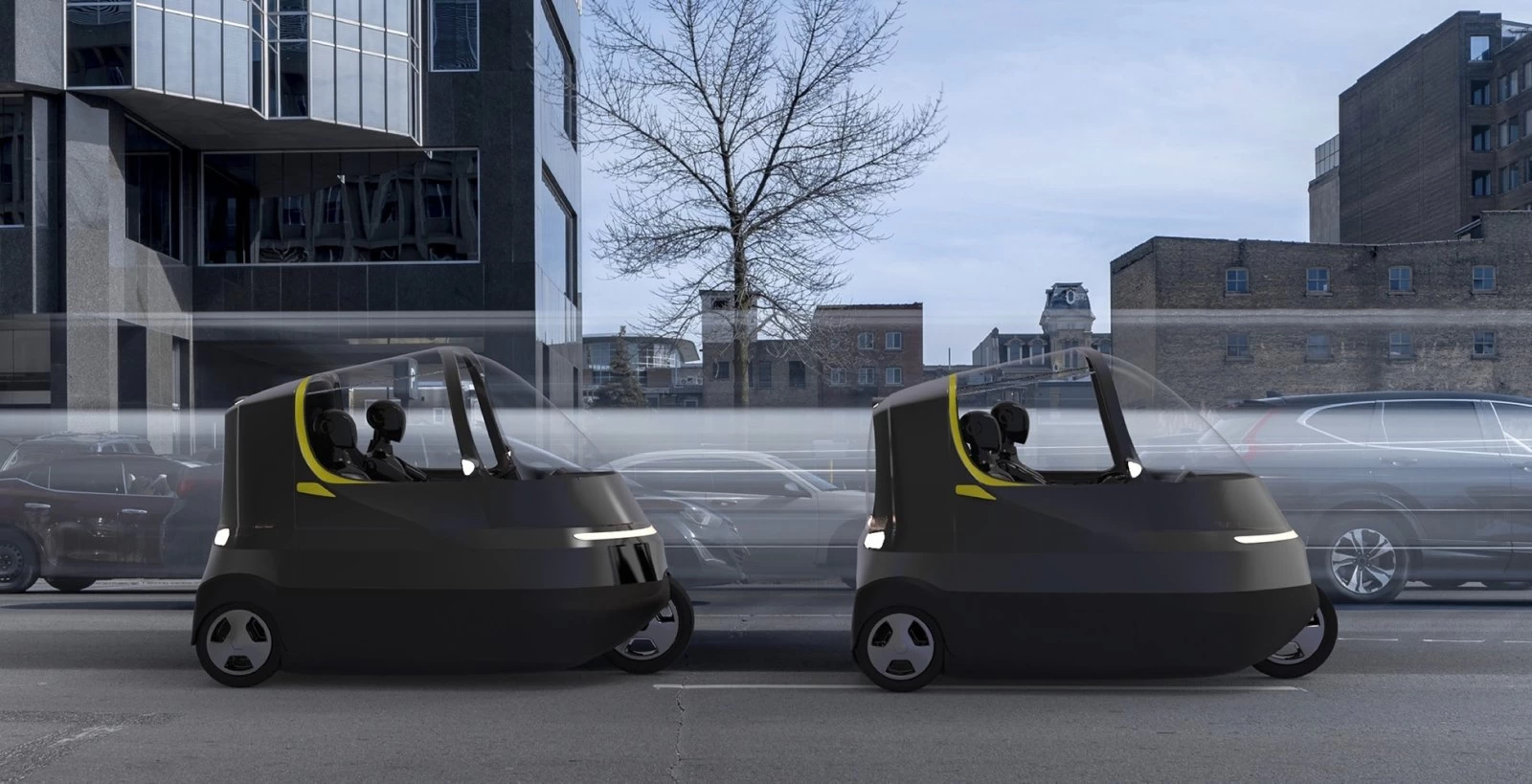
The microcar could nevertheless signal BYD’s interest in a new segment. The company has a broad range of passenger cars, but it has not yet entered the microcar category in the way that smaller Chinese brands have.
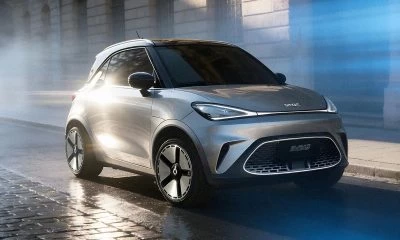
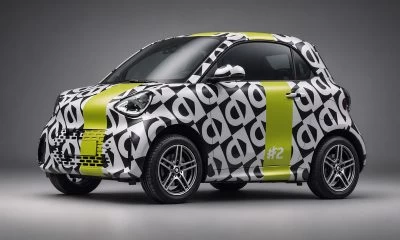
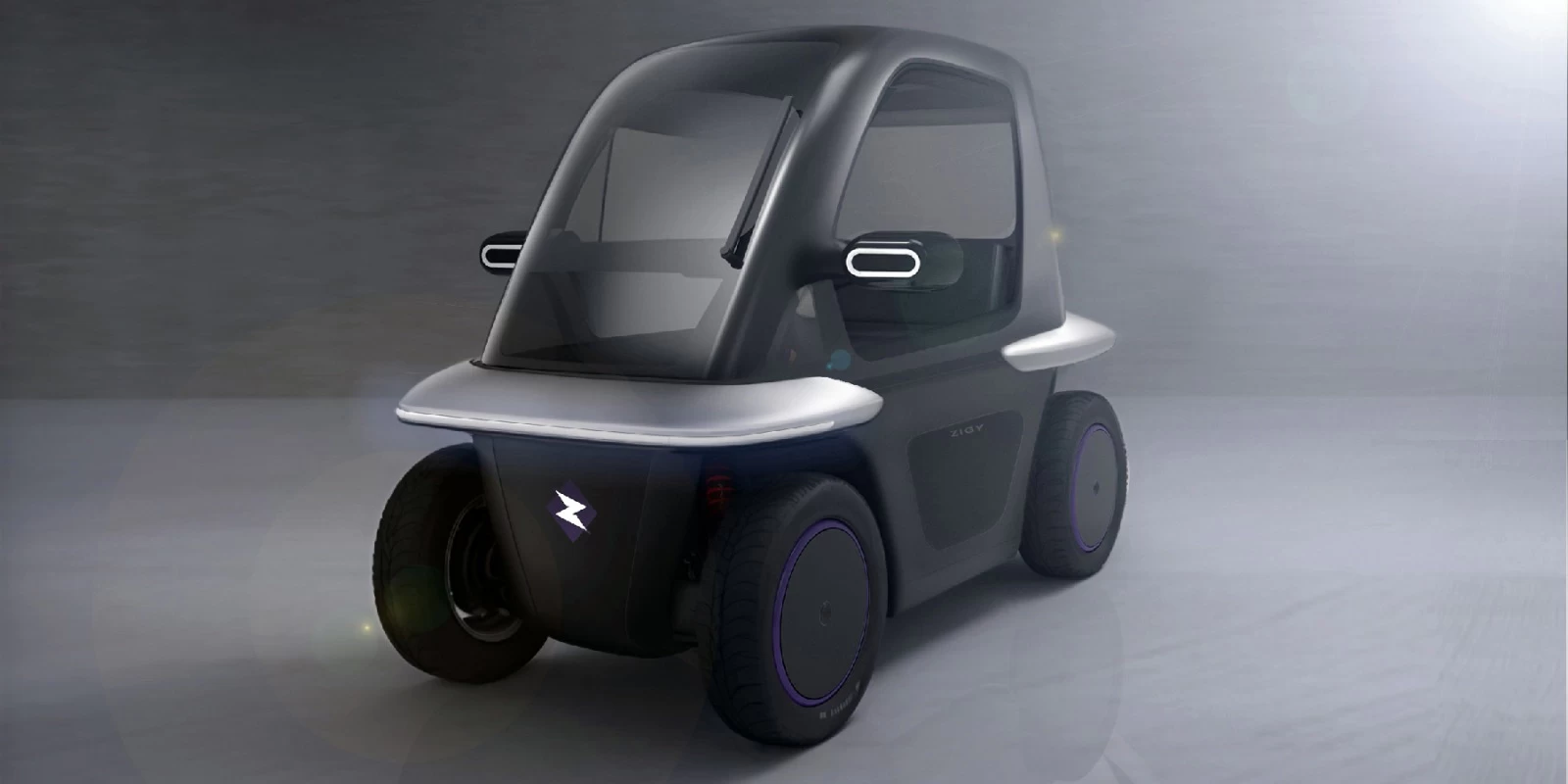
The design also invites comparison with the smart #2, the small two-seat electric successor to the smart fortwo. Both vehicles share a compact, rounded, city-oriented shape, although BYD’s patent shows a more symmetrical and futuristic interpretation of the formula.
If BYD decides to build the car, it would likely target dense Chinese cities, where very small vehicles are practical for daily commuting, parking and low-cost urban transport. However, there is currently no indication that the model is intended for Europe or any other export market.