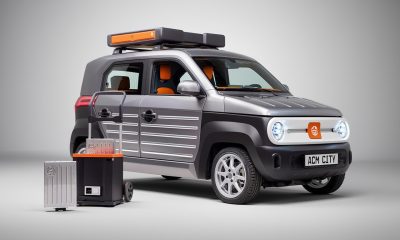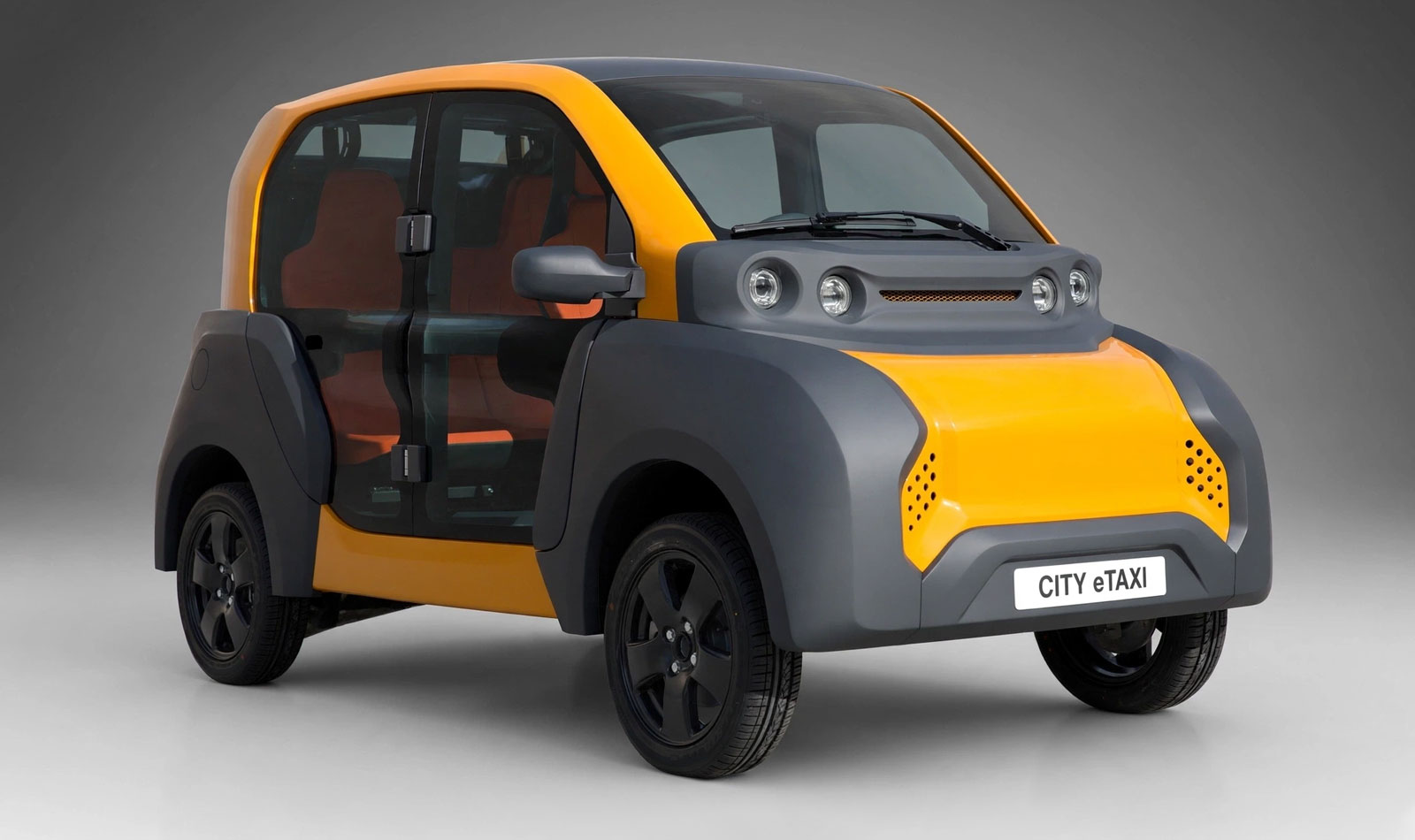
ACM City e-Taxi

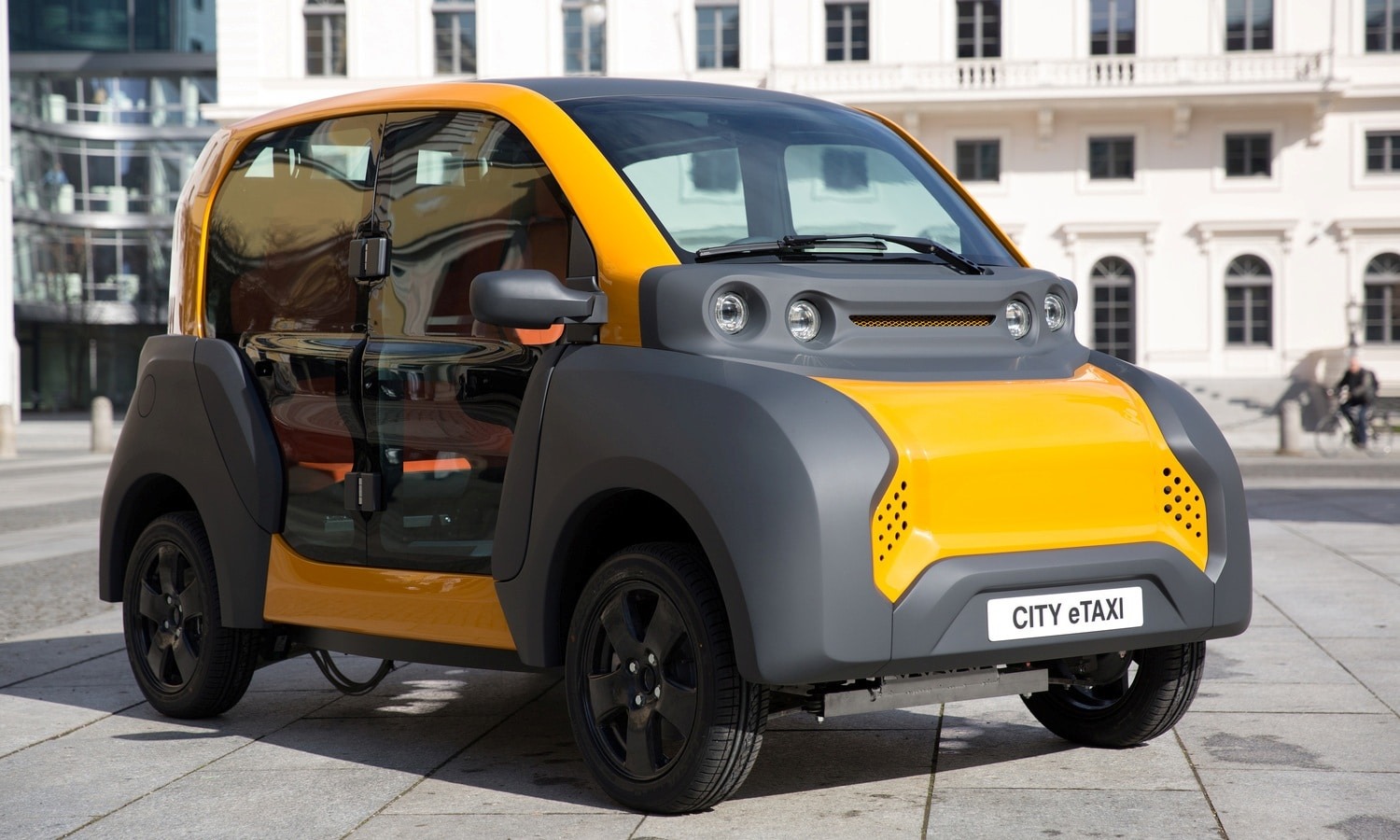
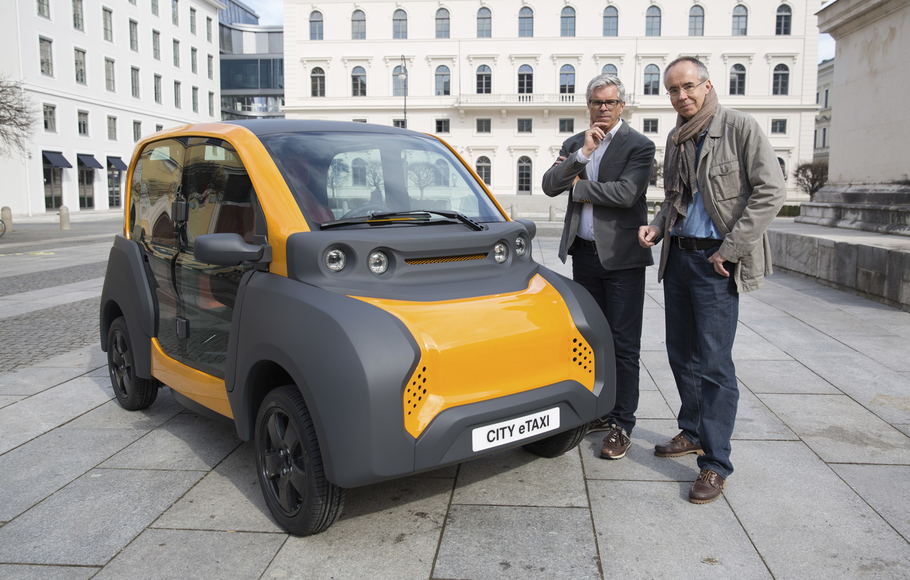
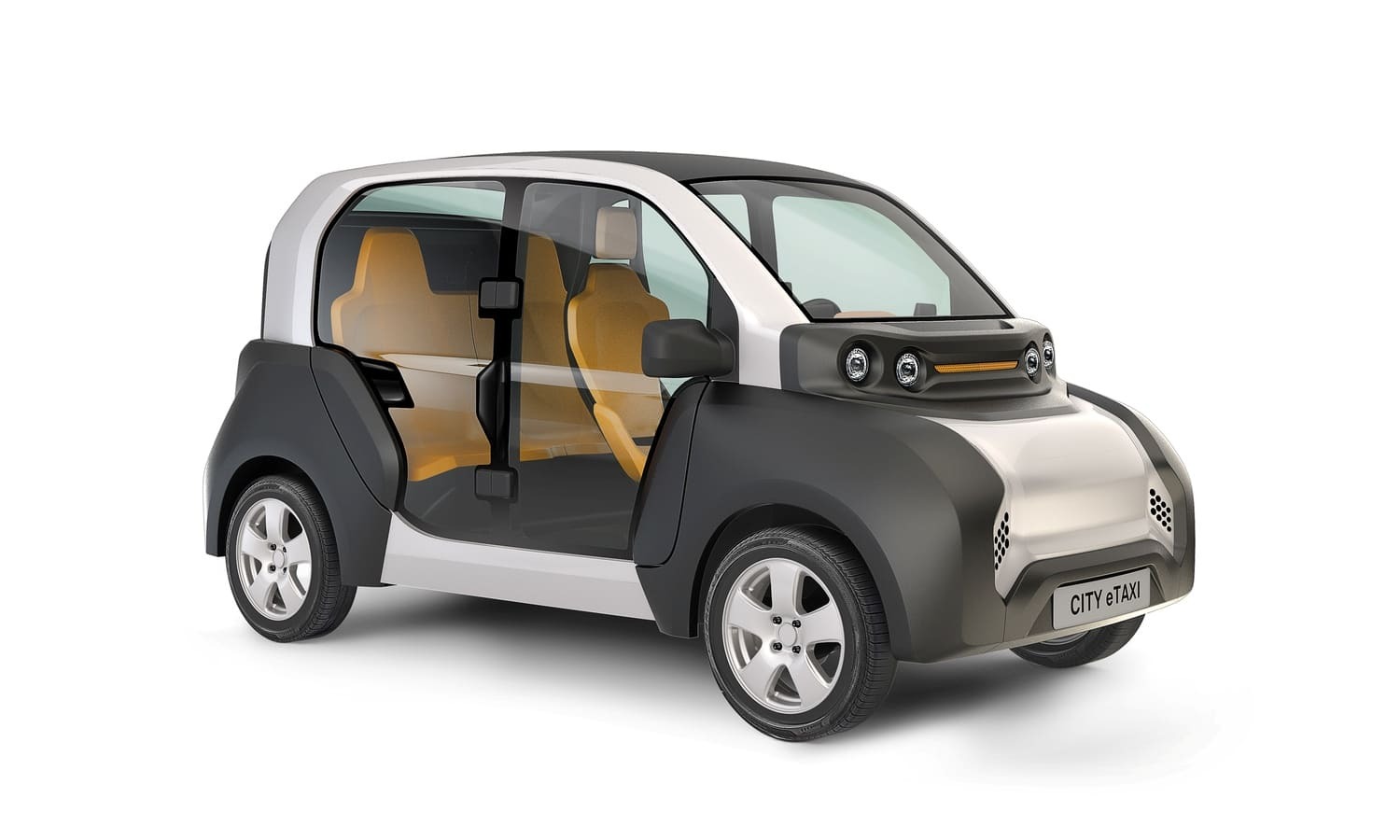
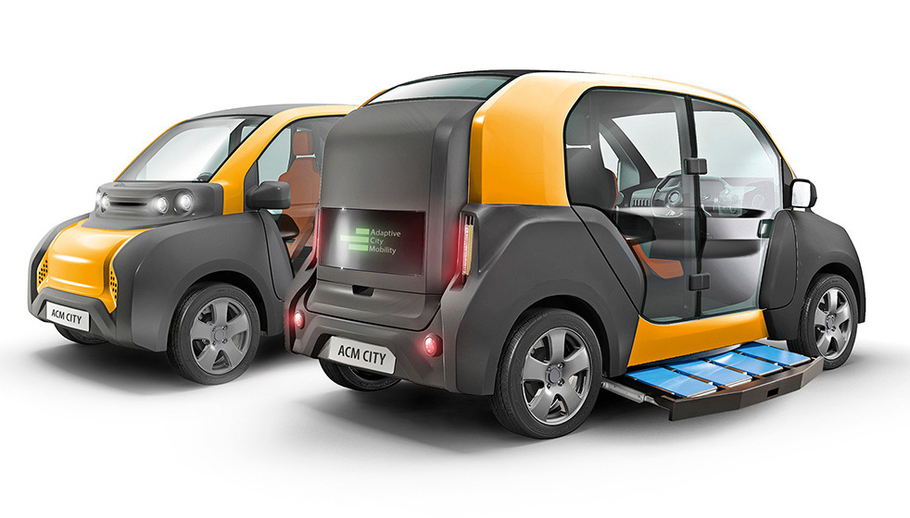
The ACM City e-Taxi is a lightweight electric urban vehicle developed by the German company Adaptive City Mobility. Conceived primarily as a future taxi, it was also designed to serve as a compact van for city deliveries.
The project was supported by Germany’s Federal Ministry for Economic Affairs and Energy and developed with the participation of Roding Automobile and other technical partners.
The prototype was presented at CeBIT in Hanover as part of the ICT-EM III project. Its central idea was to combine a very low vehicle weight with a spacious interior, electric propulsion and batteries that could be removed and replaced rather than recharged in the conventional way. With exchangeable batteries installed, the vehicle weighed approximately 550 kg.
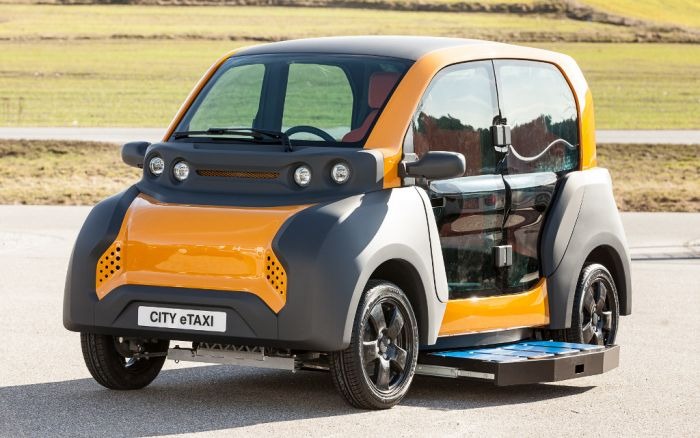
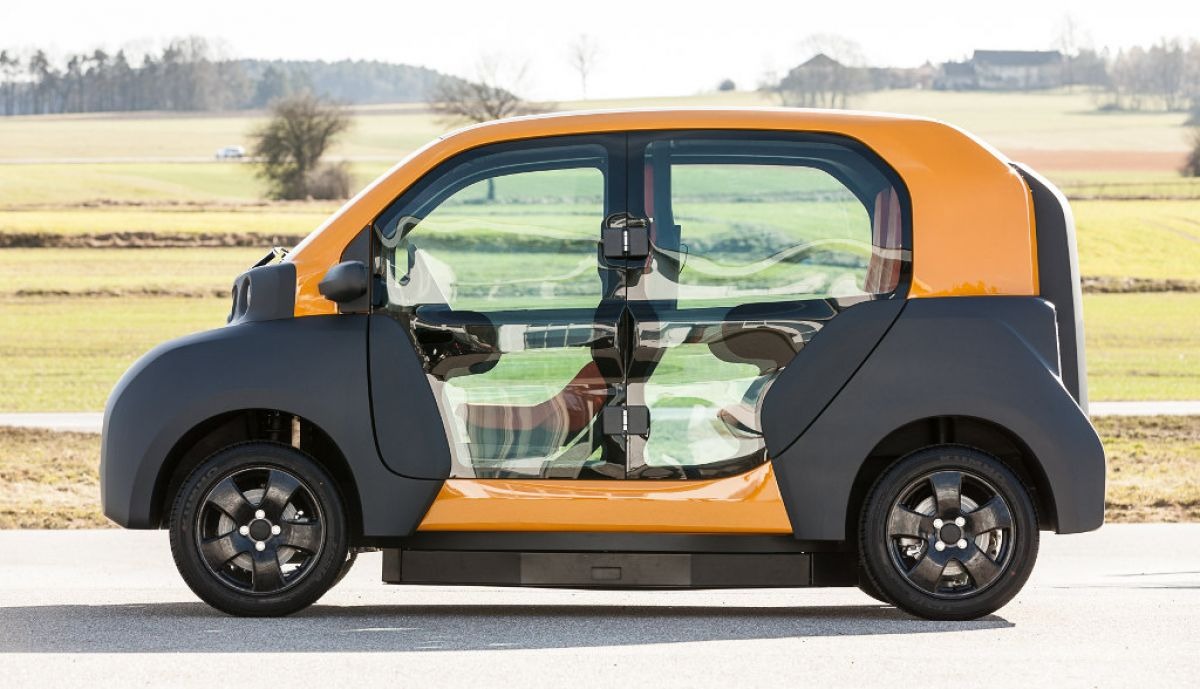
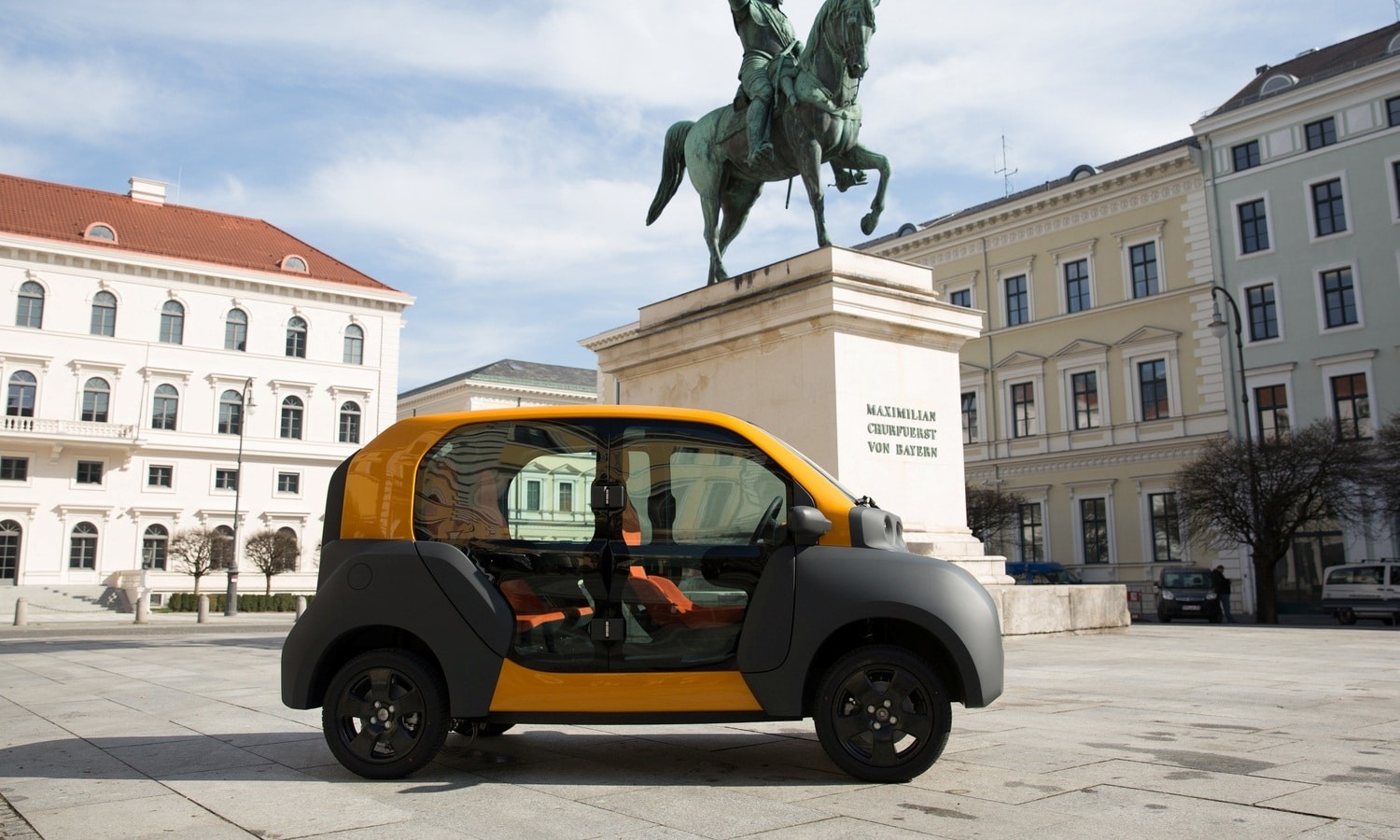
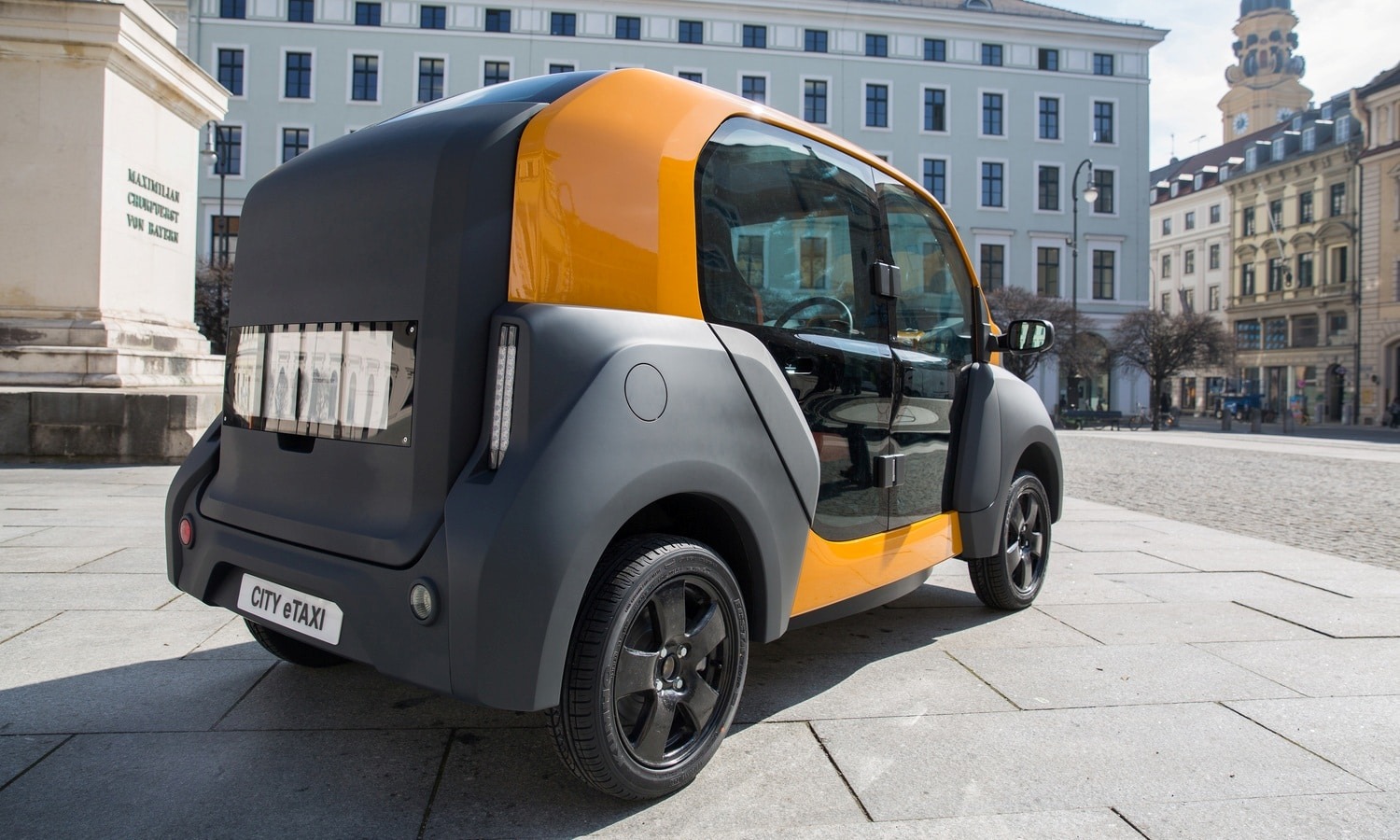
The City e-Taxi measured around 3.30 metres in length, 1.48 metres in width and approximately 1.56 metres in height. The capsule-shaped body could be configured with or without doors and used lightweight composite construction, combining aluminium with carbon-fibre-reinforced material. Composite components were also used for the wheels.
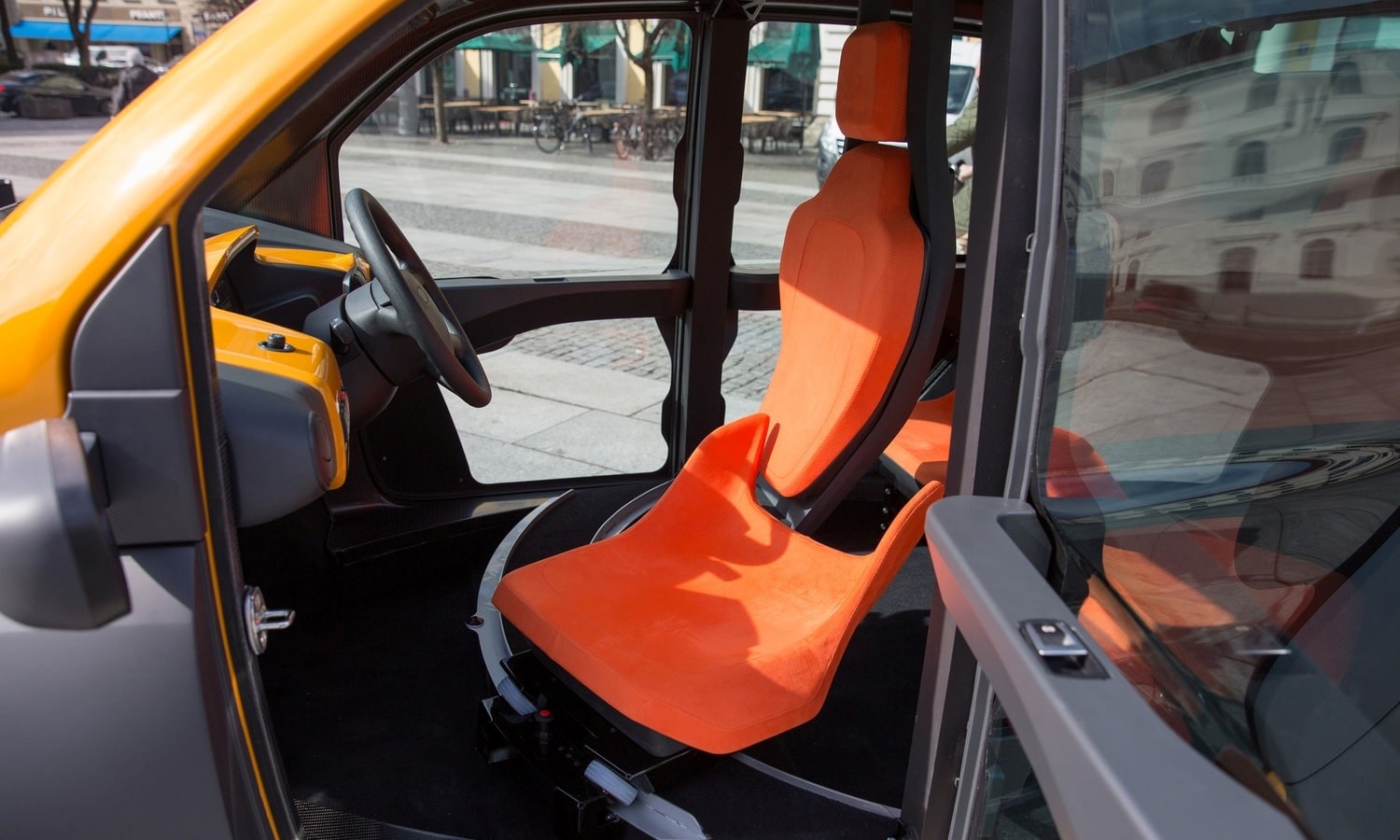
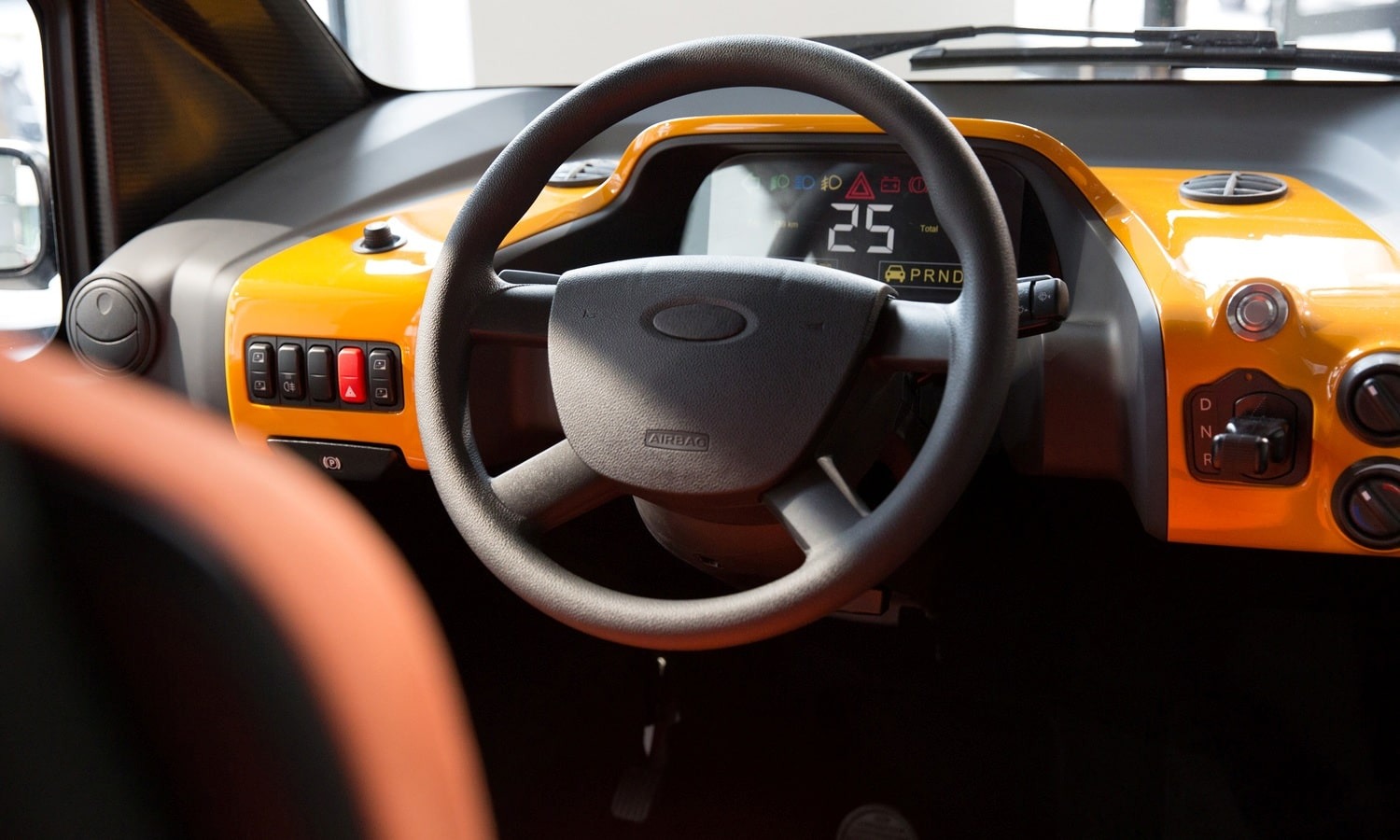
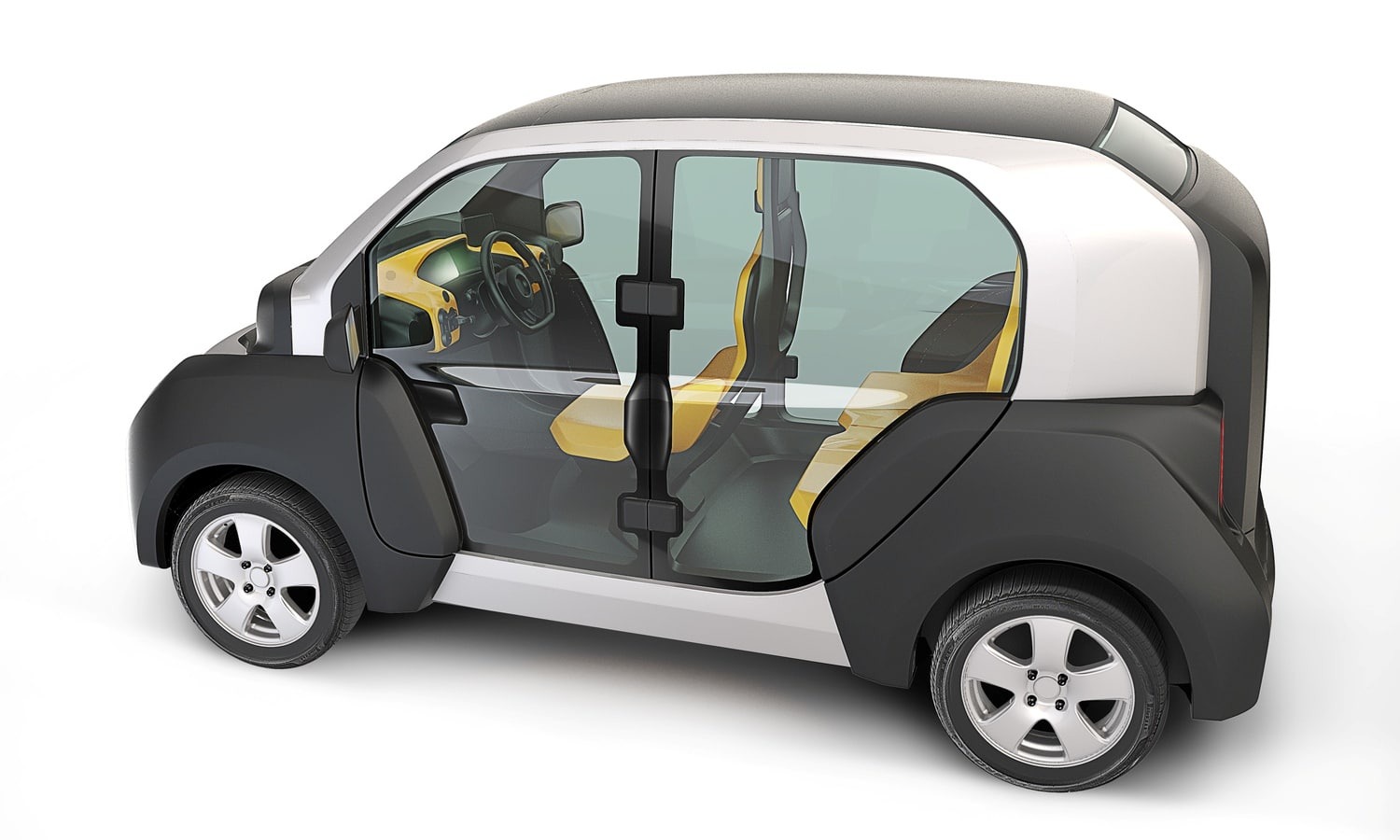
The taxi layout placed the driver in the centre, with two passenger seats positioned slightly farther back on either side. A swivelling driver’s seat was intended to make entry and exit easier, including for people with reduced mobility. The interior could also be adapted for different seating arrangements, although the three-seat taxi configuration placed both passengers behind the centrally positioned driver.
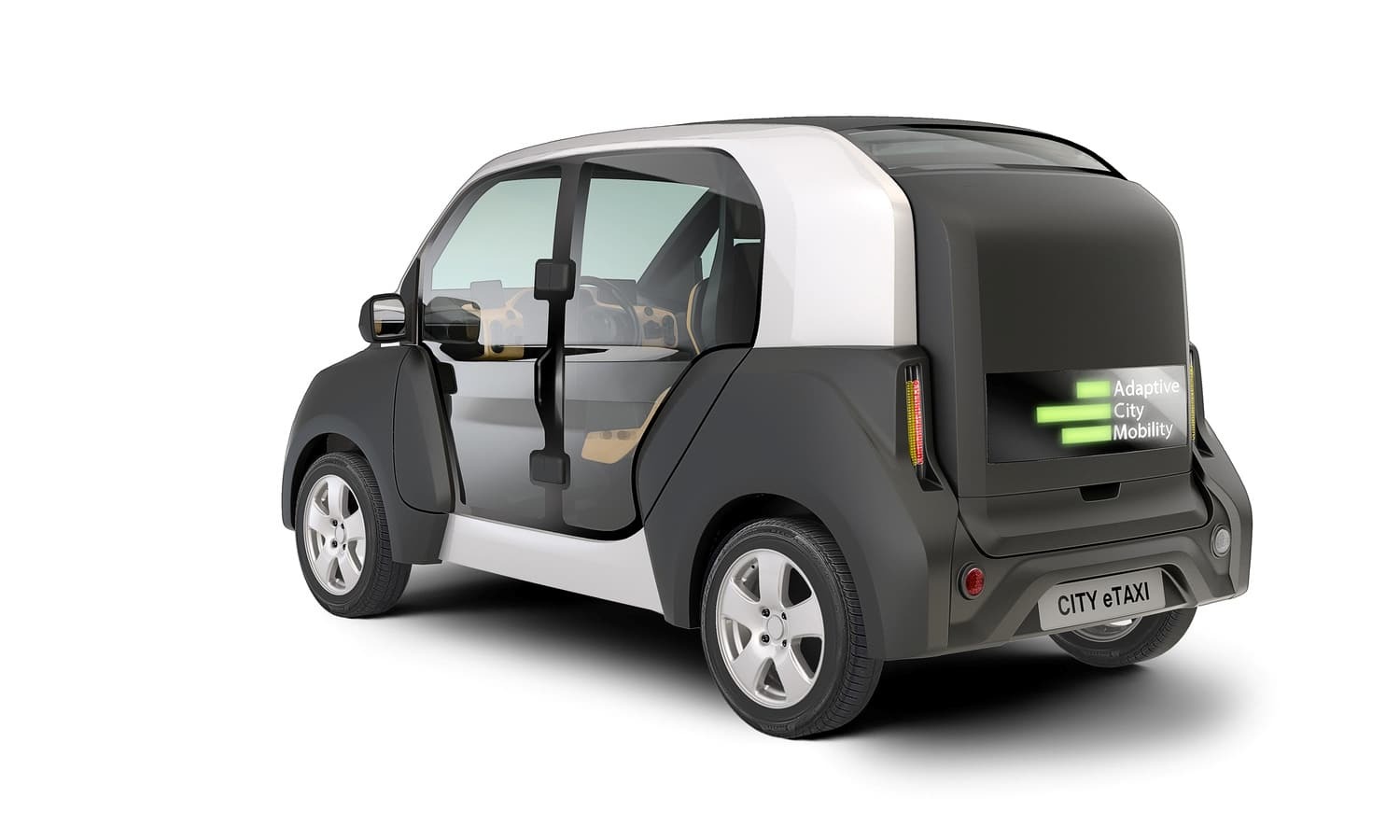
Despite its small exterior dimensions, the City e-Taxi offered a claimed luggage capacity of 360 litres with the passenger seats installed. Removing the rear seats transformed it into a compact van with approximately 1,300 litres of cargo space and a payload of up to 380 kg. The van version was intended for routine urban transport rather than long-distance haulage.
The body used large-opening doors and a wide rear hatch to improve access. Plexiglass windows were attached to the carbon-fibre body with simple hinges, while the doors opened in opposite directions to reduce the number of components required. The design was therefore focused on ease of use, low weight and efficient use of interior space.
Electric power came from a 14 kW motor, sufficient for the vehicle’s intended urban role. The planned top speed was 90 km/h. Depending on the development stage and source, the estimated range was stated as approximately 120 to 150 km on a full battery charge.
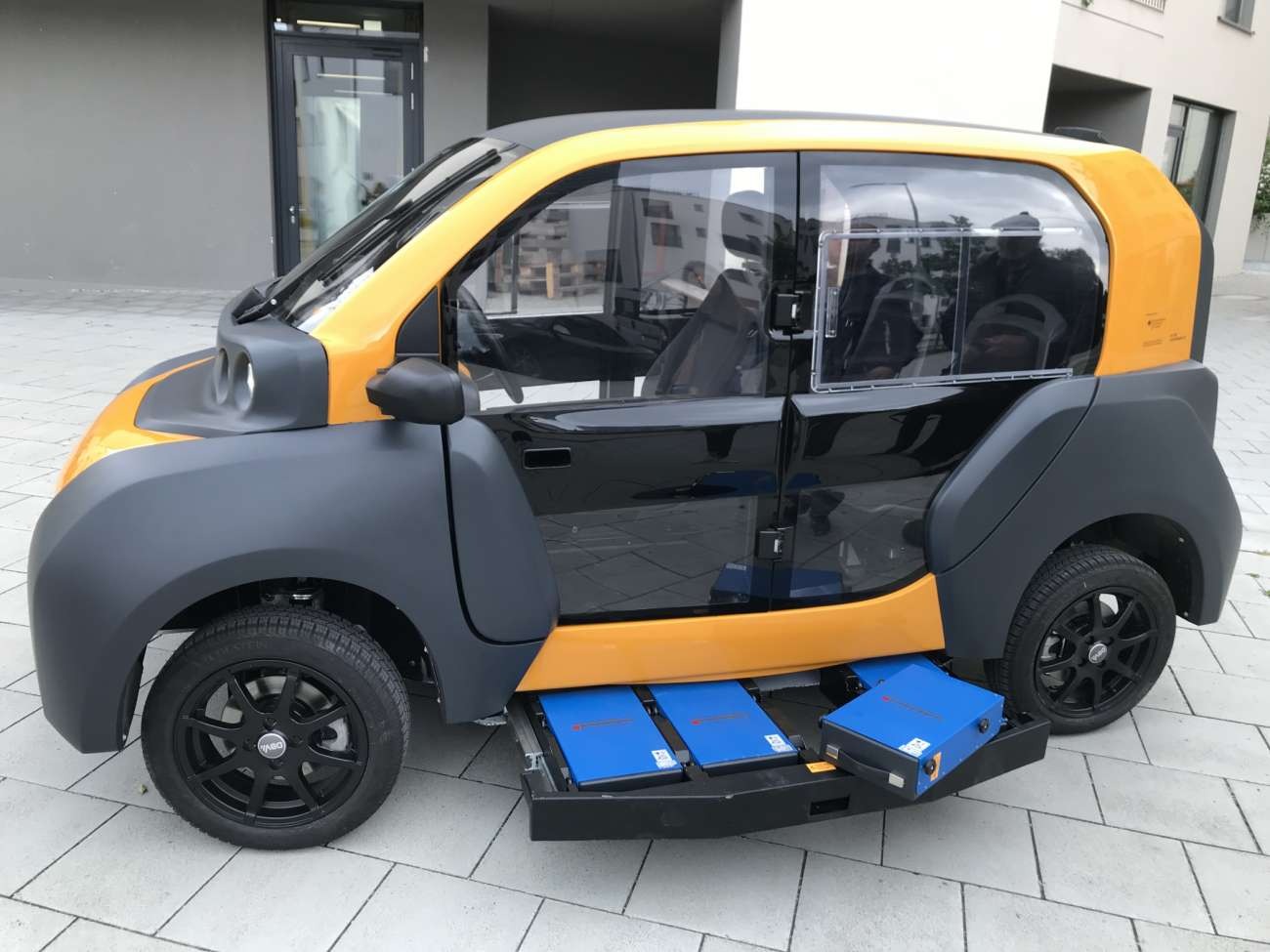
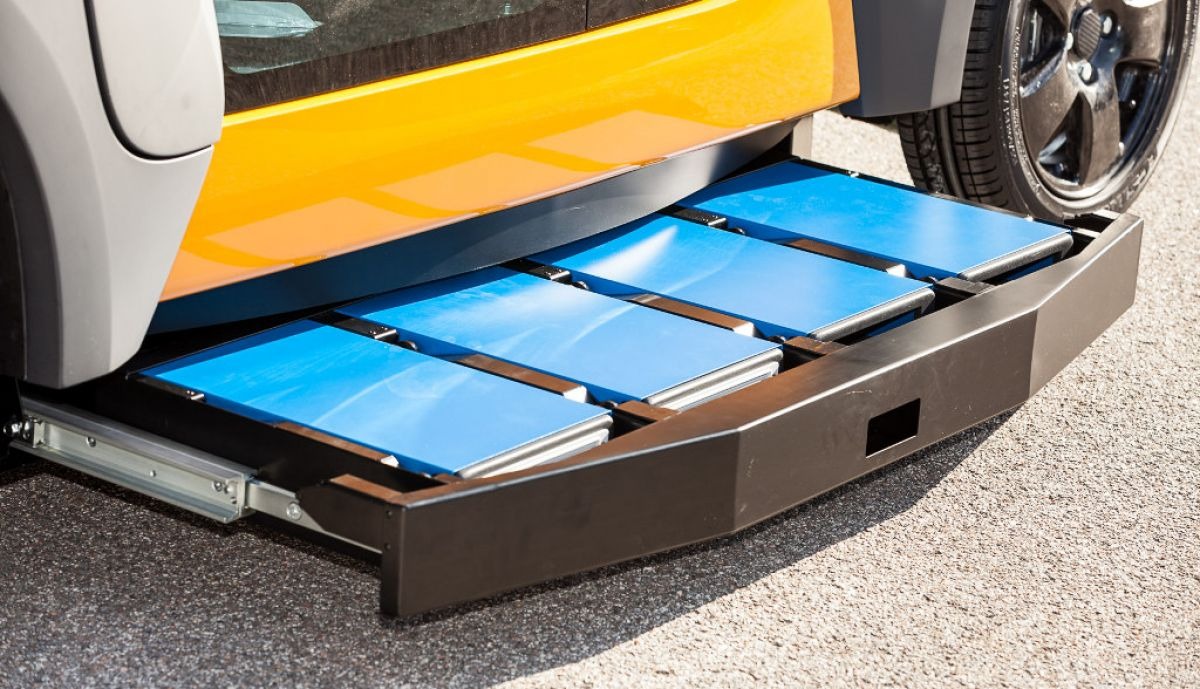
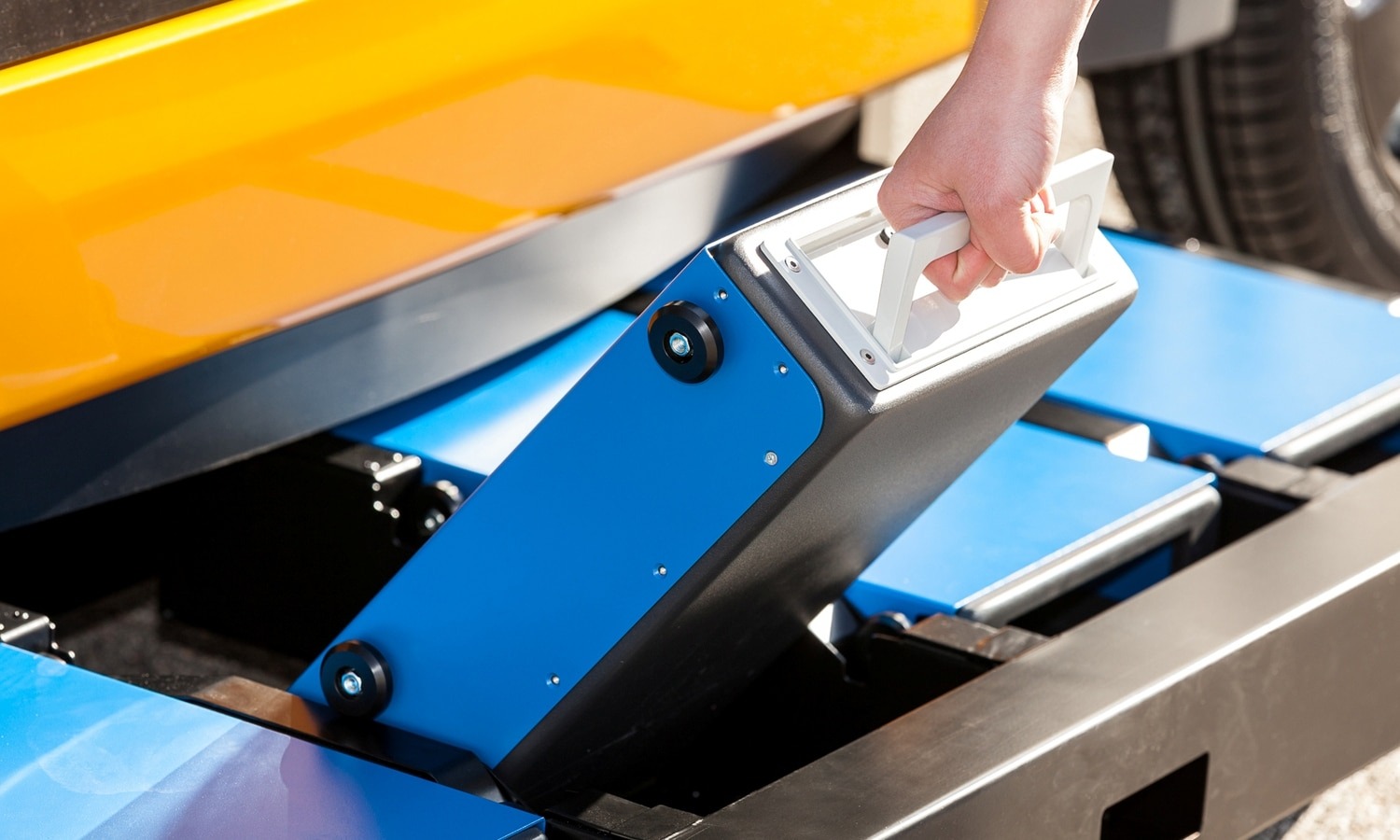
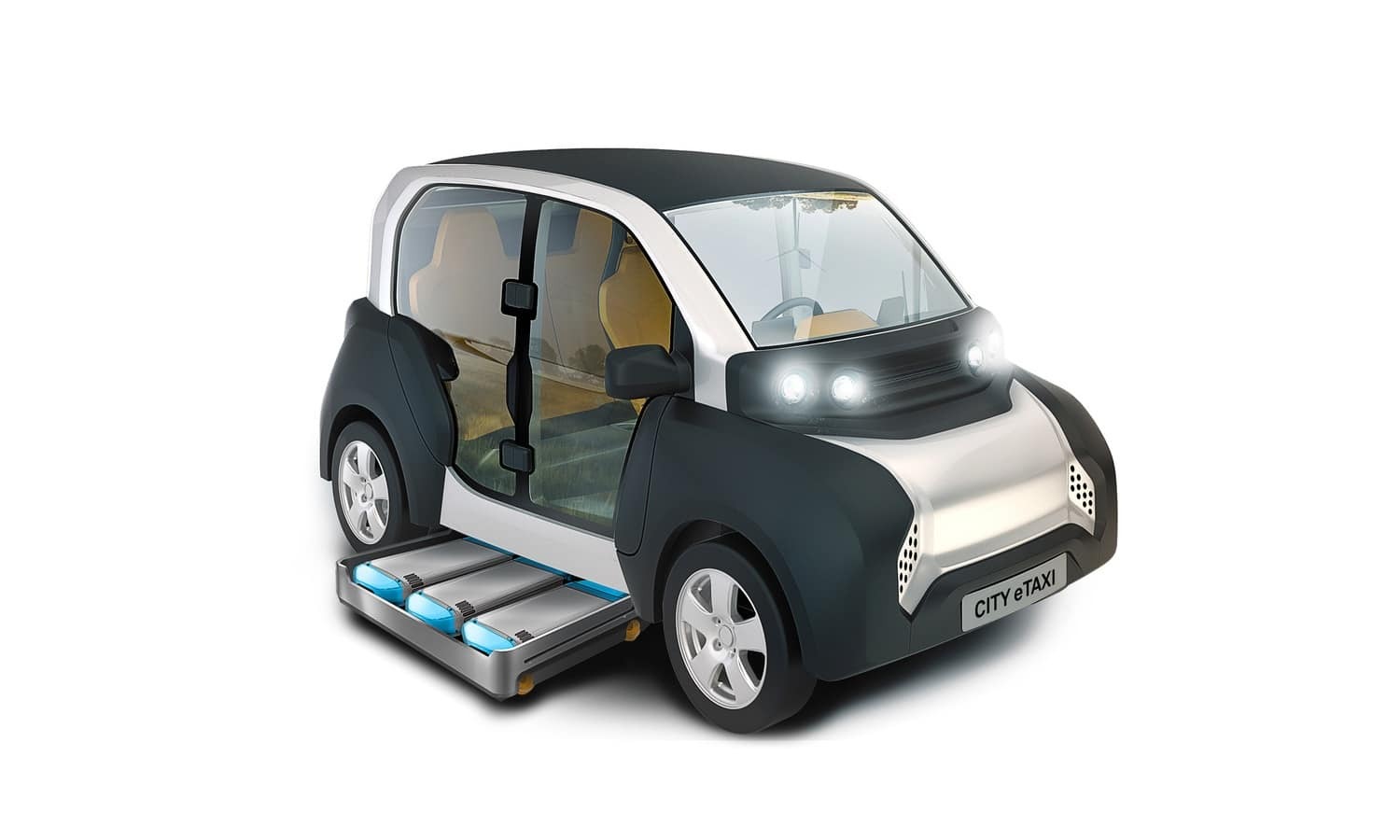
The battery system was one of the City e-Taxi’s defining features. The aluminium floor housed a modular pack made up of eight lithium-ion energy modules, each weighing approximately 12 kg. The modules were arranged in a drawer-like system, allowing depleted batteries to be removed manually and replaced with charged units within a few minutes.
This arrangement was intended to keep the vehicle operating around the clock, an important requirement for taxi services. It also reduced the need for high-power fast-charging equipment in both the vehicle and the supporting infrastructure. A dedicated battery charging station was presented with the vehicle, including a photovoltaic panel on its roof.
Adaptive City Mobility planned to validate the concept through real-world testing and investigate possible production. Early plans included test operations in Munich from 2018, while later development material referred to the arrival of functional units in India for taxi trials.