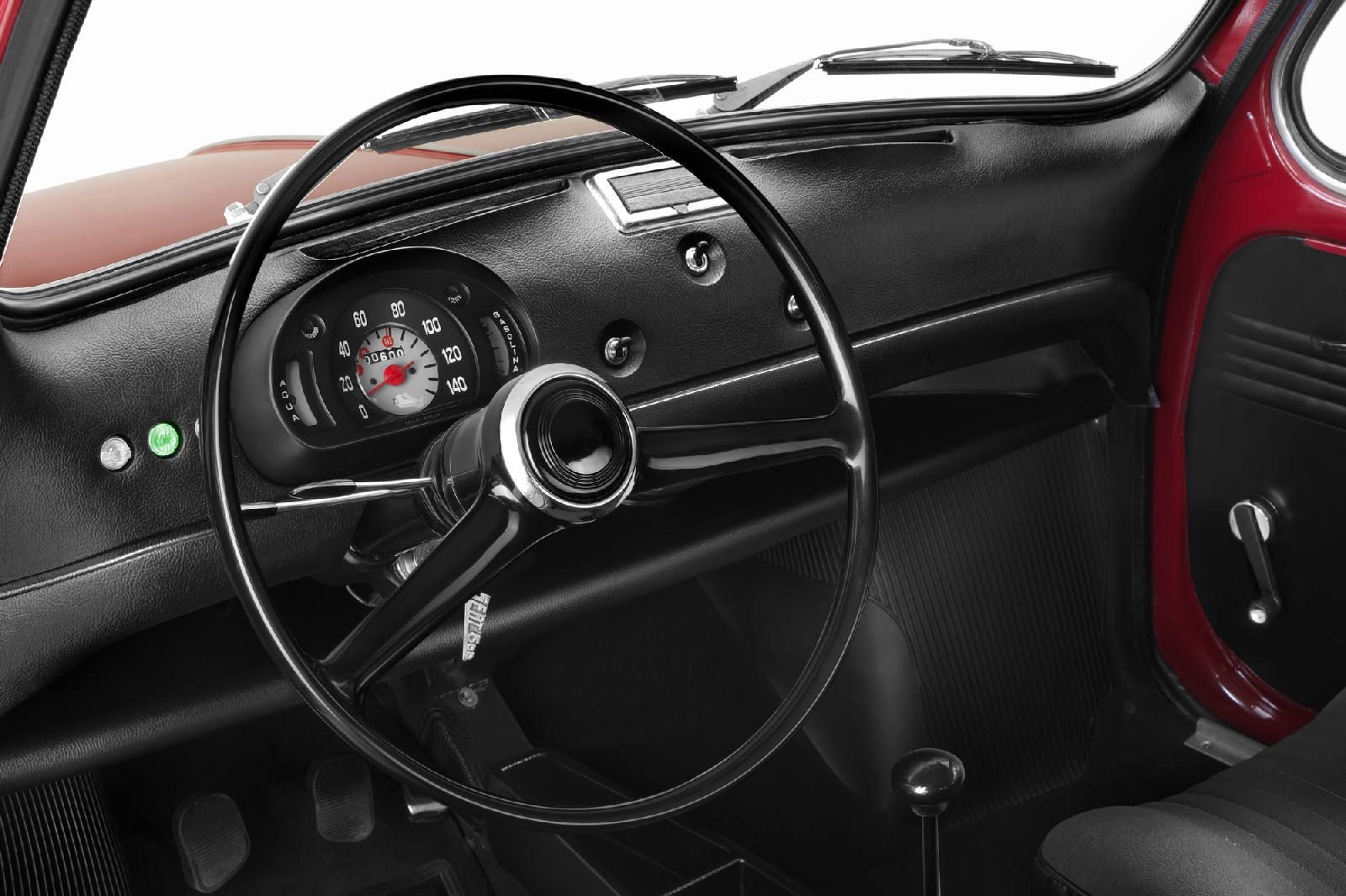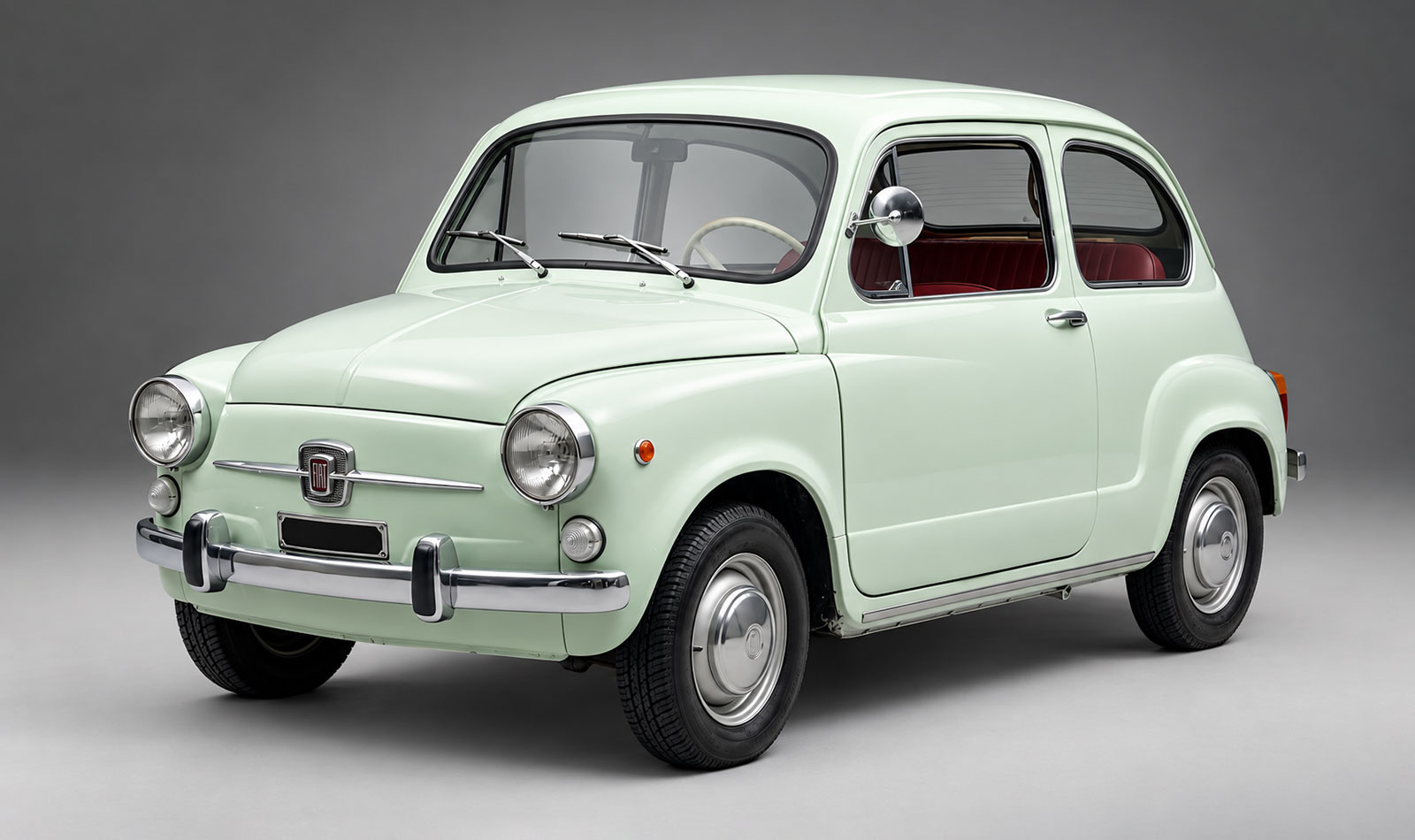
Argo 600 & 800

The Argo 600 was a Georgian-built derivative of the Fiat 600, produced after the reorganisation of a former DKW facility and the creation of Argo Motors.
The project marked a shift from the plant’s earlier DKW-related production toward Fiat-based manufacturing, with the compact rear-engined model becoming the company’s first major product.
By the middle of the 1950s, the DKW branch was losing ground as demand and production volumes declined. In 1958, the factory was restructured and sold to the newly established Argo Motors. With technical assistance from Fiat, the plant prepared to manufacture the Fiat 600 under the Argo name.
Production of the Argo 600 and 800 began in May 1960. The designation reflected the two engine versions offered for the model. The smaller Argo 600 used a 644 cc four-cylinder engine producing 23 hp and had a claimed top speed of 95 km/h. The Argo 800 was equipped with a 767 cc four-cylinder engine developing 30 hp, allowing it to reach approximately 105 km/h.
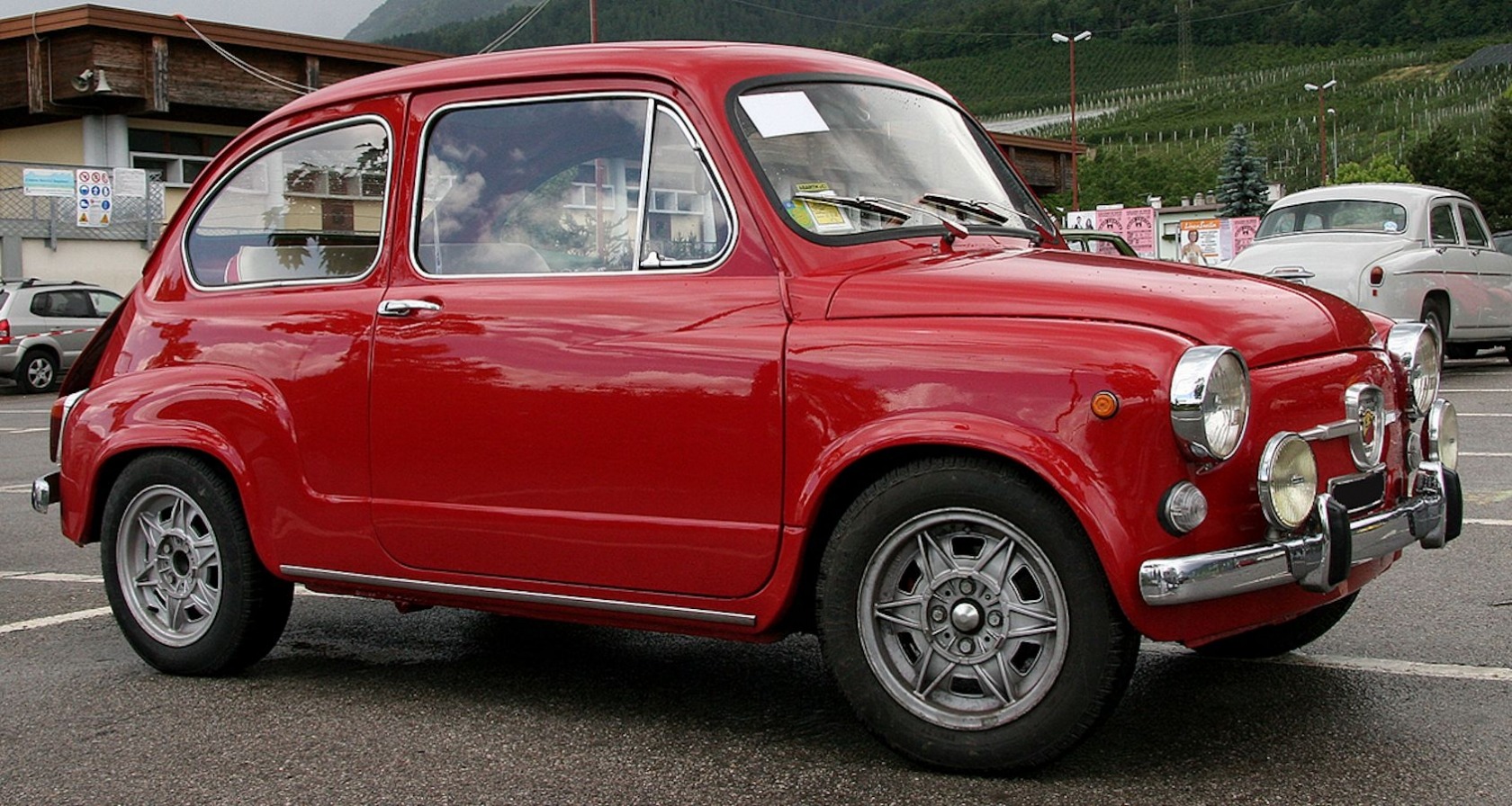
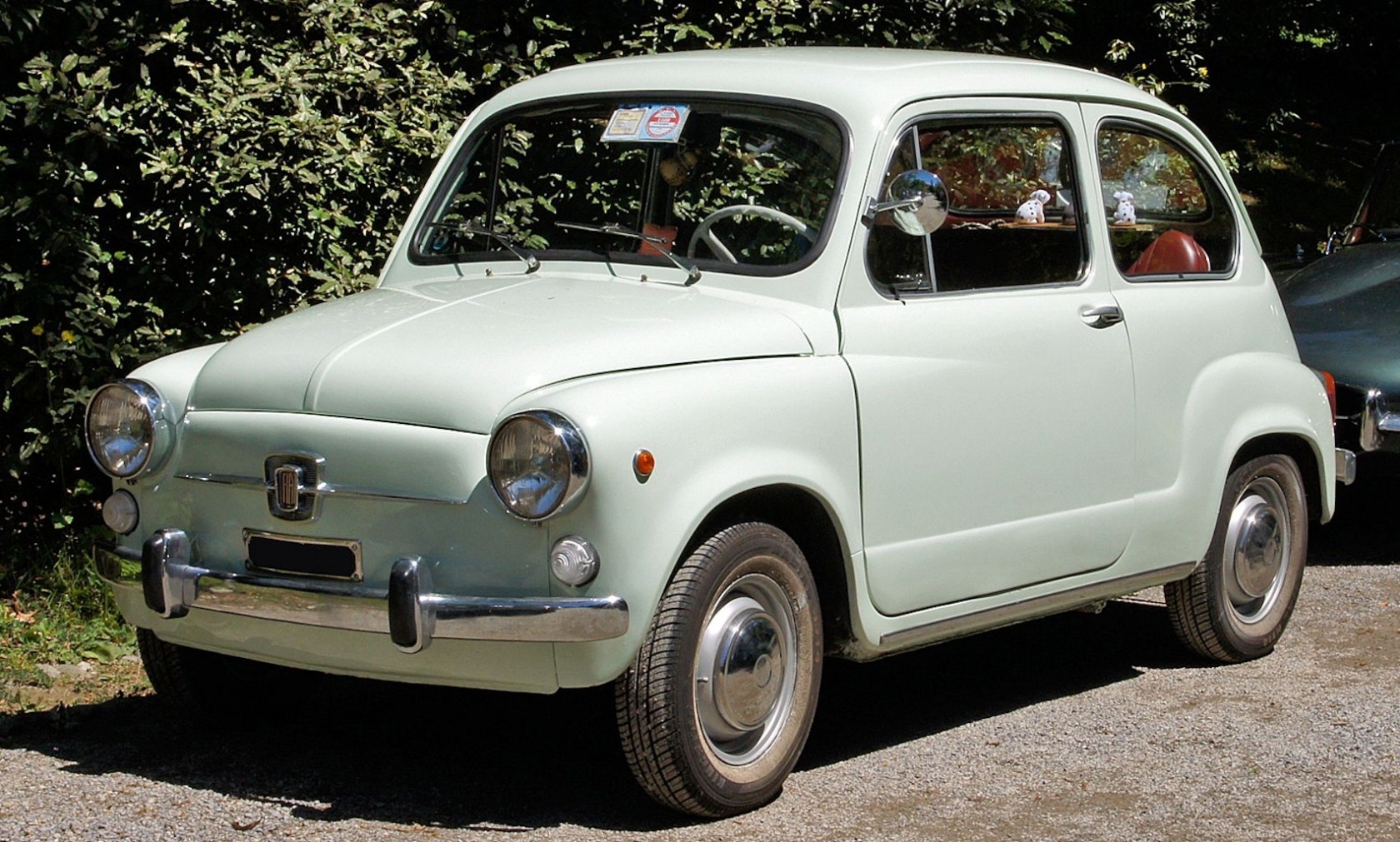
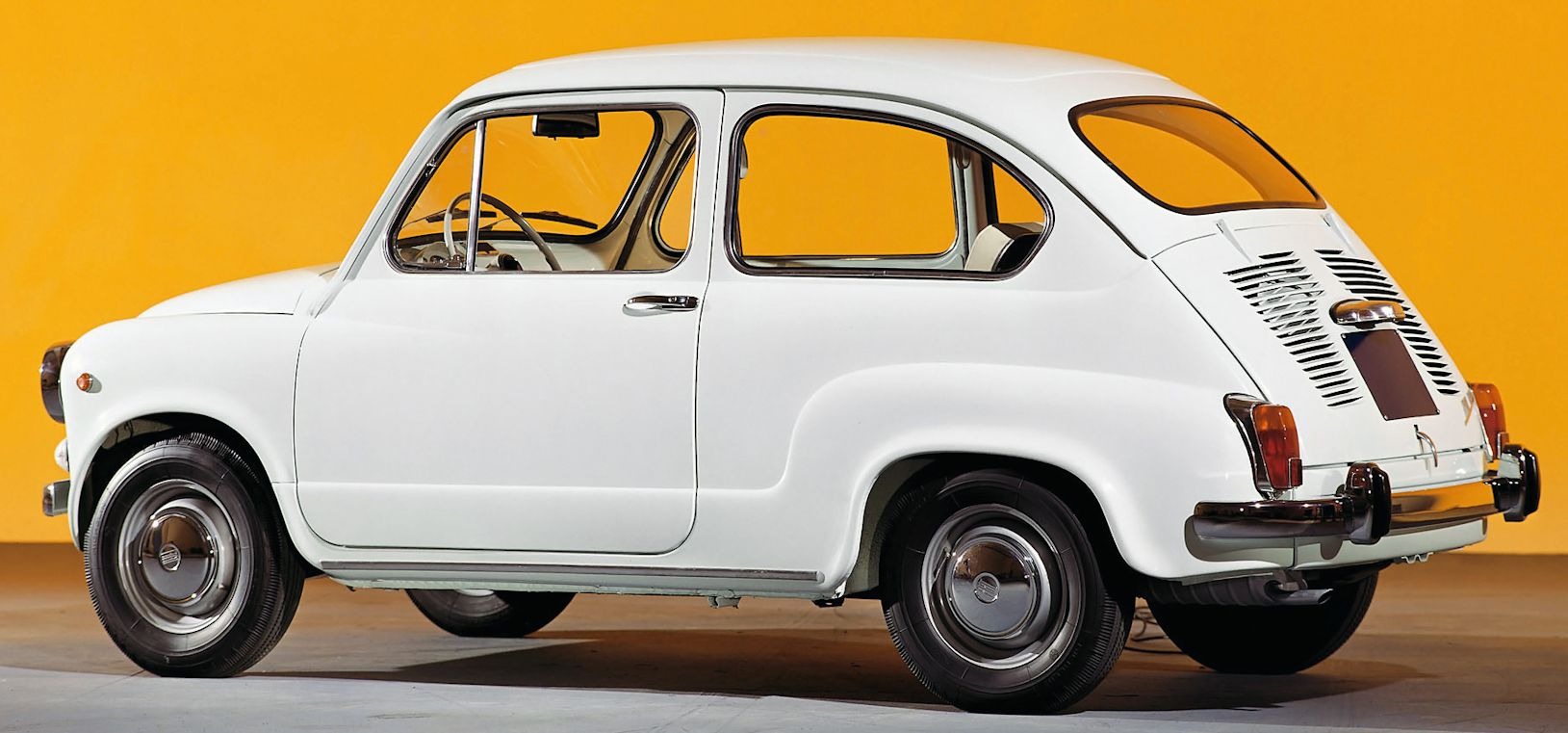
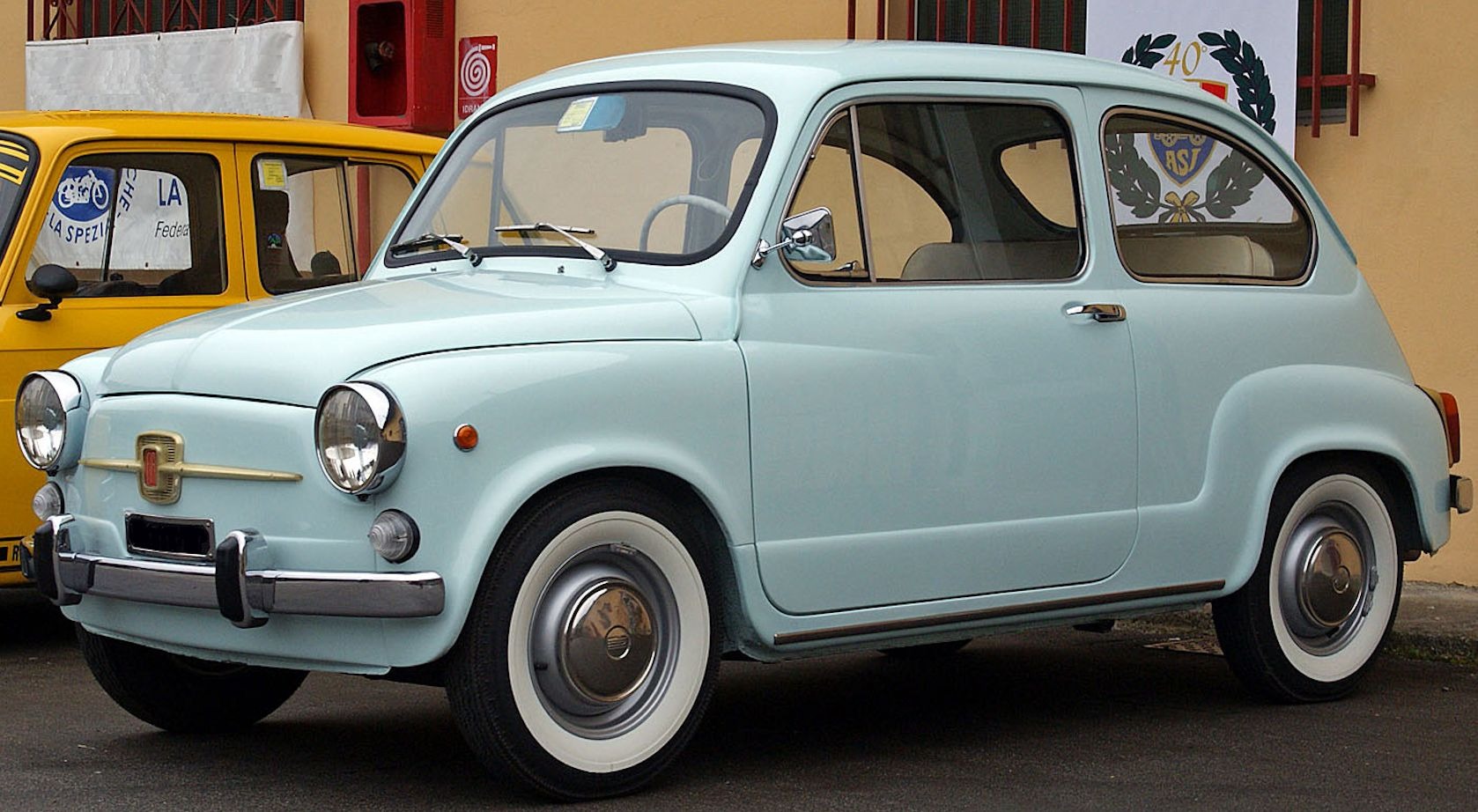
The Argo retained the basic configuration of the Fiat 600: a compact two-door body, rear-mounted engine and rear-wheel drive. Its small dimensions—approximately 3,215 mm long and 1,395 mm wide—made it suitable for urban use while preserving the straightforward mechanical layout of the original Fiat design.
The Fiat 600 itself was produced in several countries under licence or through related manufacturing agreements, including Spain, Yugoslavia and Argentina.
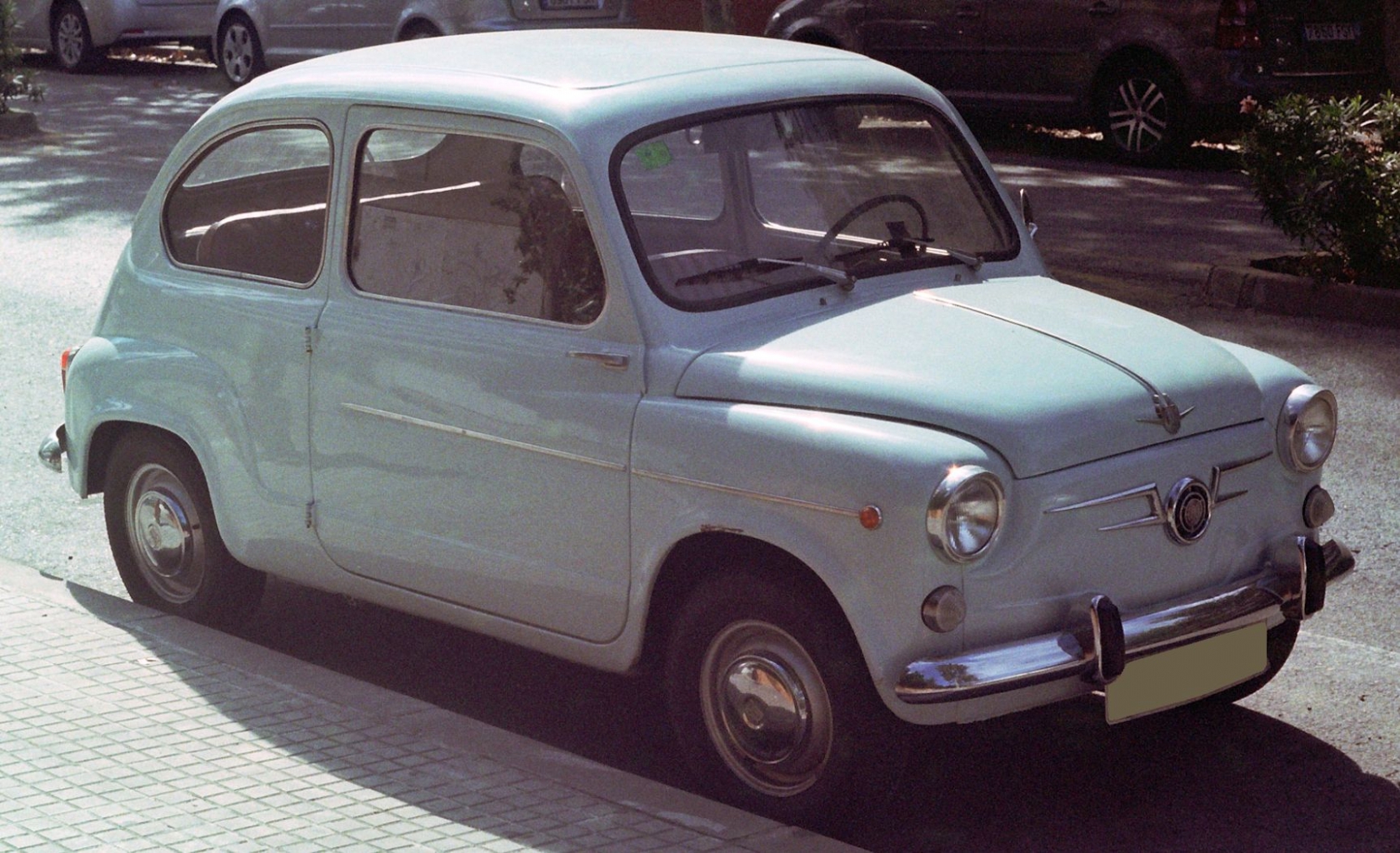
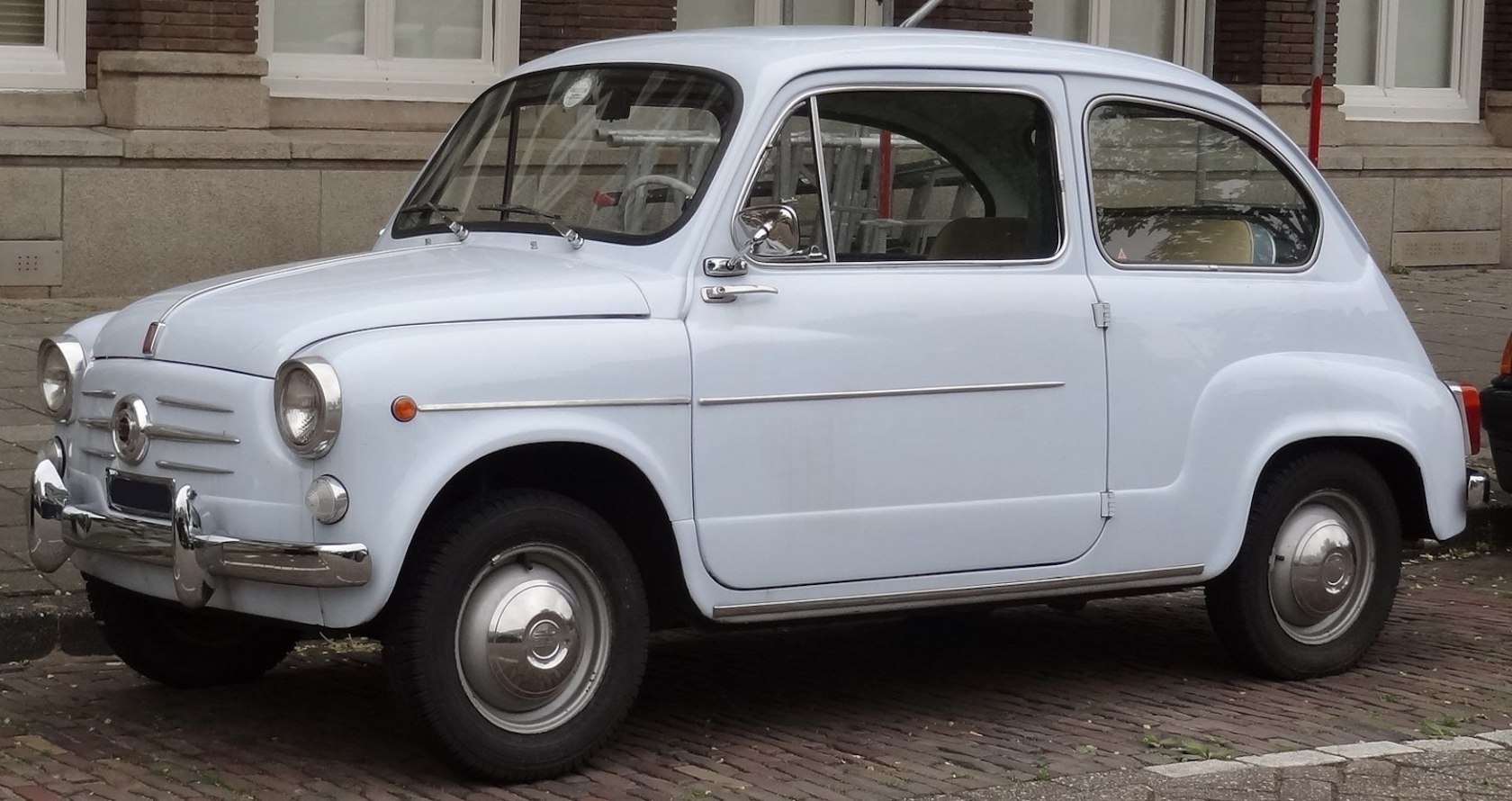
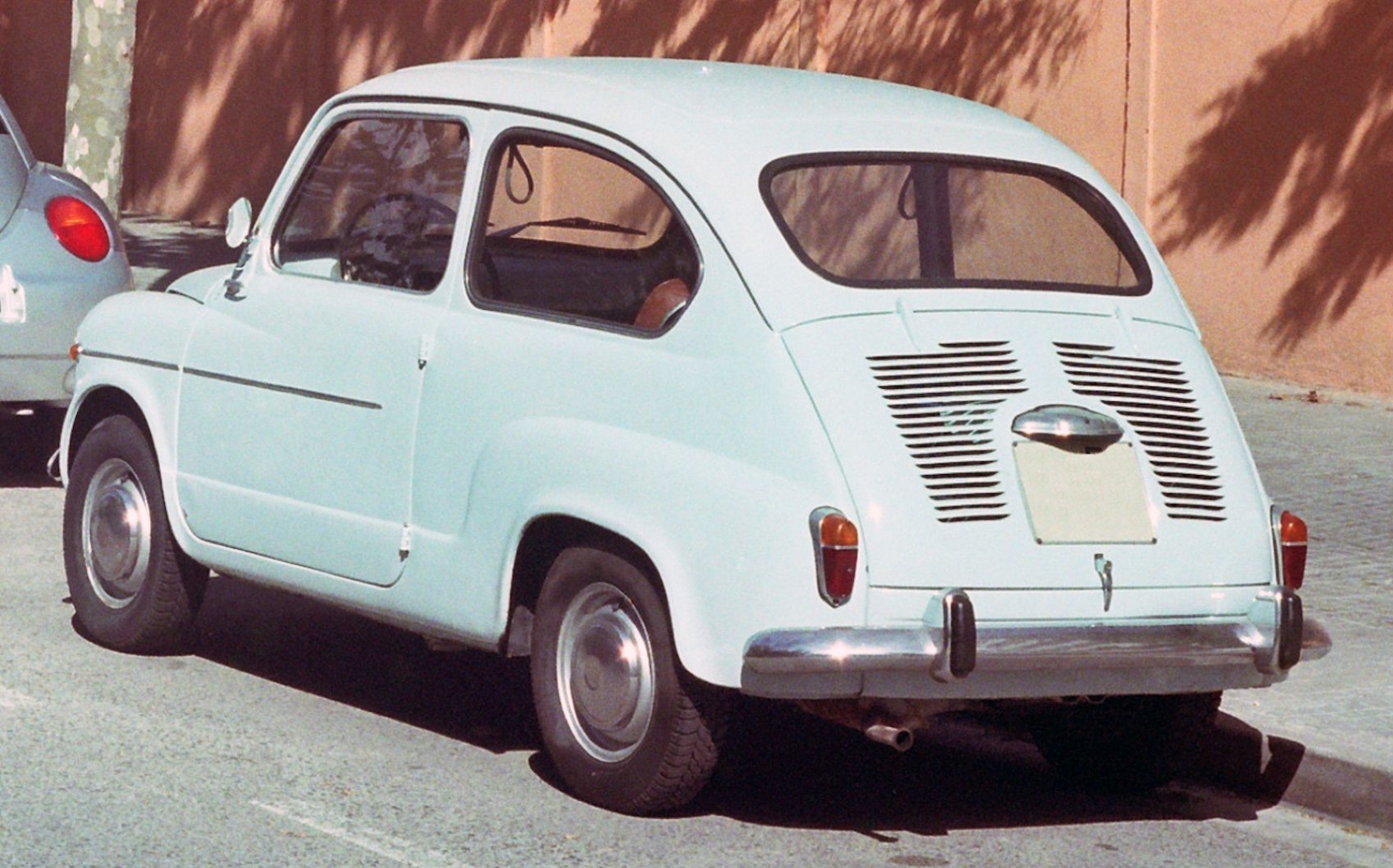
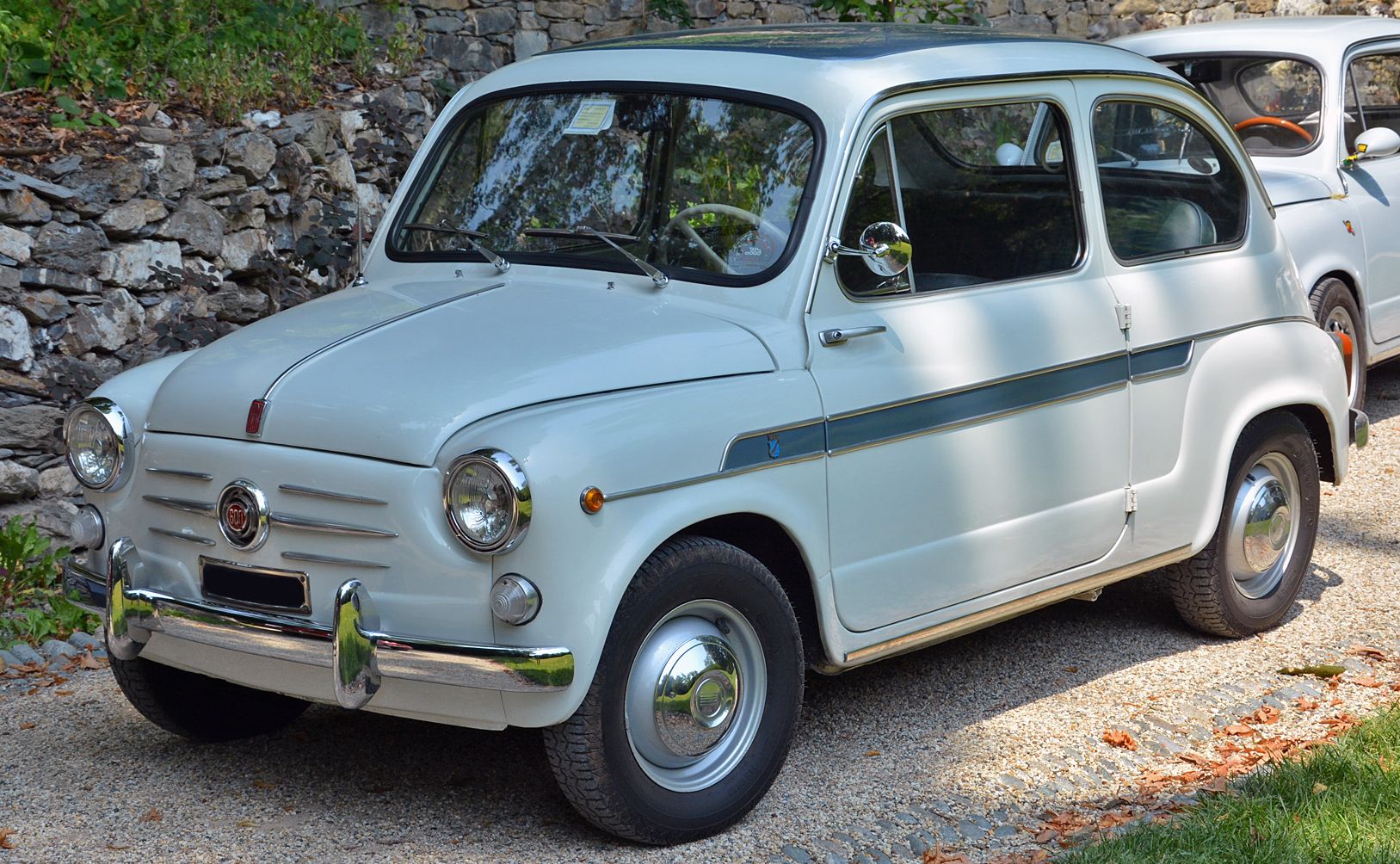
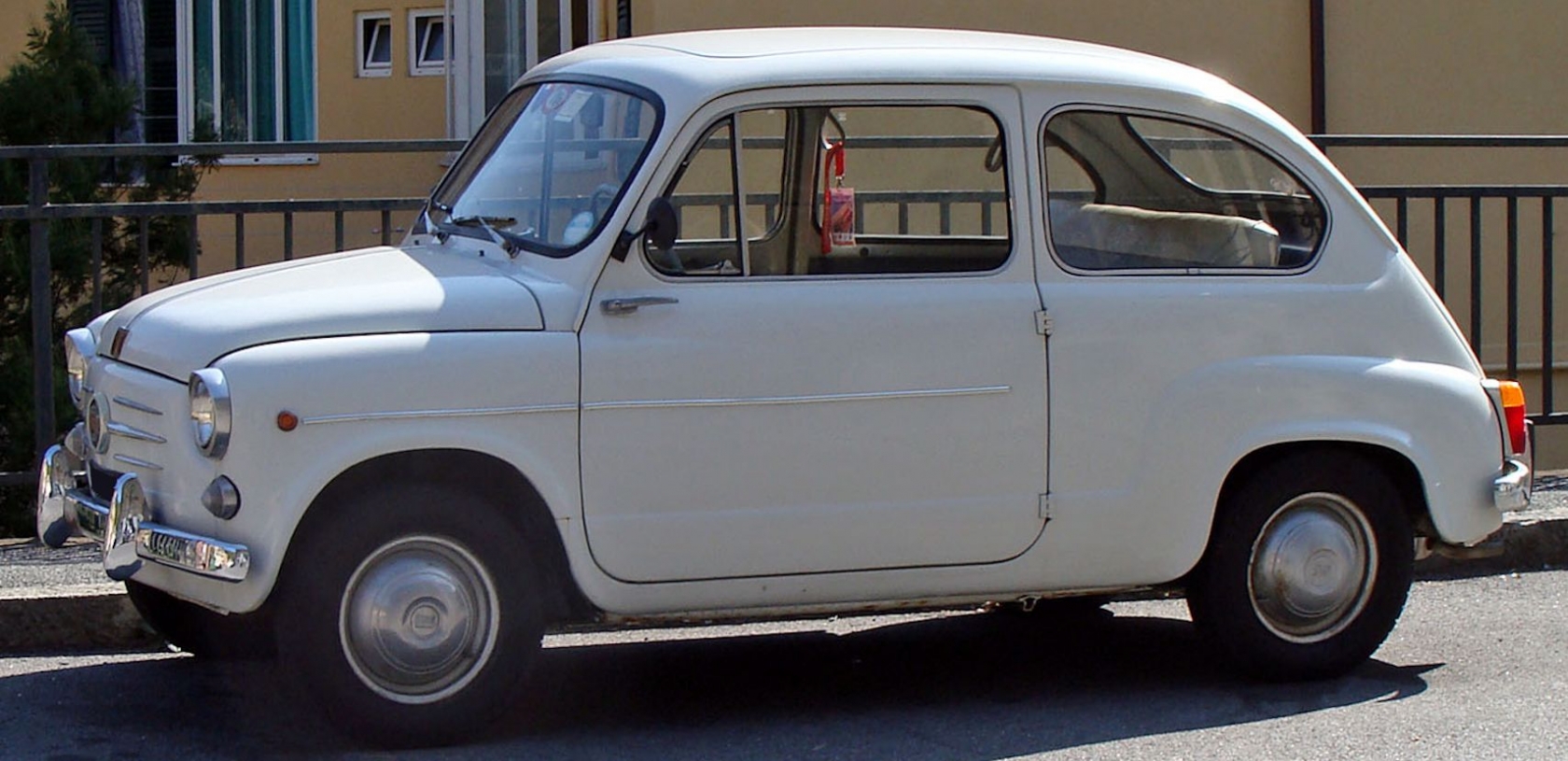
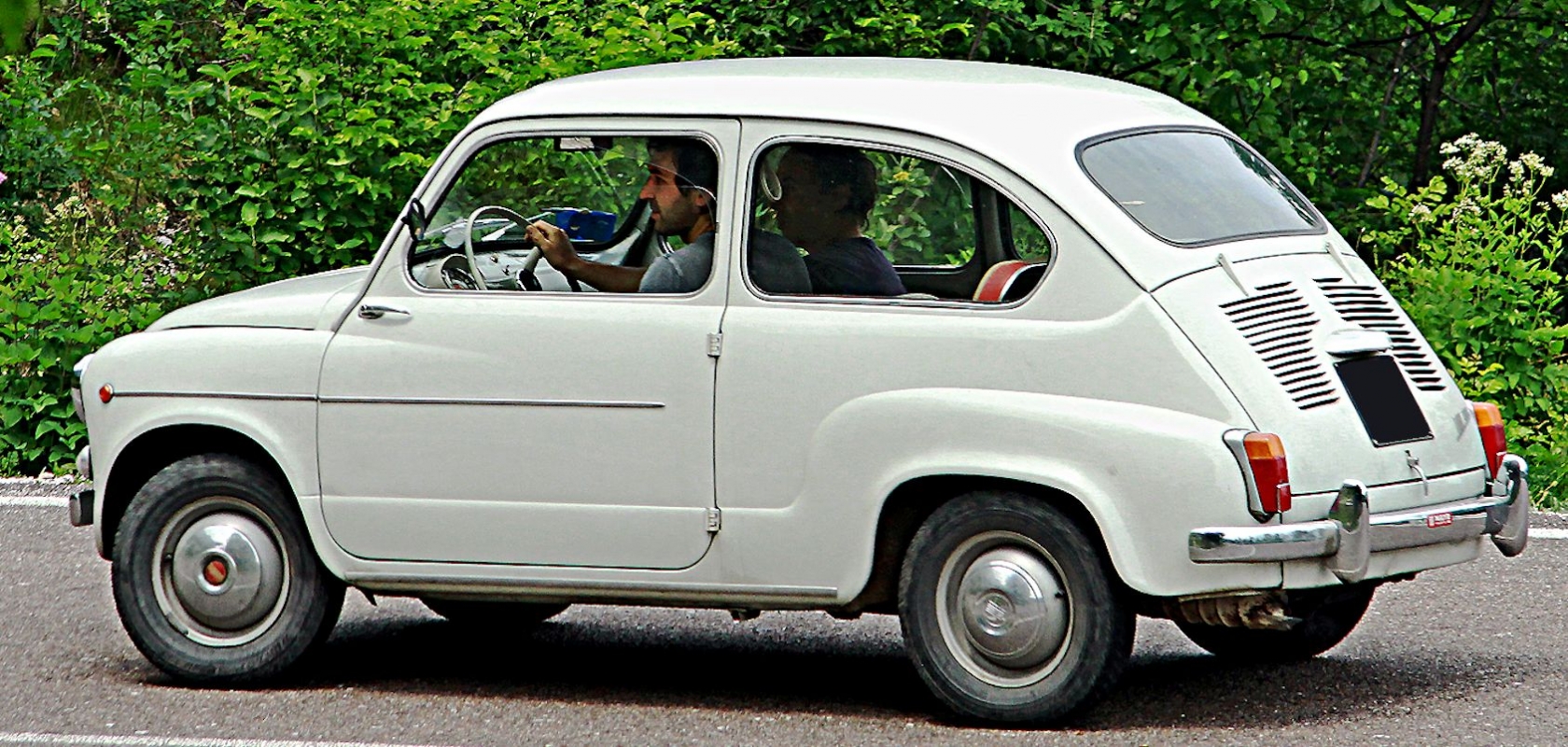
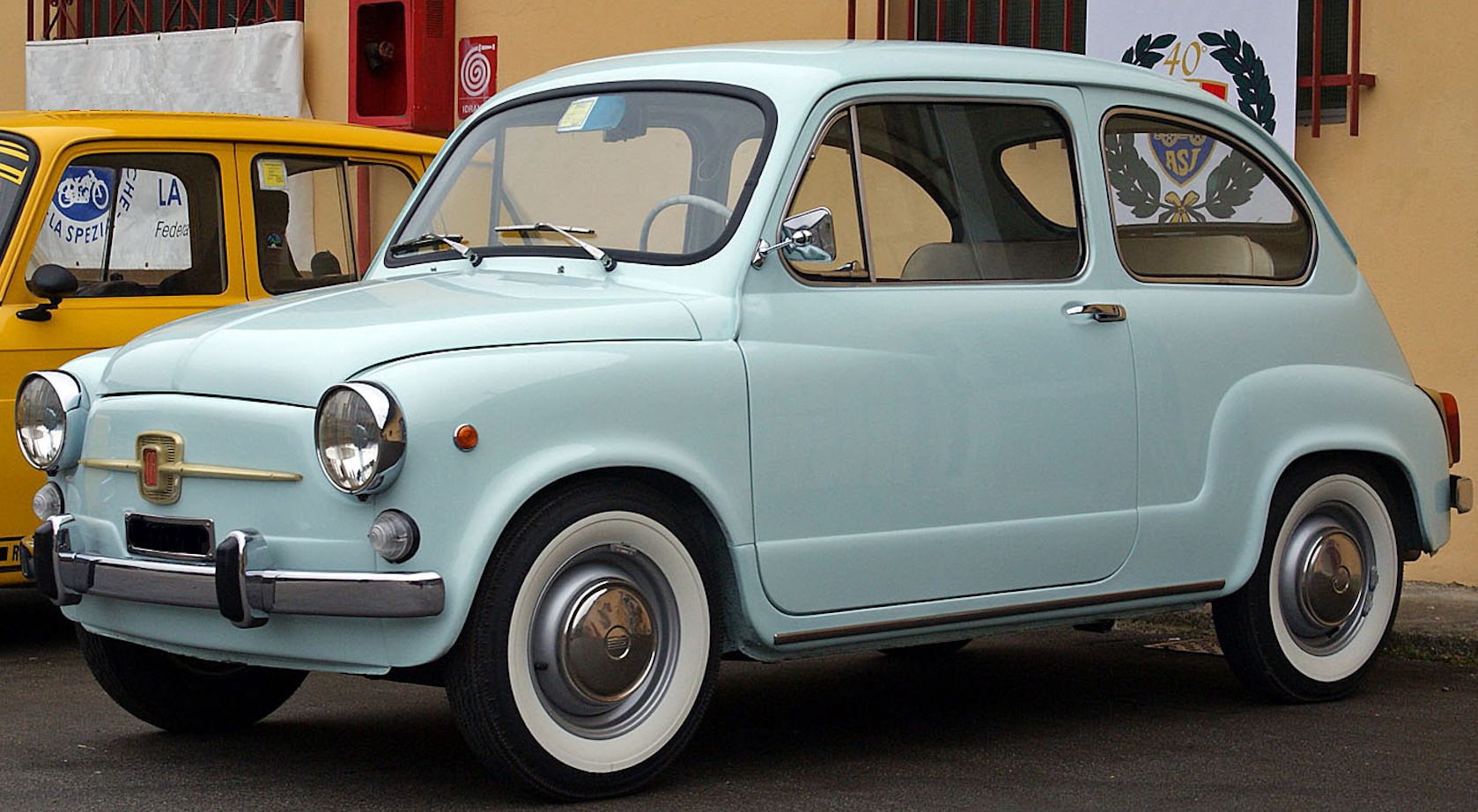
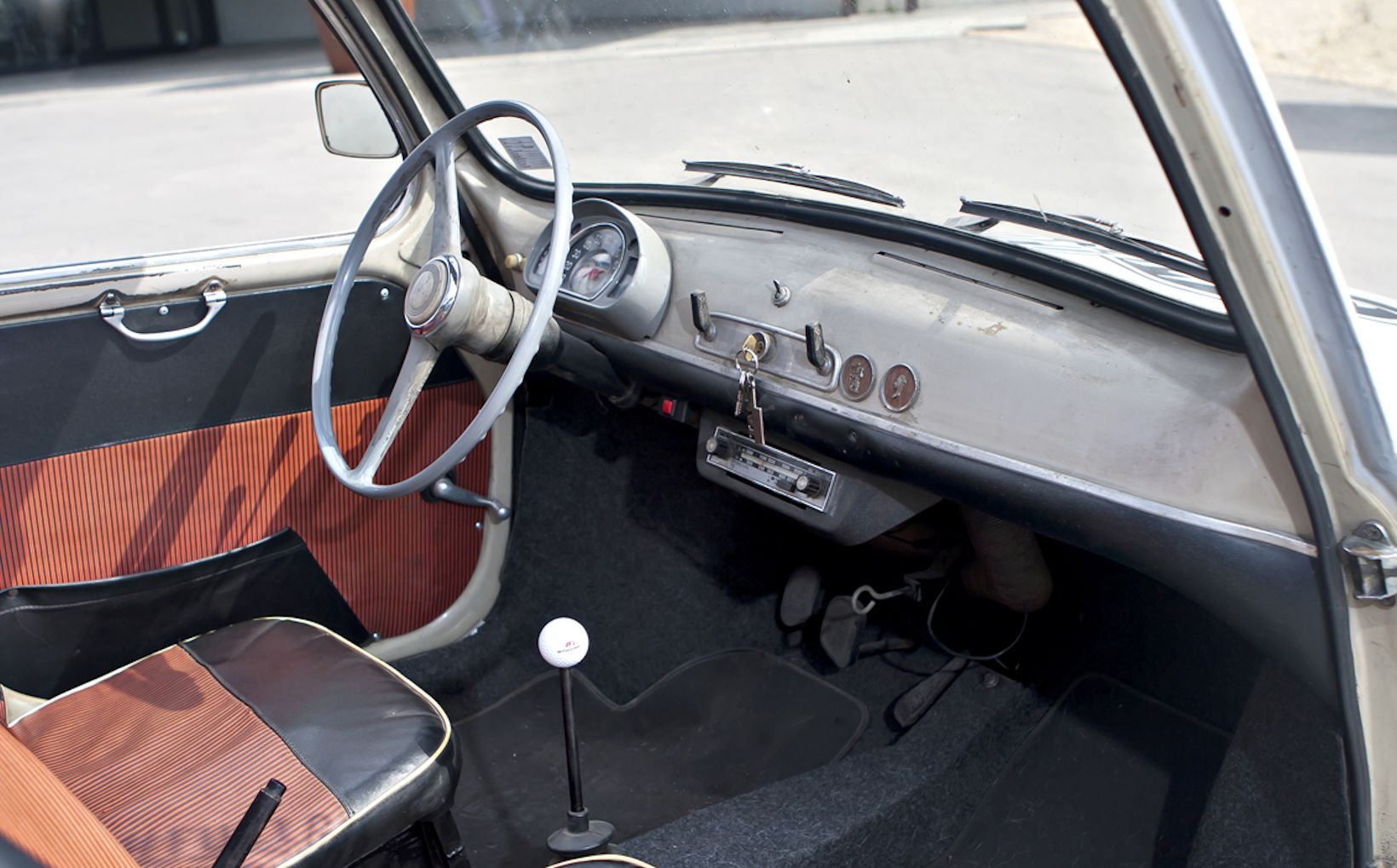
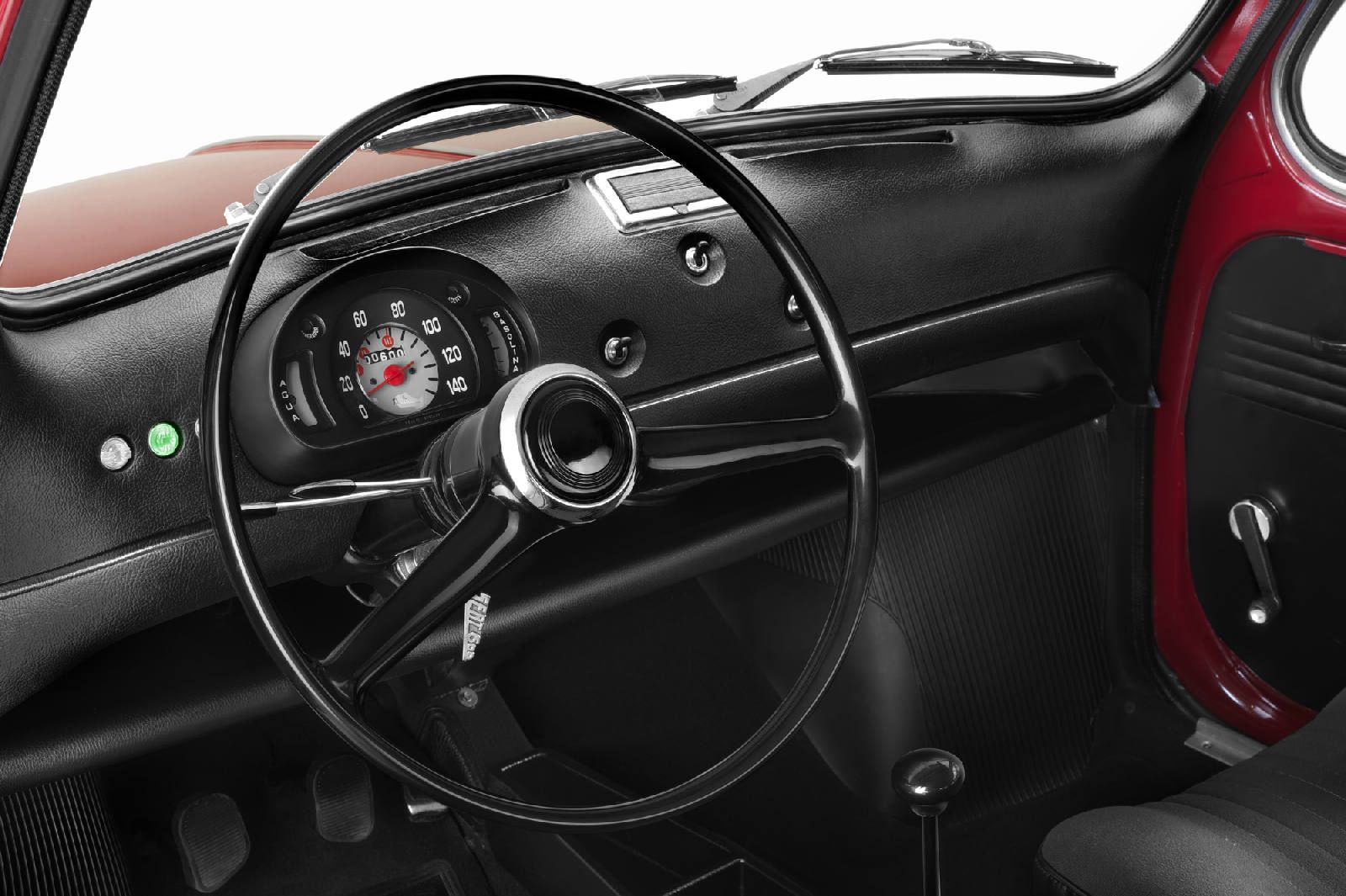
In 1966, the Argo 600/800 received a minor facelift. The updated version continued with the same two power units: the 644 cc engine with 23 hp and the 767 cc engine with 30 hp.
After the redesign, production continued until 1975. The long manufacturing period reflected the usefulness of the Fiat-based platform and the demand for a small, simple car in the local market.