Duport Onyx

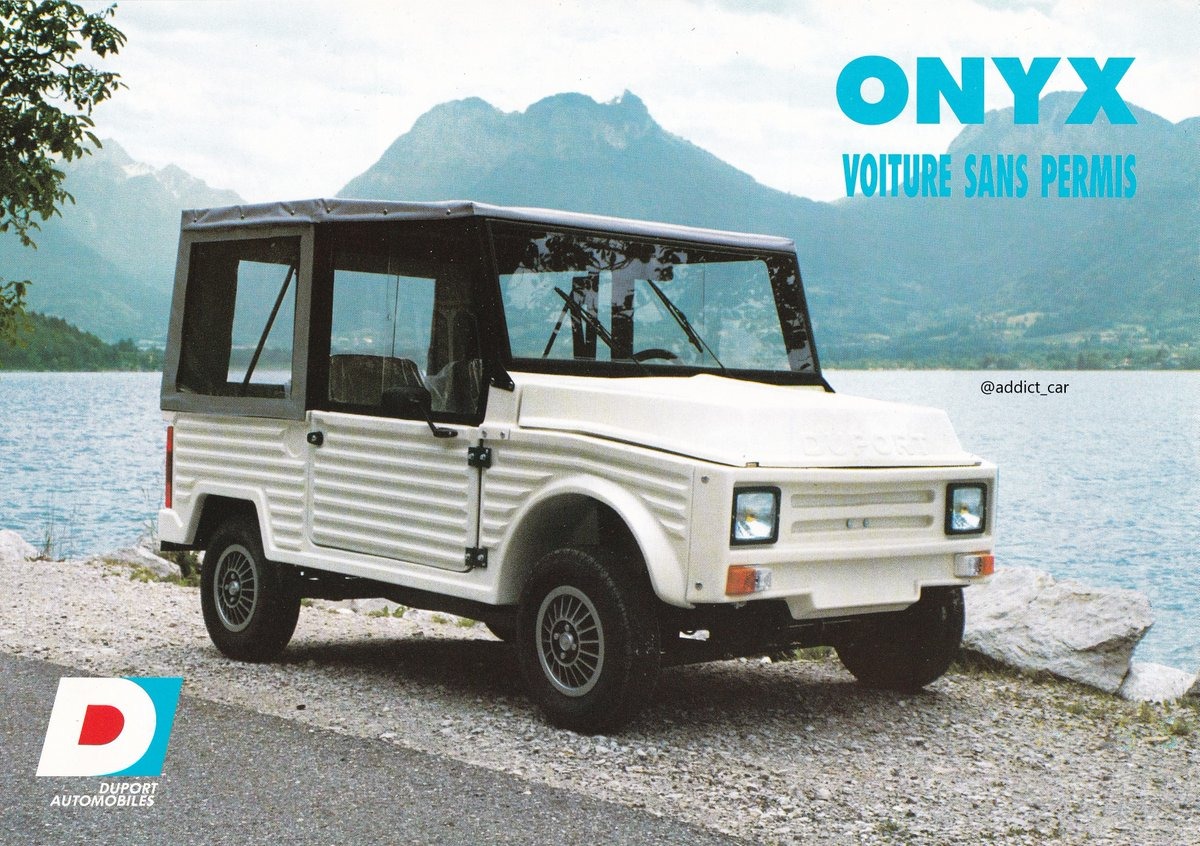
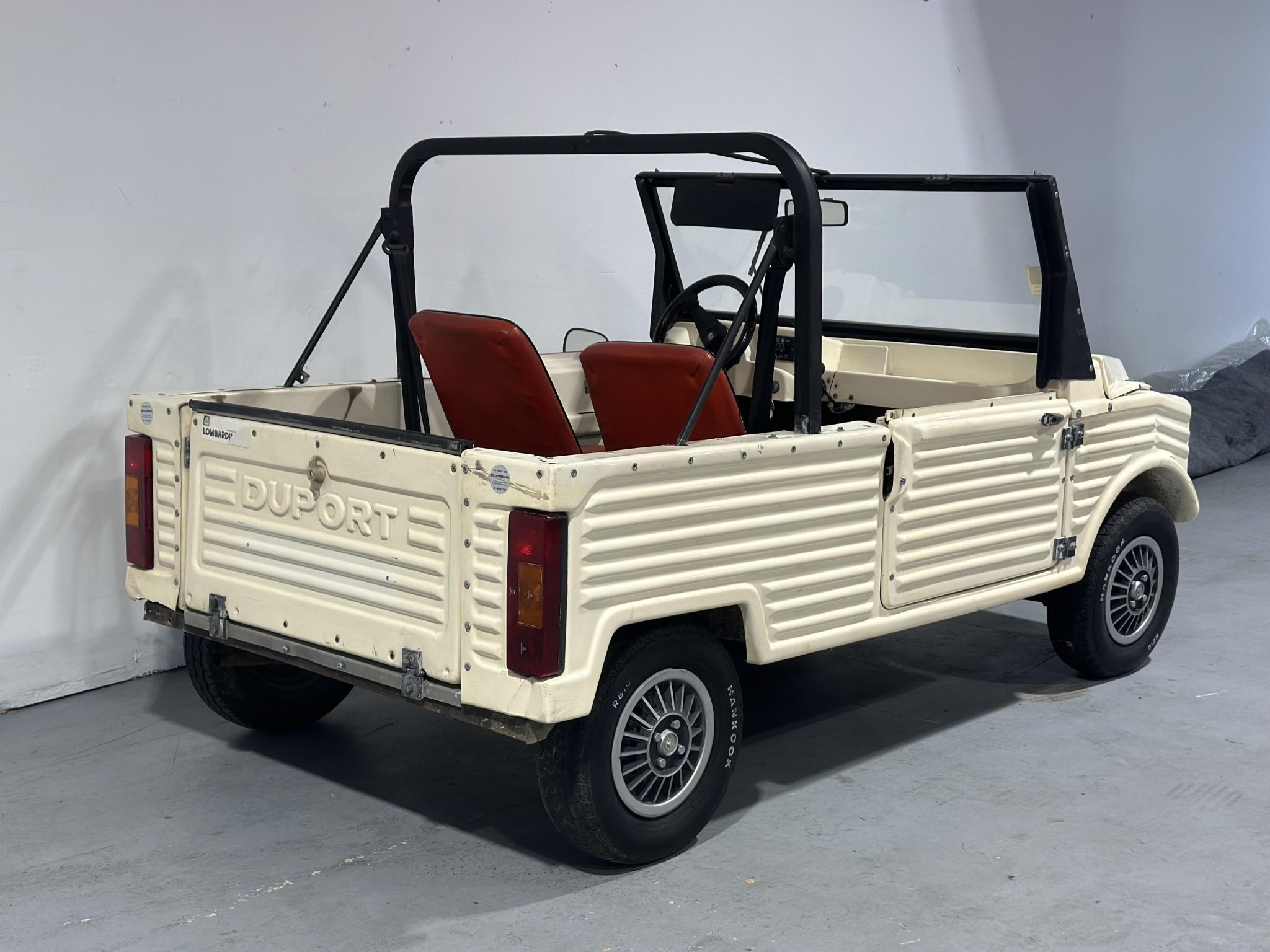
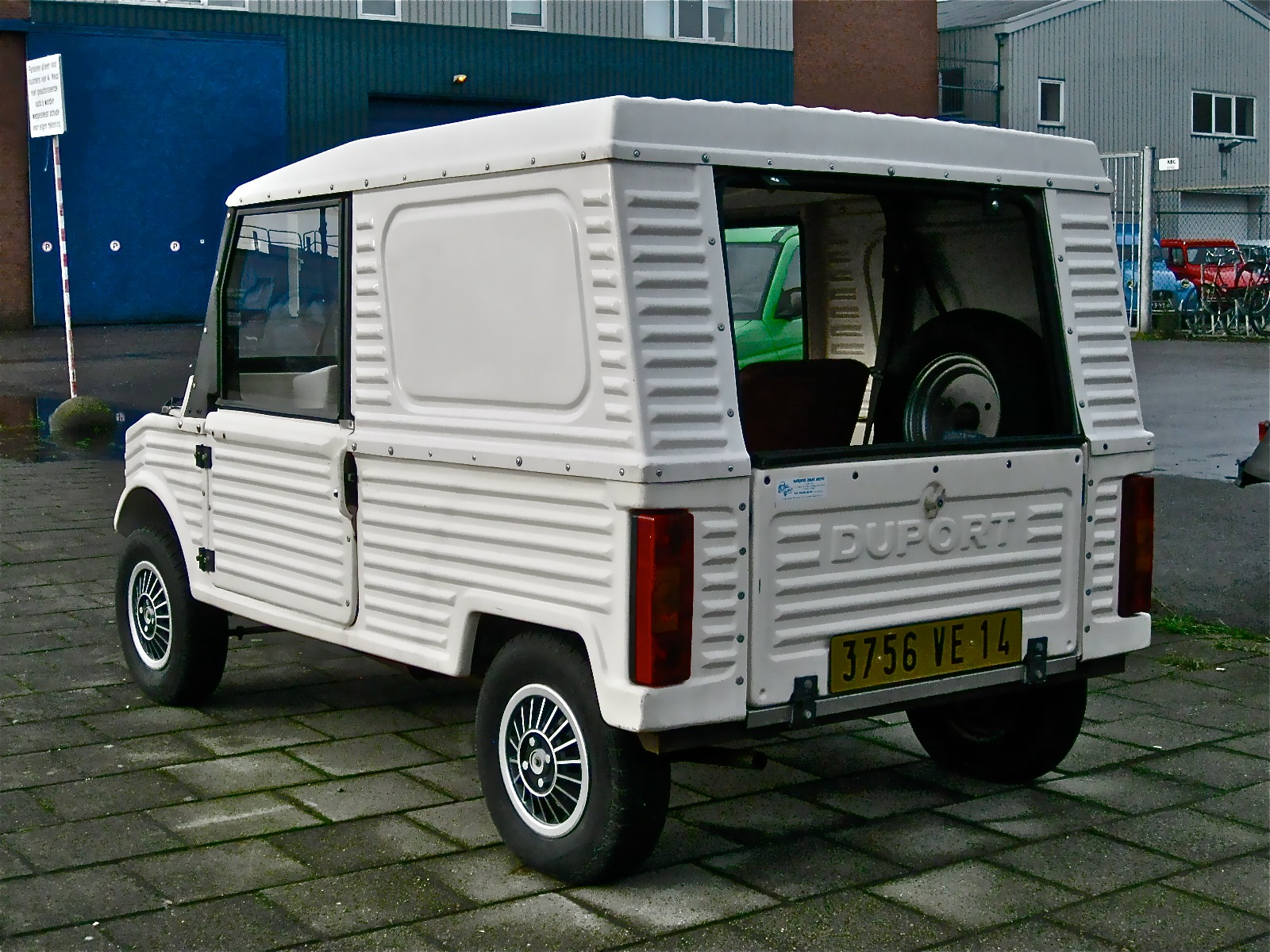
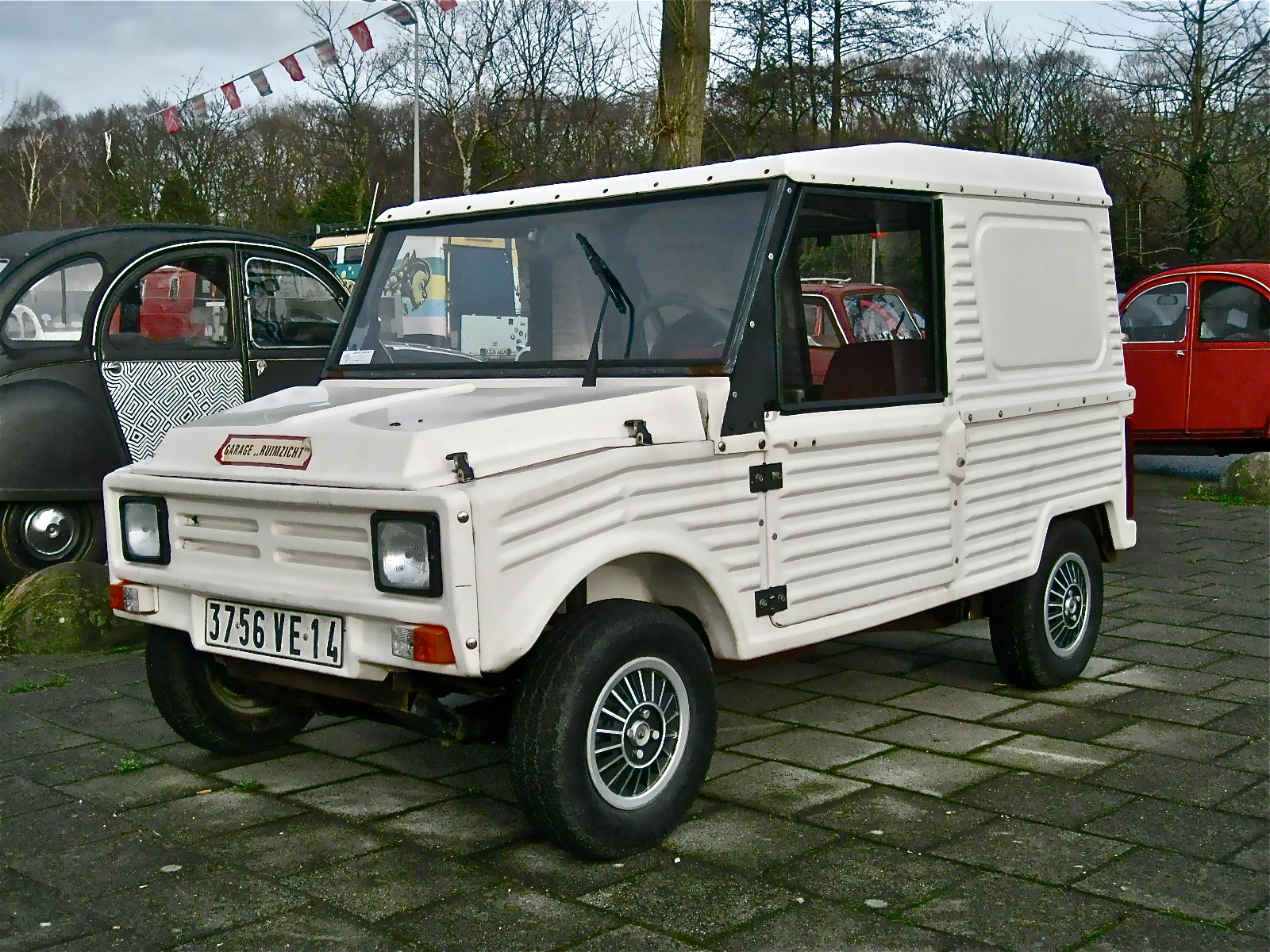
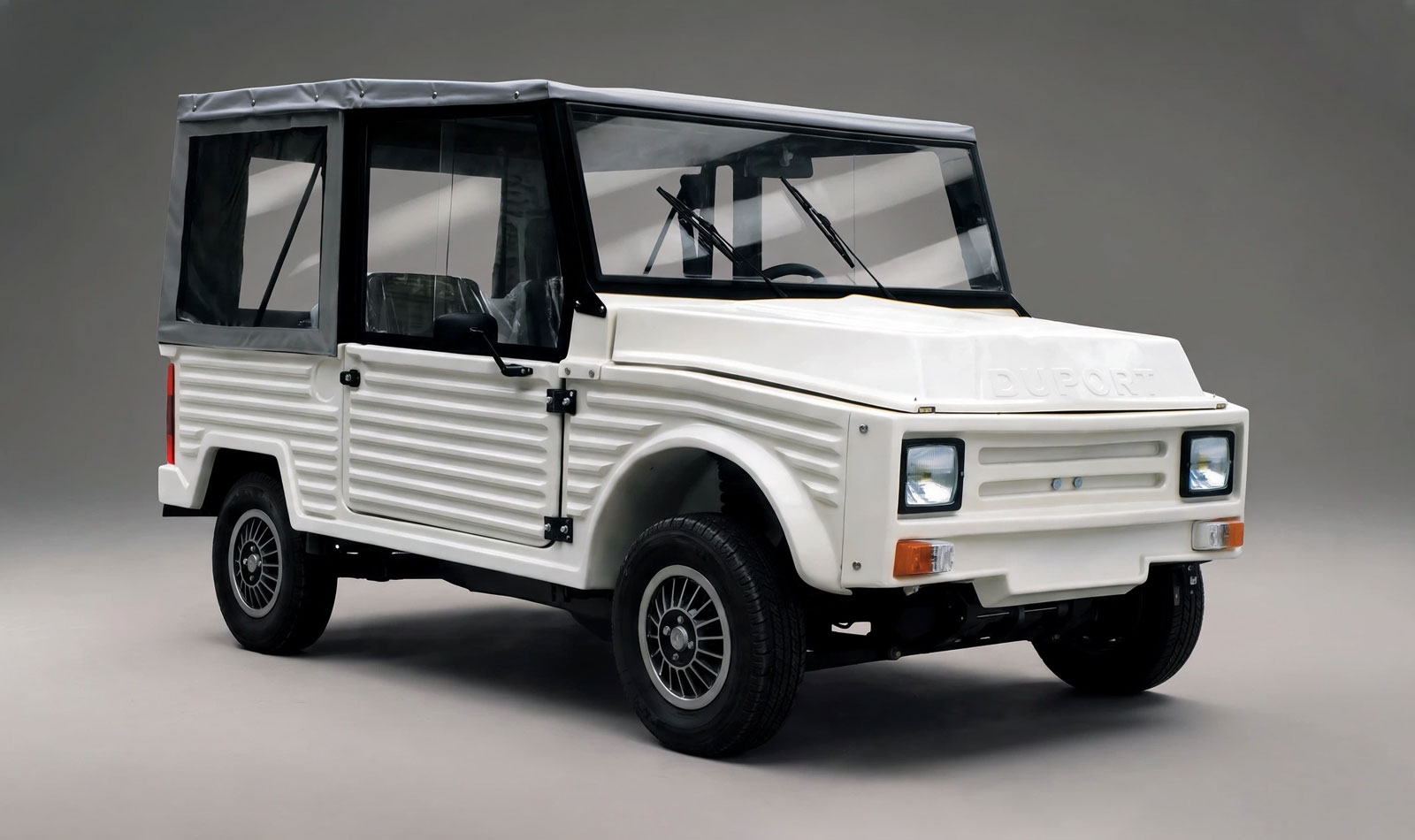
The Duport Onyx was a French-built microcar developed by ski lift engineering company Duport to keep factory workers employed during off-seasons.
The company was based in Faverges, Haute-Savoie, France, and was active from the late 1970s into the early 1990s, producing a small number of rugged, utility-oriented microcars.
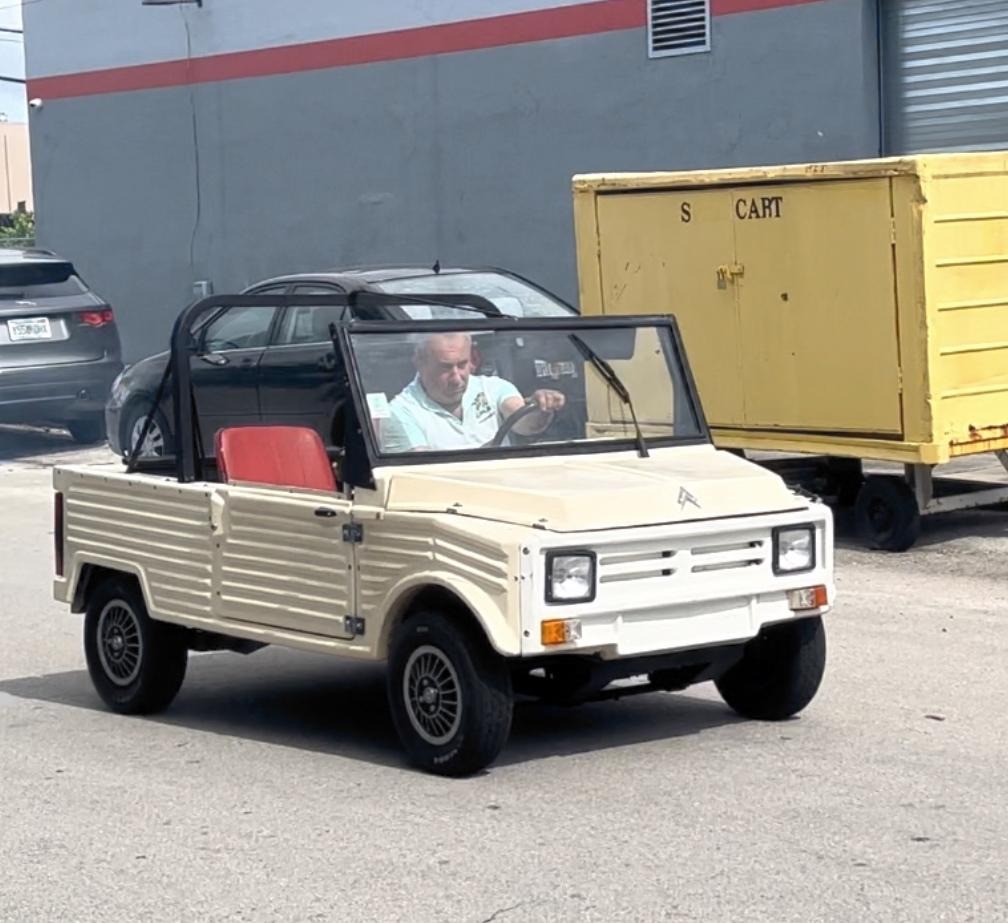
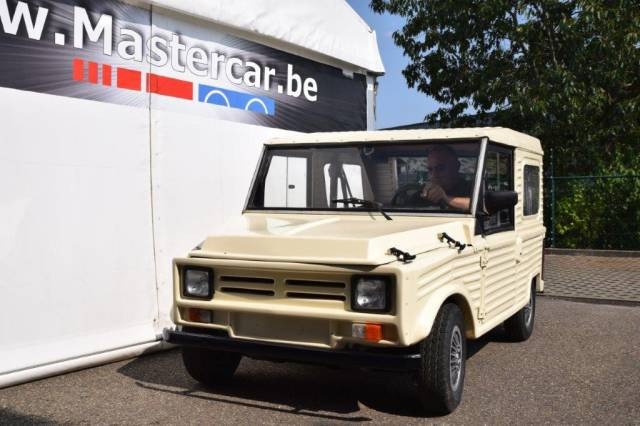
Fewer than 20 examples of the Onyx were made between the late 1970s and early 1990s, with all units powered by a fuel-efficient air-cooled diesel engine. The vehicle was designed primarily for use in rural or mountainous regions, echoing the same stripped-down philosophy as the Citroën Méhari or Mini Moke – lightweight, open-bodied cars that prioritized practicality over comfort.
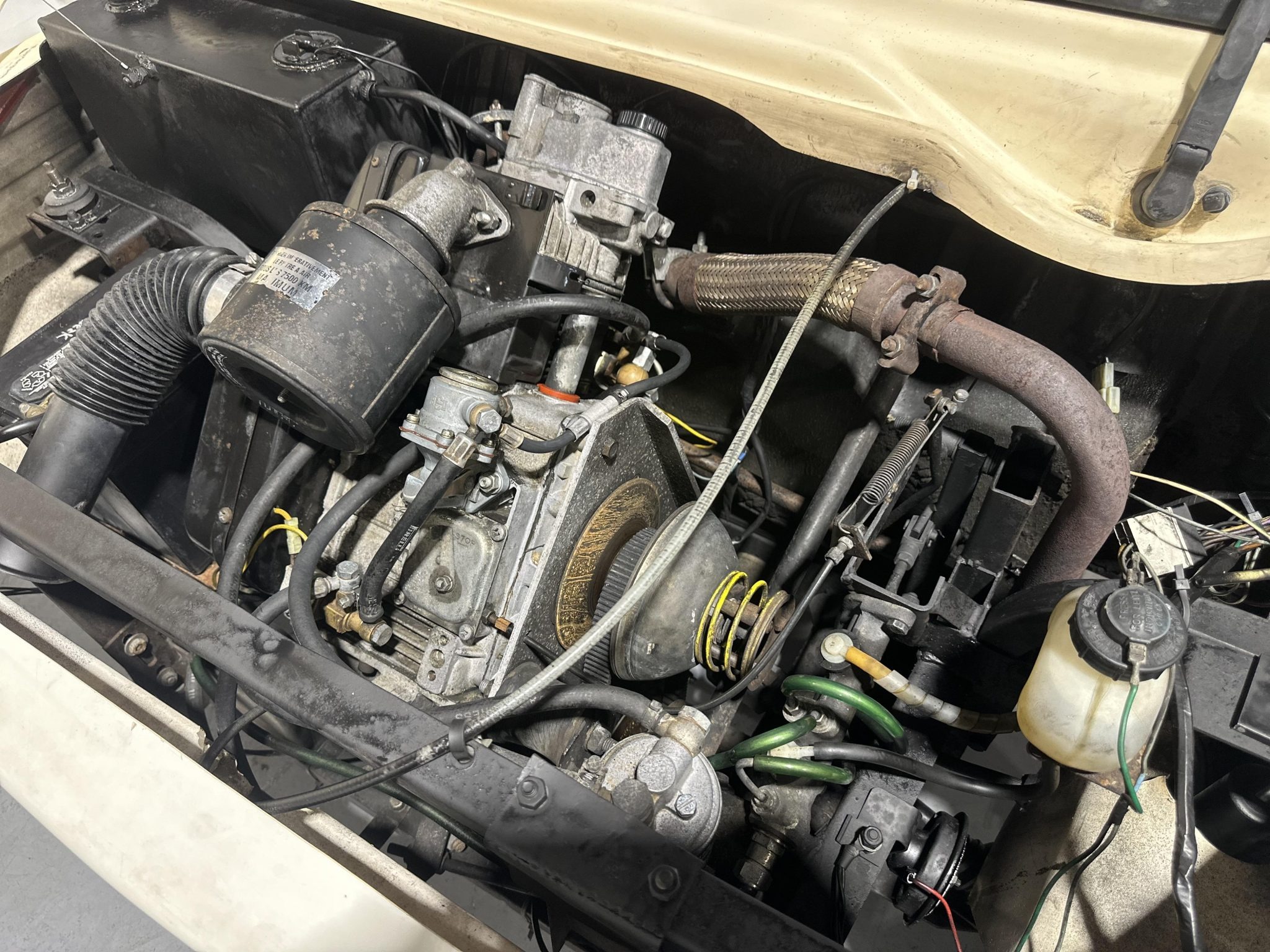
Early Onyx models used a 325cc single-cylinder diesel engine by Lombardini, while later versions came with a 510cc air-cooled diesel unit producing 10 to 12 bhp. Owners of the earlier cars had complained about a lack of power, and while the later 510cc unit was still underpowered, it gave the small, lightweight Onyx enough performance to keep up with urban traffic and climb steeper hills.
Power was routed through a belt-driven continuously variable transmission (CVT), more typical of small scooters, giving the car a top speed of roughly 30 mph (45 km/h) – enough for urban settings and rural back roads but not for major roads or highways.
Due to the engine power level being below 4kW, the Onyx was classed as “sans permis” under French law and could be driven without a driver’s license. The fuel consumption was an astonishing 3 liters per 100 kilometers (about 80 mpg), making it one of the most fuel-efficient vehicles of its time.
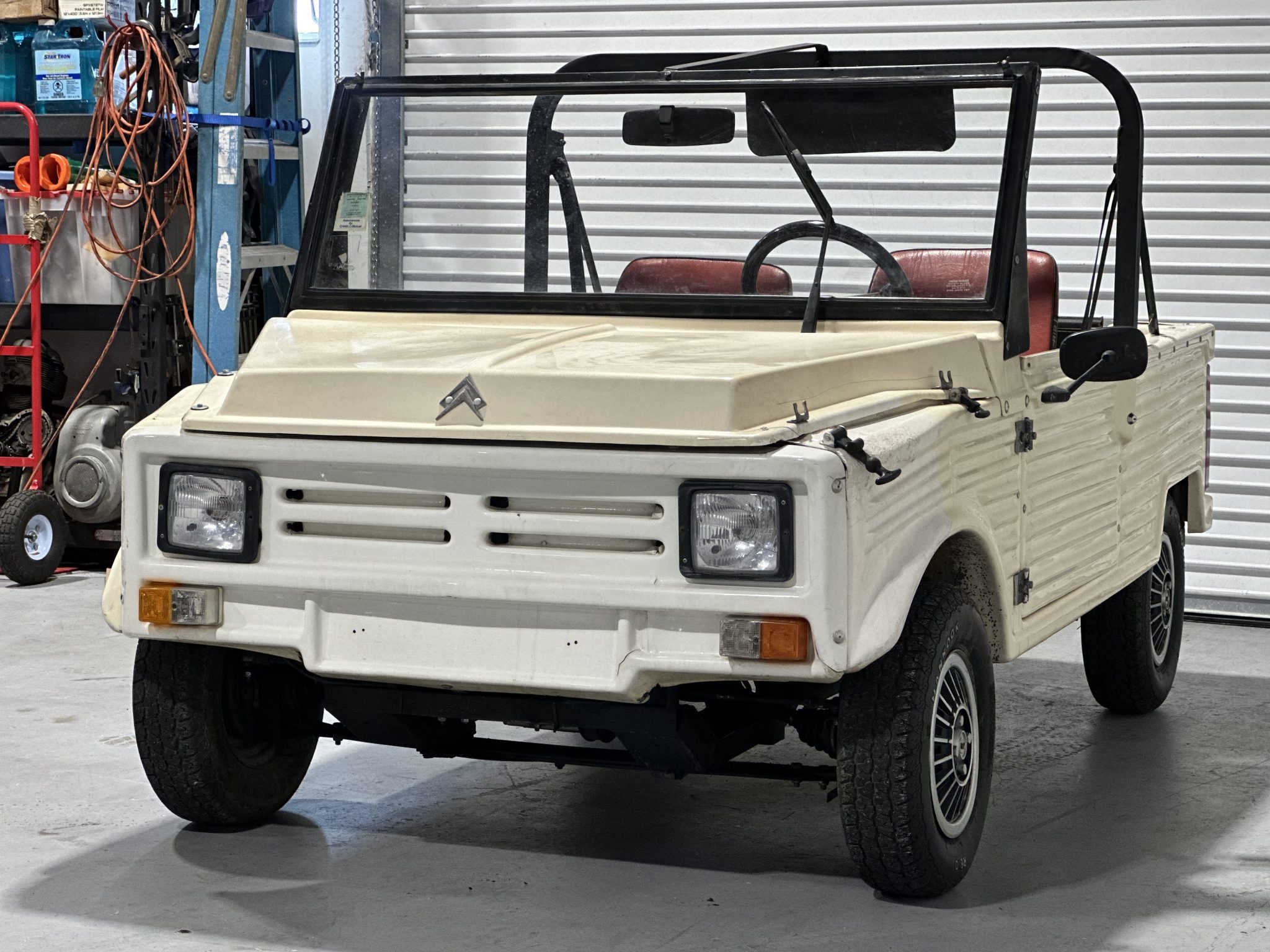
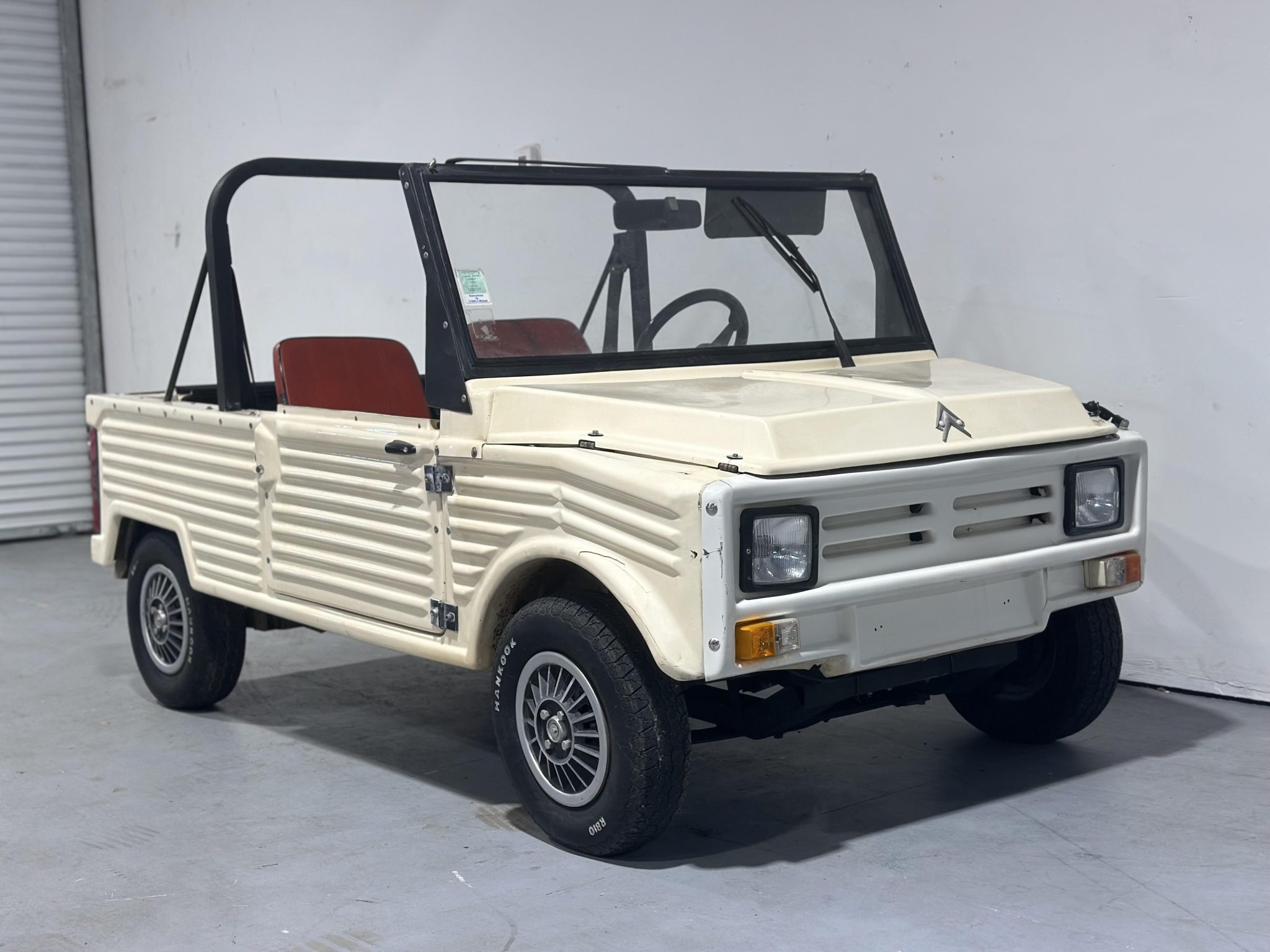
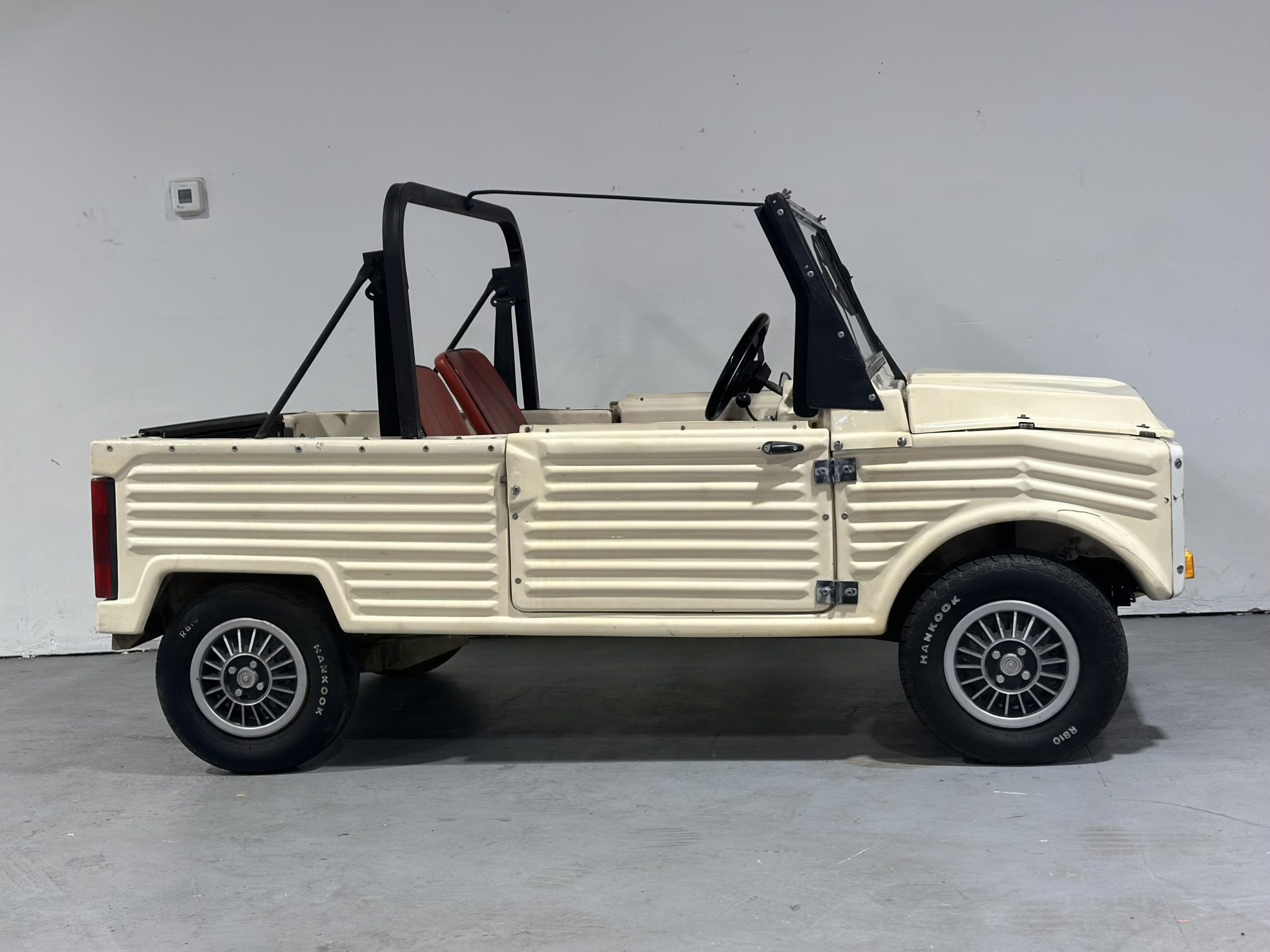
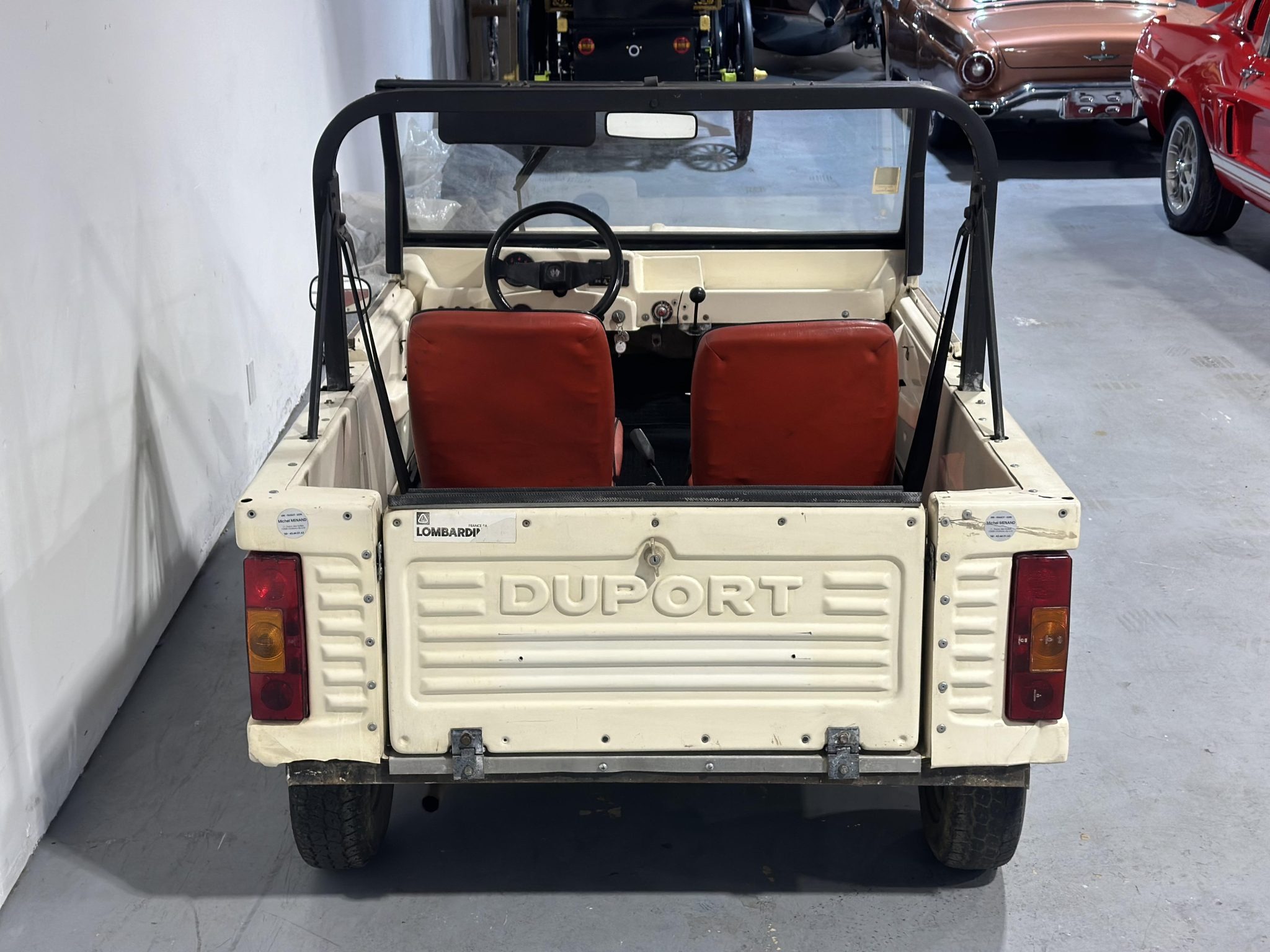
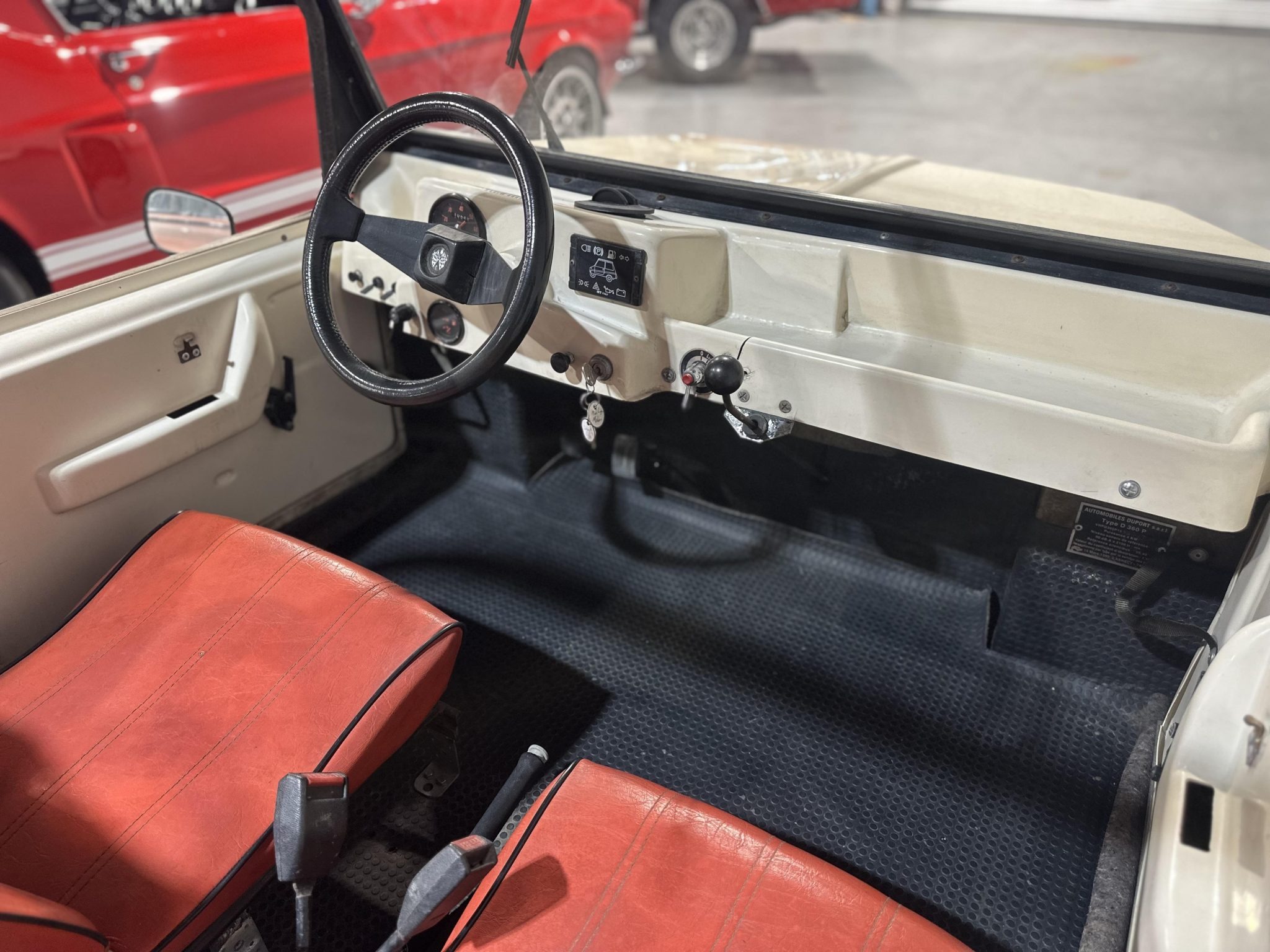
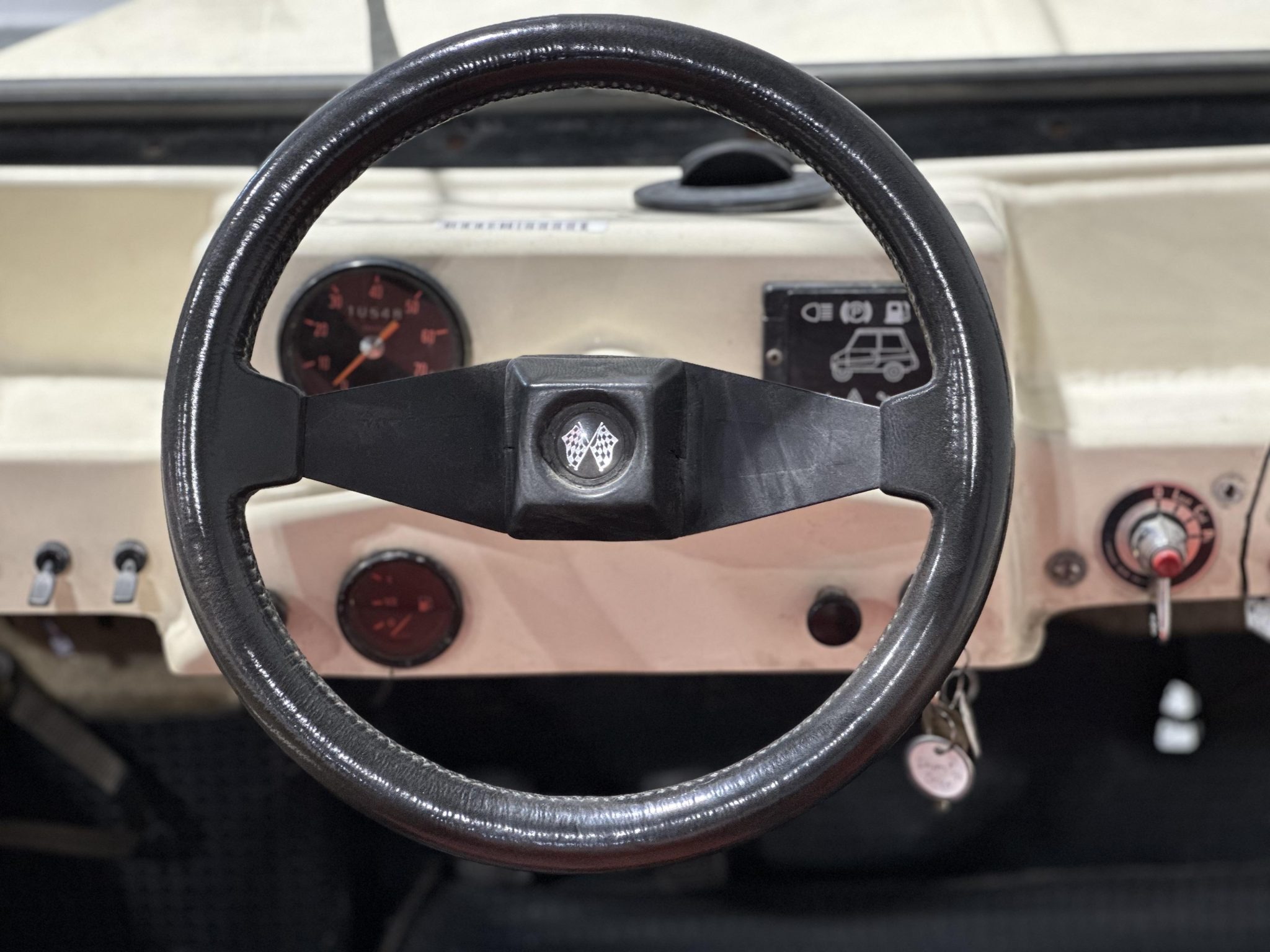
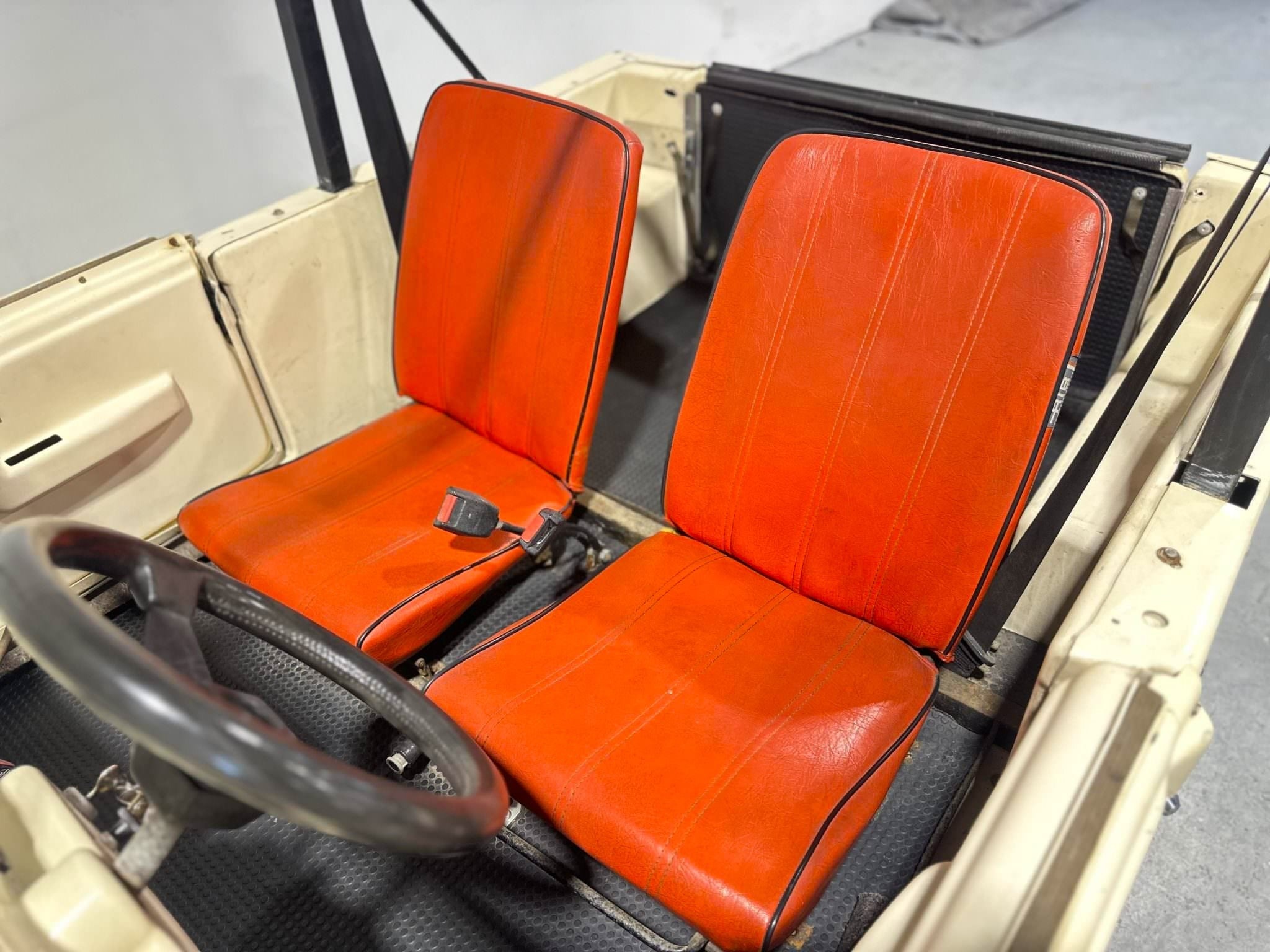
The frame was simple welded steel, but the external shell was made entirely of ribbed fiberglass. This kept weight down while eliminating the risk of rust – an important consideration in the mountainous Haute-Savoie region, where road salt and moisture were constant factors. The body panels were bolt-on and easily replaceable, and the interior was sparse, featuring just vinyl seats, Jaeger gauges, and a flat floor.
The Onyx wasn’t Duport’s only creation. Earlier efforts included vehicles like the Duport Mini Jeep and the Duport Country, all sharing a modular ethos and a utilitarian fiberglass body construction over a steel chassis. The visual similarity between the Onyx and the Méhari was likely intentional, as Duport saw a gap in the French micro-utility vehicle market for something road-legal, low-maintenance, and extremely frugal.
Almost all Onyx examples remained in France, with one notable exception imported to the United States and exhibited at the Lane Motor Museum in Tennessee. A 1991 Duport Onyx was later offered for sale in Florida, retaining its original ivory finish and available with a Tennessee title.
Duport ceased vehicle production in the early 1990s as the market shifted and regulatory changes made ultra-low-volume car building more difficult. The Onyx remains an odd and fascinating piece of France’s microcar past, and surviving examples are now much sought after by collectors of automotive eccentricities.