Iguana

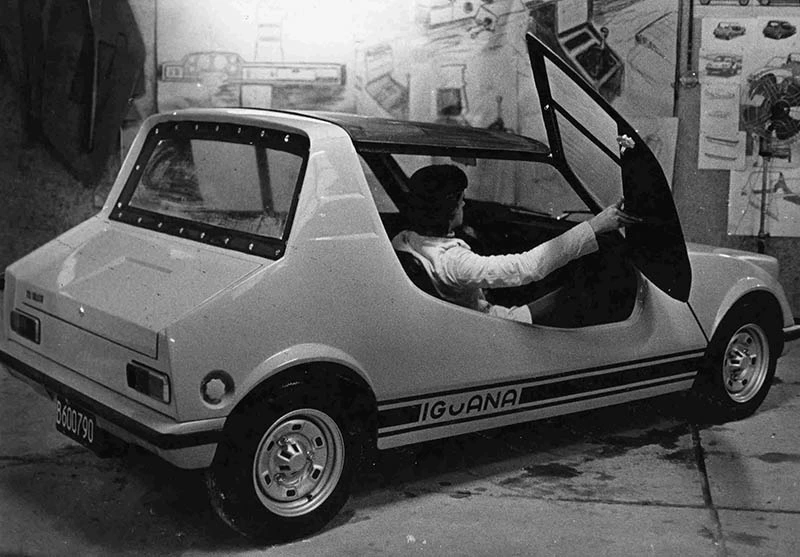
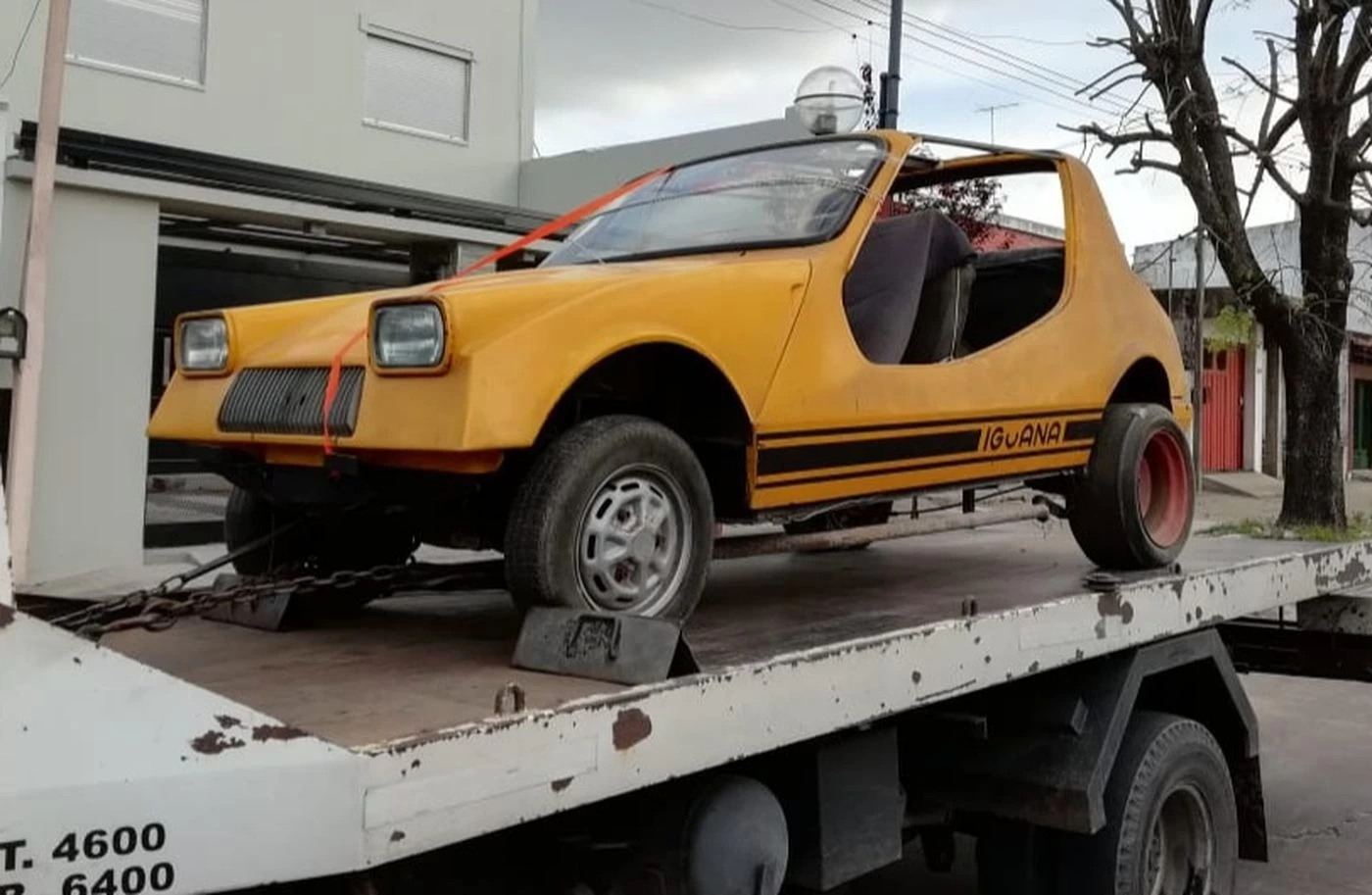
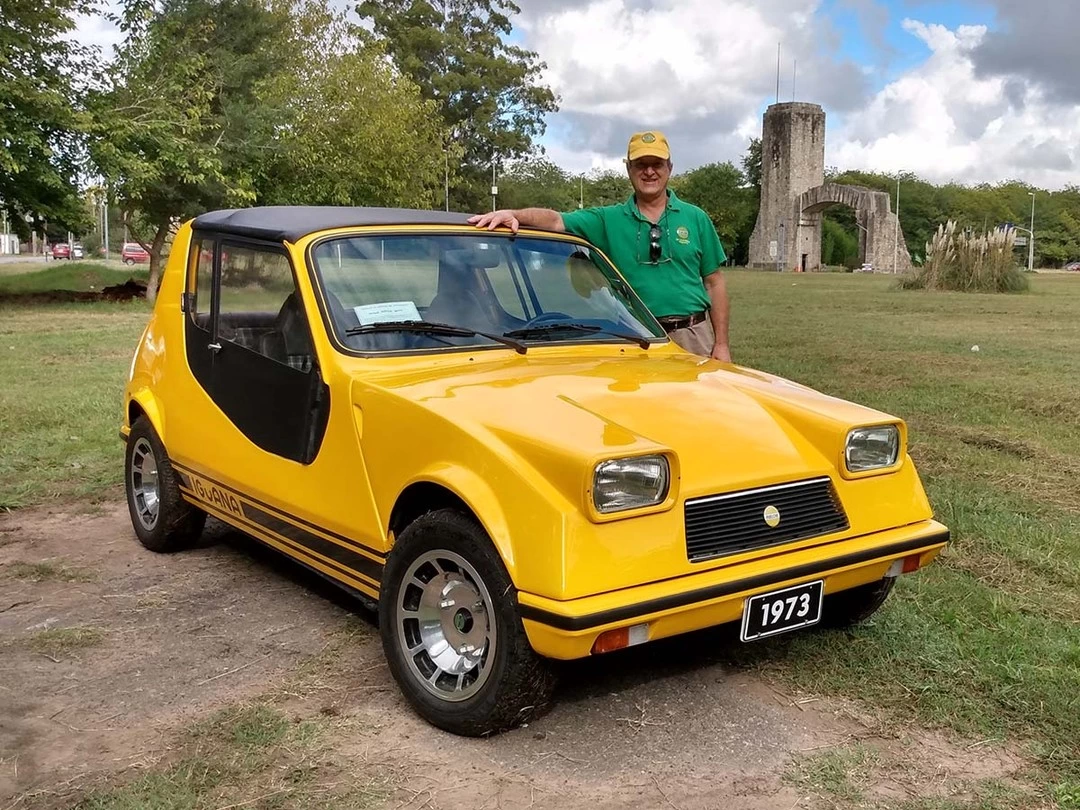
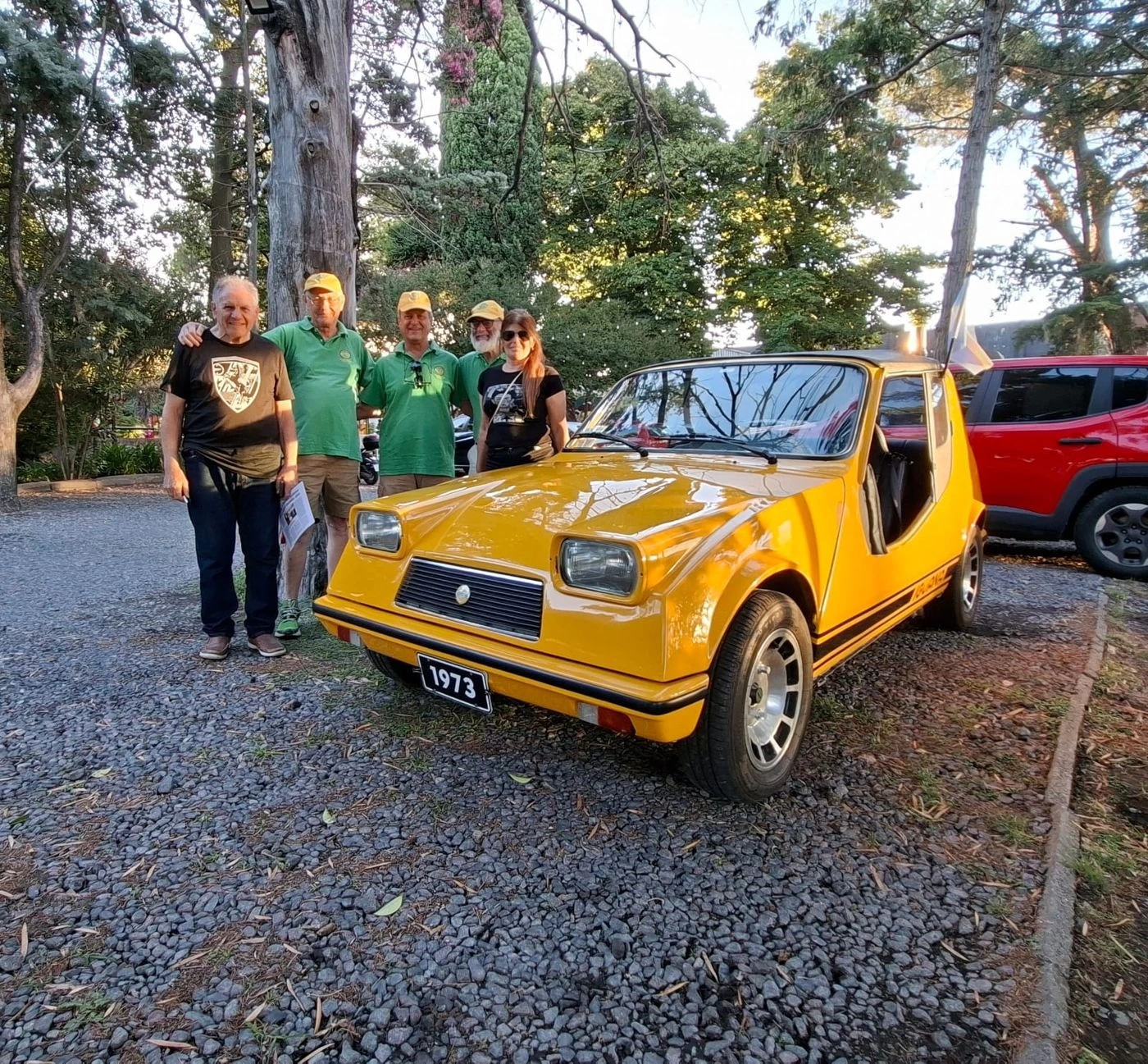
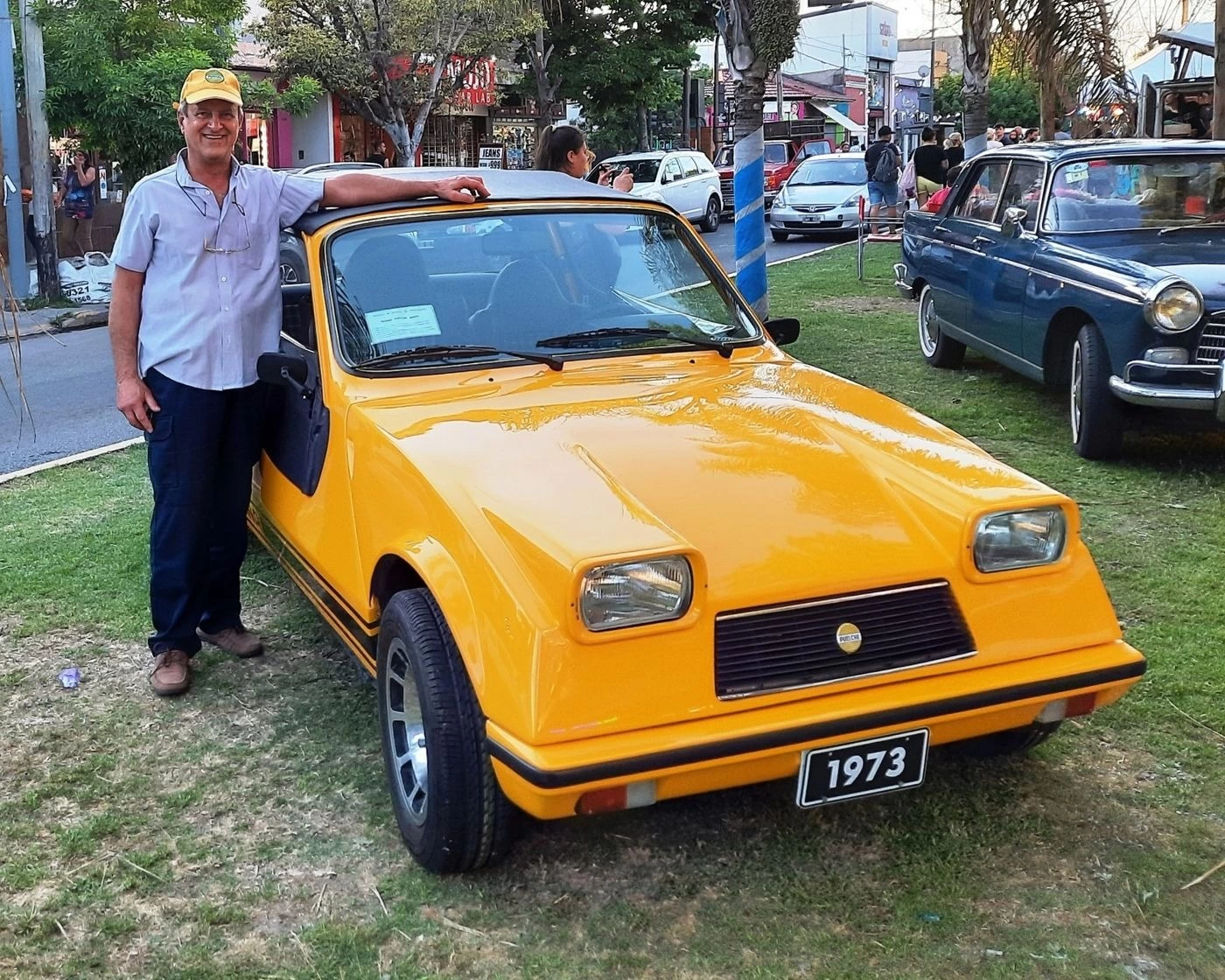
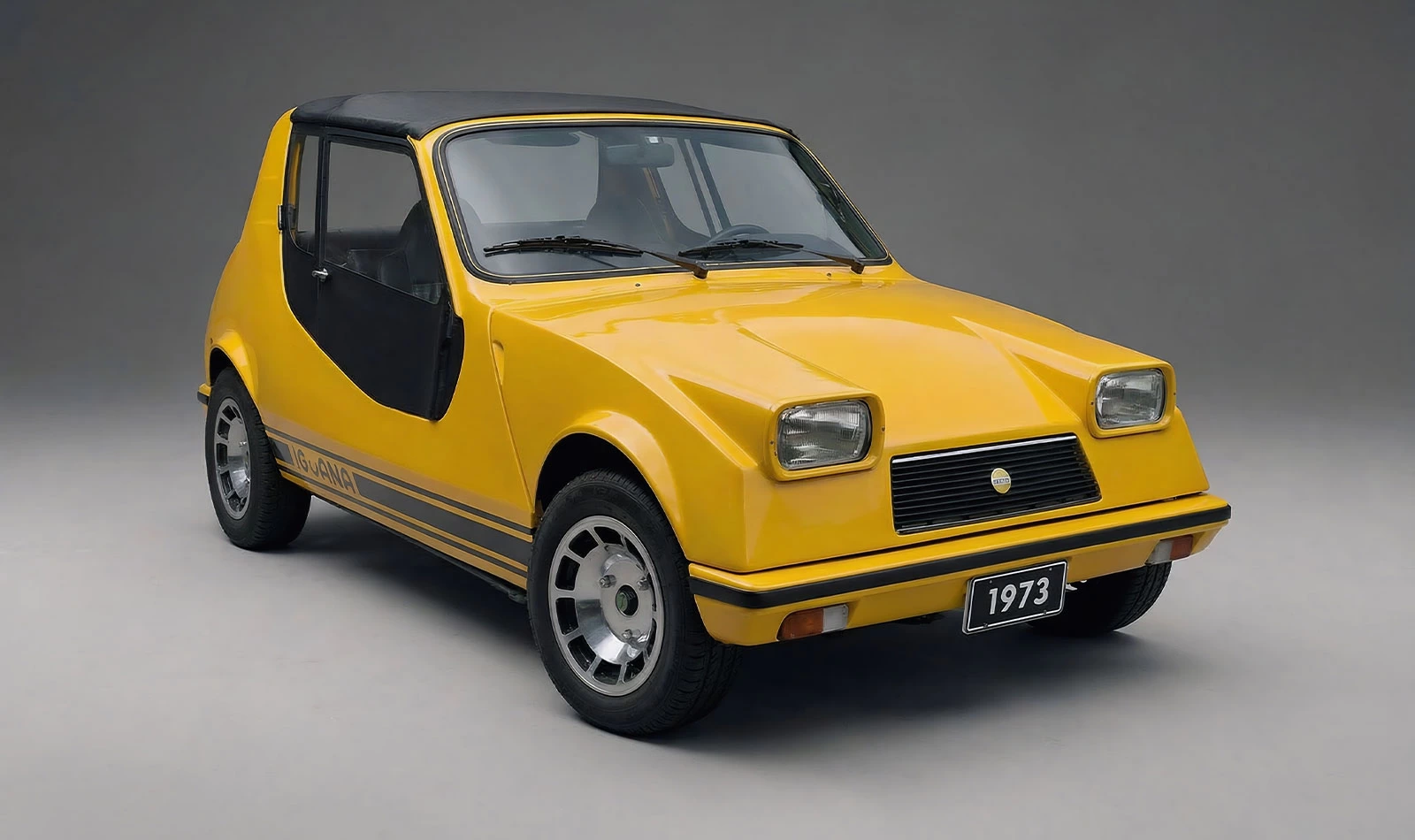
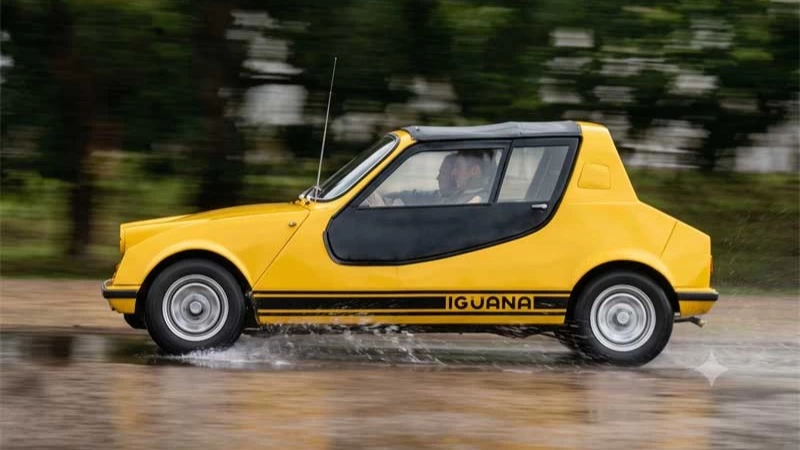
The Iguana was an Argentine recreational vehicle developed by Garbarini Vehículos Especiales of La Plata. Conceived as a small, open, youth-oriented car suitable for family and leisure use, it combined a fibre-reinforced resin body with Renault 6 mechanical components.
Juan Garbarini established the firm to build the Puelche, which was sold in kit form for assembly on Renault Dauphine or Gordini mechanicals. When these models were discontinued, Garbarini began an ambitious project: a brand-new vehicle for family and recreational use based on the recently introduced Renault 6 platform. He approached IKA-Renault to present the plan, and the company showed sufficient interest to give its approval.
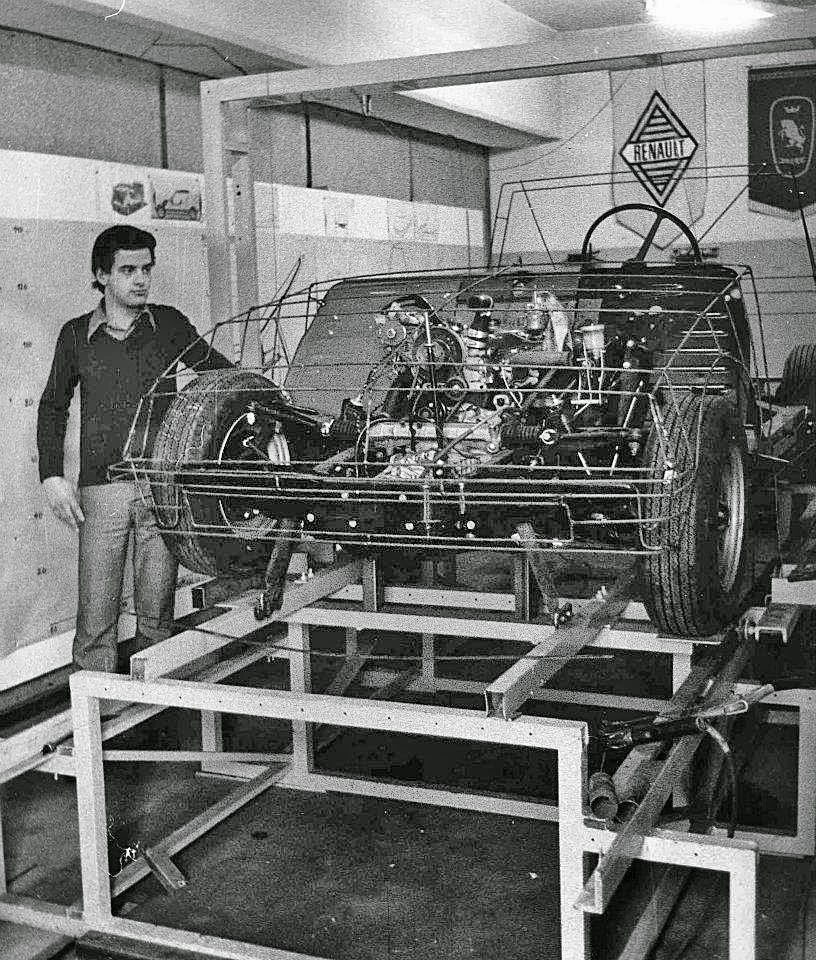
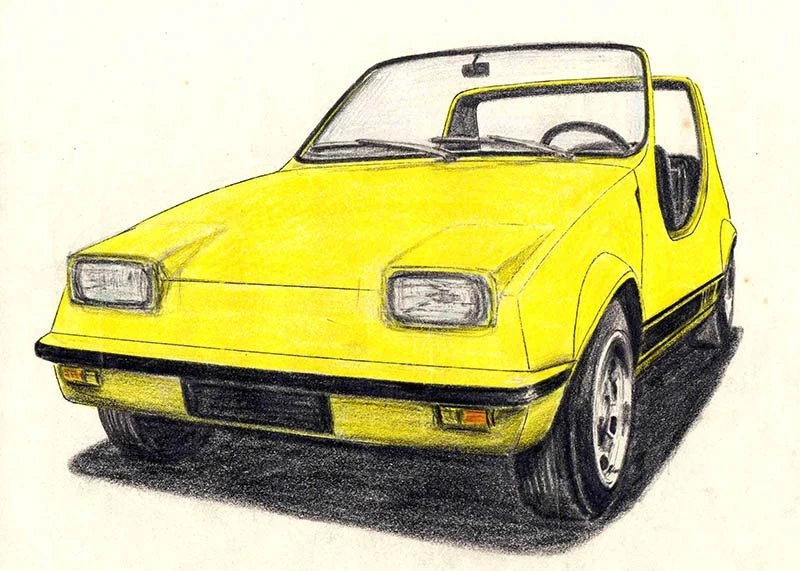
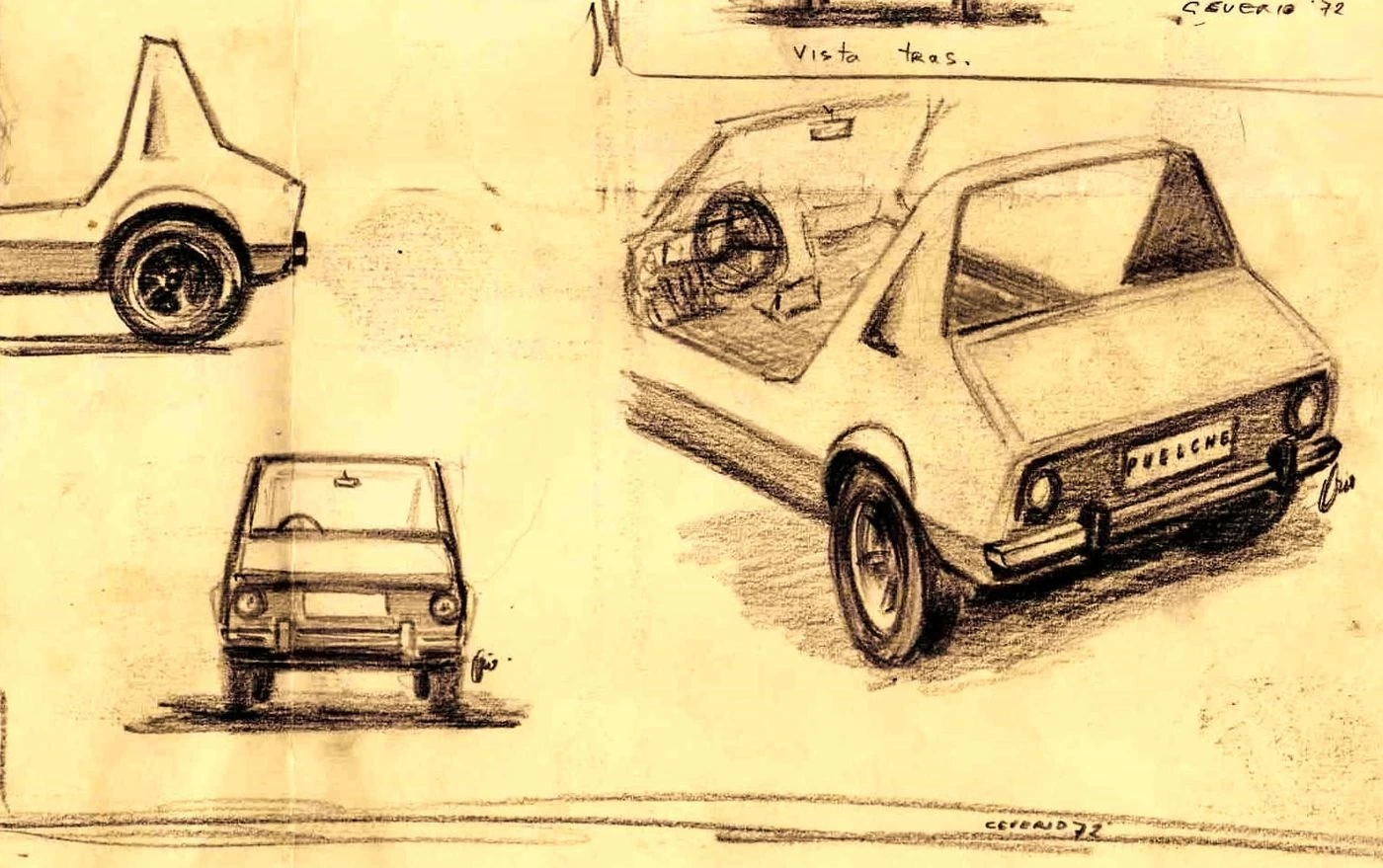
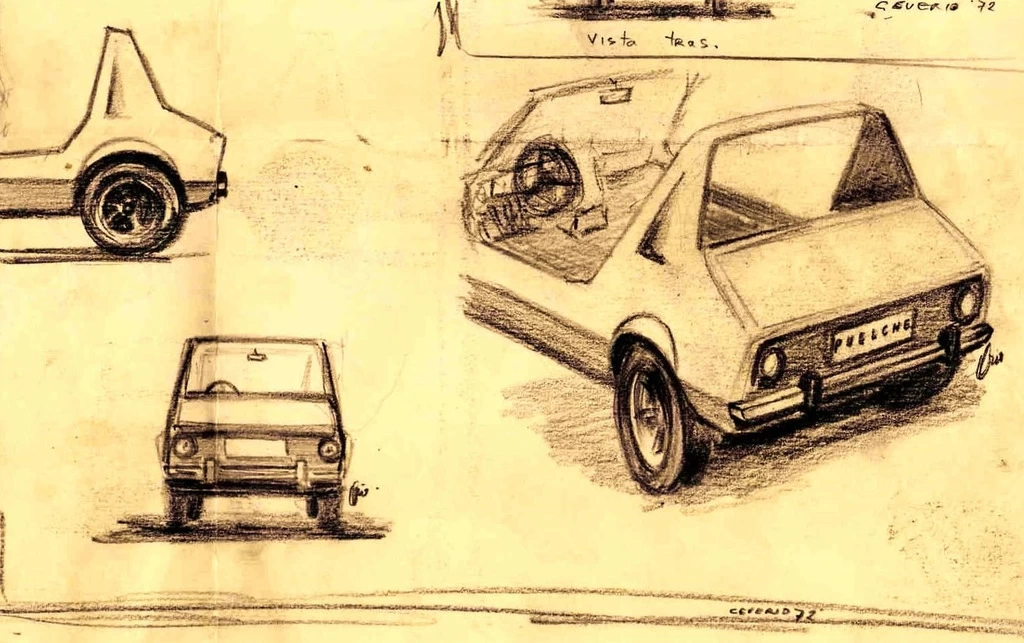
Industrial design student Abel Ceverio was hired to create the vehicle’s appearance. The body would use the complete Renault 6 platform without its original steel bodywork, with a new body of reinforced polyester resin. Ceverio worked on the idea of a multi-purpose, robust and easily maintained vehicle that could be used with little care in the city, on country roads and at the beach.
The vehicle received the name Iguana, suggested by Garbarini himself after a journey through northern Argentina, where he had observed the versatility with which these reptiles moved over rough terrain.
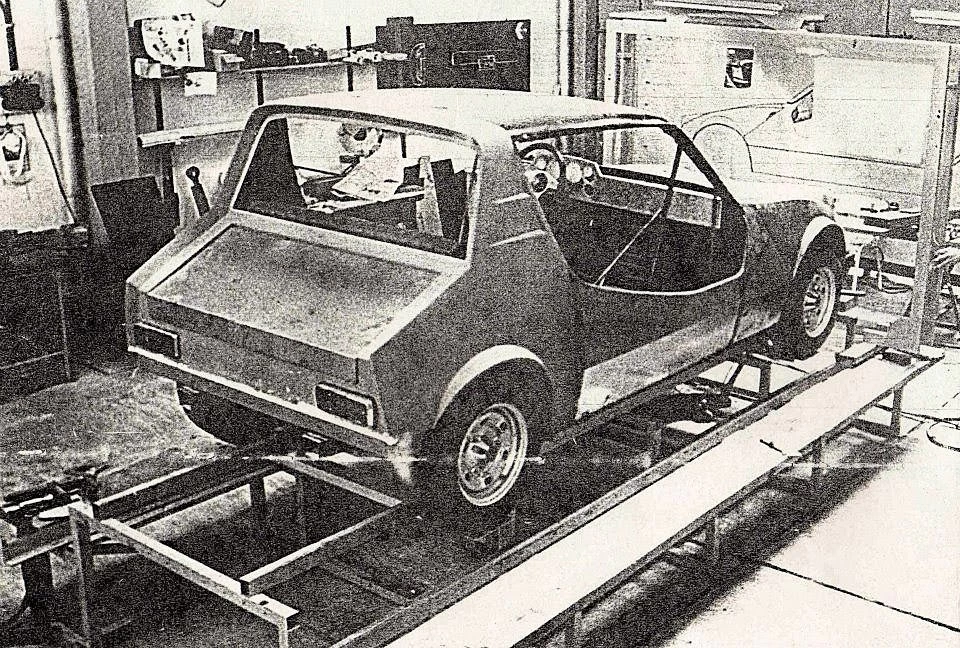
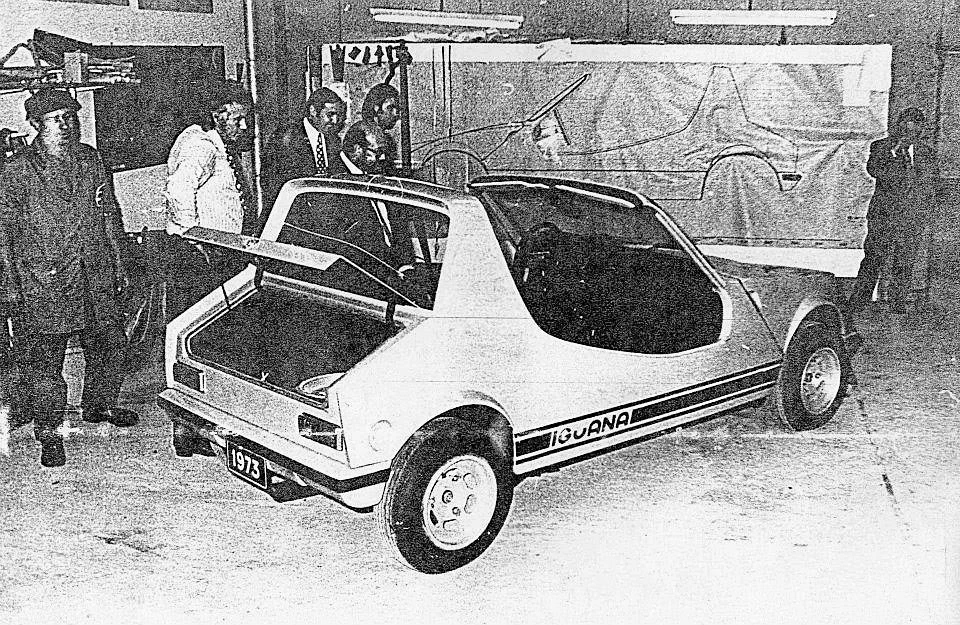
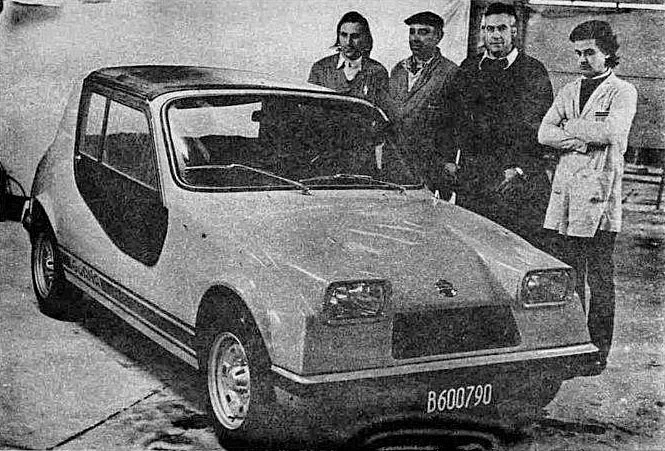
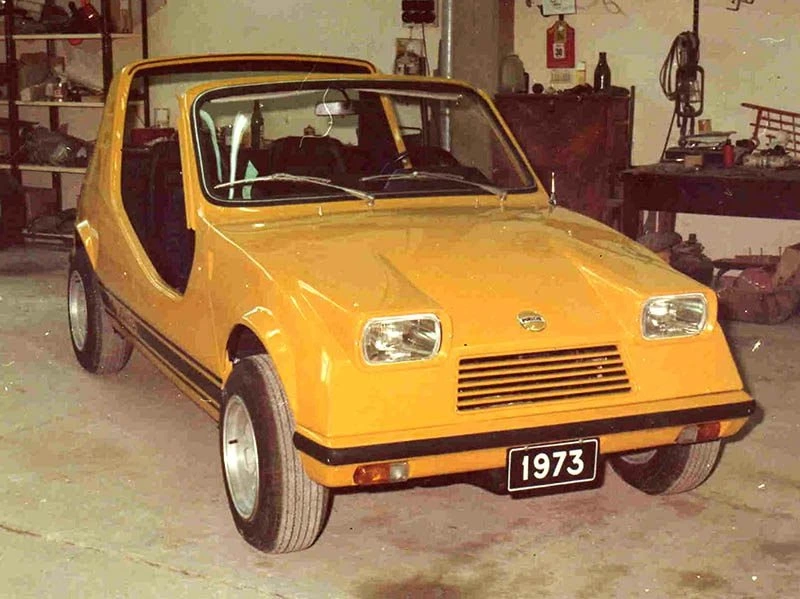
The final shape was settled quickly. Once the design was approved by IKA-Renault, a metal prototype was constructed by Rubén Narvarte, who had also built the first Puelche prototype. Roberto Cordasco and Hugo Pintarelli also formed part of the development department. The prototype was completed in March 1973 and formally presented to IKA-Renault executives at the Velódromo in Buenos Aires.
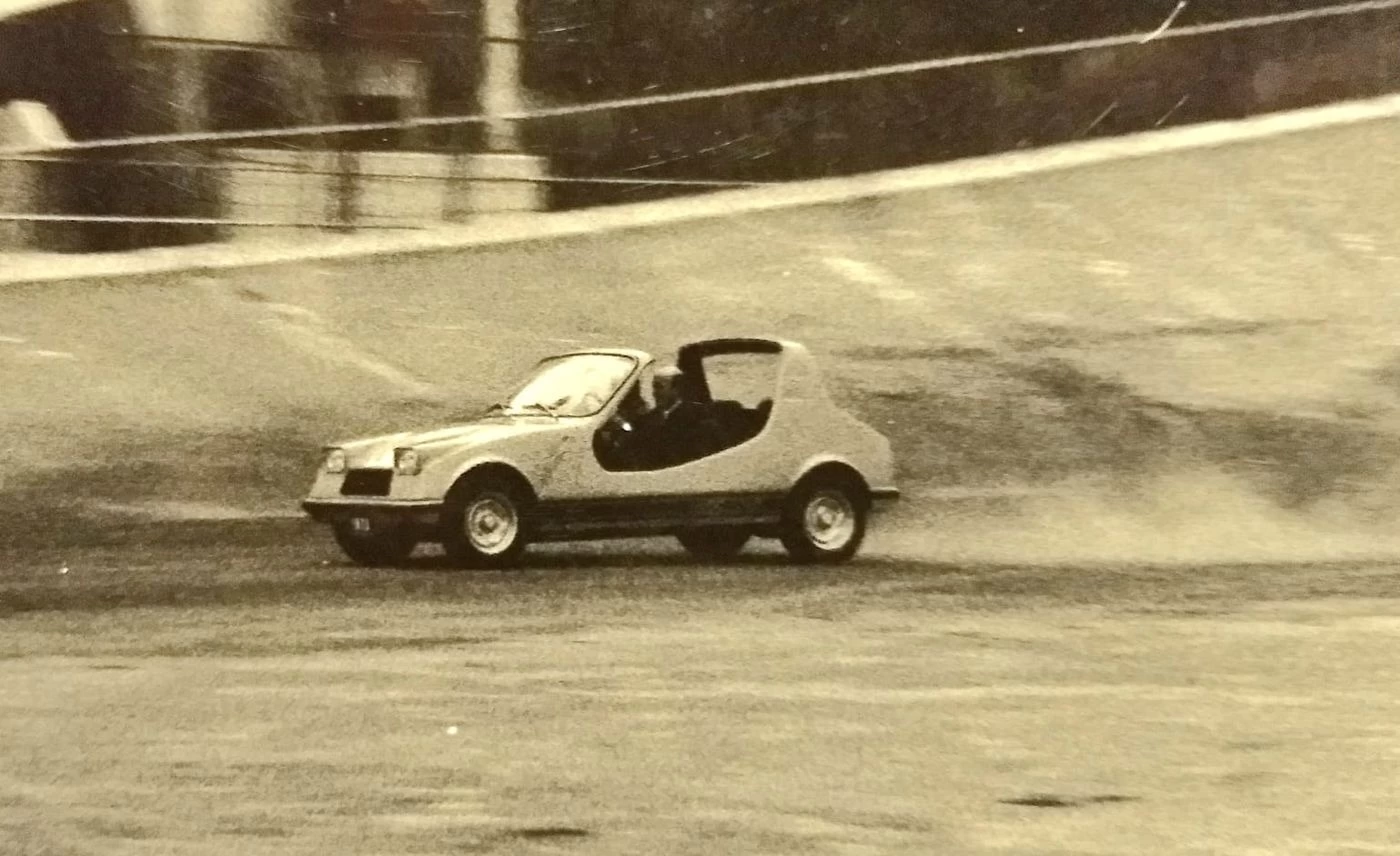
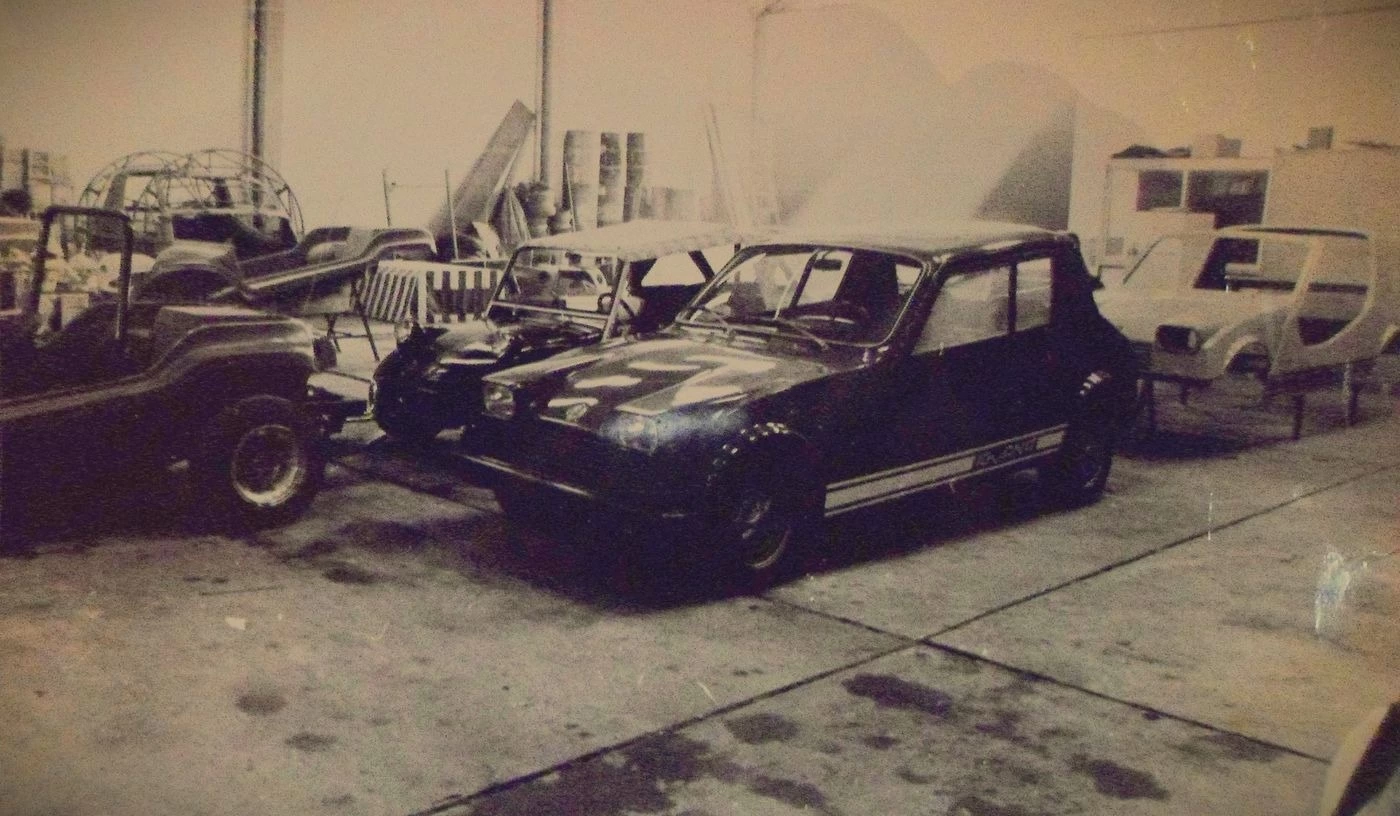
Production tooling was then built in Gonnet for series manufacture of the bodies in polyester resin and fibreglass. Export possibilities were also considered, with plans to build bodies in Uruguay and Venezuela. By 1974, two pre-production examples were running in their final road-going specification, being tested on different types of roads so that the necessary adjustments could be made.
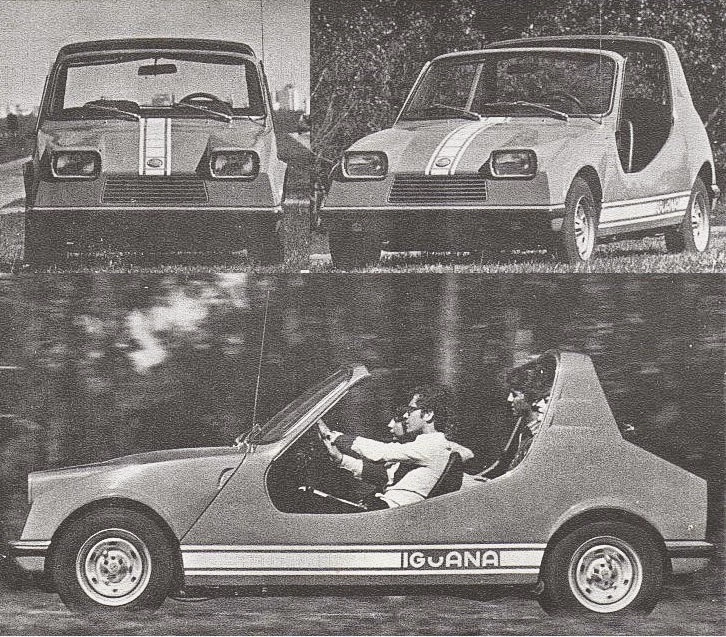
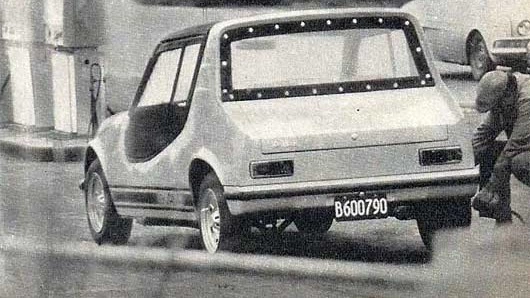
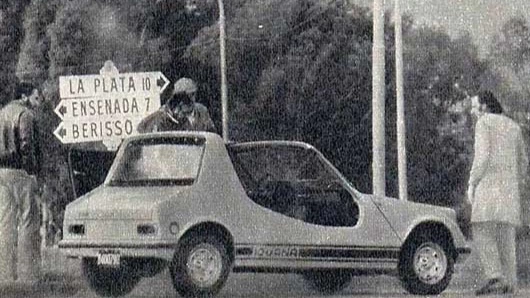
The Iguana’s body was constructed as a single piece, with a removable hard roof or a canvas top, detachable doors and a removable rear window. The luggage boot had space for the spare wheel. A 6 mm-thick steel-reinforced rubber bumper protected the front of the vehicle. The central body section incorporated an anti-roll bar that also performed a structural function and extended to the windscreen pillars. There were removable door panels that could be inserted into the door apertures to give some protection from the weather.
The interior was fully trimmed and featured a specially designed one-piece dashboard with a semi-matt leatherette finish, together with a console divided into two parts to simplify installation of the heating unit. The steering wheel was also a dedicated design, made in duraluminium with a padded leatherette grip. The instruments included a speedometer, odometer, oil-pressure gauge, tachometer, fuel-level indicator, temperature gauge, voltmeter and turn-signal and high-beam indicators. The floor-mounted gear lever had a short and precise action.
A wide range of optional equipment was offered, including a radio, heater and demister with electric fan, pedal-operated windscreen washer, seat belts, iodine lamps, day-night mirror, locking fuel cap and anatomically shaped rear seats. The wheels were also original designs, similar to those used on the Puelche buggy.
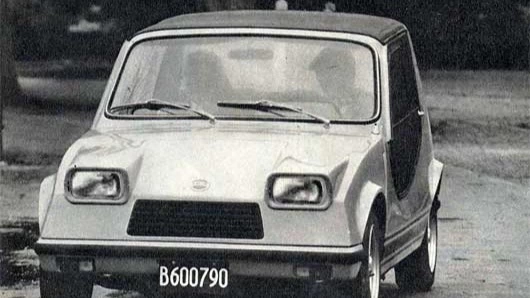
The exterior was finished in saturated shades of blue, yellow, red, green and white, accompanied by rally-style side graphics that gave the car a sporting character. Renault 12 headlights and windscreen were used to create a family resemblance with other Renault products. The body was 3.5 to 4.5 mm thick and attached to the chassis with 19 bolts. The car used a wheelbase of 2,390 mm and had an overall length of 3,480 mm and a height of 1,420 mm.
Two engines were planned. The standard power unit was the Renault 6’s 1,118 cc engine producing 59 hp, giving a maximum speed of 135 km/h. An optional 1,300 cc engine from the Renault 12 was also proposed. With a weight of 740 kg, the power-to-weight ratio was considered very good.
The design of the Iguana received the “Etiqueta de Buen Diseño” award from the Centro de Investigación del Diseño Industrial (CIDI), a division of INTI. A diecast model manufacturer, Rapitoy, also produced a matchbox-sized model of the Iguana, possibly anticipating the planned series production.
The La Plata factory was capable of producing approximately fifty vehicles per month, and the cars were to be sold through IKA-Renault’s official dealer network. Juan Garbarini financed the entire project personally at great economic effort.
Despite the initial approval, the project was never given a final production order. Argentina’s political and economic instability, together with the deteriorating financial condition of IKA-Renault, prevented the plan from proceeding. The sudden death in 1973 of IKA-Renault’s president, Ivon Lavaud, an enthusiastic supporter of the idea, further damaged the project’s prospects.
A further opportunity to revive the Iguana appeared the following year, but Argentina’s economic situation, with double-digit monthly inflation, proved an insurmountable obstacle. The economic adjustment known as the “Rodrigazo” of 4 June 1975, which included a sharp devaluation and exponential increases in fuel and utility prices, finally ended the project. The Puelche buggy factory closed permanently in the same year.
Renault subsequently took control of IKA-Renault in 1975, closing the book on the Iguana entirely. Only a small batch of approximately a dozen cars was built. In 1988, Juan Garbarini and a group of investors examined the possibility of reviving the project, with Ceverio sketching updated ideas reflecting 1980s styling, but the economic situation again proved unworkable and the concept was finally abandoned.