

Volkswagen Chico

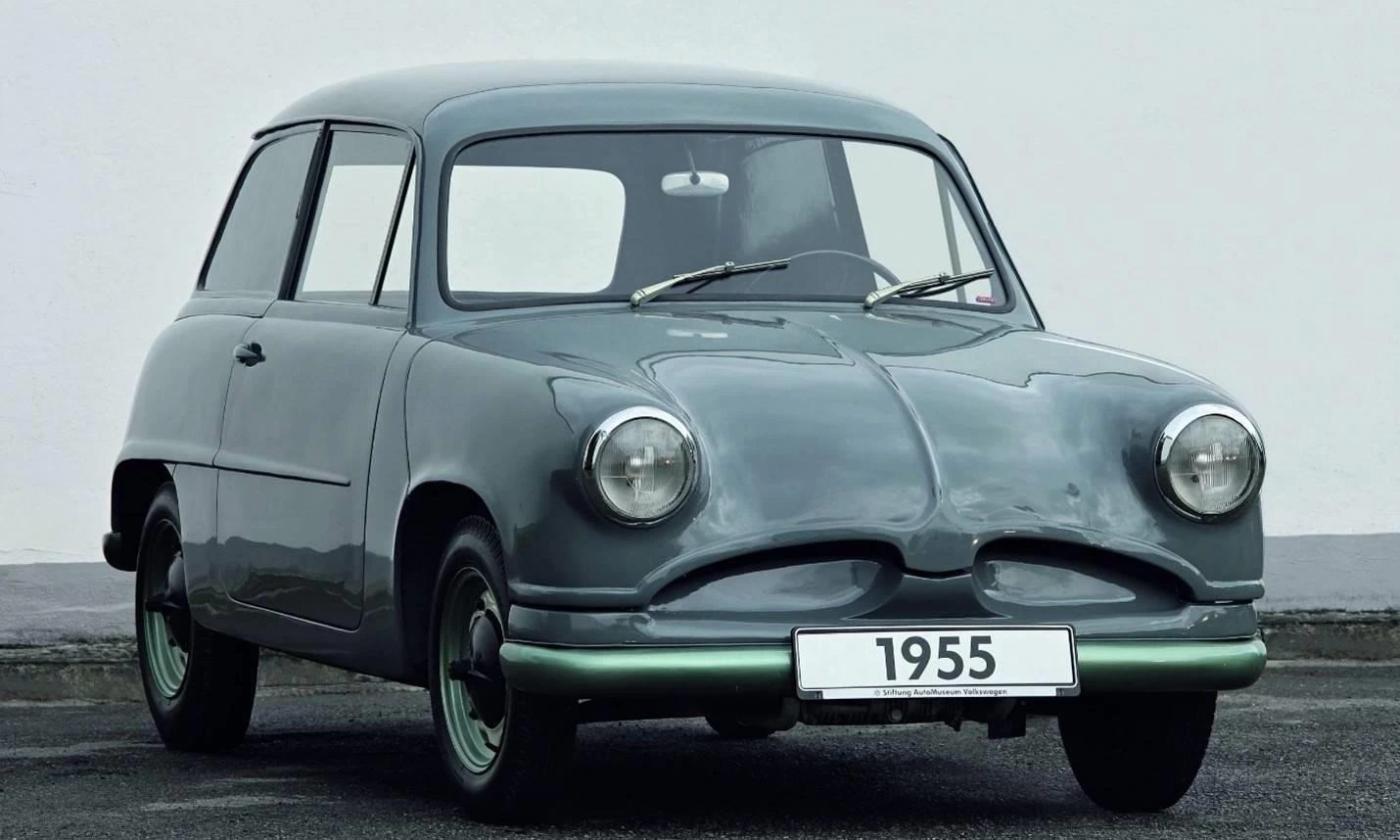
Volkswagen began thinking about creating a miniature city car almost forty years ago, when the first generations of the Golf and Polo were still being prepared for production.
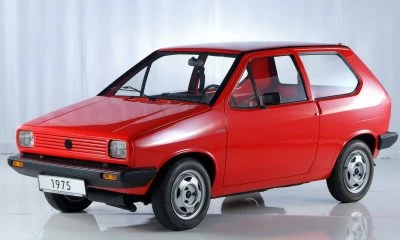
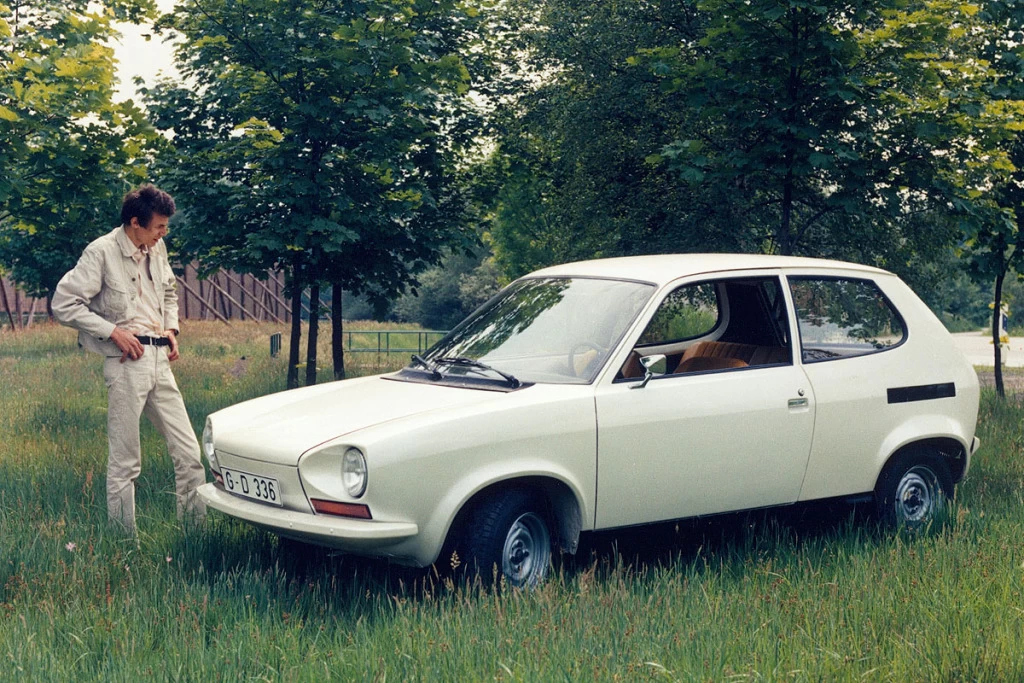
The Volkswagen Chicco prototype appeared in 1975: a front-wheel-drive three-door hatchback measuring 3.3 meters in length, it was 212 mm shorter than the production Polo.
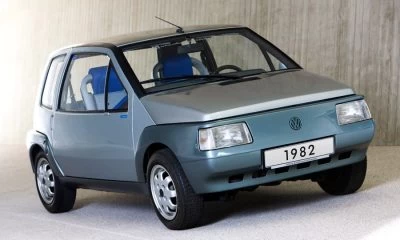
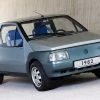
The next attempt came in 1982, with the Volkswagen Student three-door hatchback, whose target audience was clearly reflected in its name.
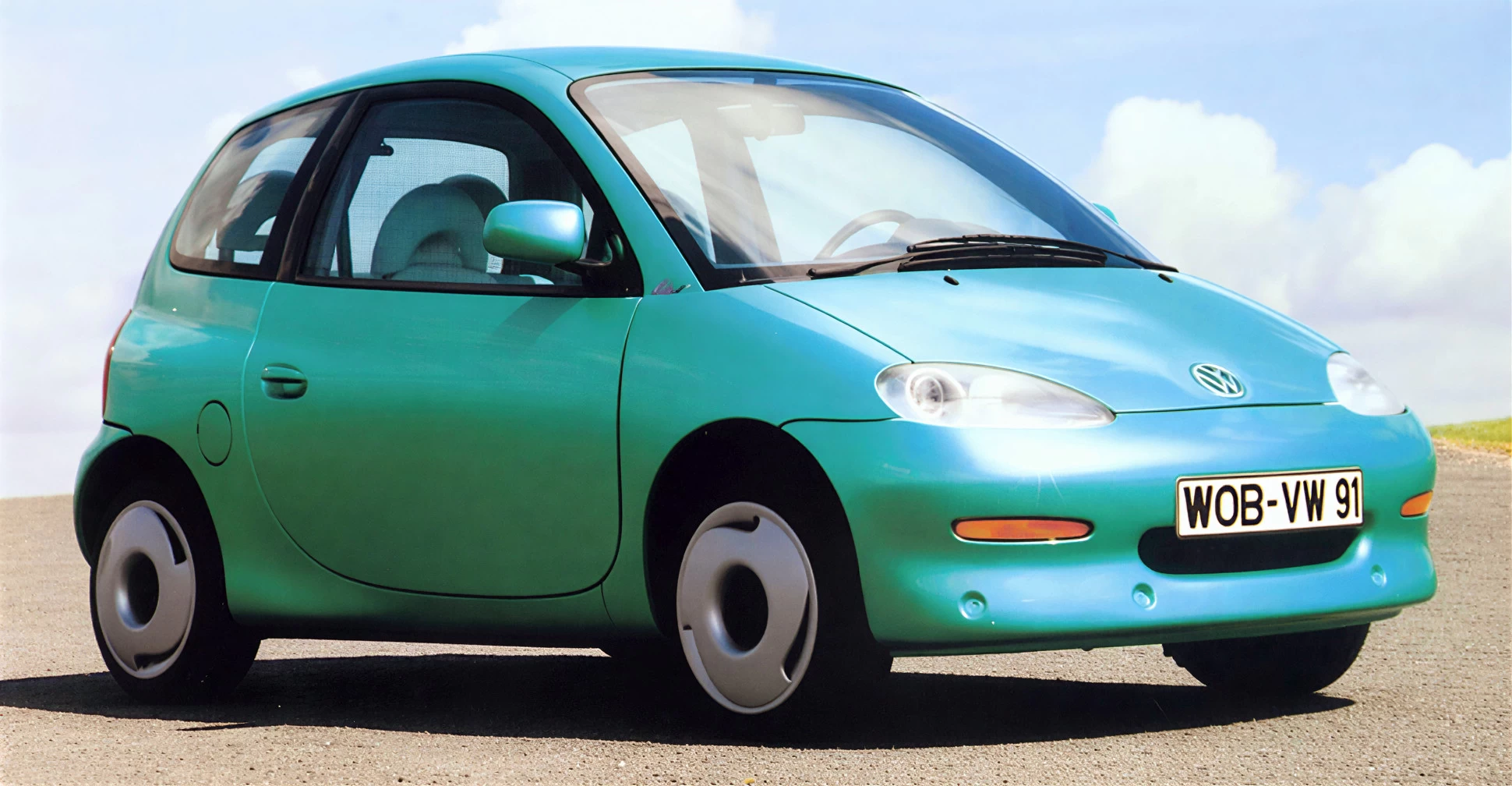
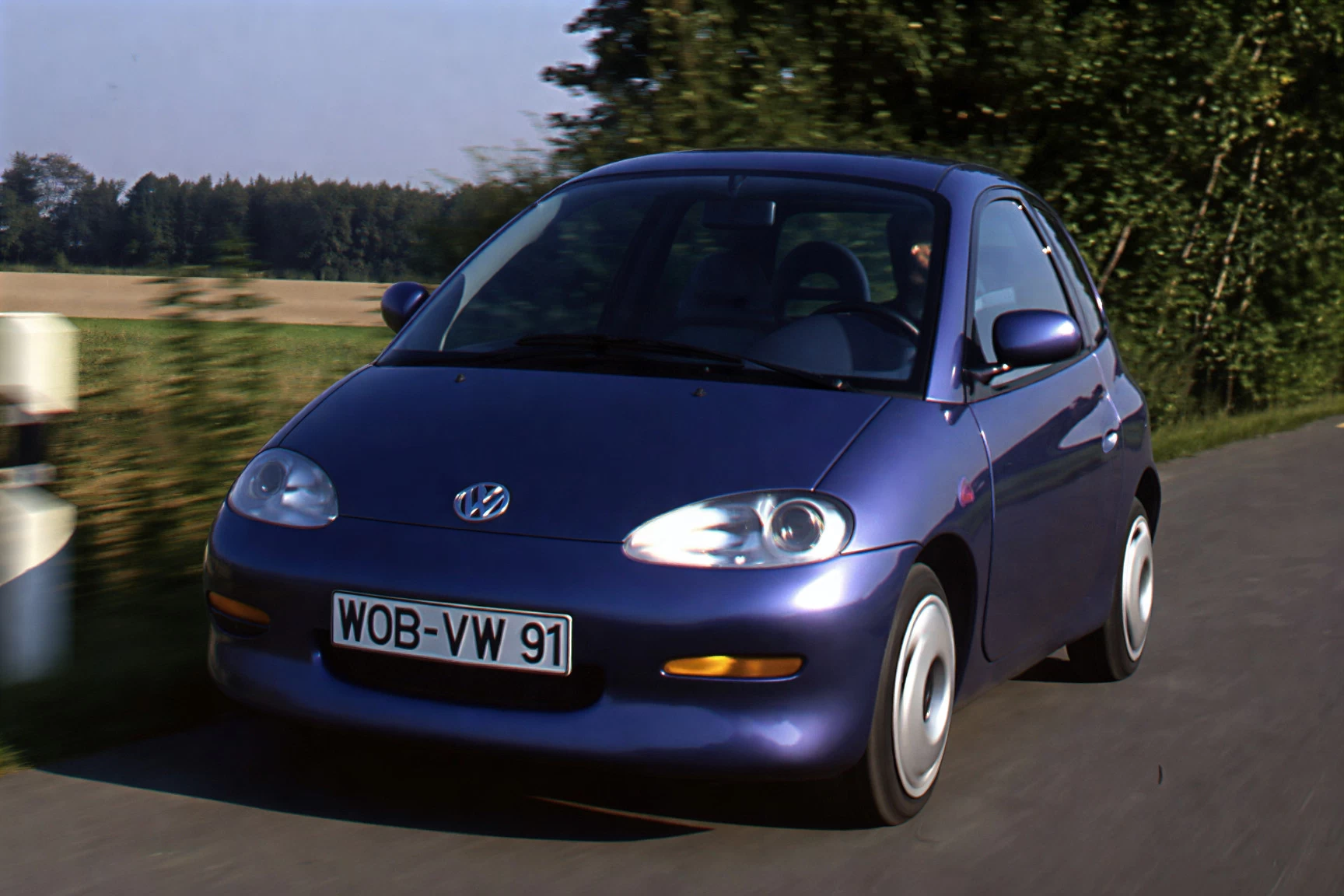
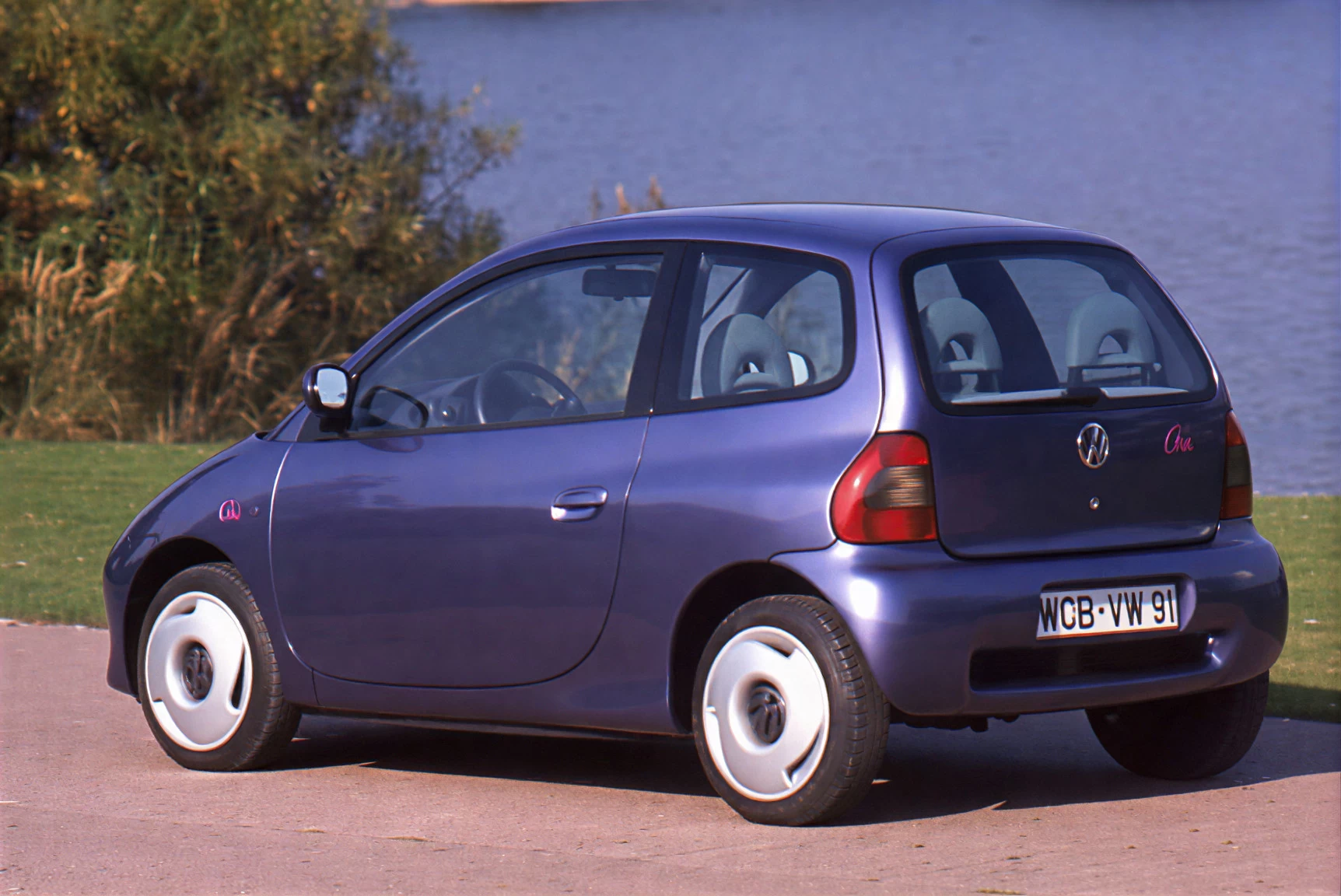
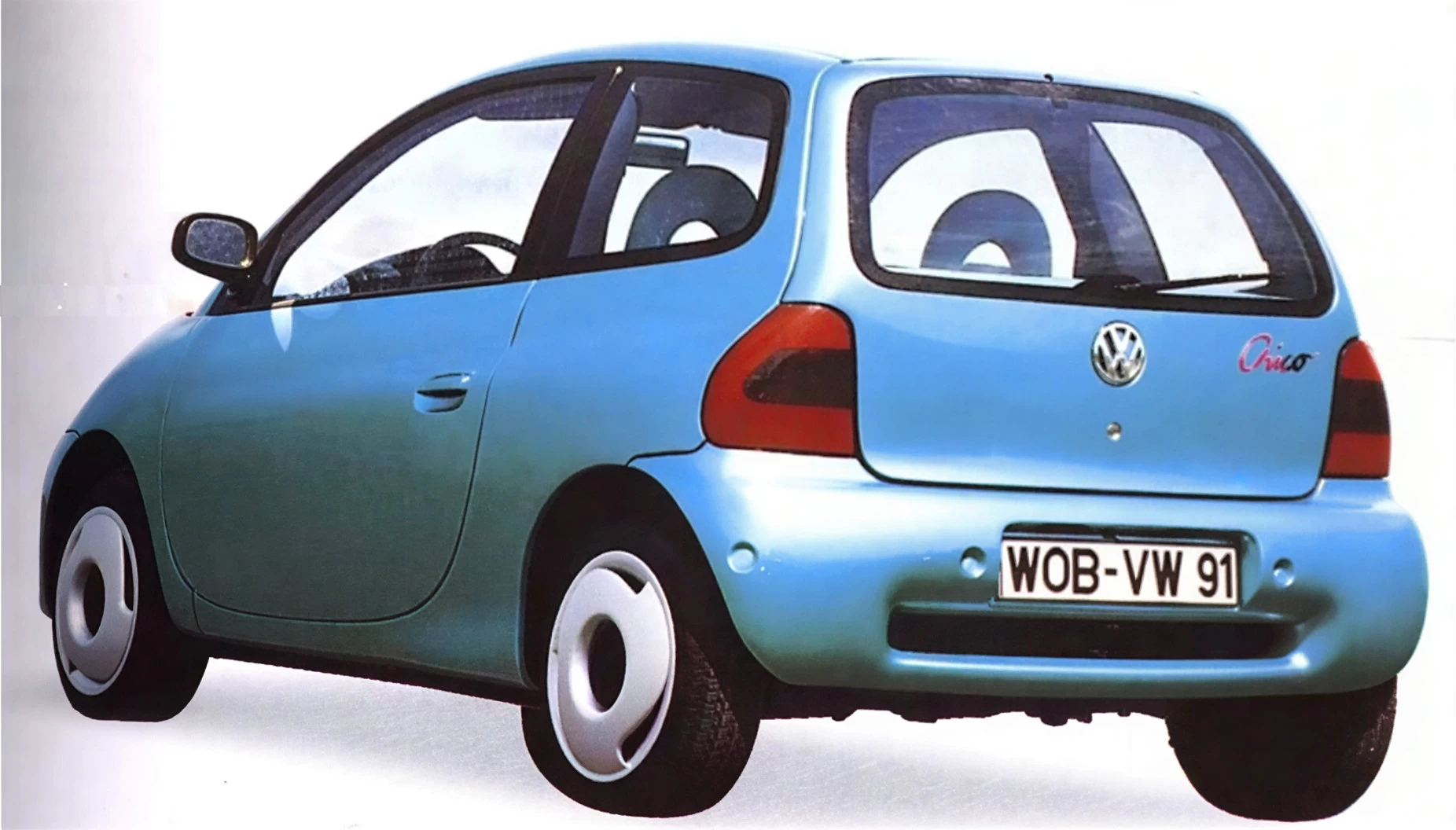
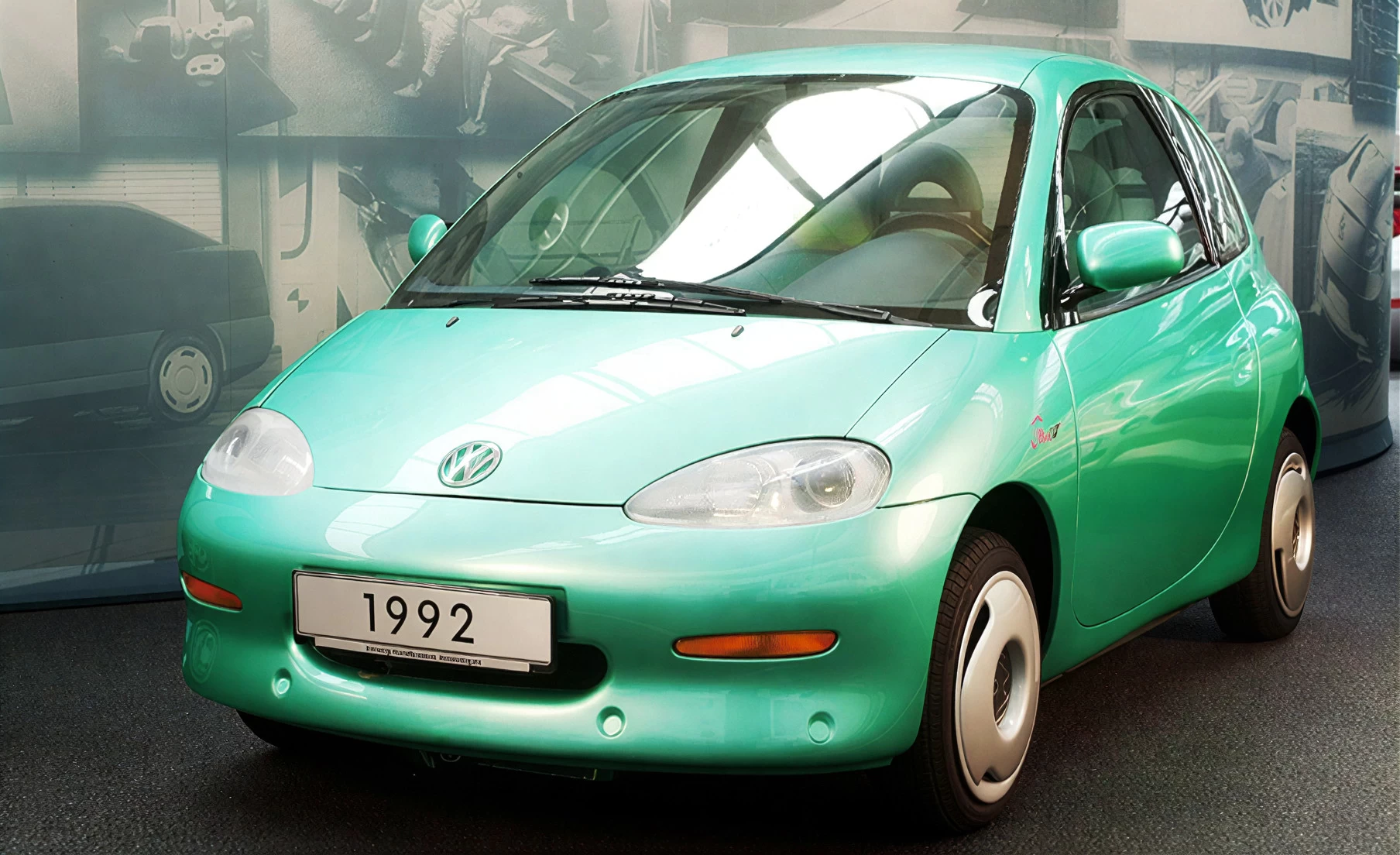
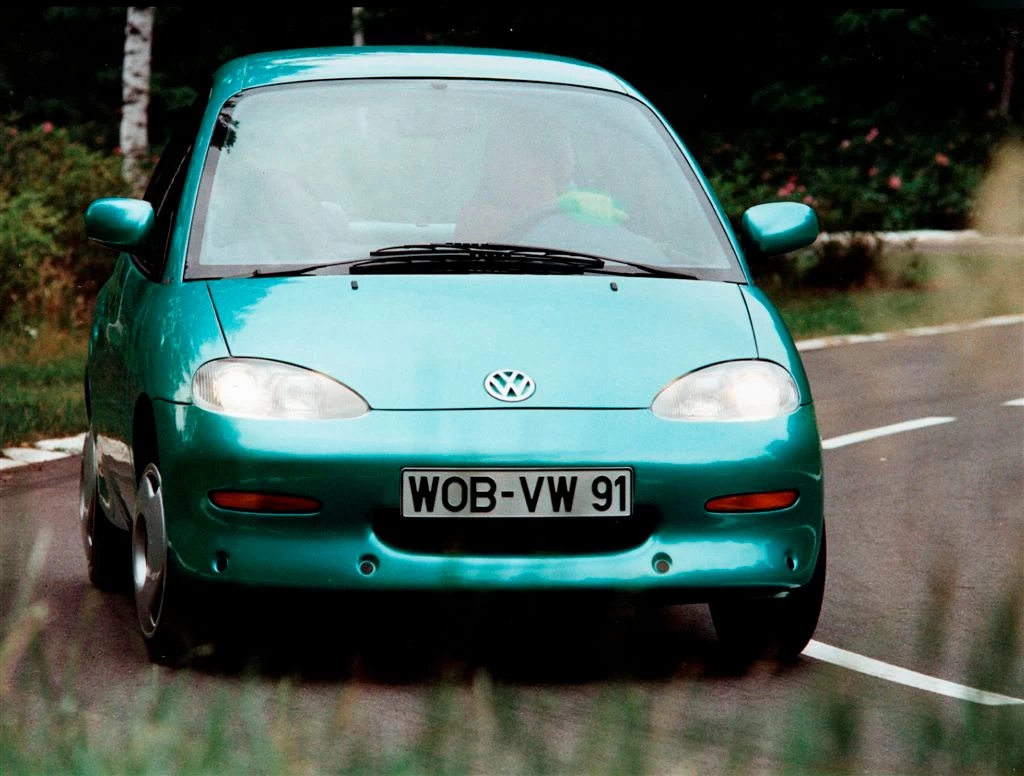
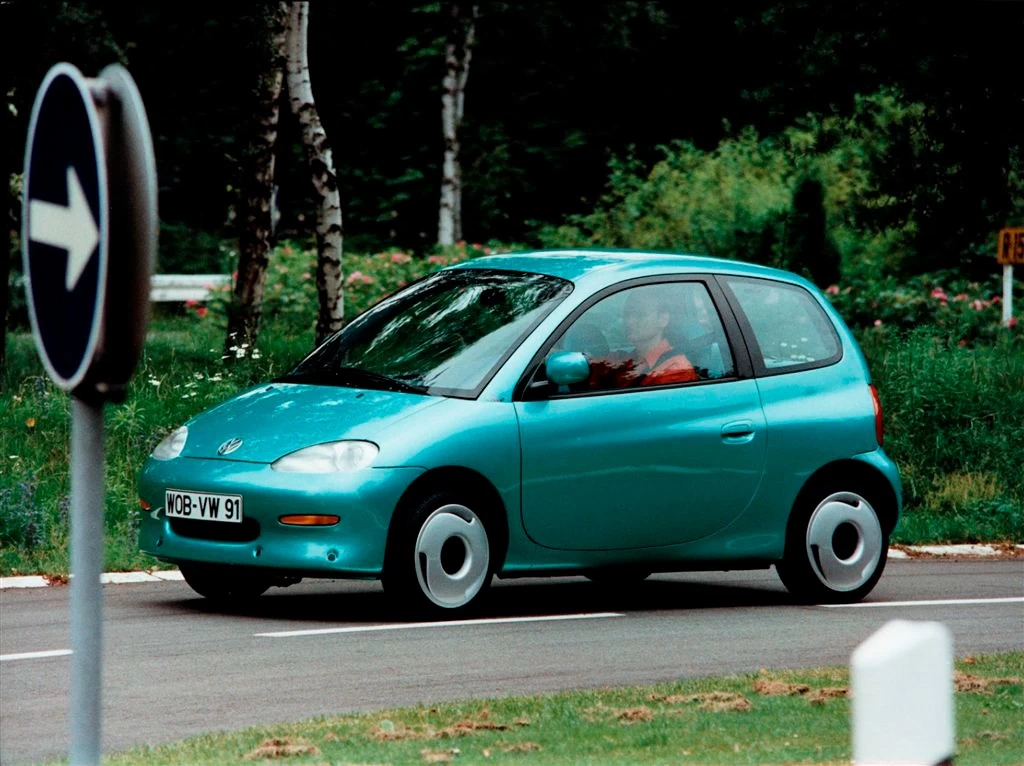
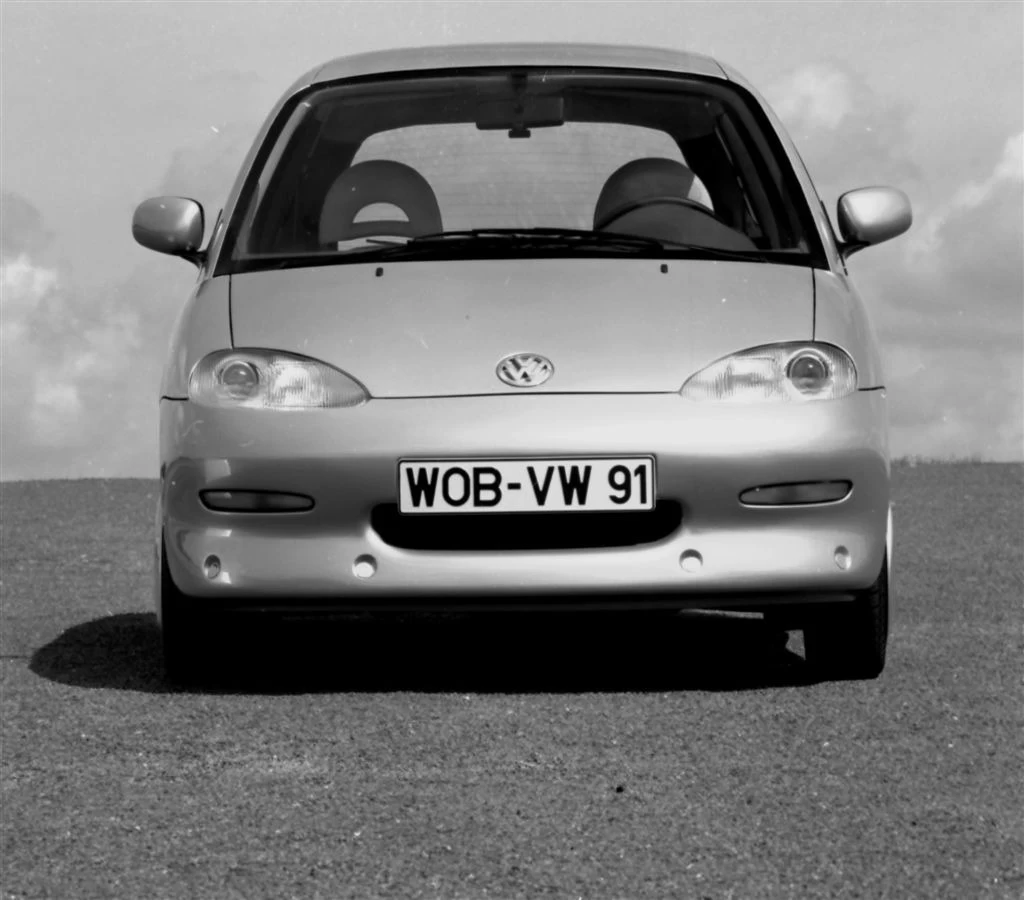
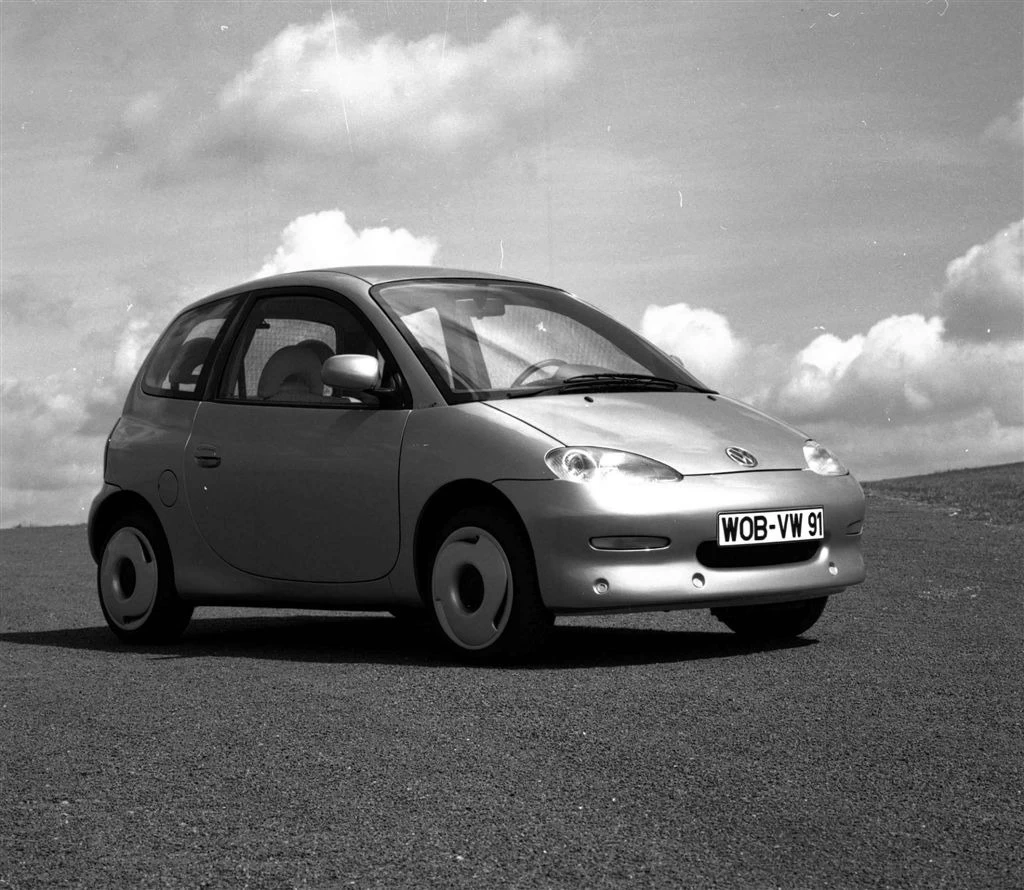
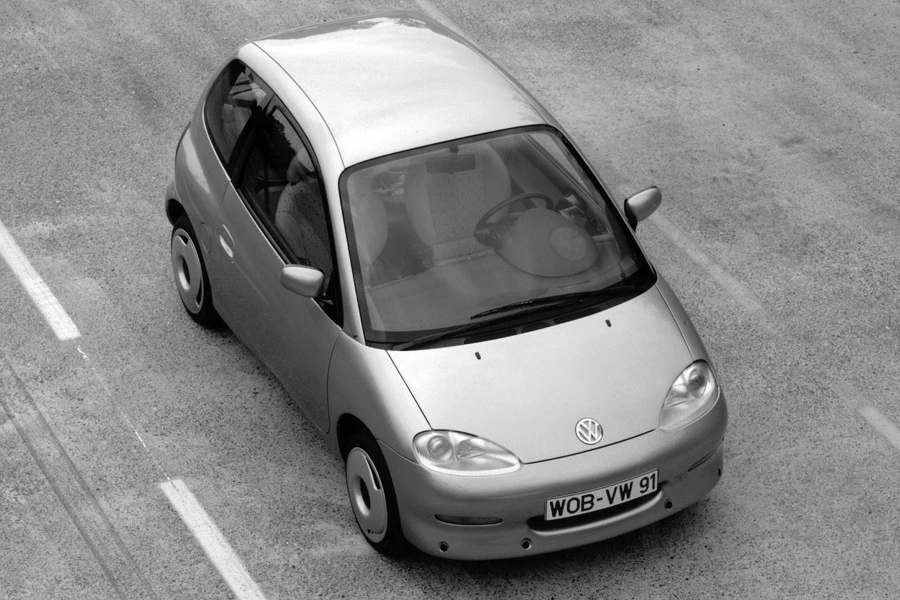
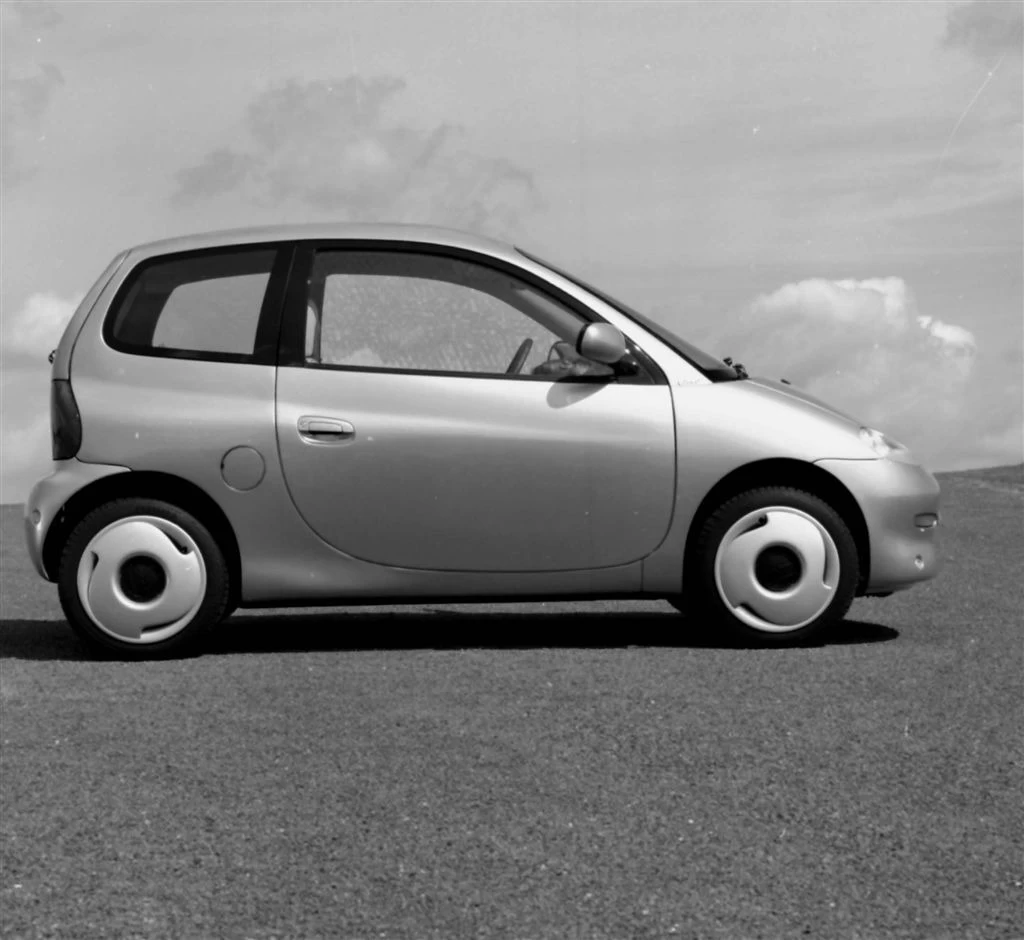
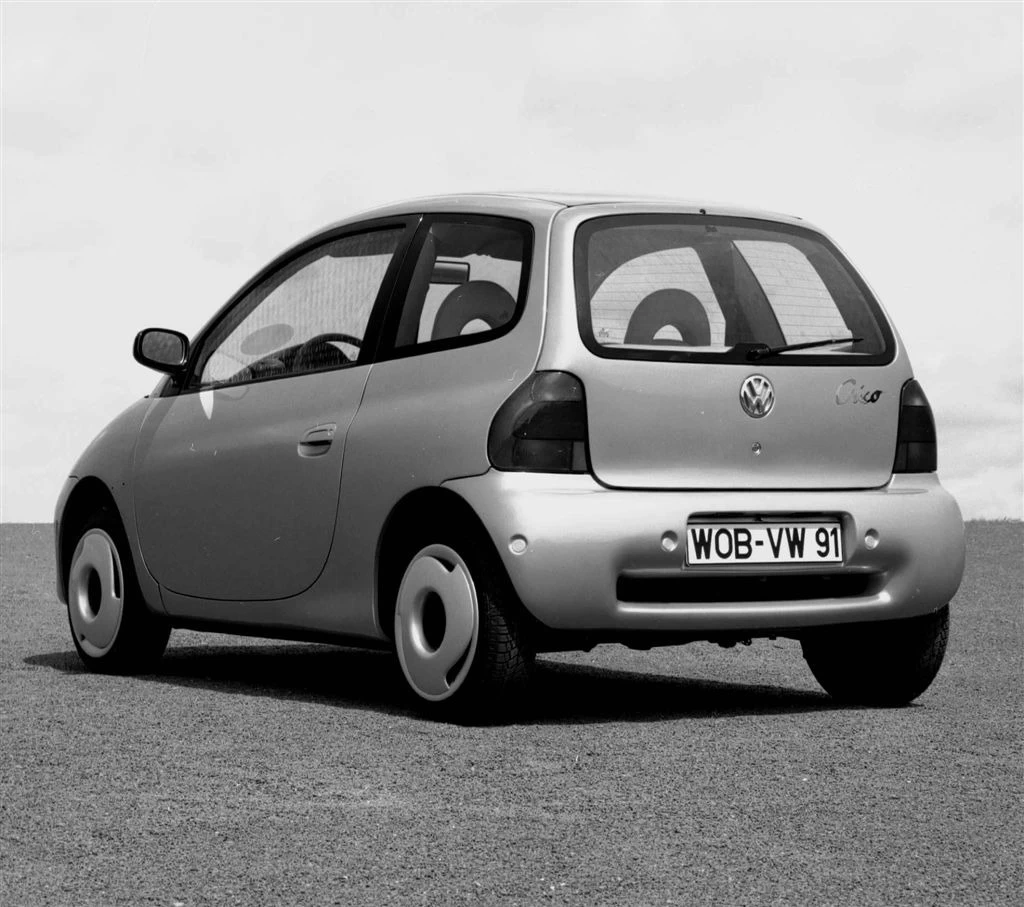
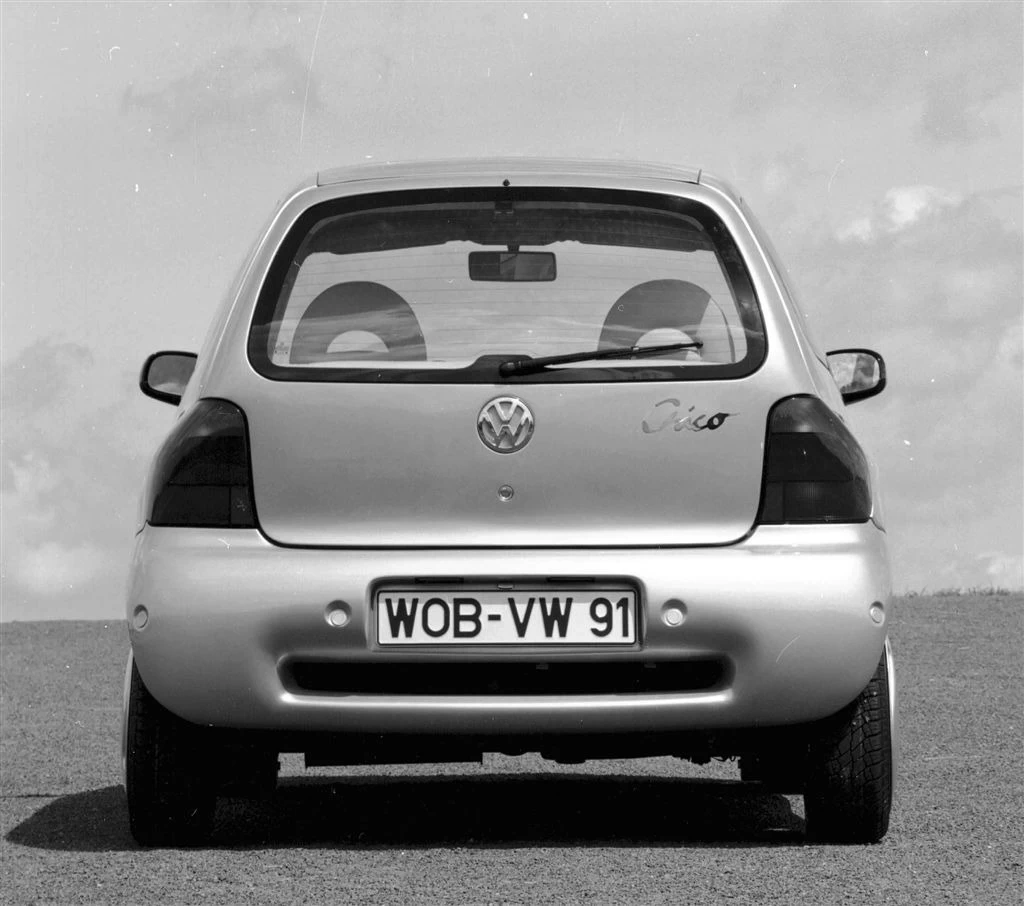
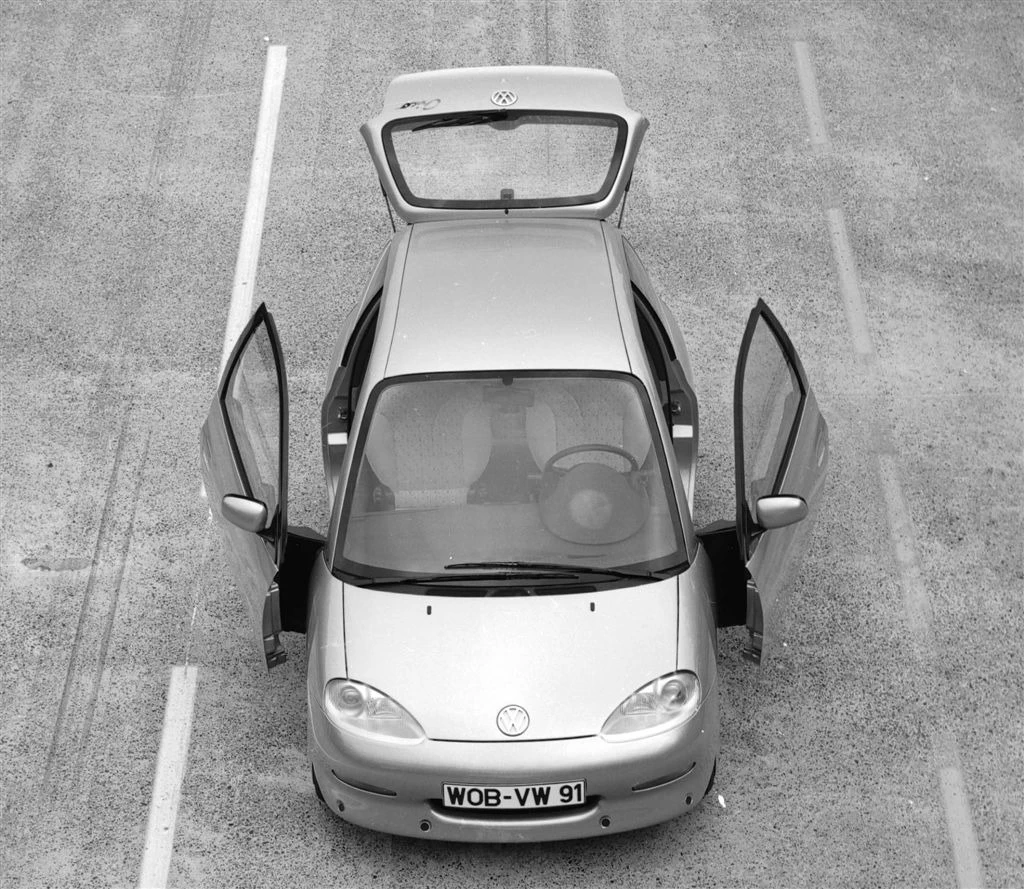
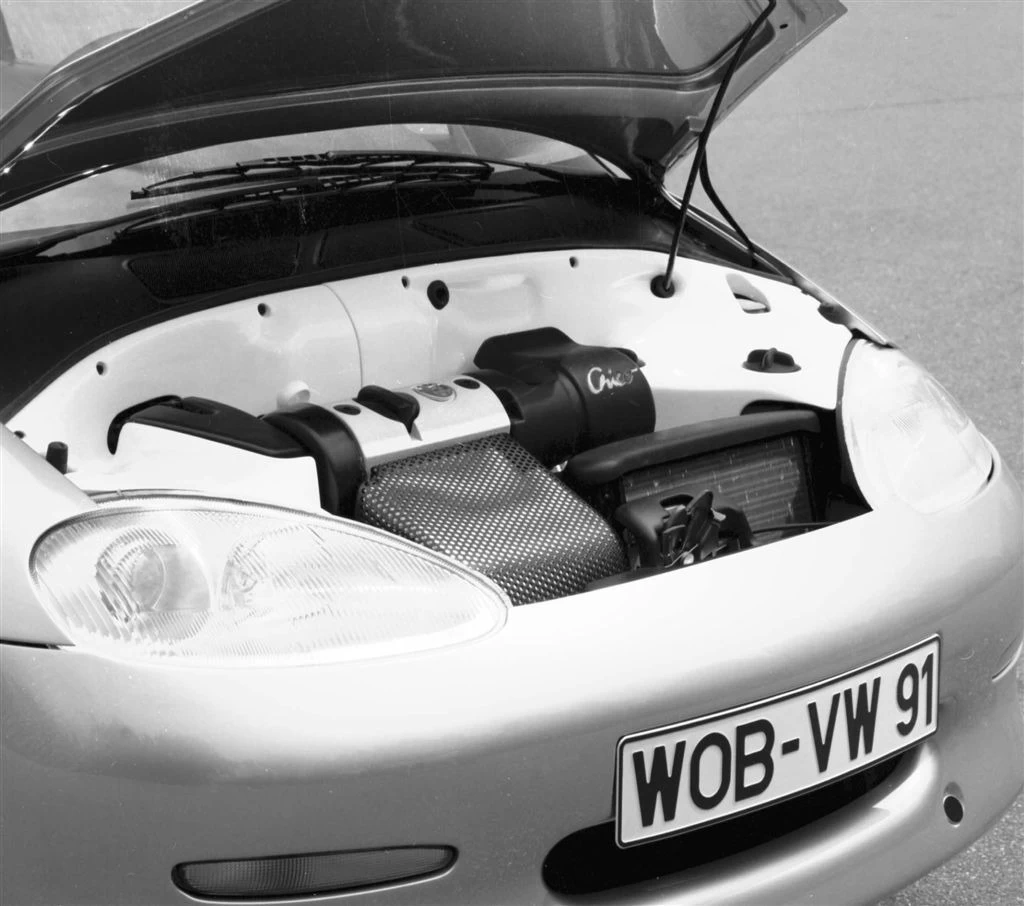
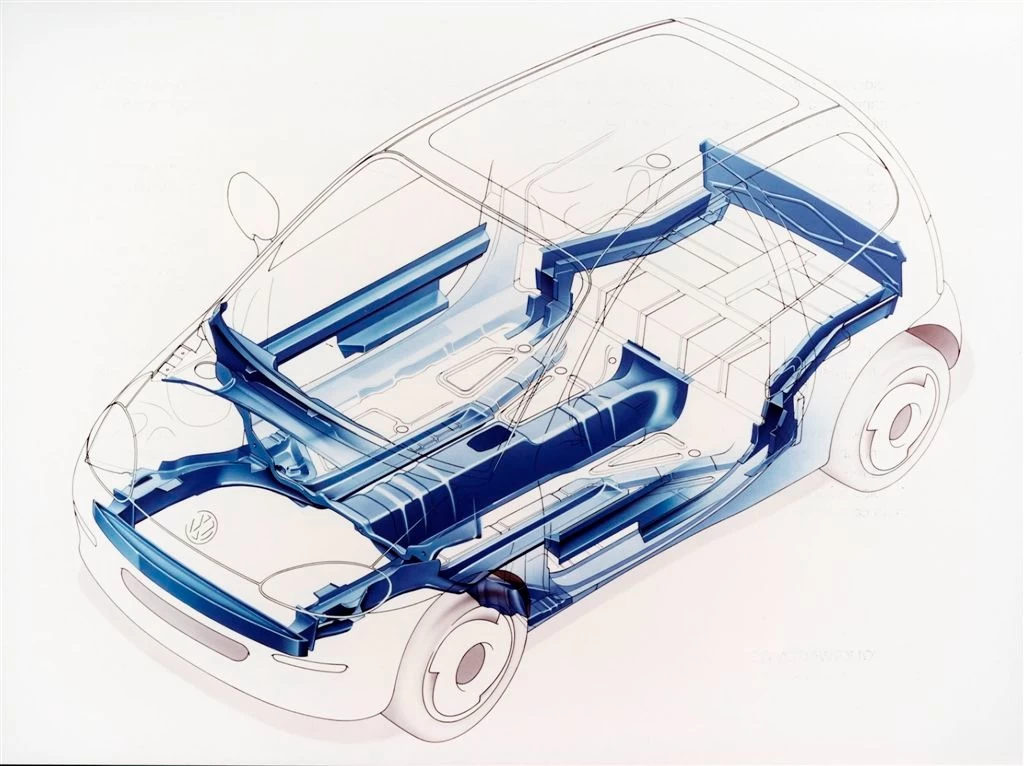
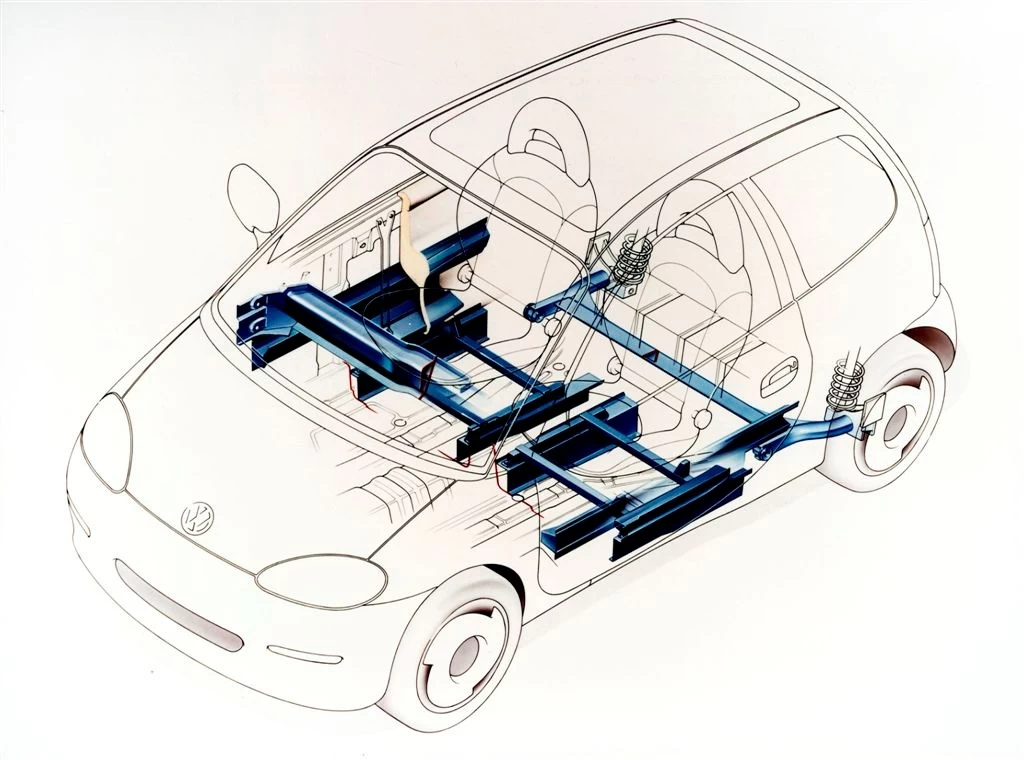
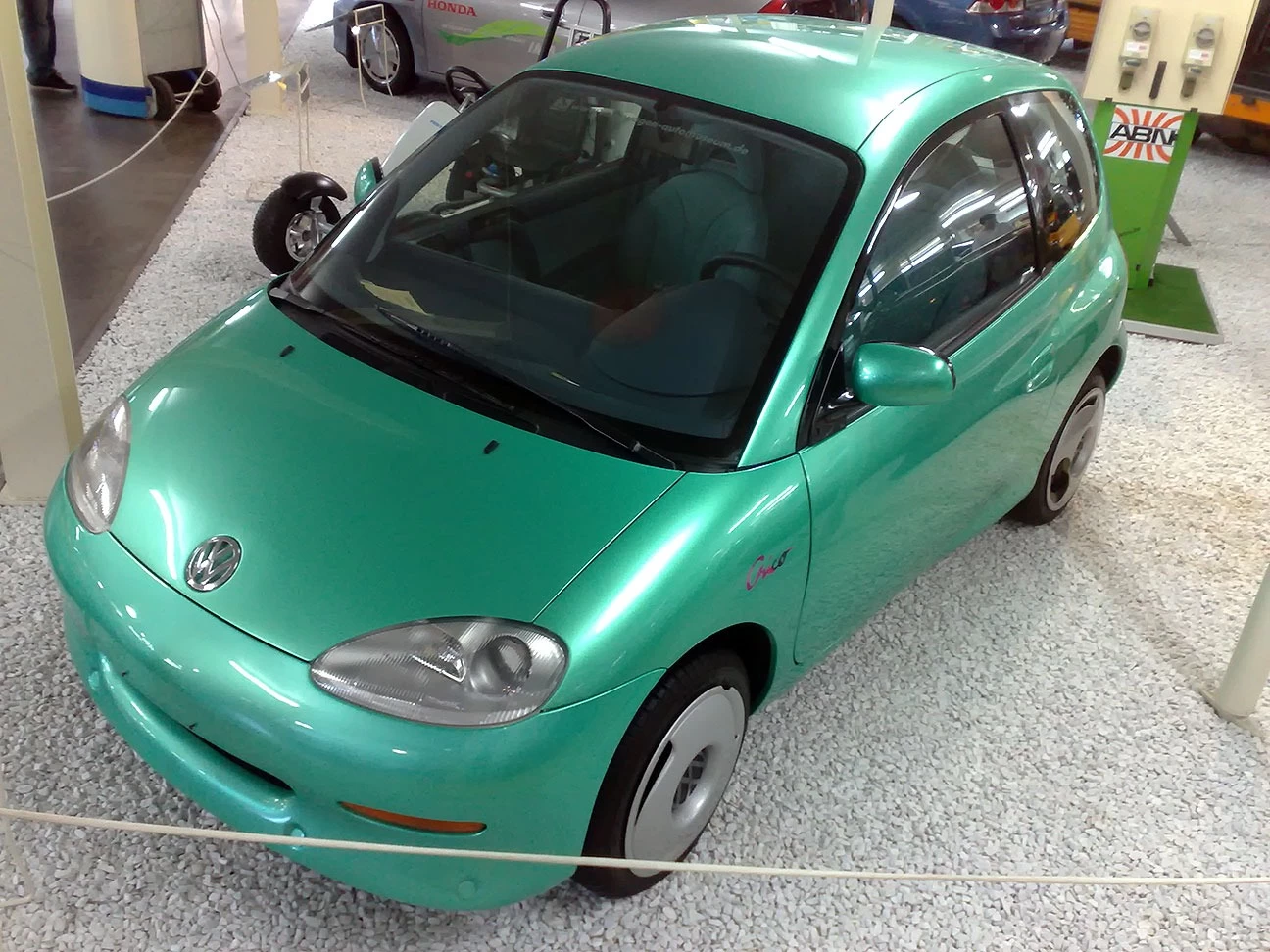
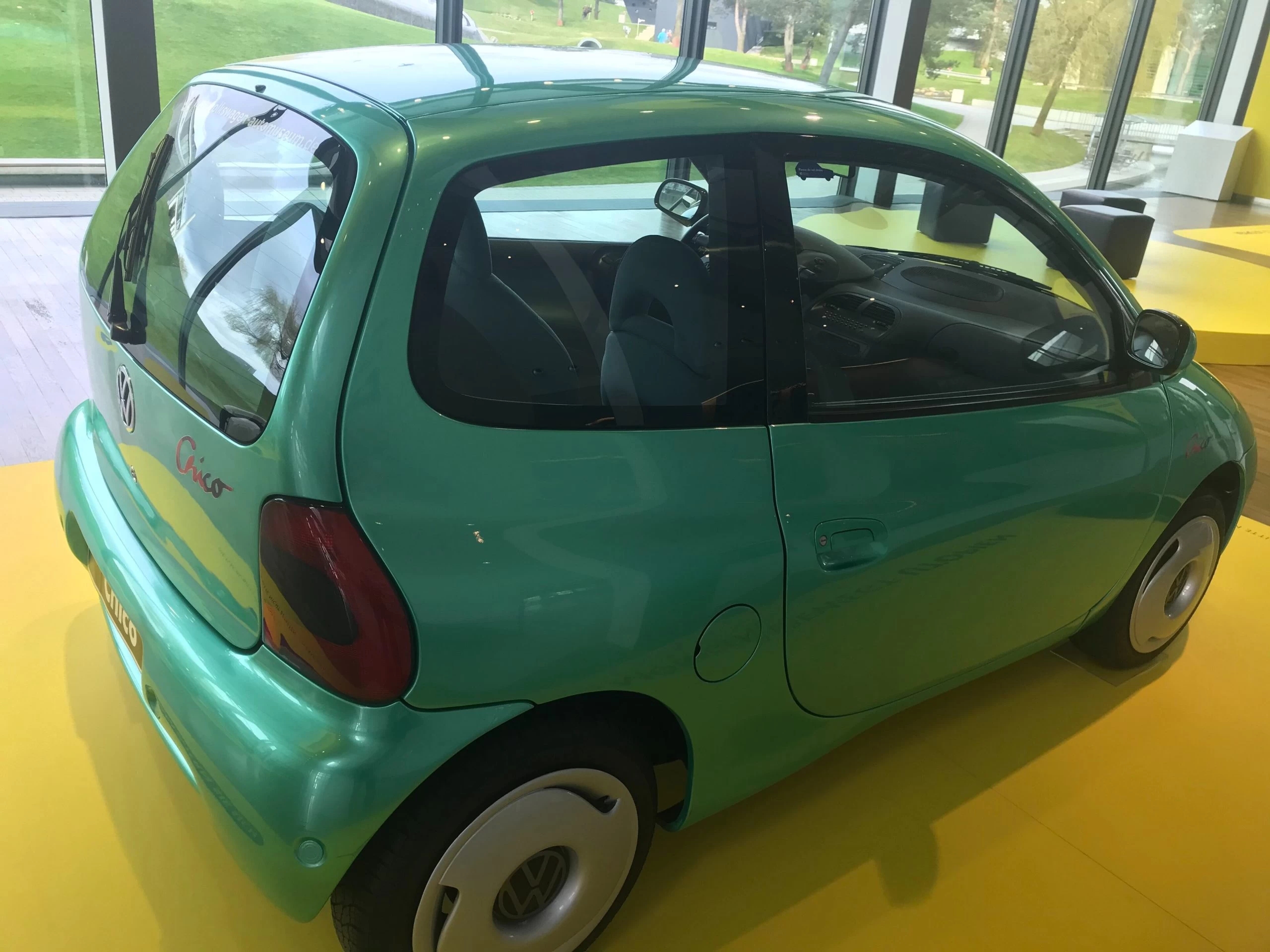
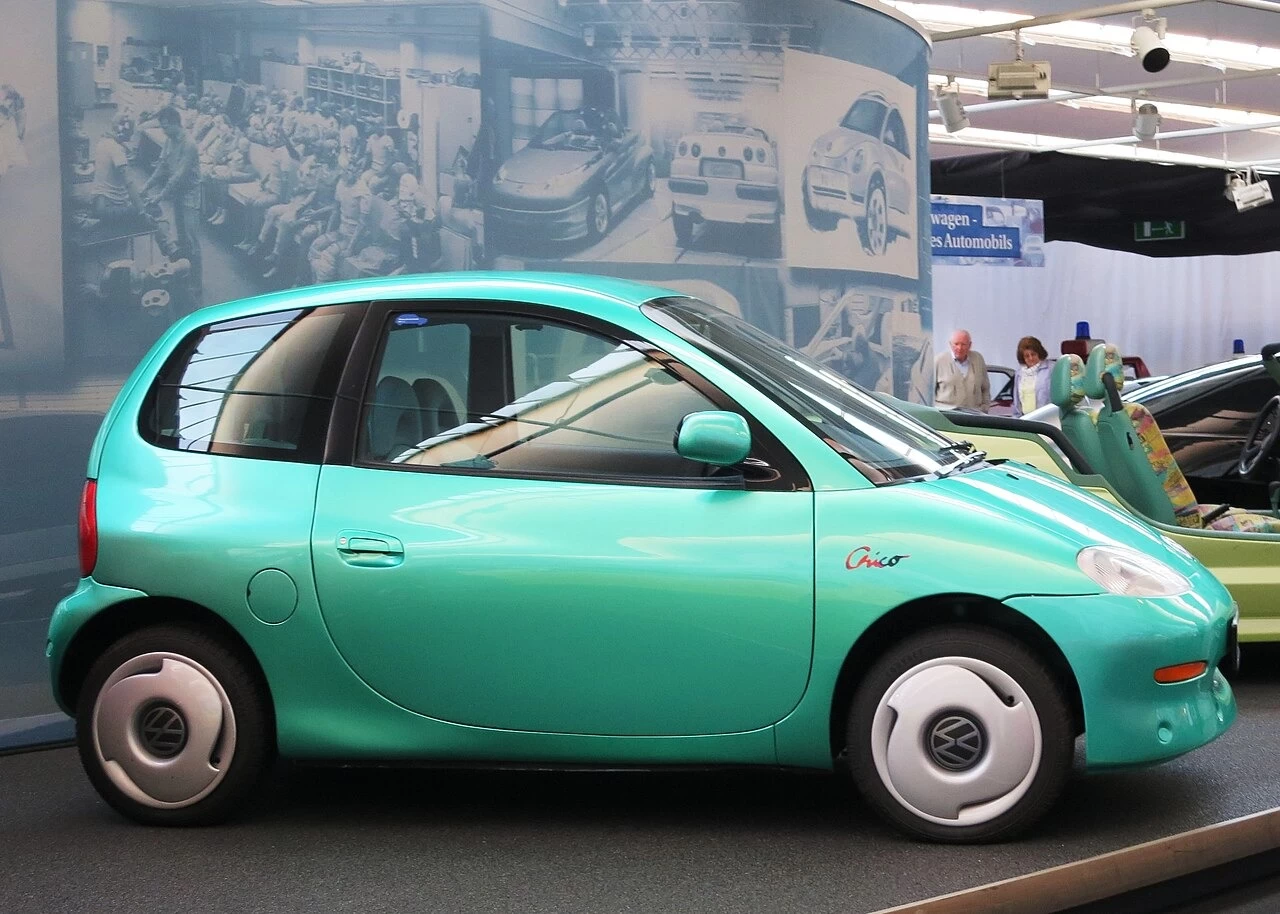
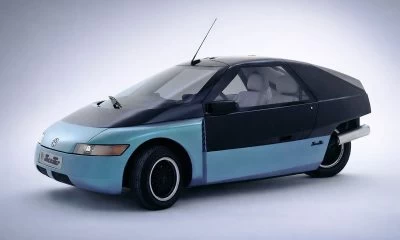
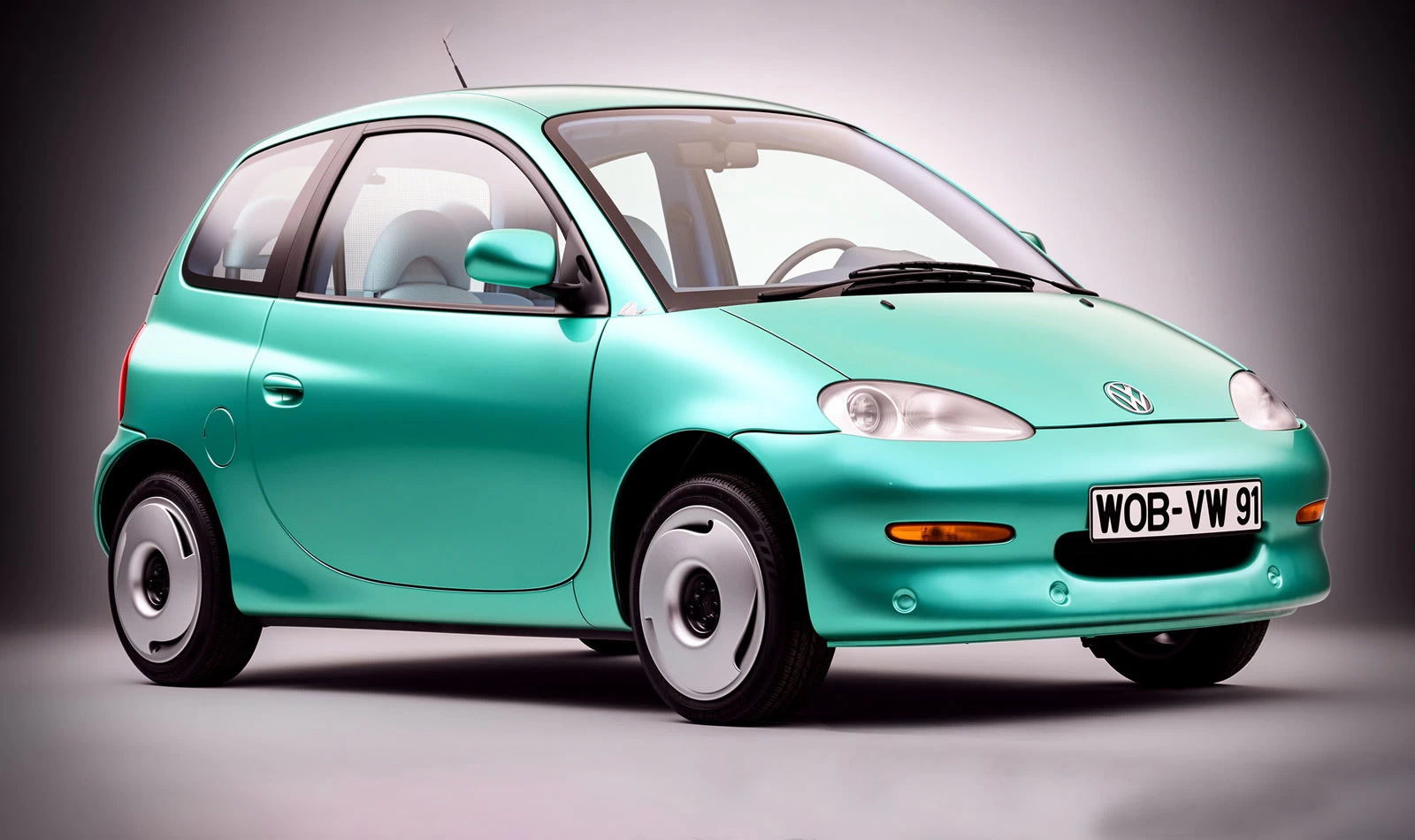
The third attempt was 1991 Volkswagen Chico — an experimental hybrid vehicle whose name—Spanish for “small”—perfectly reflected its purpose.
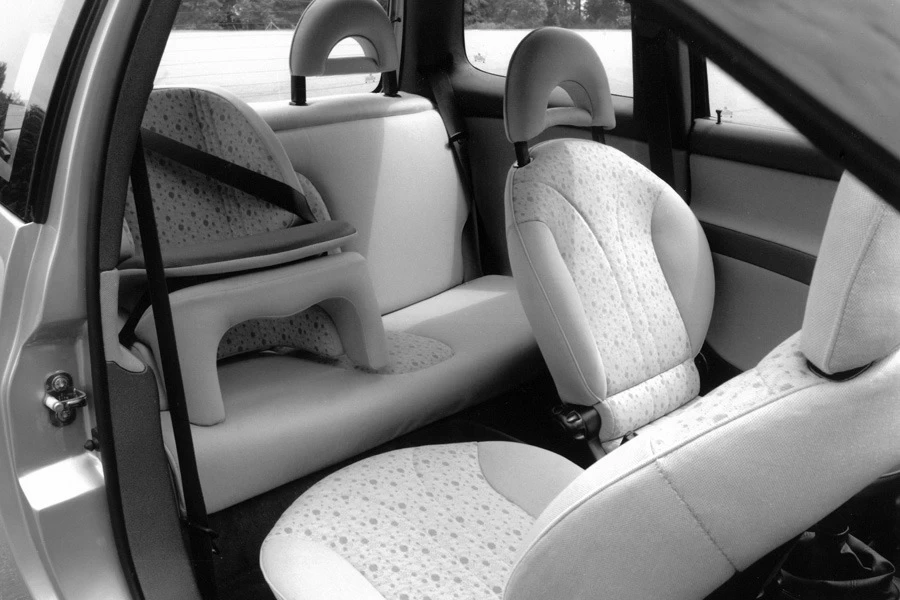
Conceived as a compact 2+2 for densely populated urban areas and their outskirts, it combined a petrol engine with an electric motor to create an early vision of efficient city mobility.
The drivetrain was designed to switch automatically between power sources. The spark-ignition engine handled acceleration and higher speeds above 32 mph, while a 6 kW electric motor took over during steady, low-load driving in urban traffic.
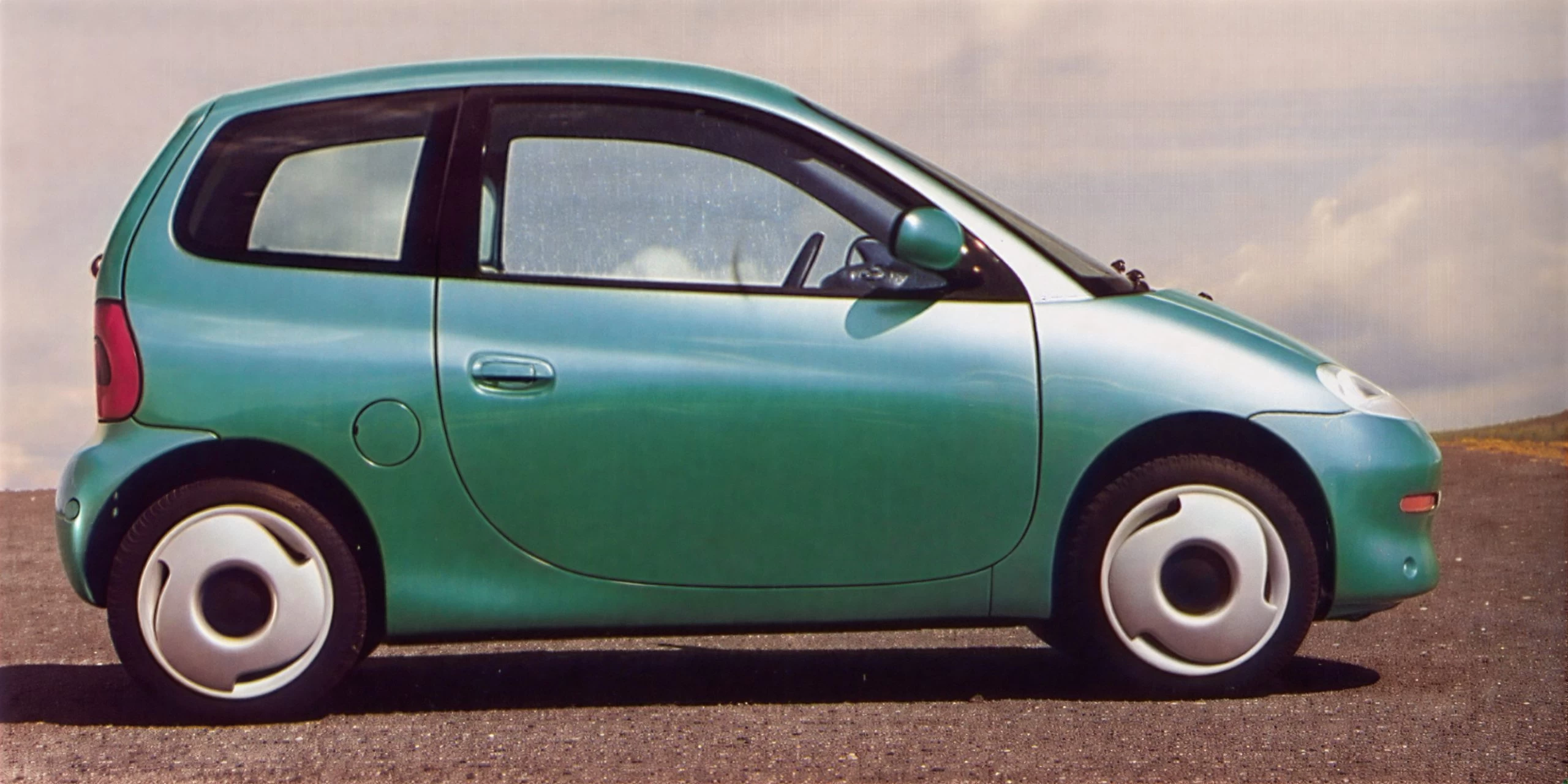
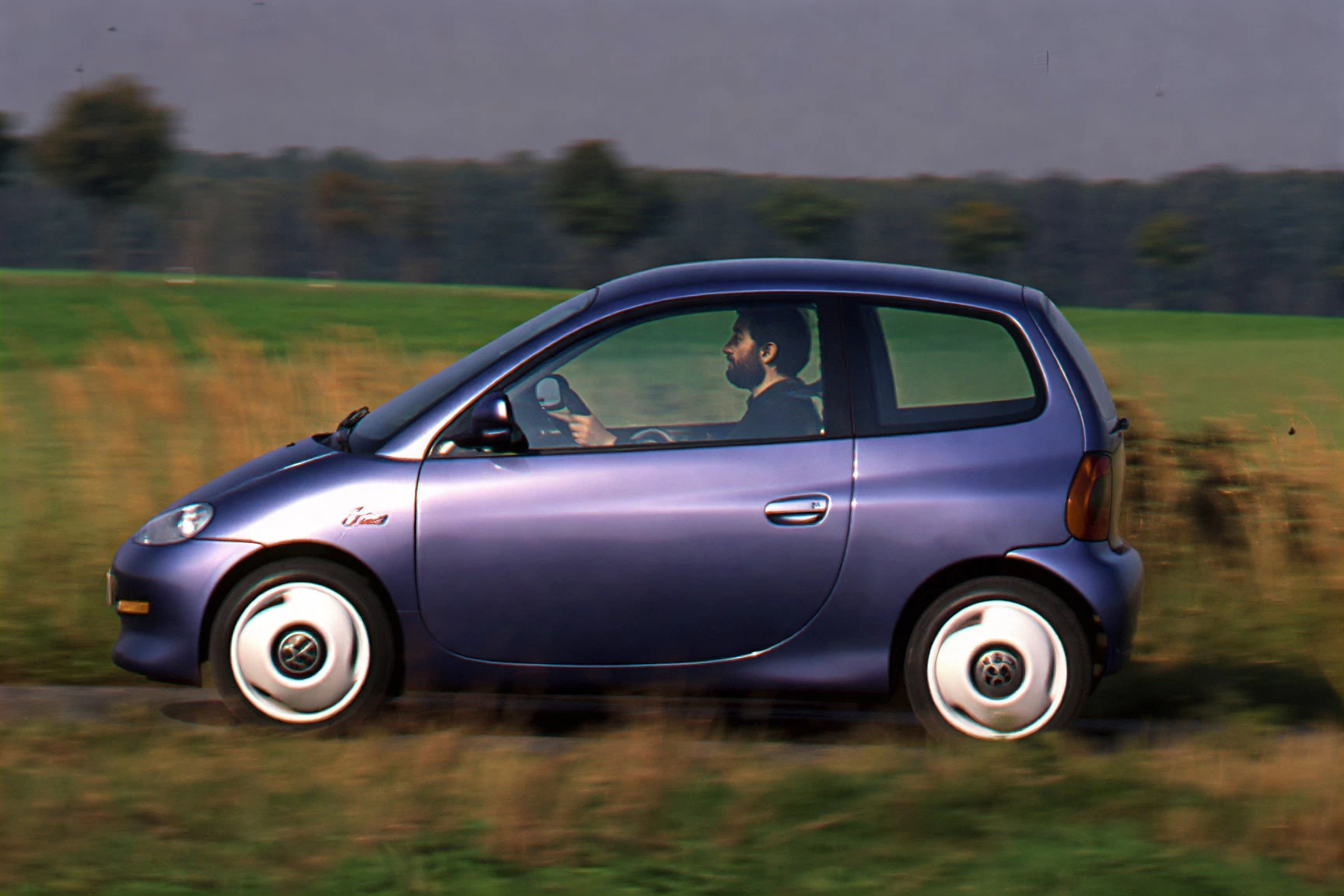
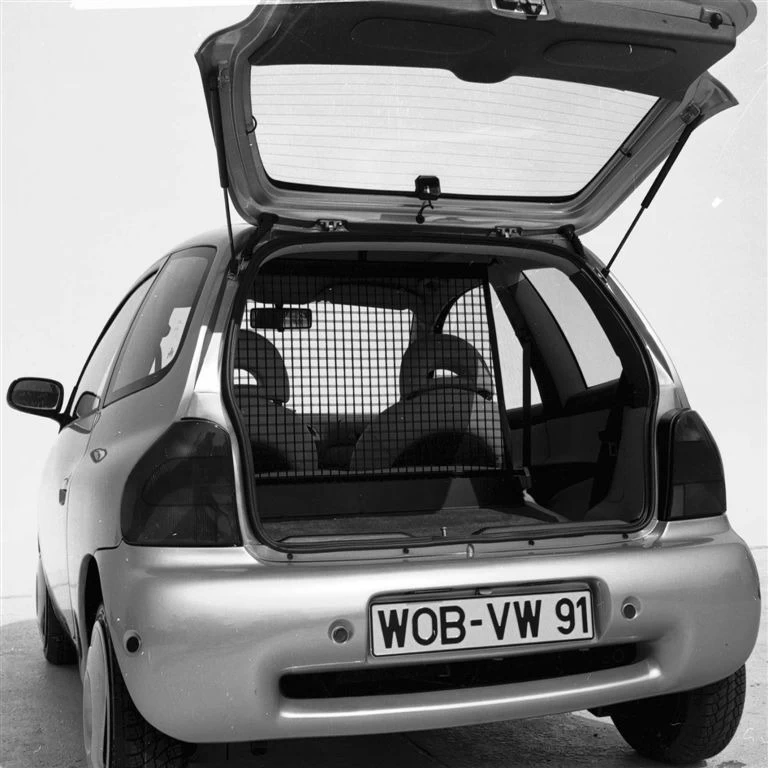
Despite its practicality-focused mission, the two-door hatchback was remarkably compact, measuring just 126 inches in length and 64 inches in height.
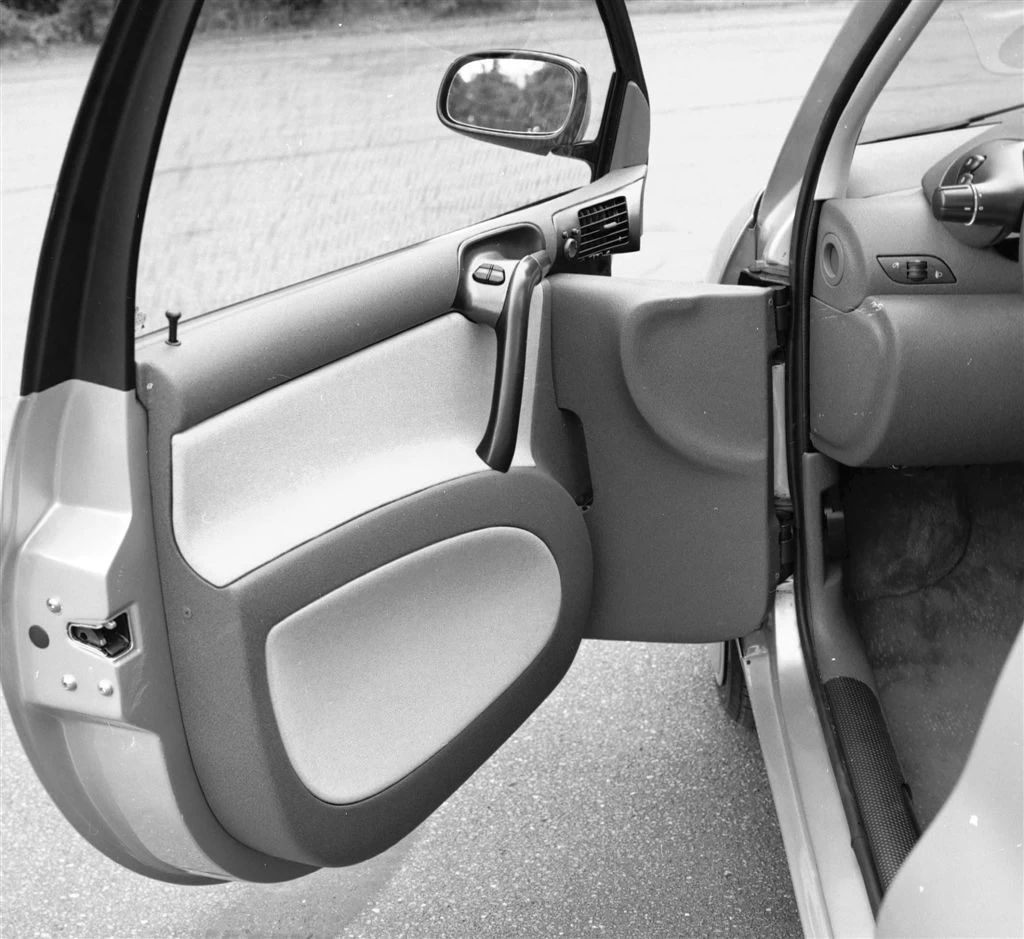
Access was addressed with an inventive four-joint door hinge that blended elements of sliding and gullwing-style doors, making entry and exit easier in tight spaces.
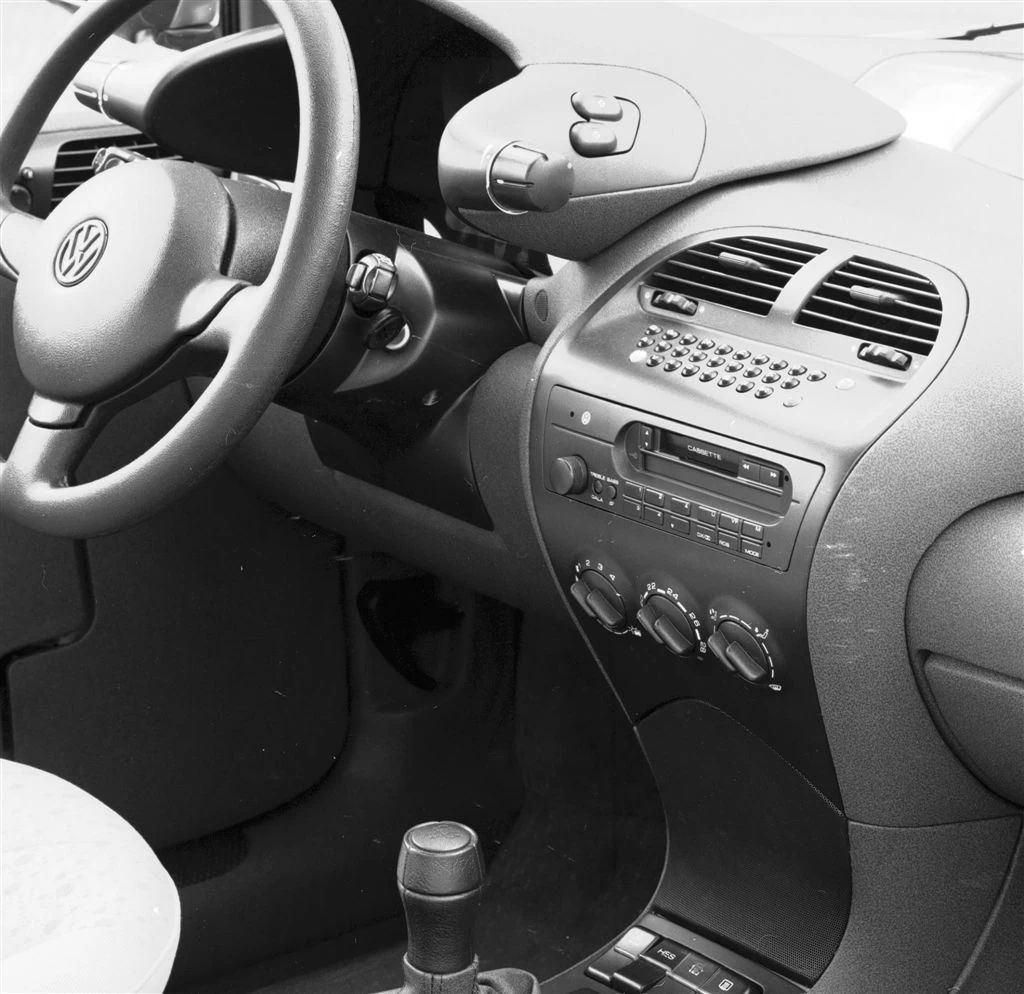
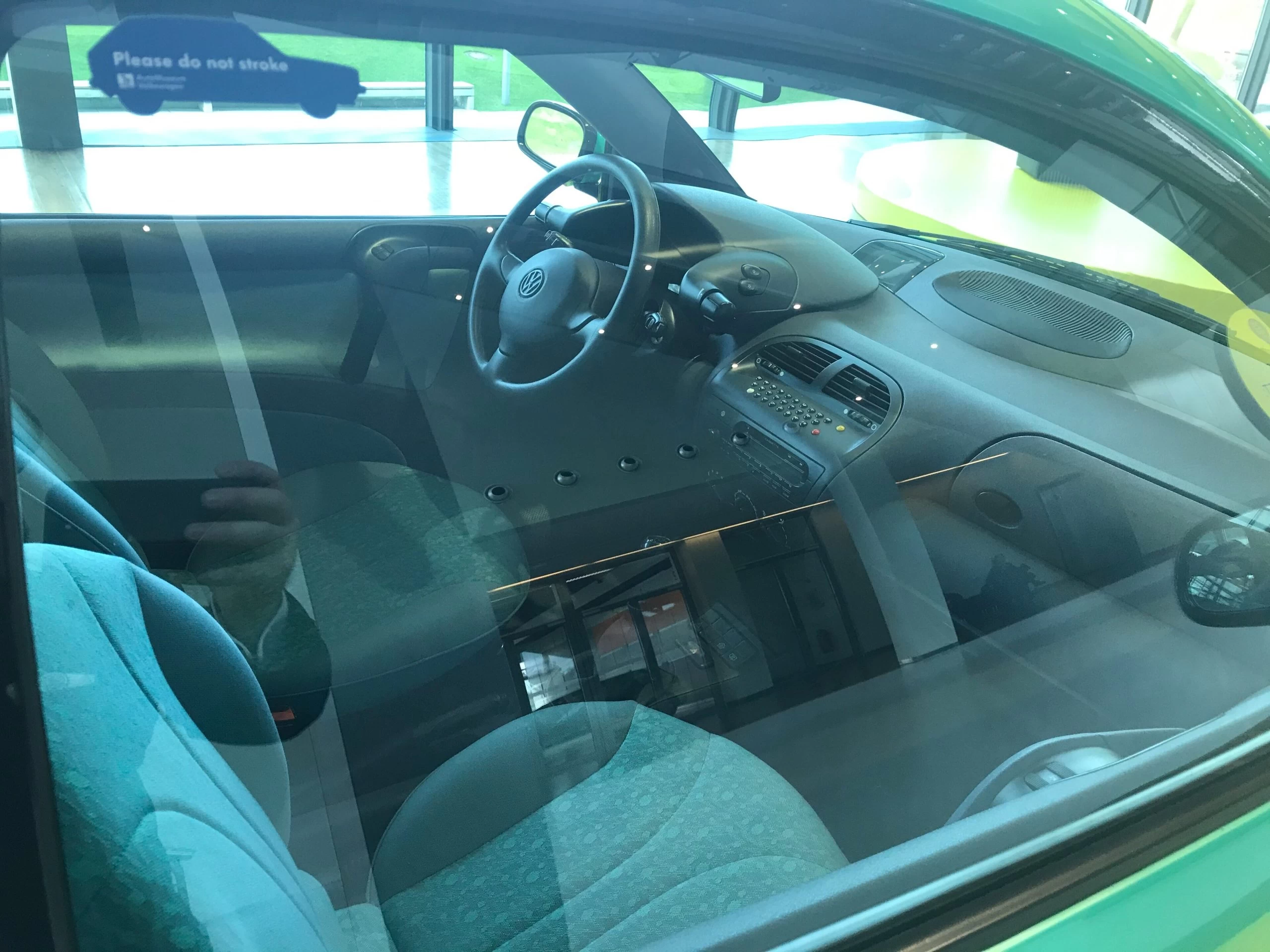
Inside, the driver was supported by two information displays: a liquid-crystal screen on the dashboard showing conventional data such as speed and engine information, and a head-up display that projected navigation guidance.
Forward-thinking in both concept and execution, the Chico anticipated many of the hybrid and urban mobility ideas that car manufacturers continue to explore decades later.