Renault 4 Plein Air

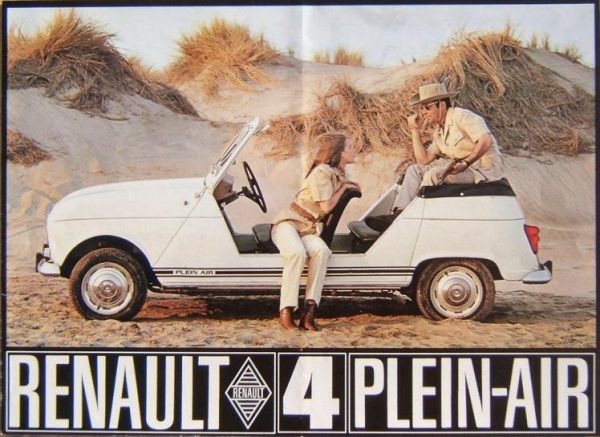
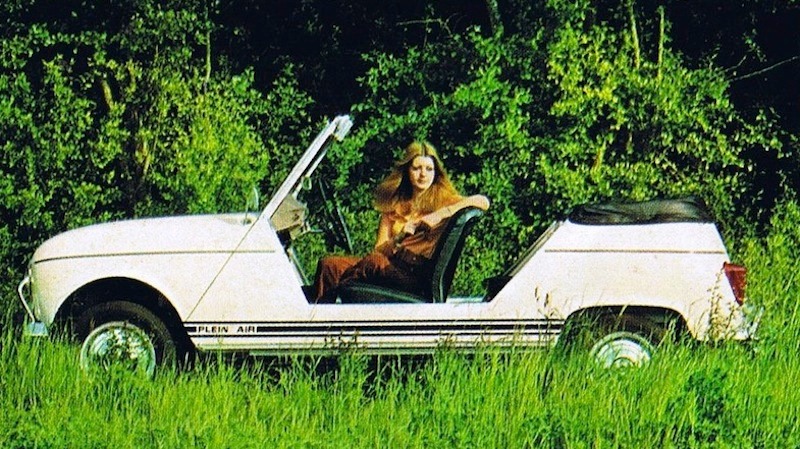
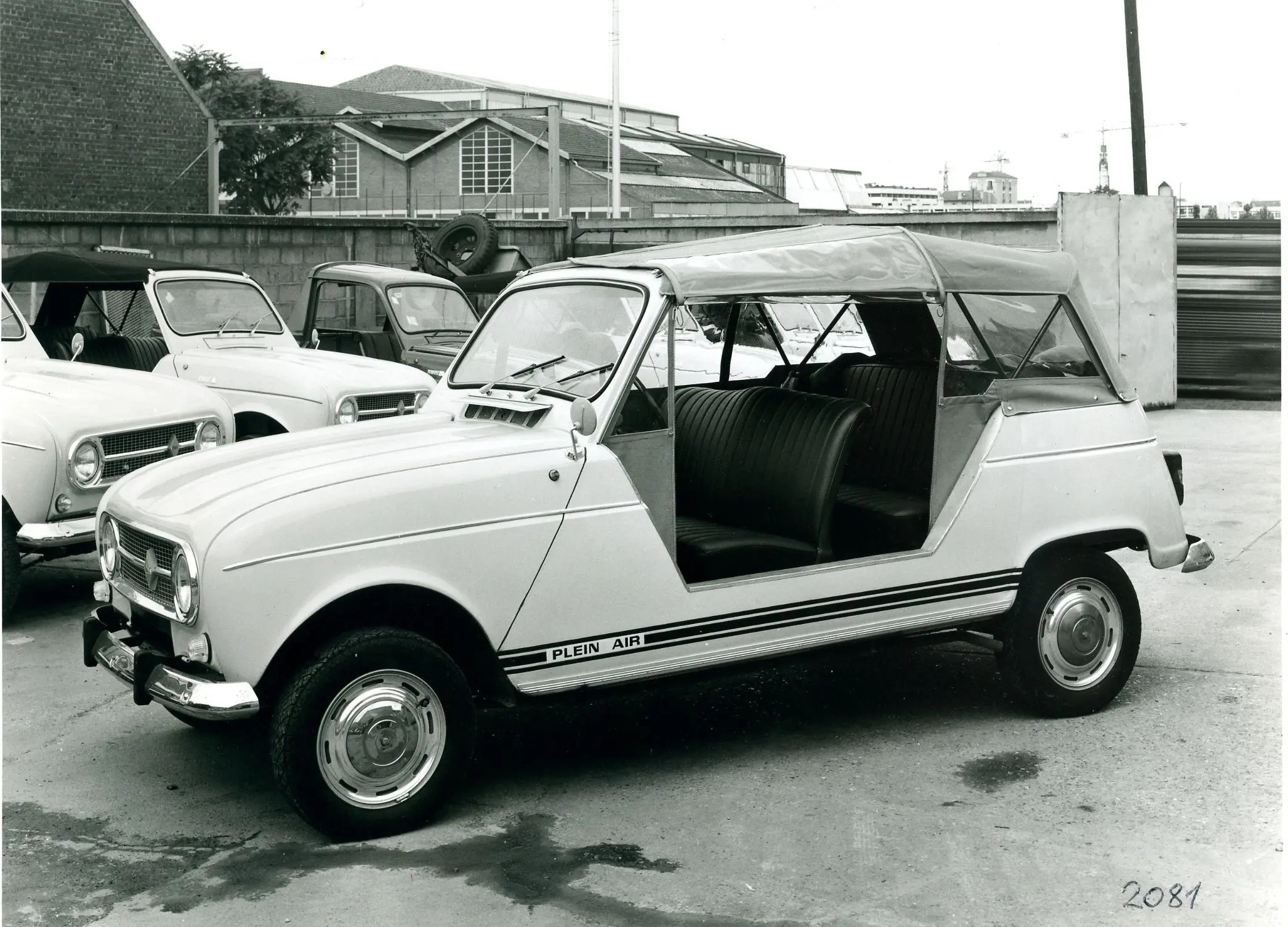
The Renault 4 Plein Air was a short-lived open leisure version of the Renault 4, introduced in spring 1968 and built by Renault’s in-house Sinpar division. It arrived one day before Citroën revealed the Méhari, but it never matched that car’s popularity, and production ended after only a small run.
Sinpar converted standard four-speed R1123 Renault 4s into Plein Airs at its facility in Chassieu near Lyon, sending the finished cars out through Renault dealers.
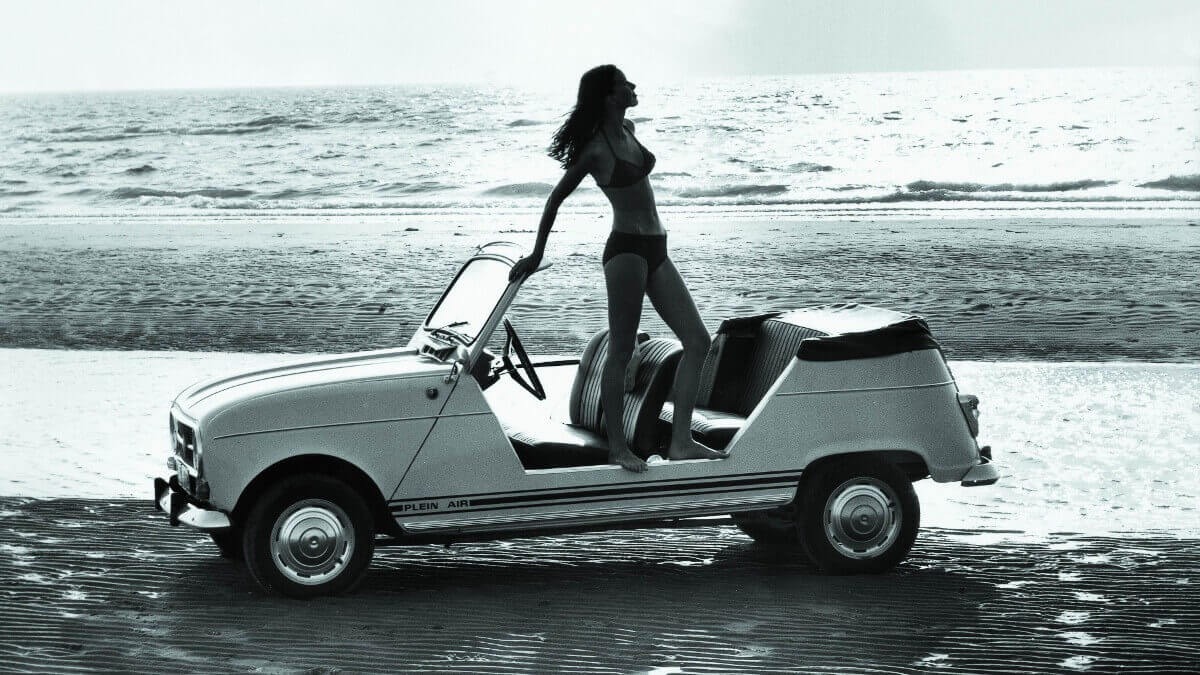
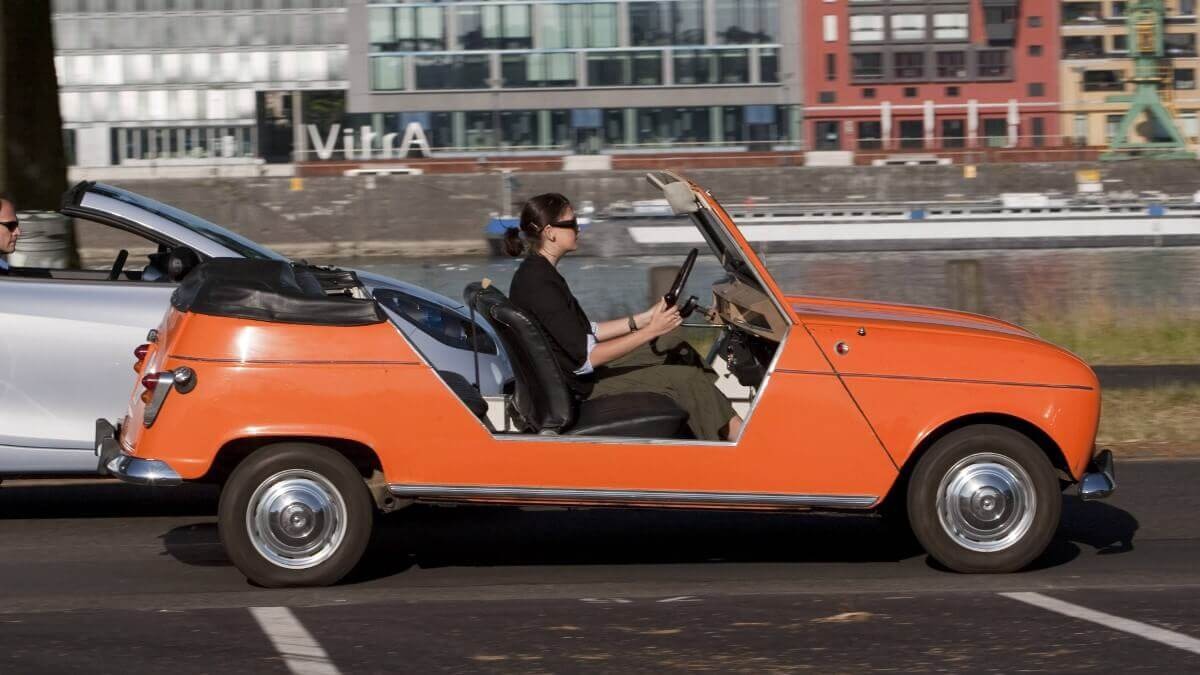
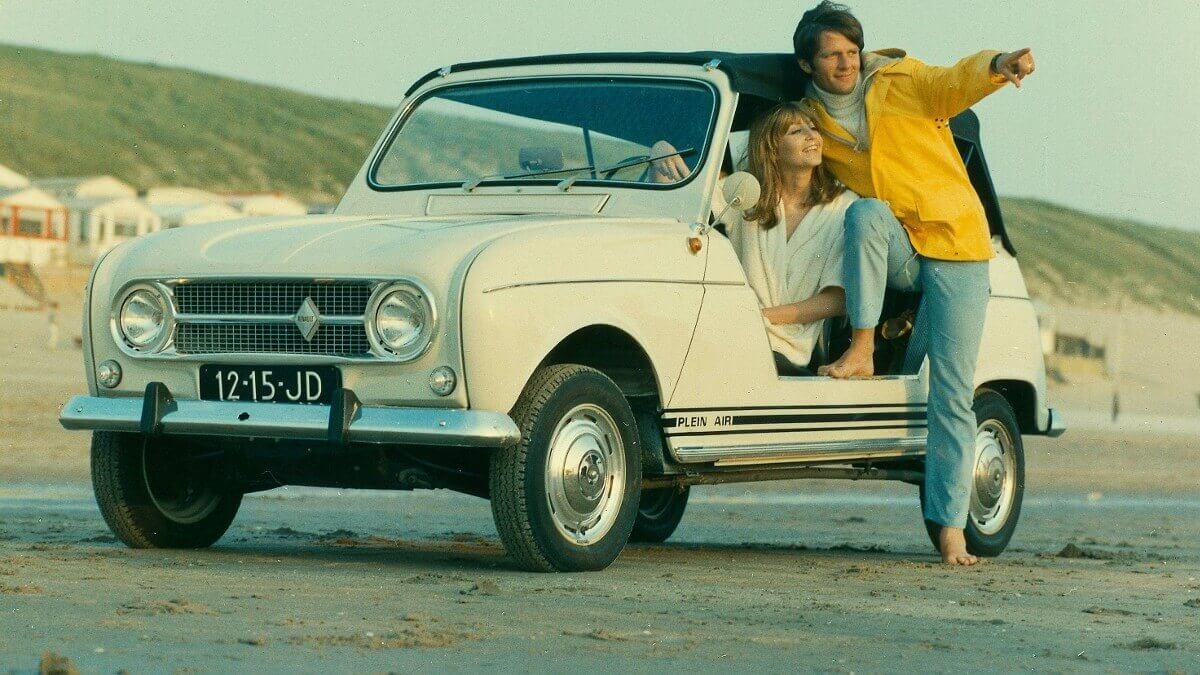
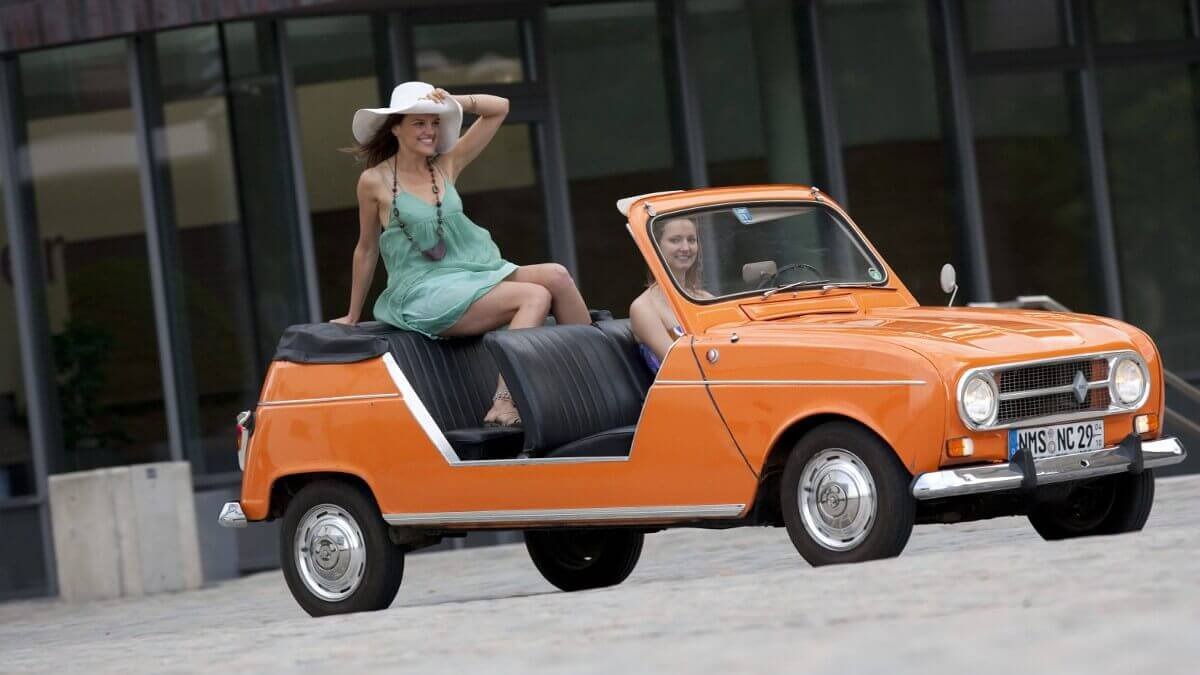
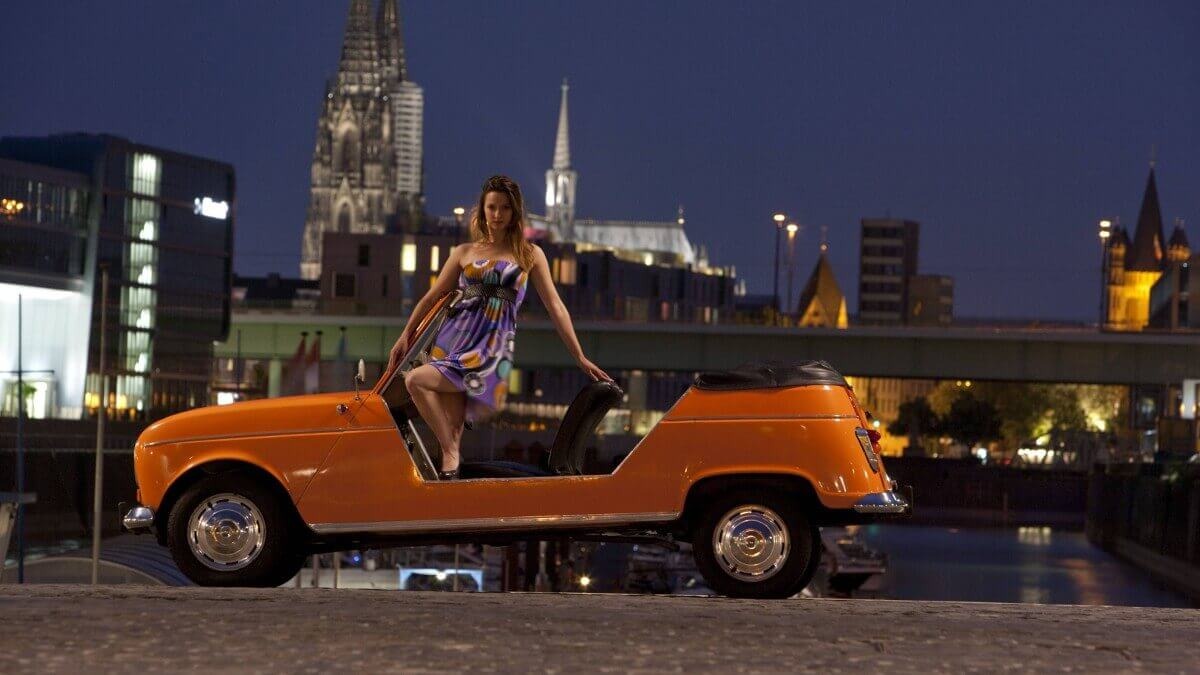
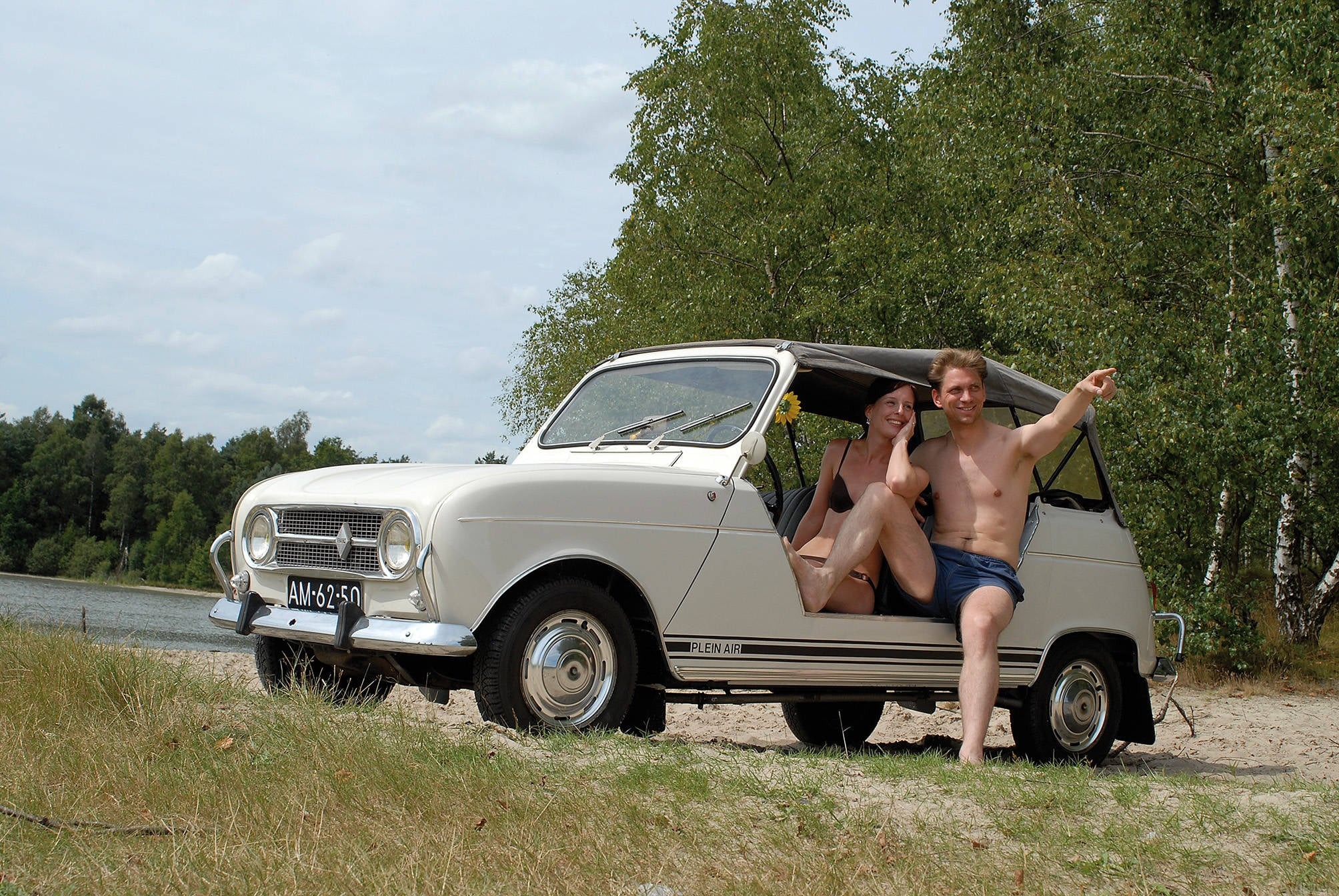
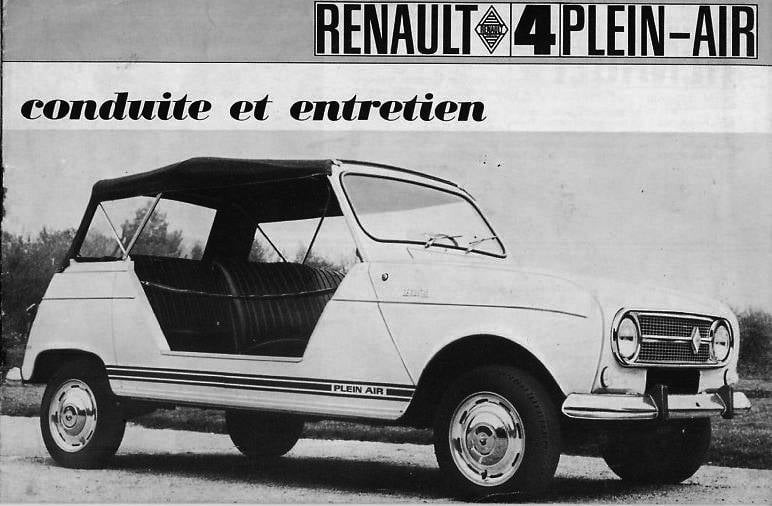
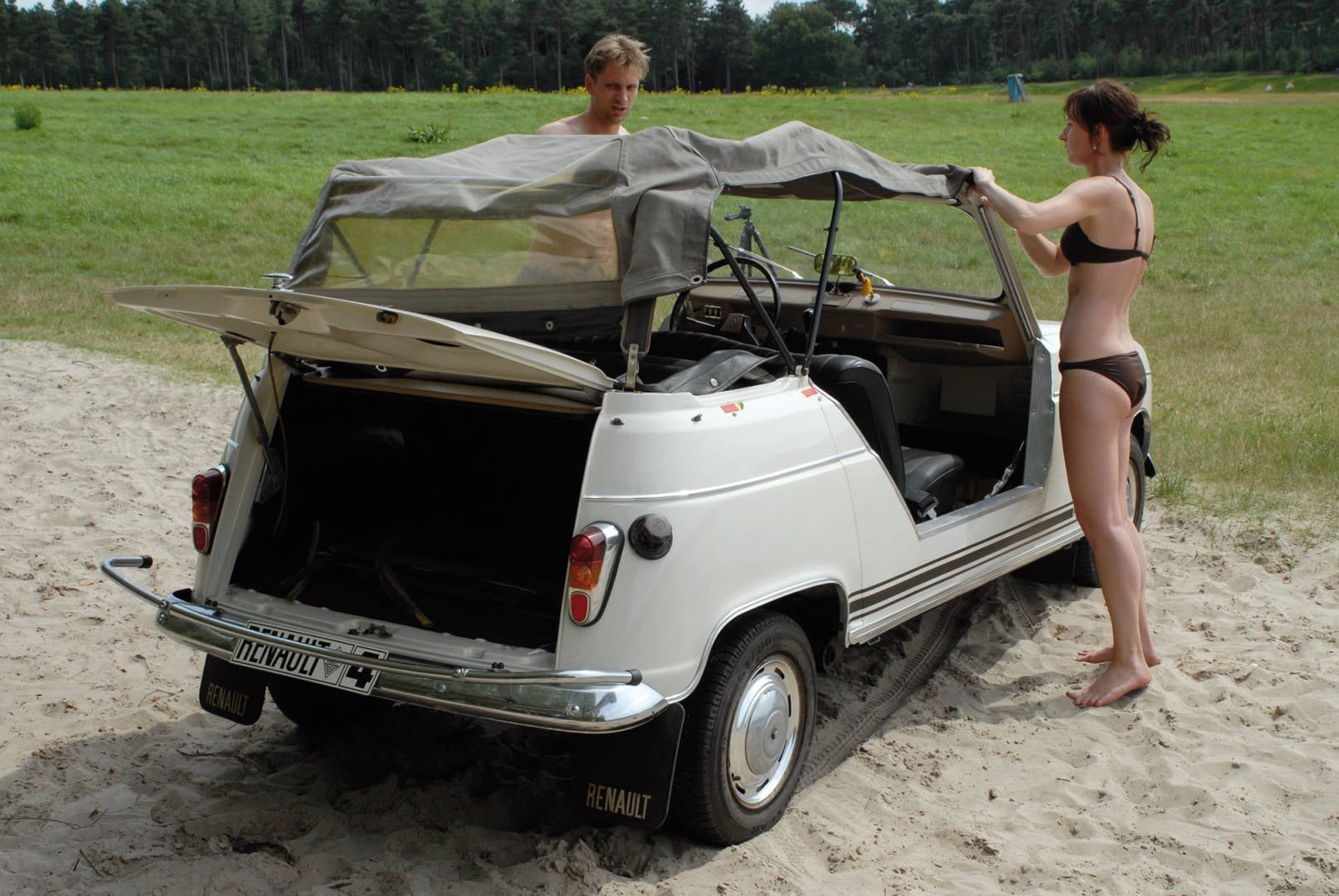
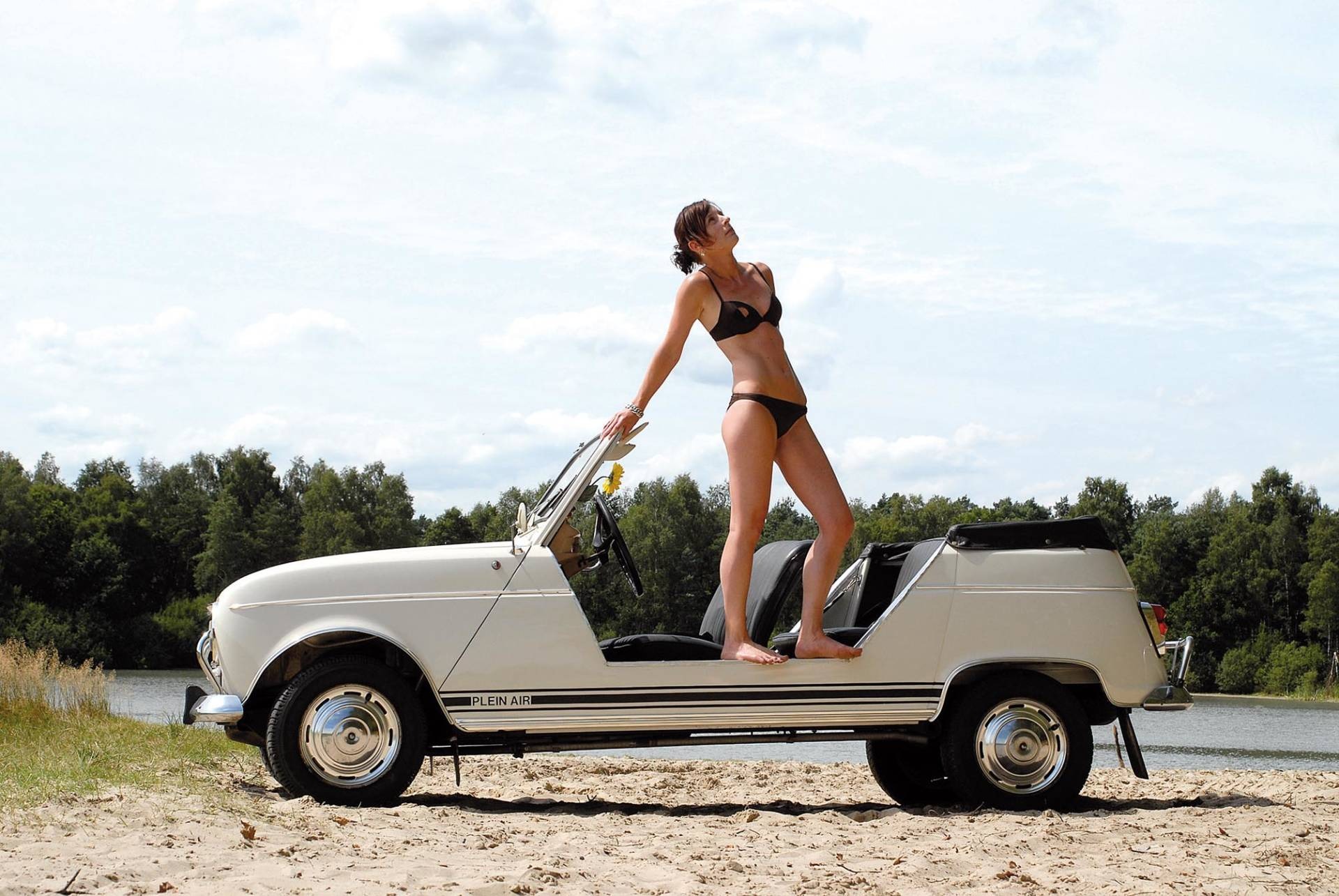
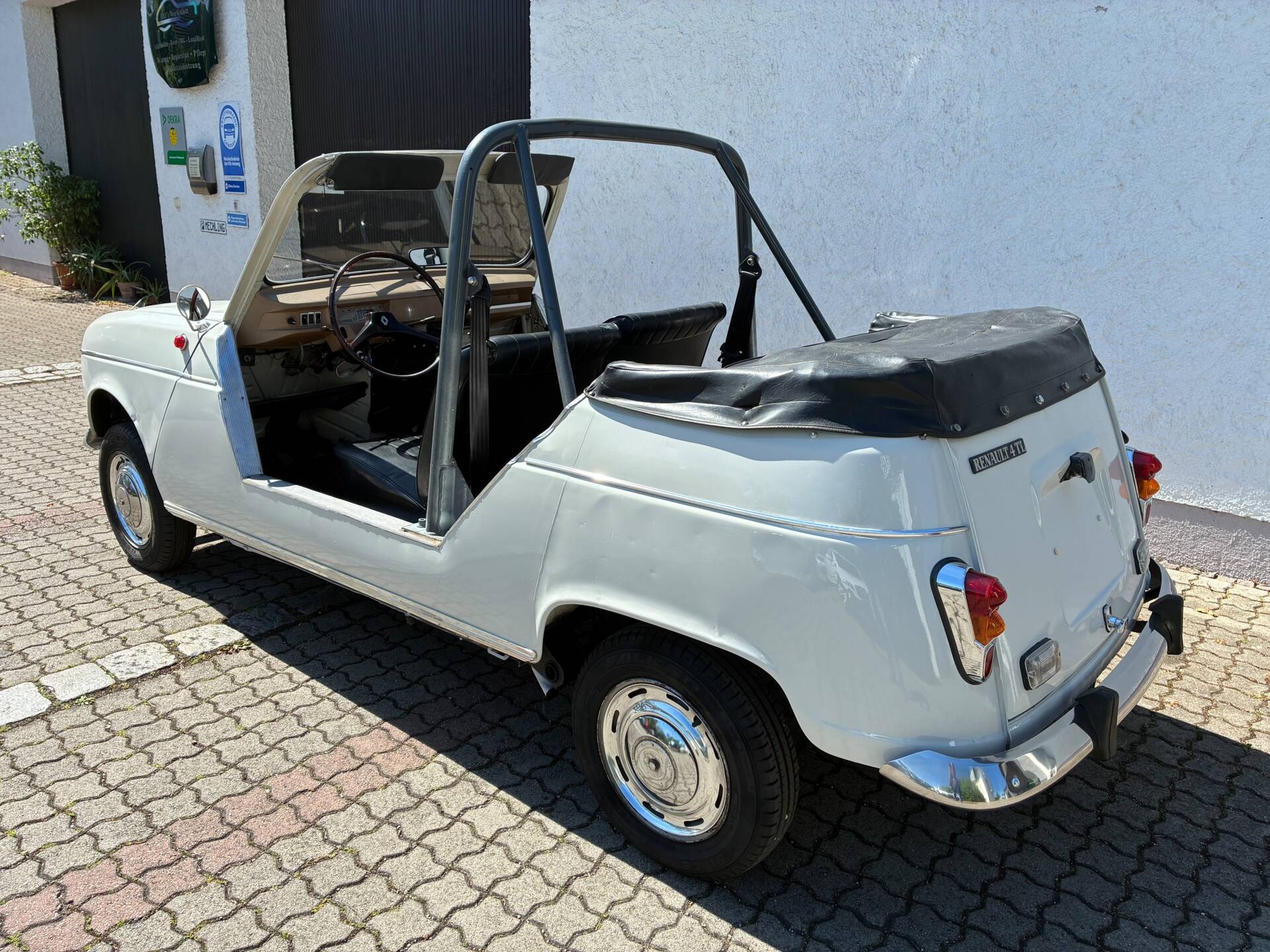
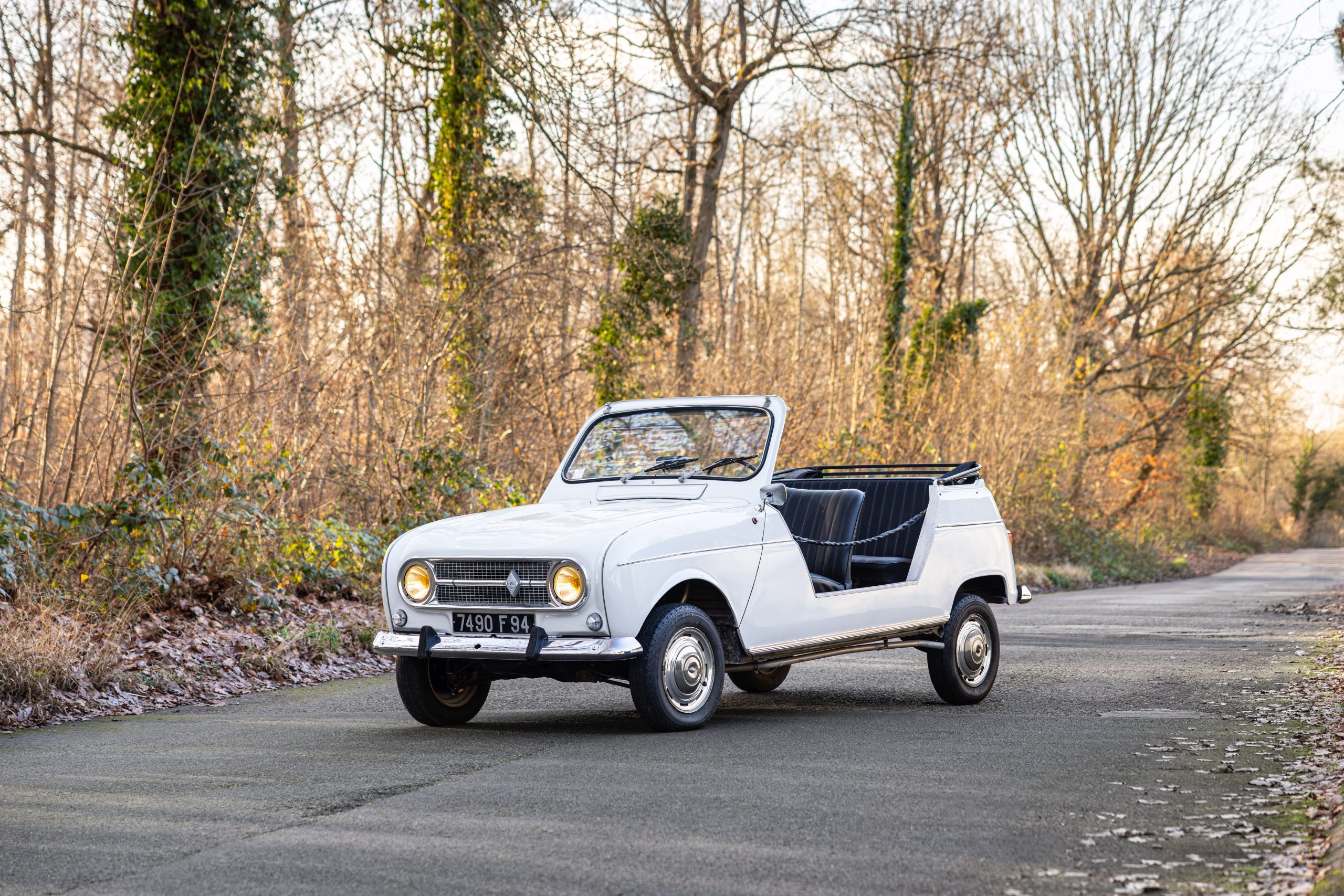
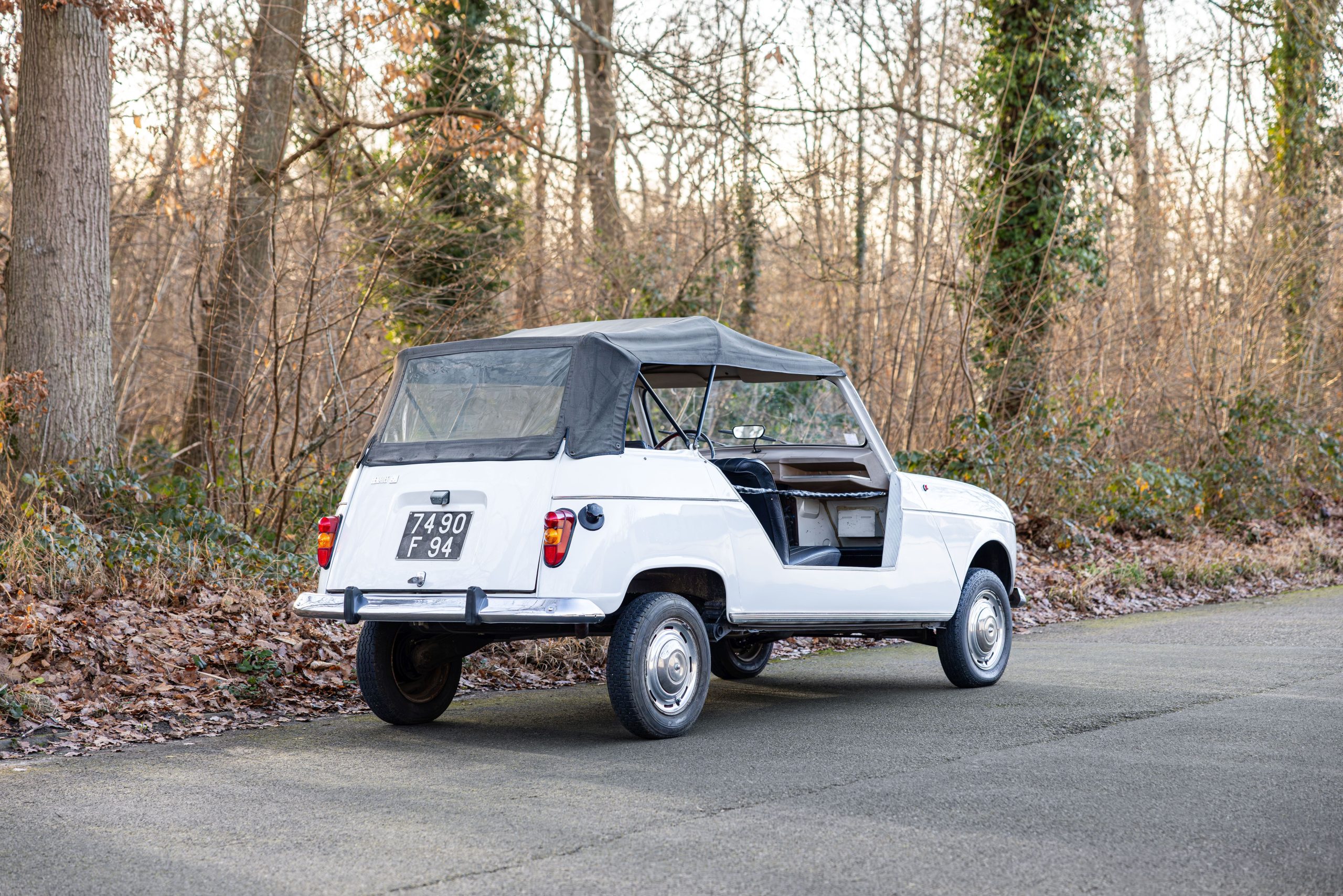
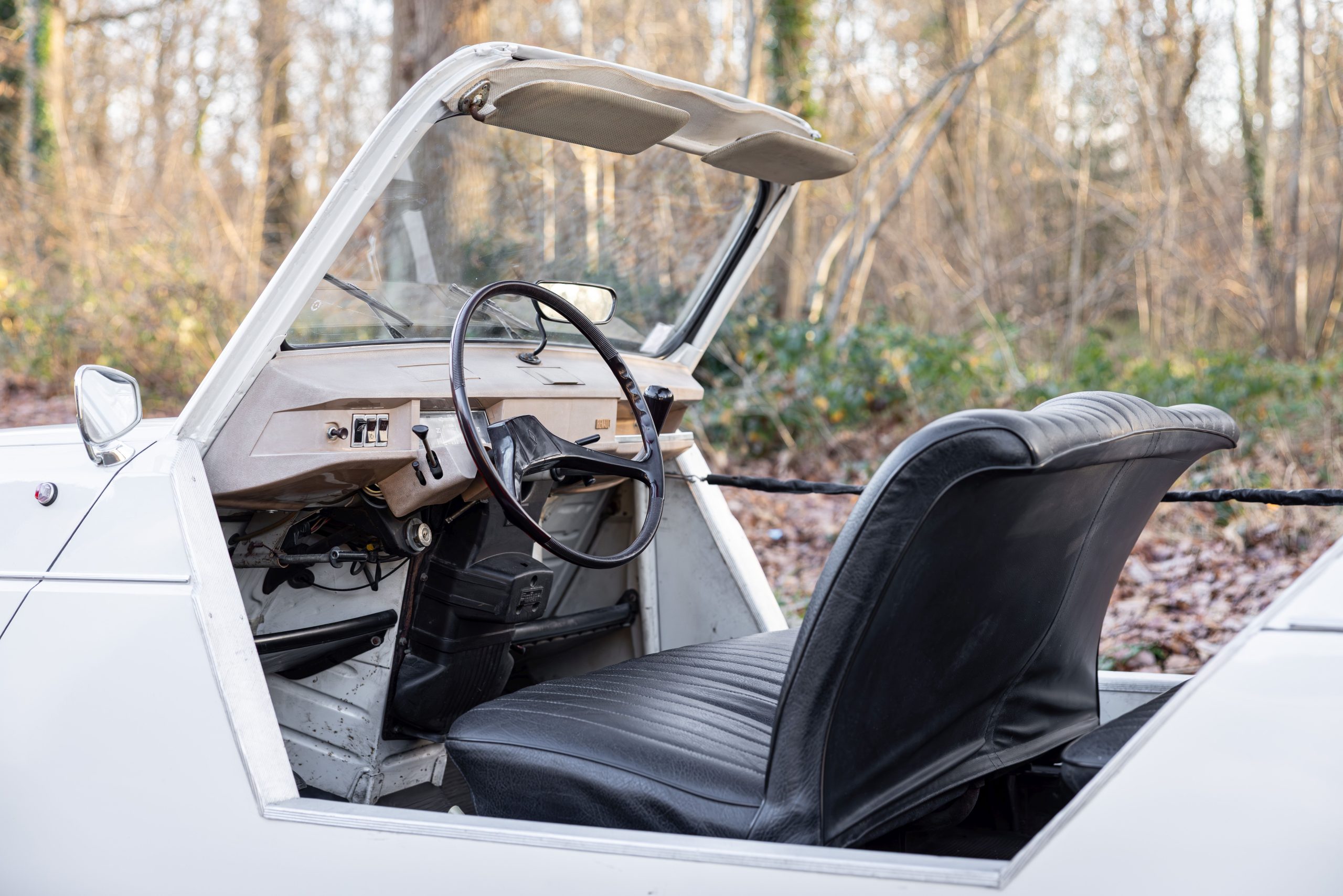
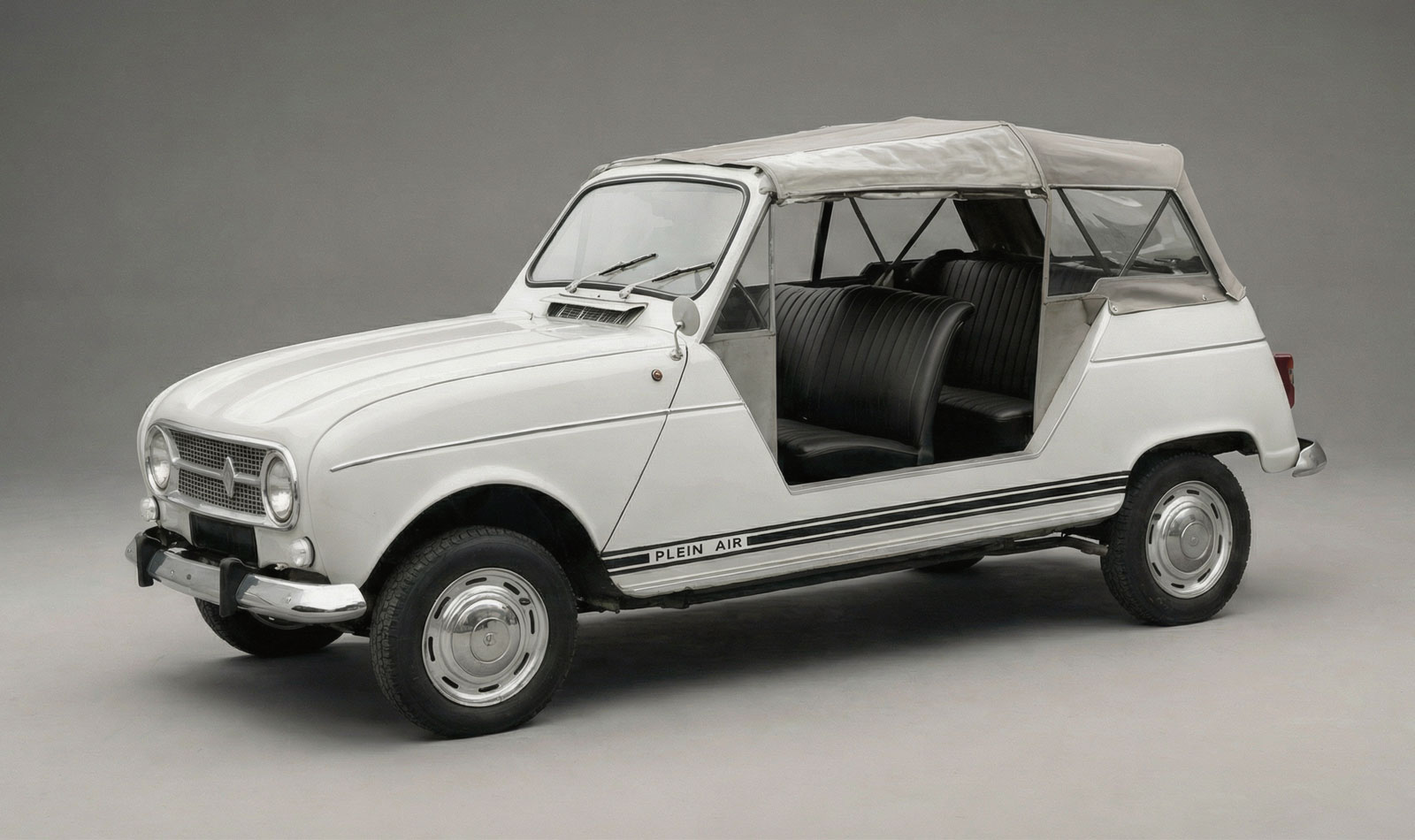
The conversion removed the doors and roof, modified the side bodywork with deep cutouts for easier access, and reinforced the flanks to compensate for the missing structure. The front end and windscreen surround were adapted to accept the soft-top mounting, while the rear hatch lost its upper section.
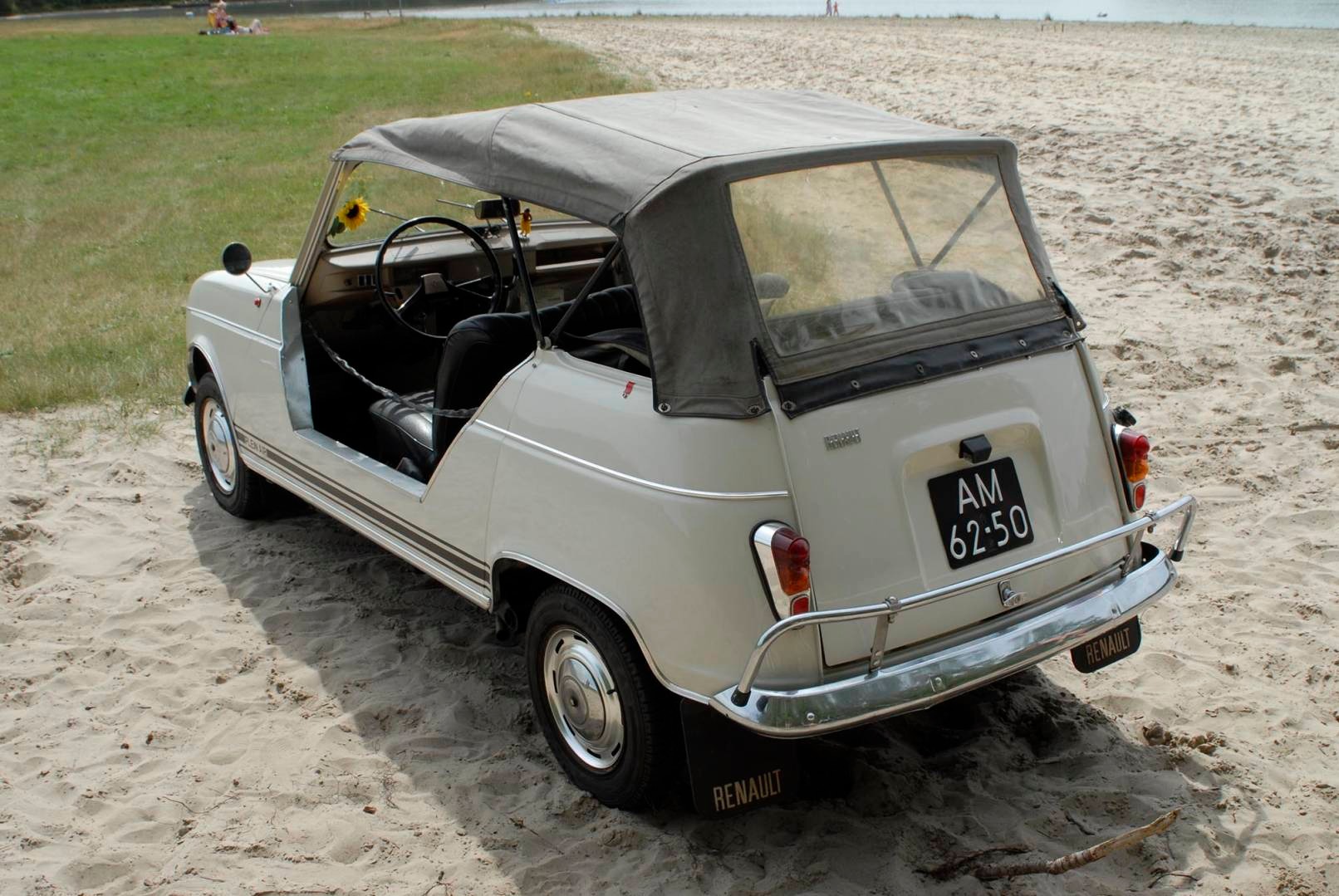
The car was deliberately stripped down for fair-weather use. A single-layer canvas top was offered more as a sunshade than as real weather protection, and many owners apparently left off the plastic-coated side chains that were meant to serve as doors.
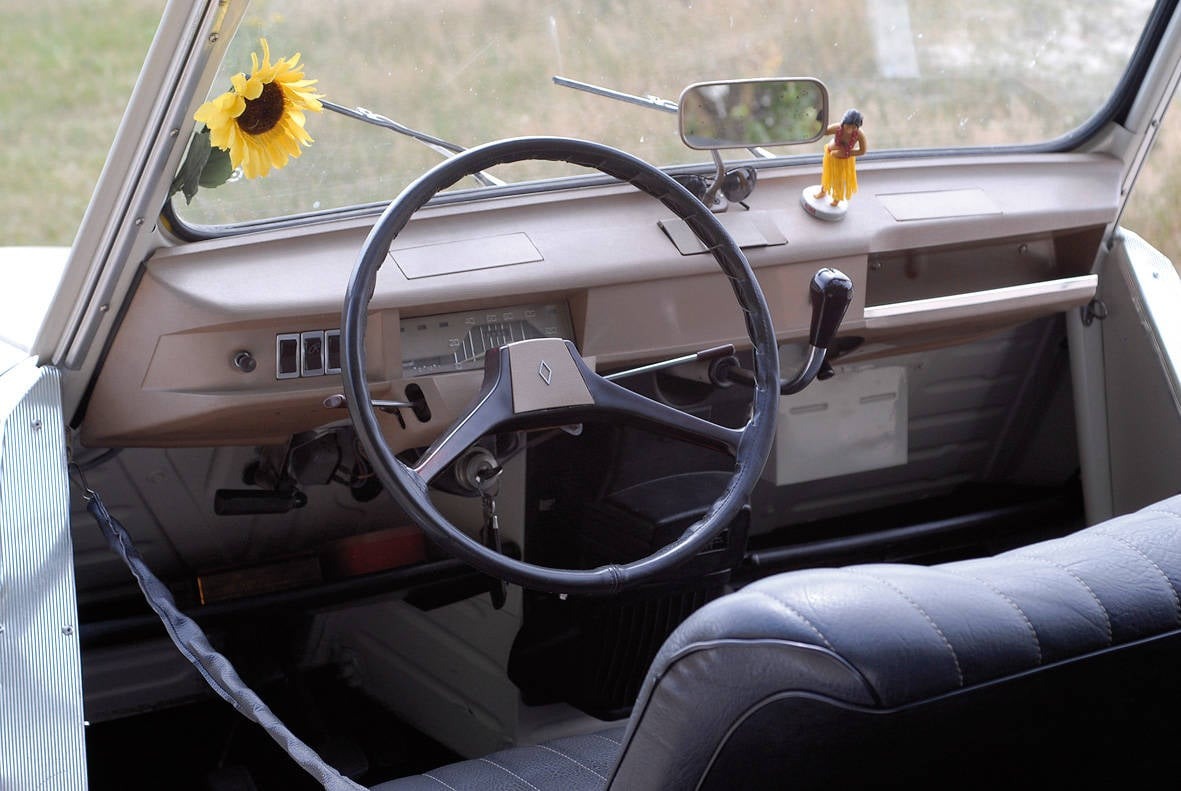
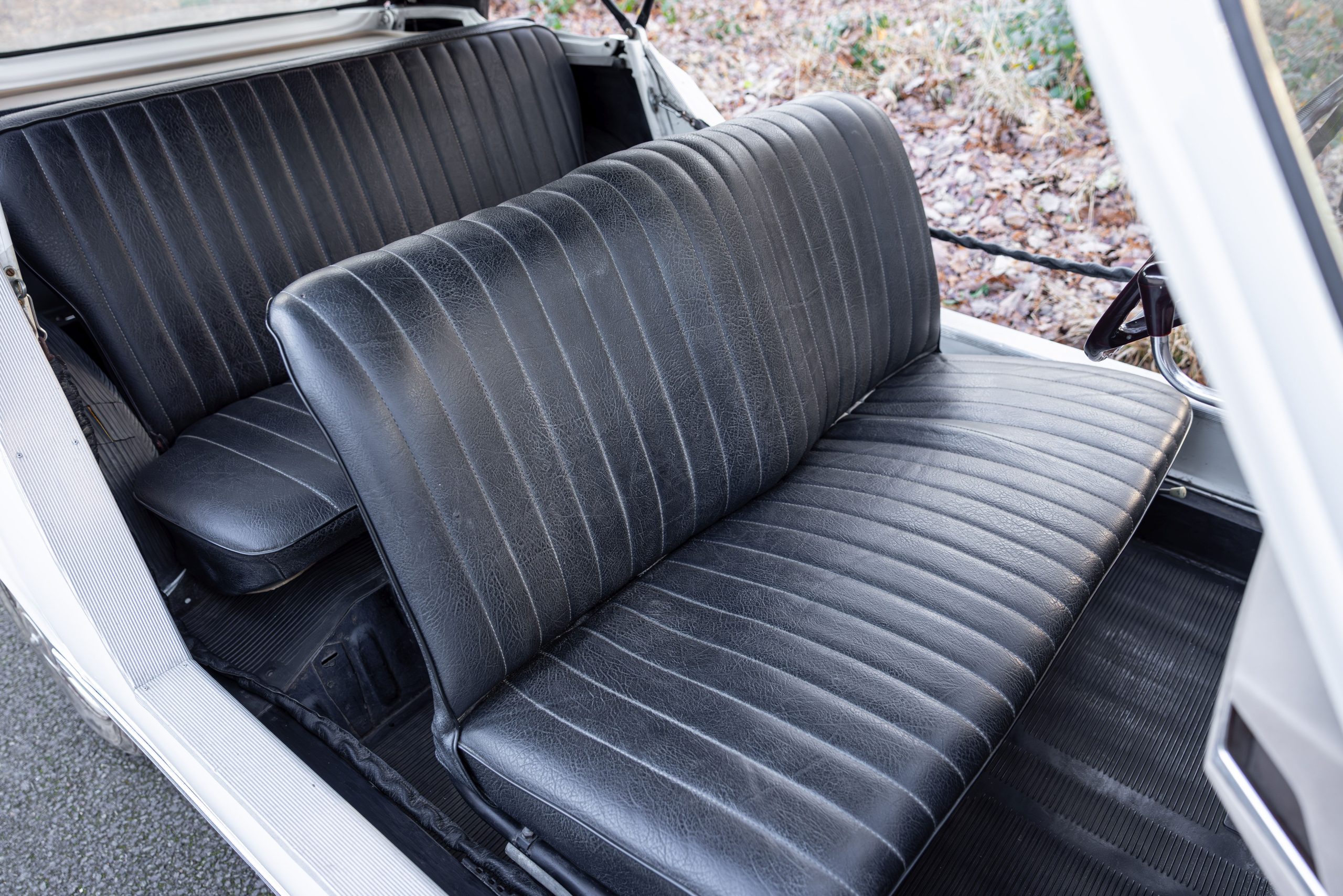
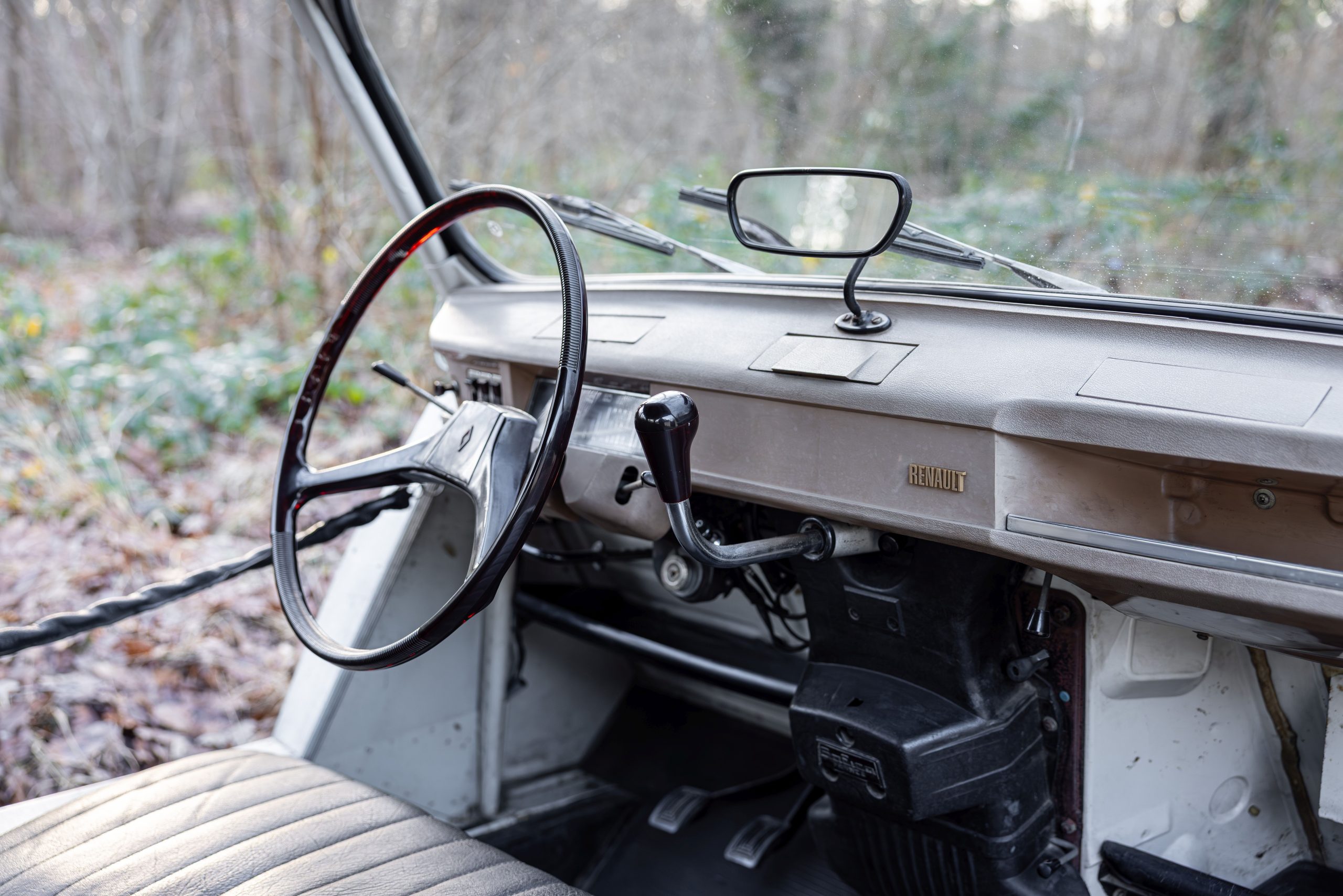
Renault kept the car simple in other ways too: there was no choice of body color, and the production version was offered only in white with a black interior.
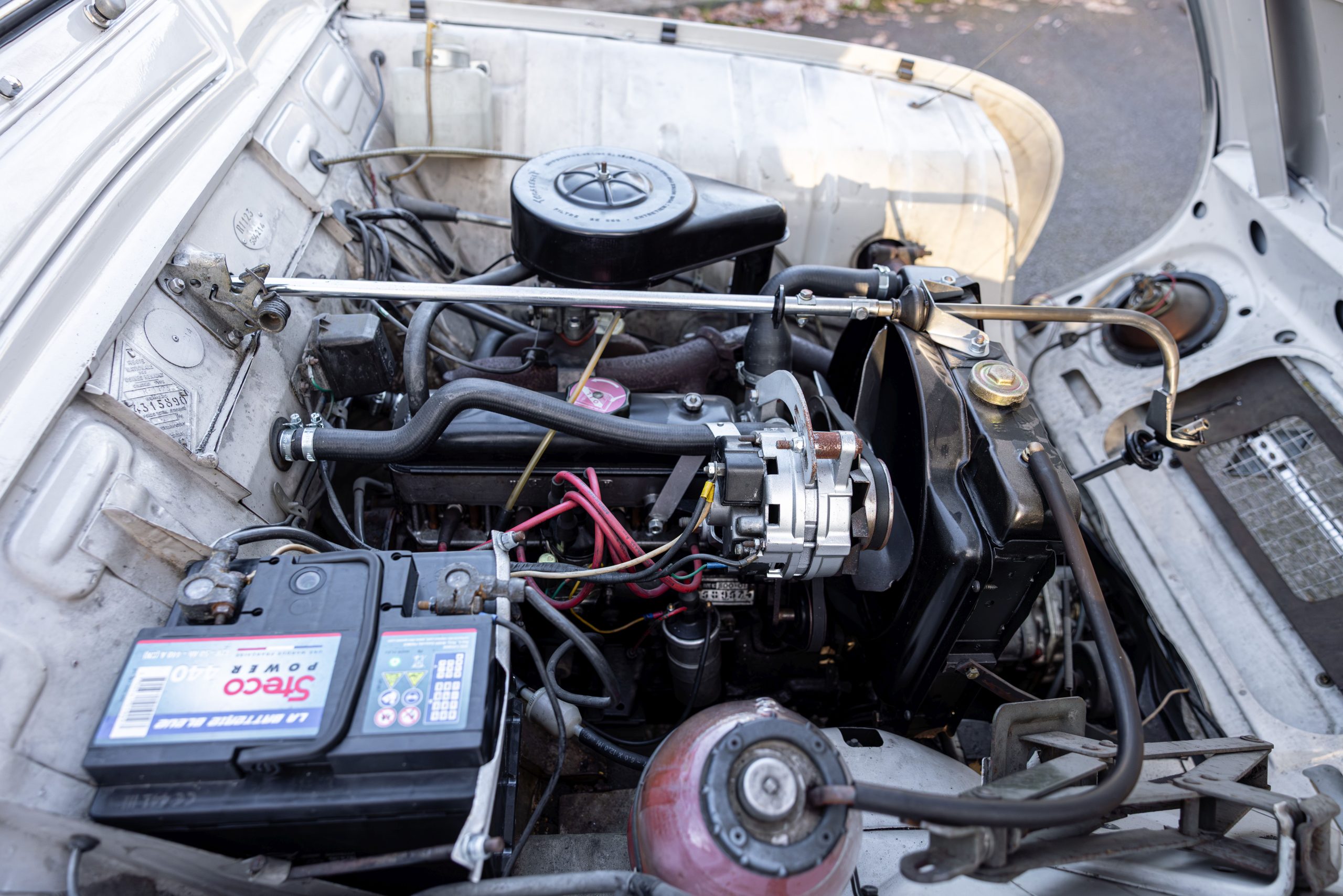
Mechanically, the Plein Air used the familiar front-wheel-drive Renault 4 layout and the 845 cc engine, producing 26 PS. It was not especially fast, but it was intended for relaxed use around beaches and resort areas rather than serious road work. Compared with similar leisure cars of the time, it was a conservative but practical adaptation of the R4 formula.
The Plein Air was sold officially in France, Germany, the Netherlands, Great Britain, Finland, Mexico, the United States, and Canada. Around twenty were used in Canada at the Terre des Hommes / Expo site in Montreal, giving the model an early public showing there. Pricing hurt its prospects from the start: at launch it cost FRF 8,990, noticeably more than the Citroën Méhari at FRF 6,990.
Production figures vary slightly across sources, but the best-documented number is 563 cars, with the highest known Sinpar production number also recorded as 563. Some references suggest figures in the low 500s or up to the mid-600s, but the model was unquestionably rare.
Sinpar also continued to offer conversion kits after 1971, though little is known about how many were made. The Plein Air was replaced by the Renault 4 ACL Rodeo, which used similar R4 foundations but wore its own plastic bodywork.