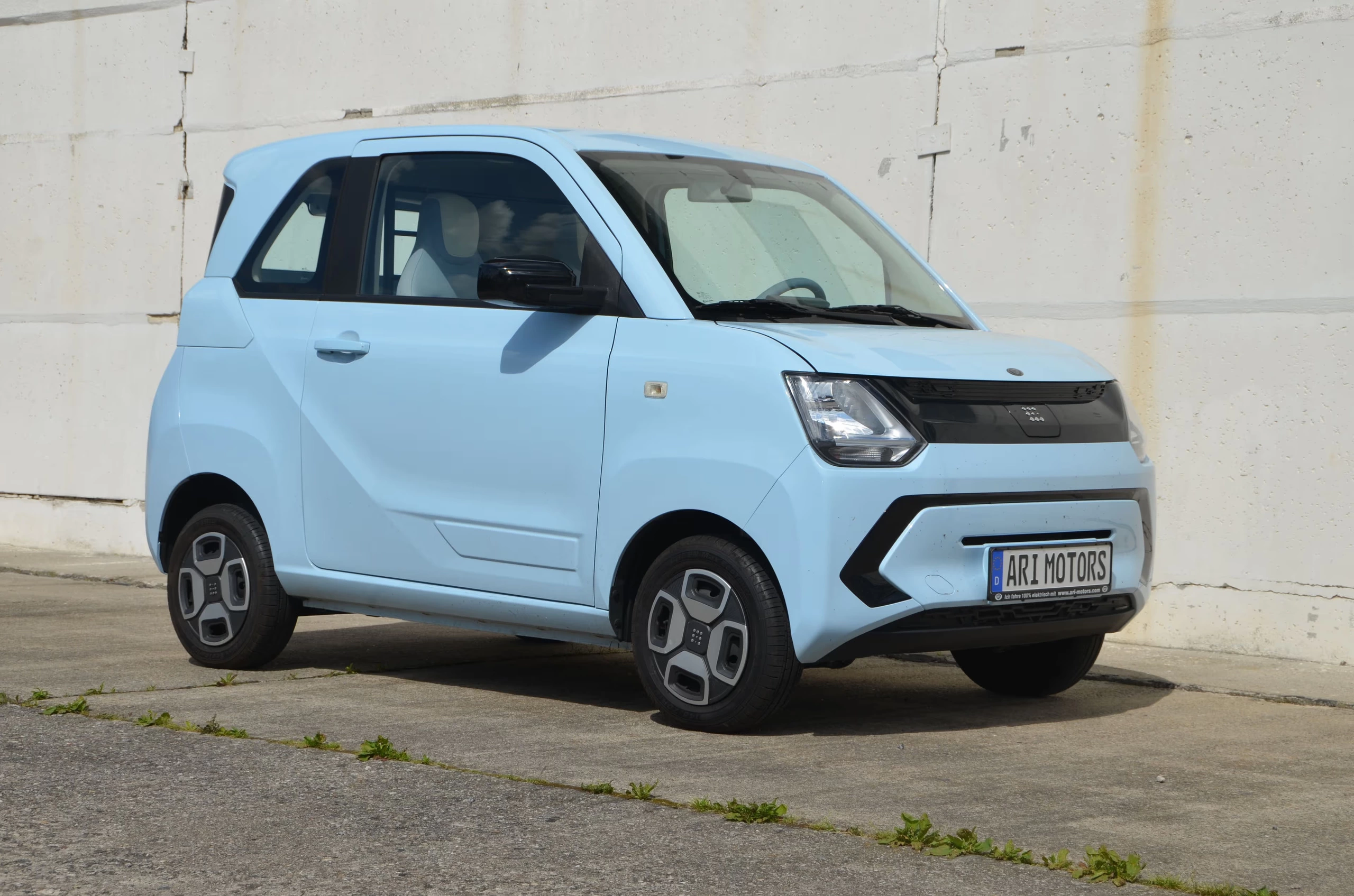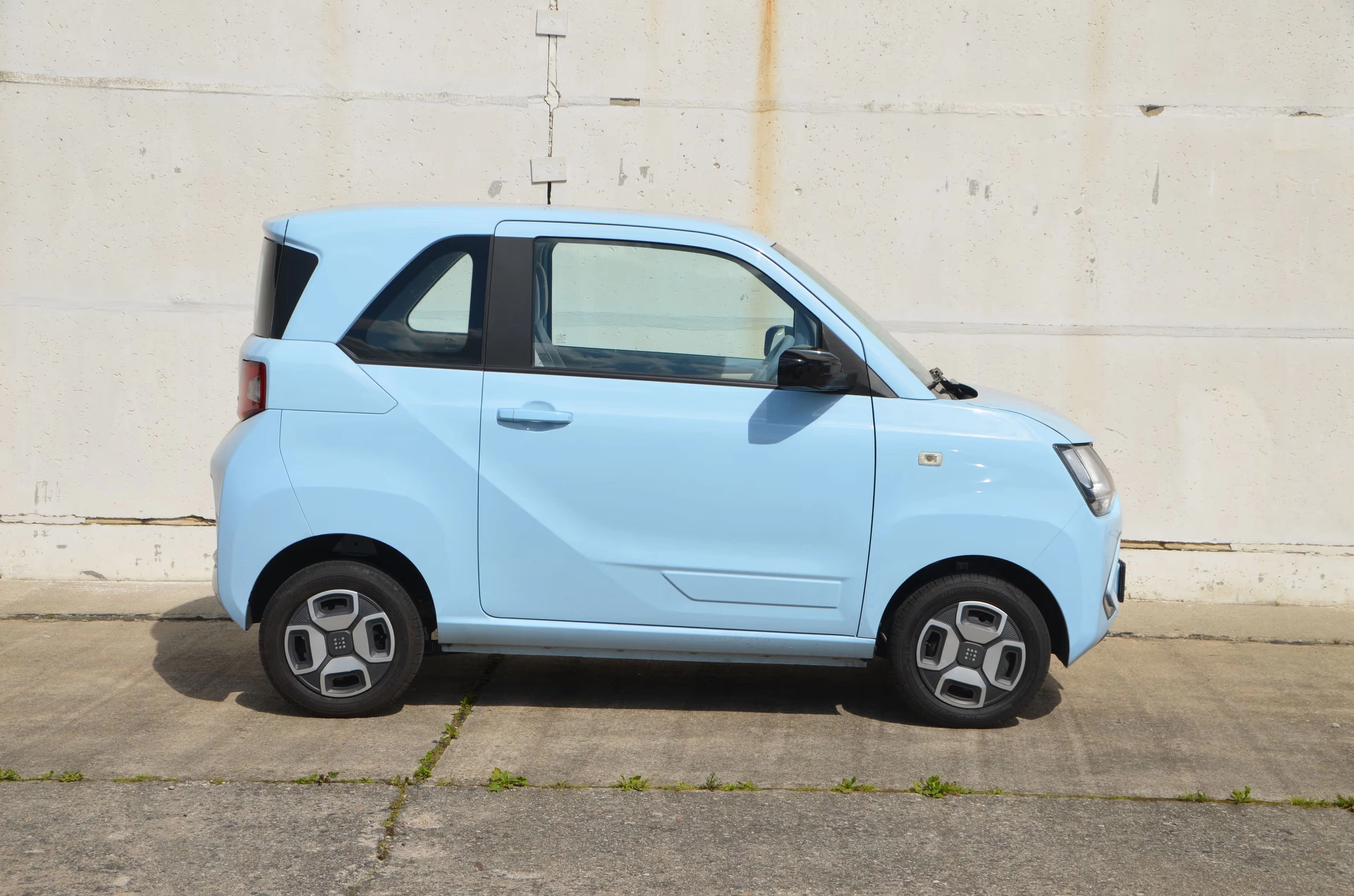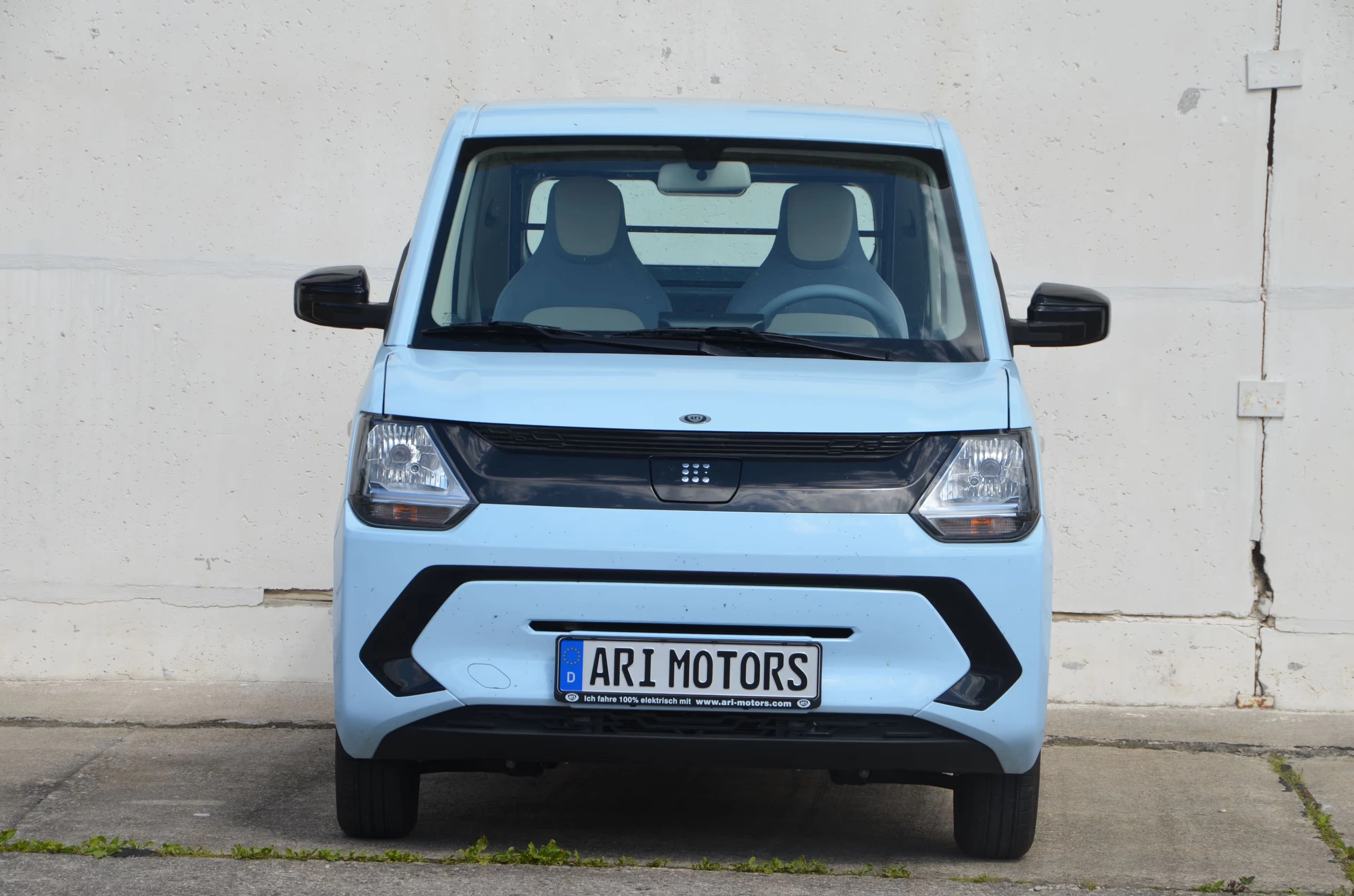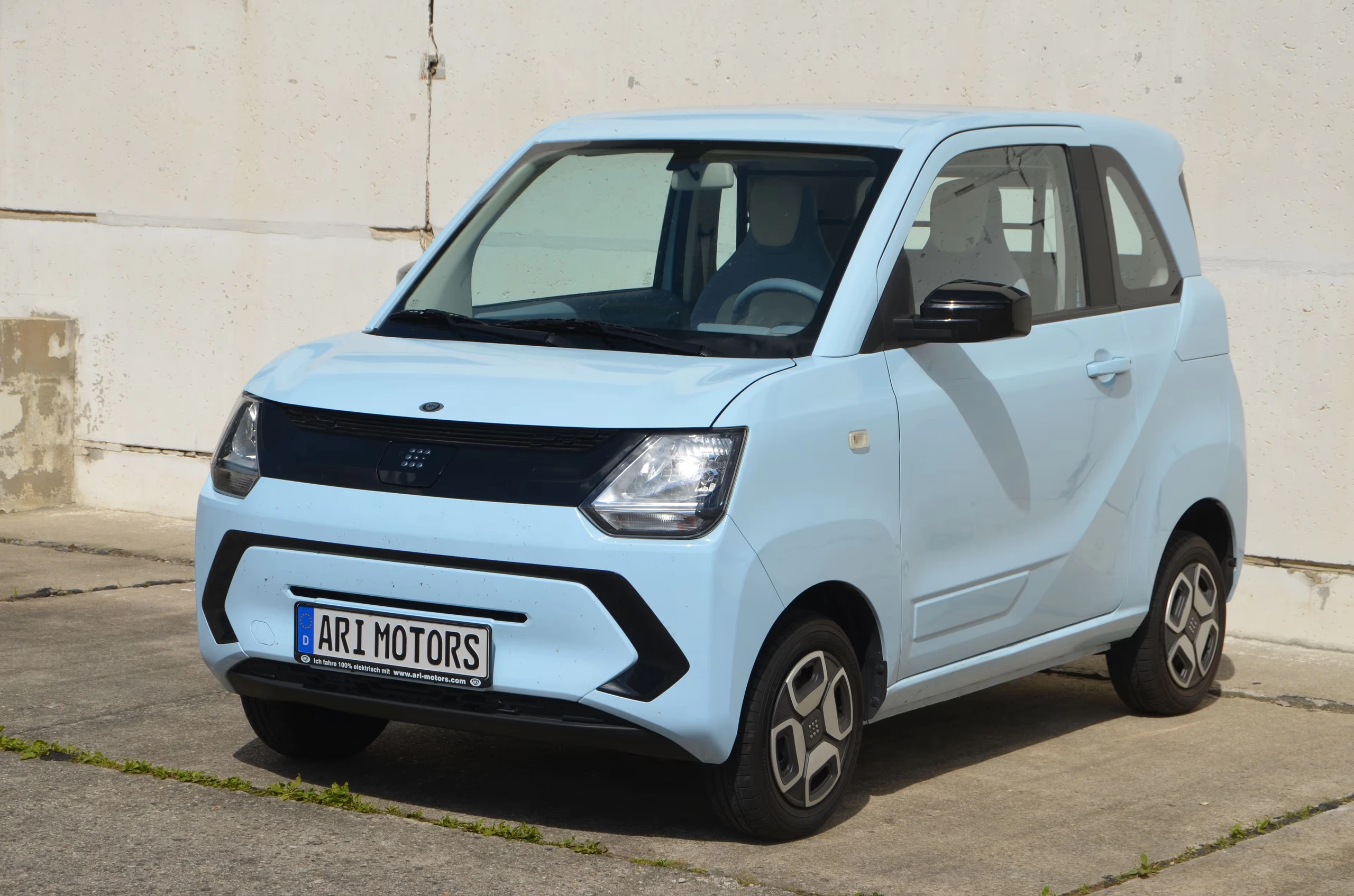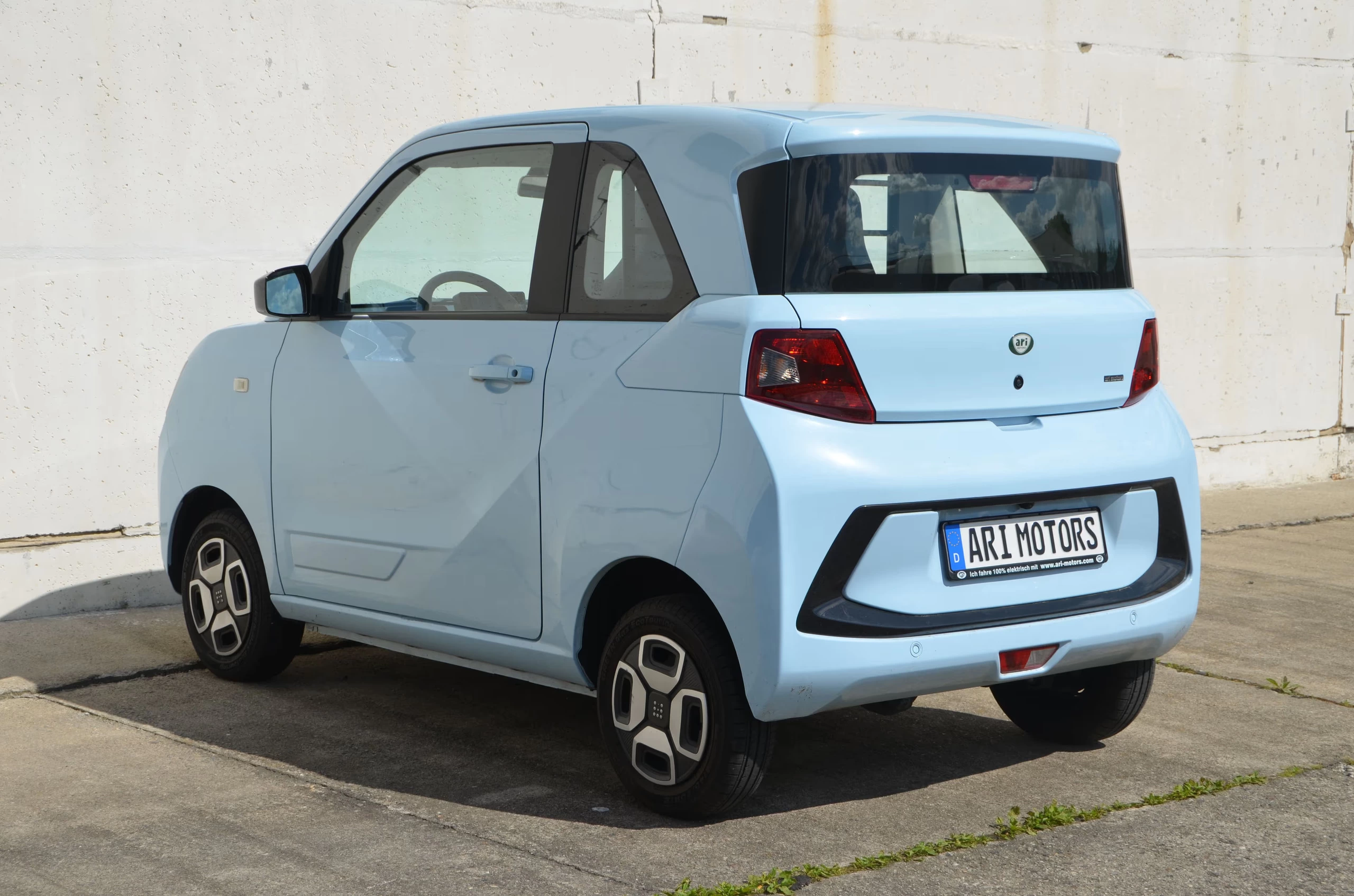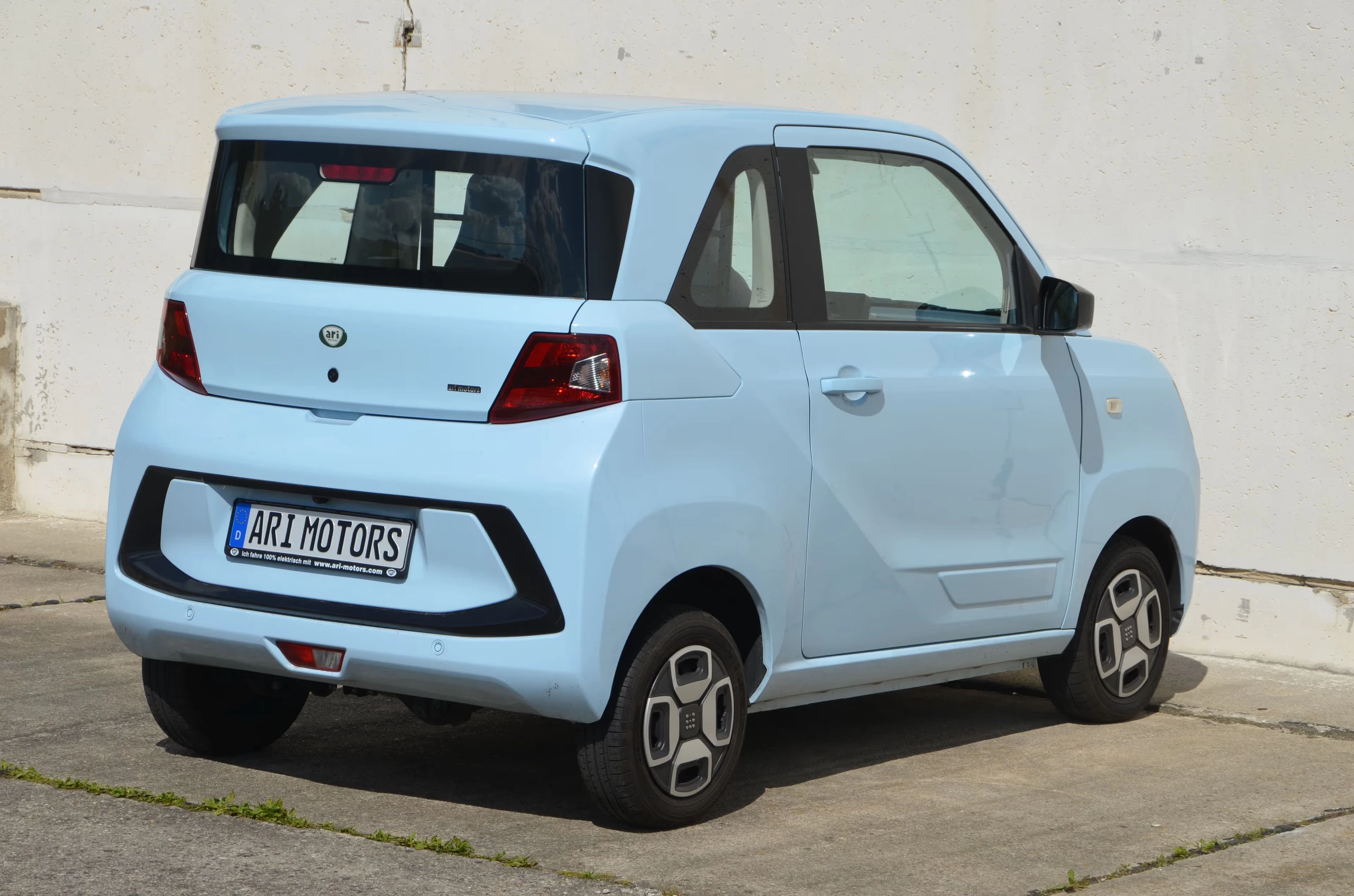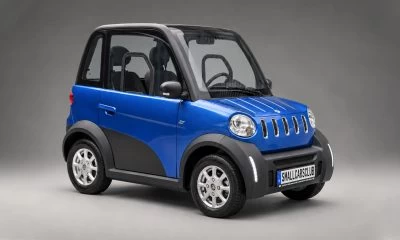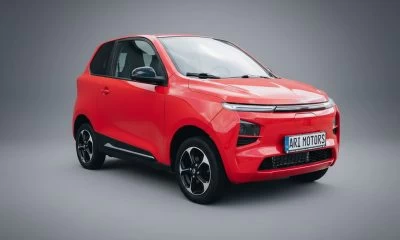
ARI Soleno

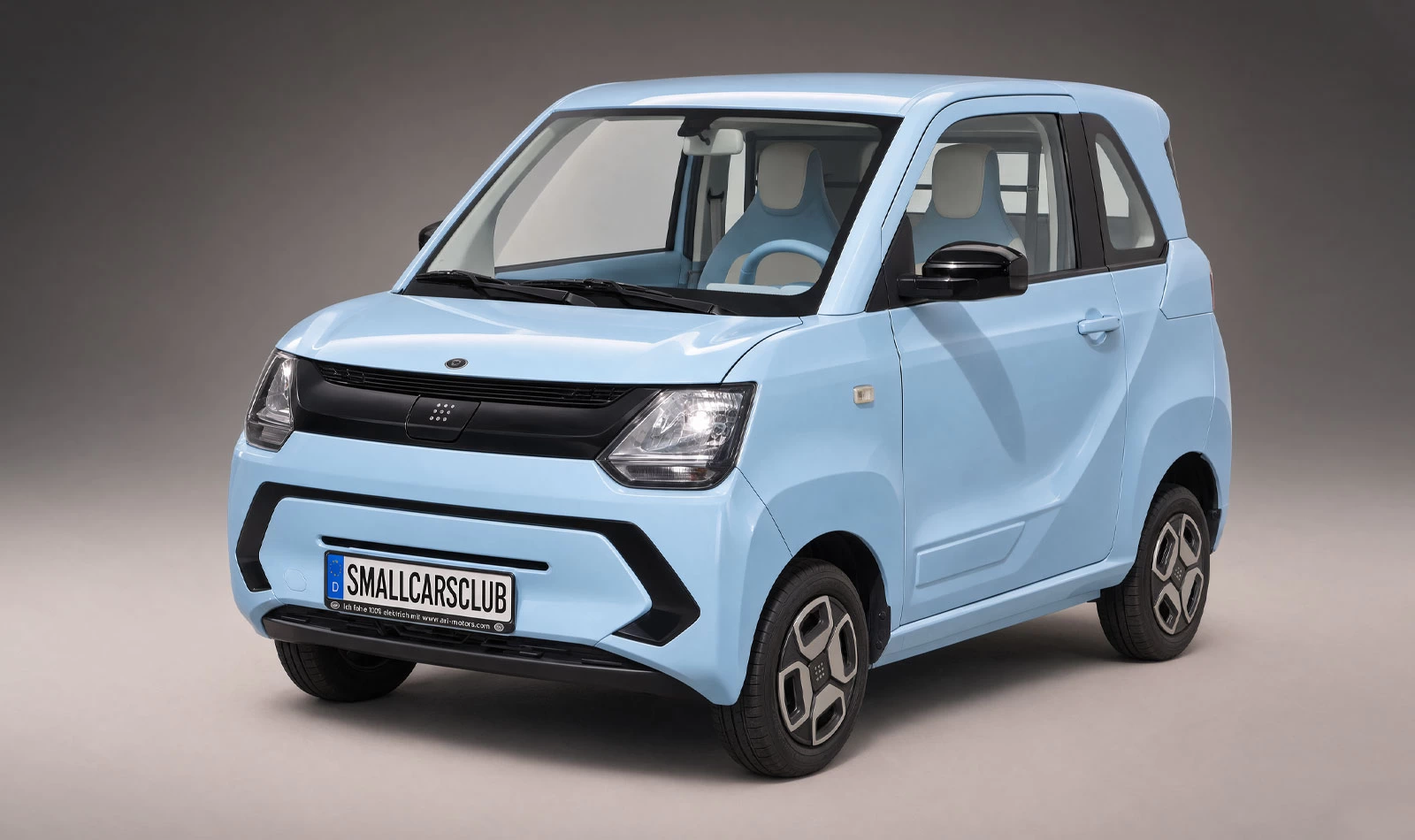
Launched on 2 May 2024, the ARI Soleno marked an important milestone for ARI Motors: it became the company’s first L7e-class vehicle to feature a driver airbag as standard.
Unlike the budget-oriented ARI 802 and 902, the Soleno was developed primarily with professional users in mind, particularly mobile nursing and care services. However, ARI Motors also targeted outpatient therapists, hospice services, local businesses and private buyers looking for a compact electric runabout.
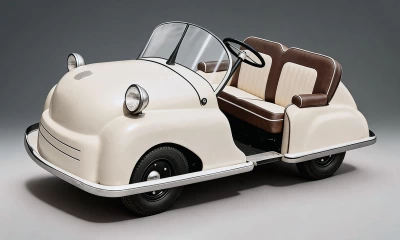
The Soleno is a two-seat electric vehicle powered by a 15 kW motor, allowing it to reach a top speed of 90 km/h (56 mph). It belongs to the L7e category of heavy quadricycles and, in Germany, requires a standard category B driving licence. The vehicle has a kerb weight of approximately 743 kg and is 2,950 mm long and 1,490 mm wide, making it particularly suitable for navigating narrow urban streets and finding parking spaces.
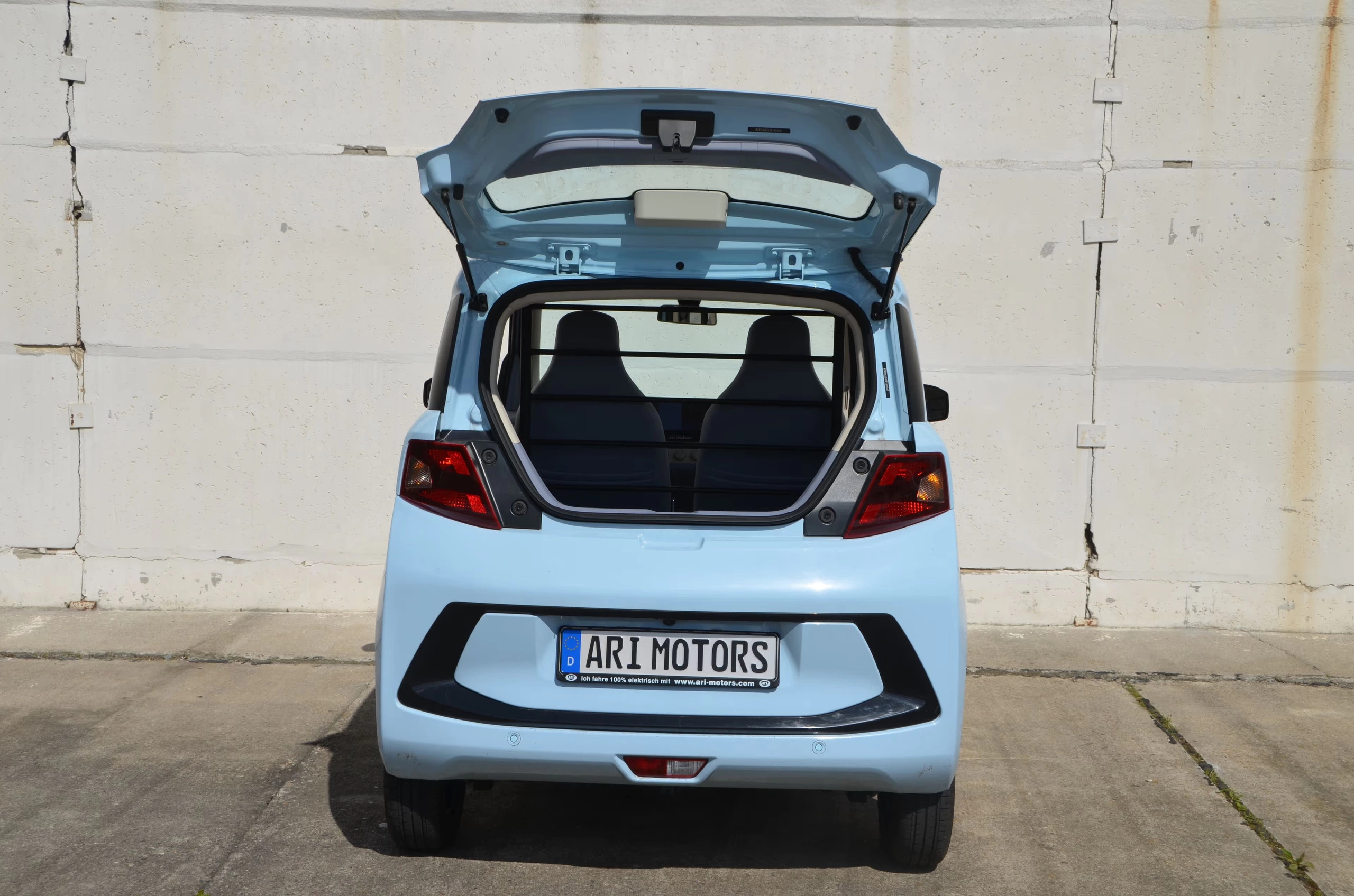
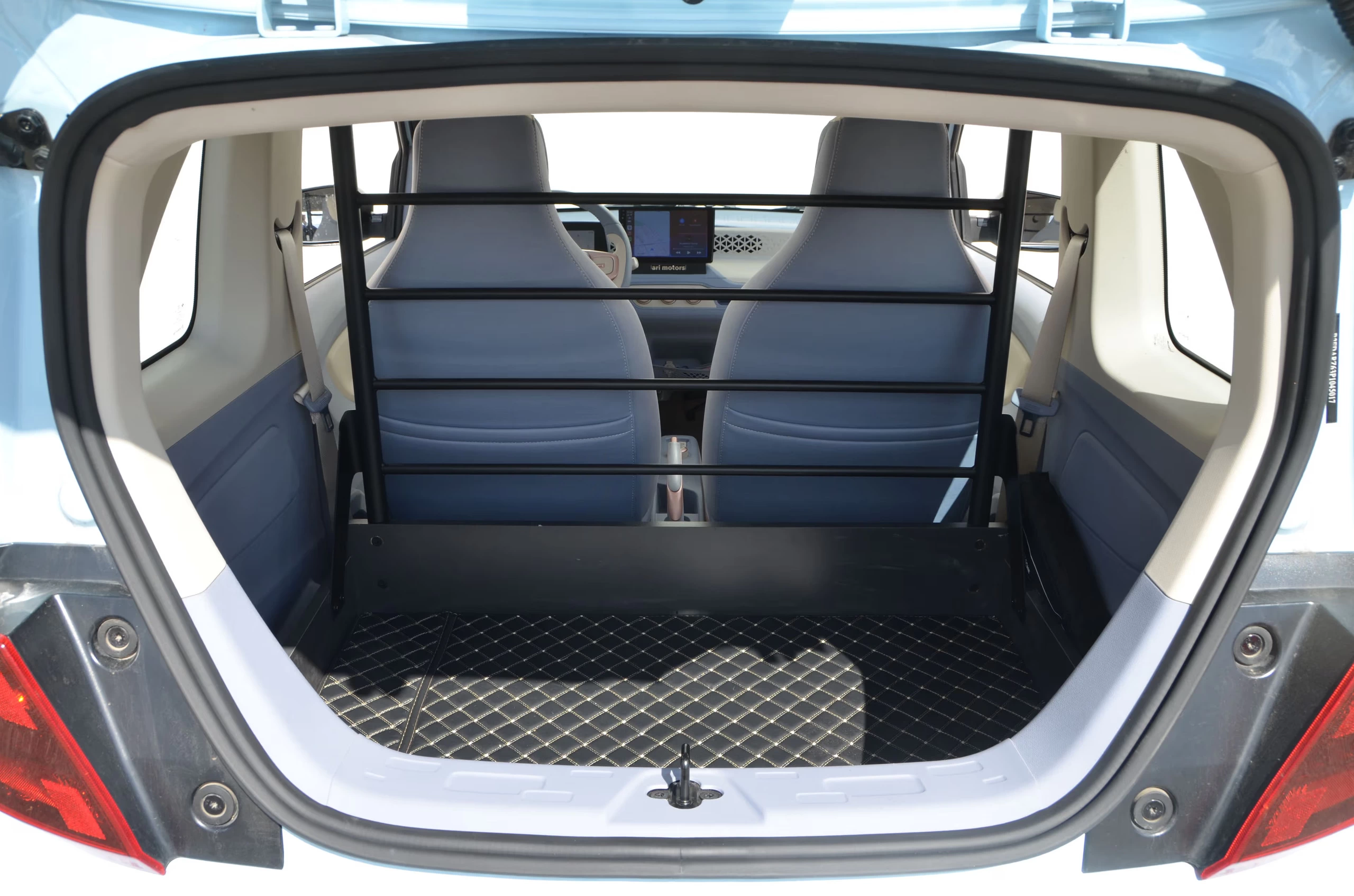
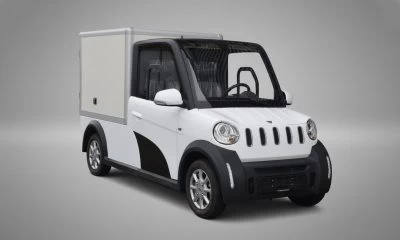
One of its main selling points is its practicality. The Soleno offers a spacious rear luggage compartment, although published capacity figures differ: ARI Motors initially advertised 840 litres, while independent automotive publications quoted 766 litres. The Cargo version adds a load floor, securing points and a partition grille separating the passenger compartment from the cargo area. The manufacturer also advertises a payload of up to 270 kg, although its current technical specifications list 190 kg, so the exact figure should be checked against the documentation for the particular vehicle.
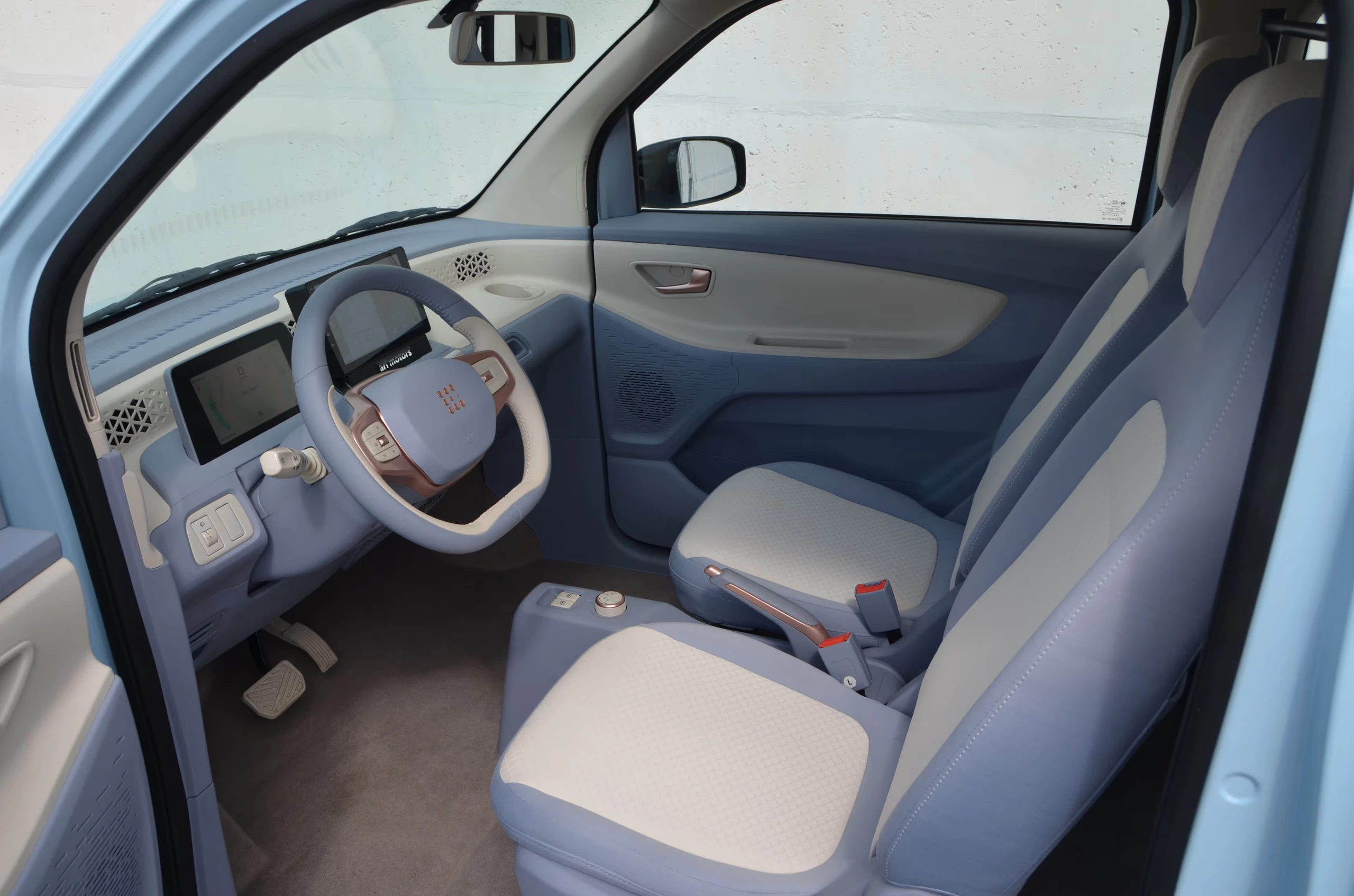
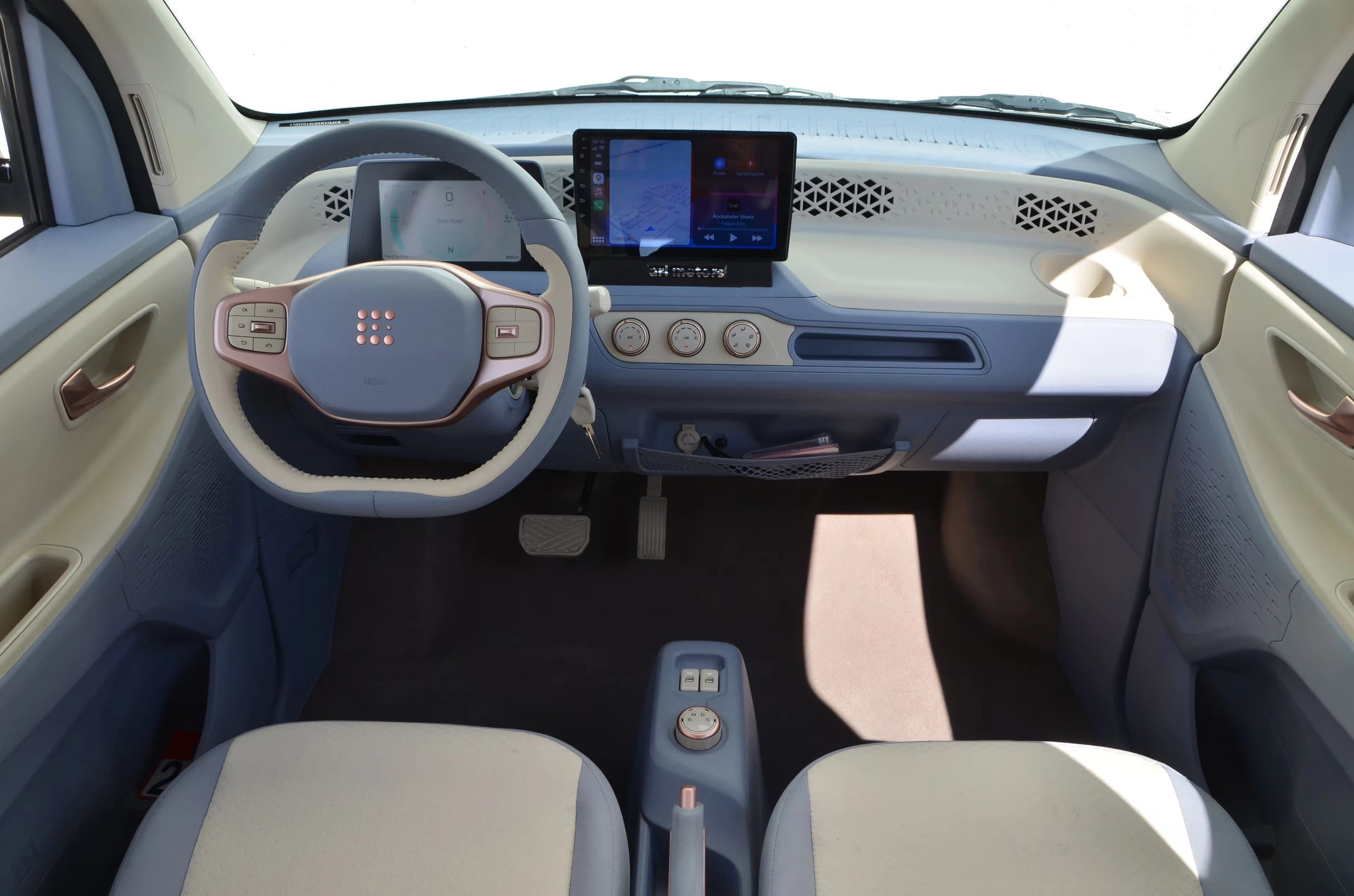
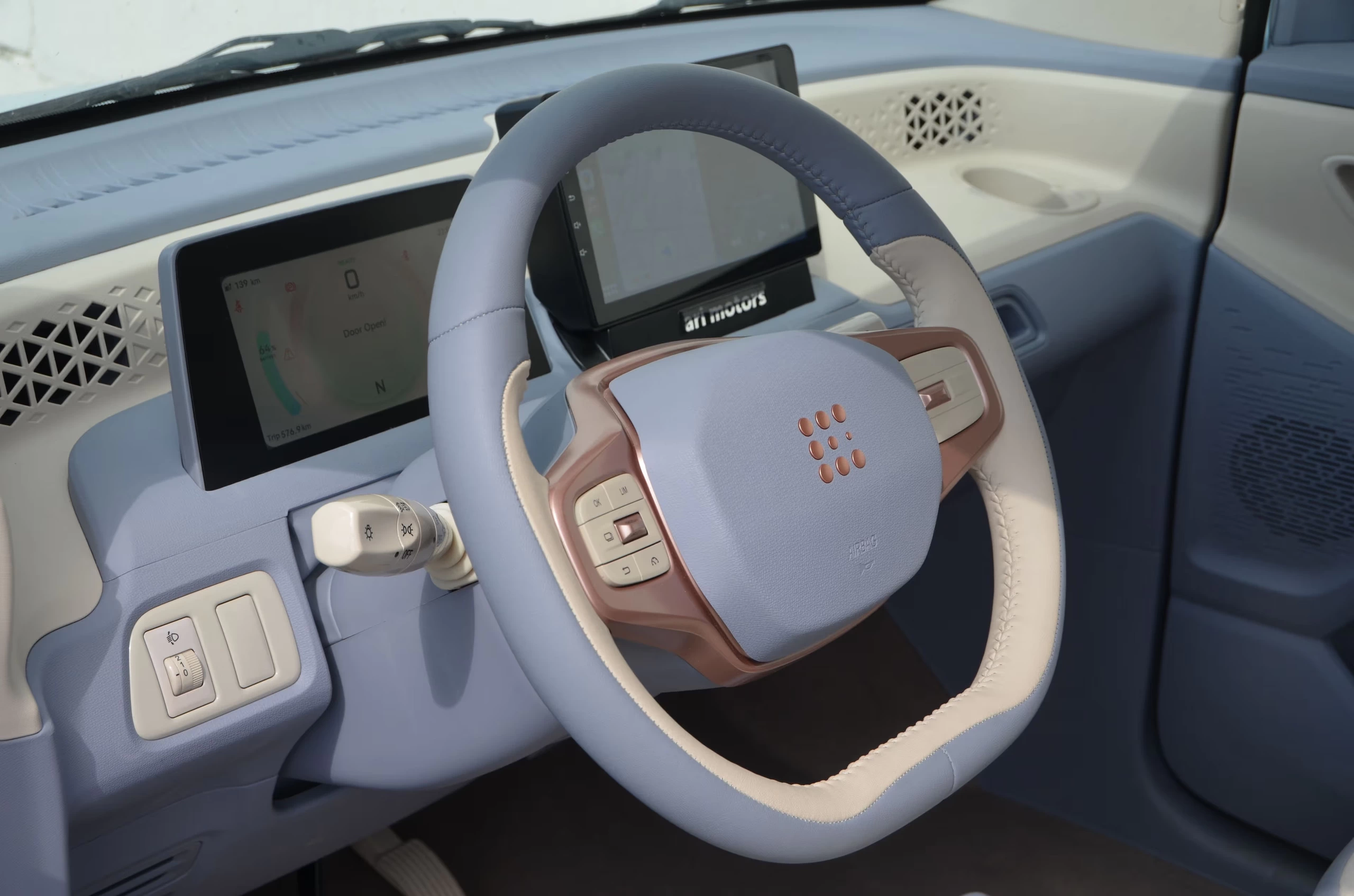
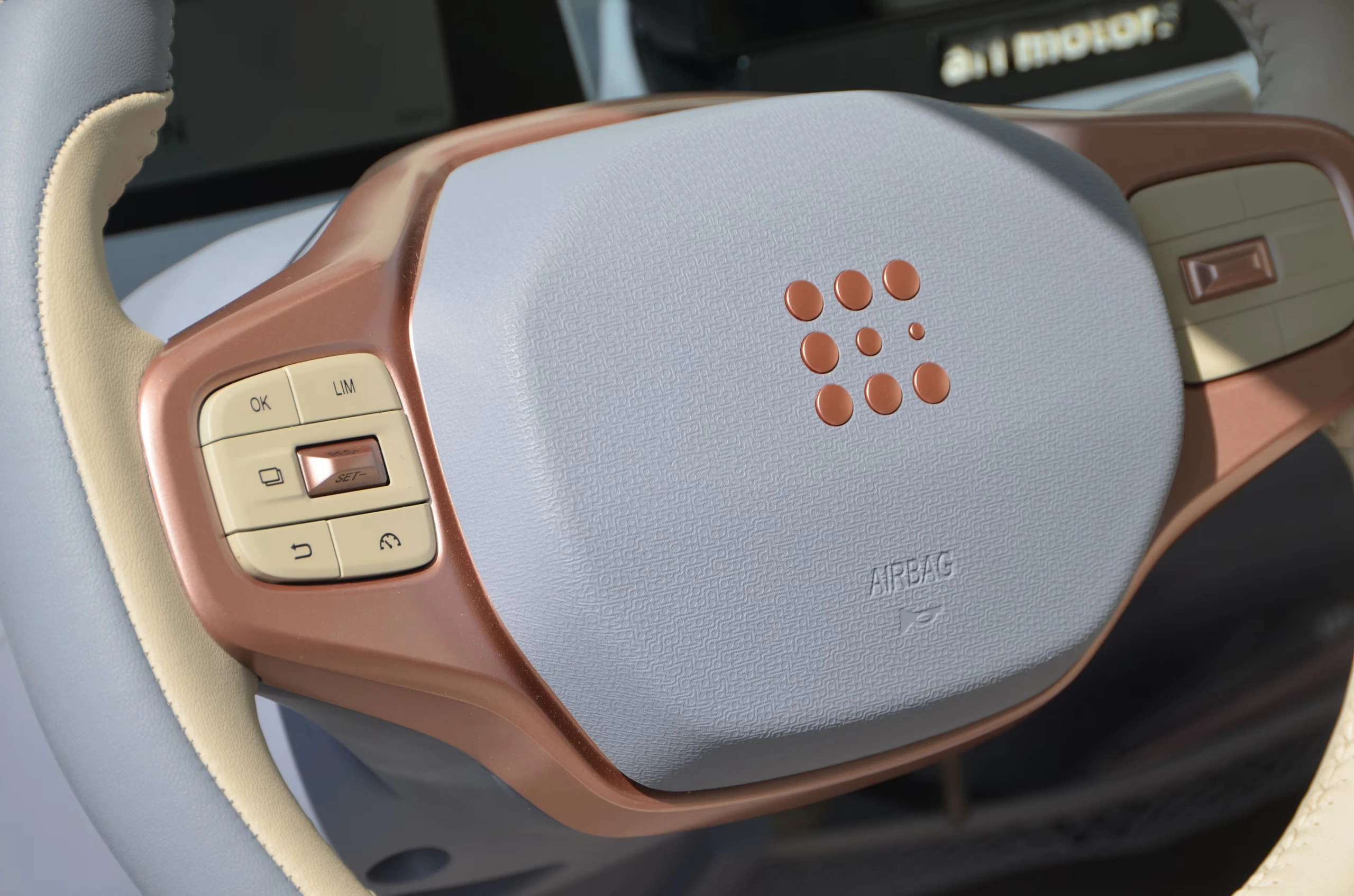
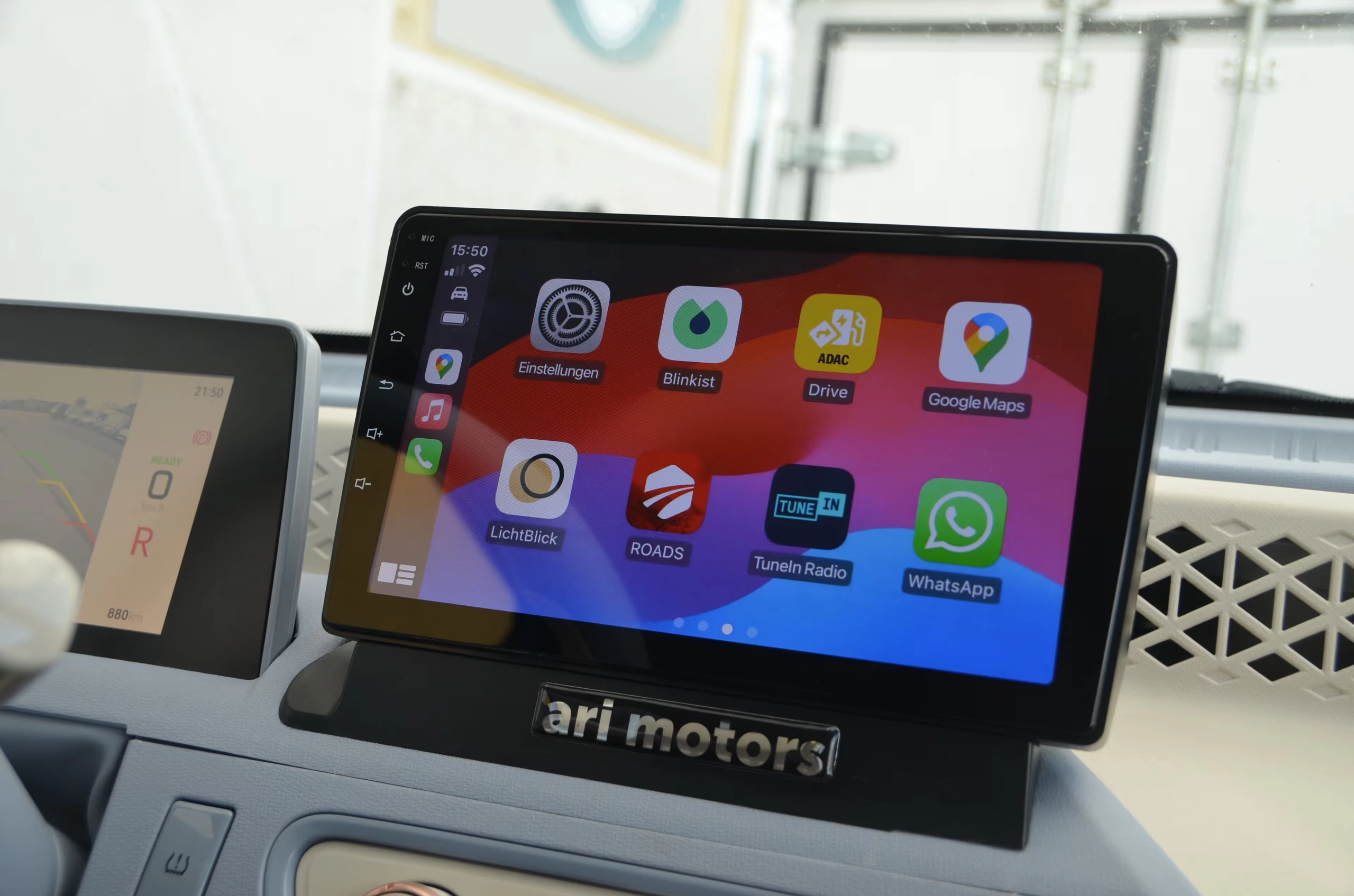
The interior is considerably better equipped than that of many basic electric quadricycles. Behind the steering wheel is a digital instrument display showing speed, time, battery charge and estimated remaining range. A central touchscreen combines an MP4 player, Bluetooth connectivity, hands-free calling and a reversing camera. The car also features cruise control operated from the steering wheel.
Safety equipment was one of the Soleno’s main selling points. Standard equipment includes a driver airbag, ABS, three-point seat belts, electric windows, remote central locking and LED daytime running lights. The Mobileye driver-assistance system, including lane-keeping assistance, is standard on the Comfort version and available as an option on the Pure and Cargo models. The Comfort also comes with air conditioning and power steering, while an optional glass lifting roof adds more light to the cabin.
Three battery configurations were offered. The standard battery provides a claimed range of approximately 110 km (68 miles), while an optional 13.8 kWh battery increases this to 180 km (112 miles). The largest 16.8 kWh pack is advertised with a maximum range of 220 km (137 miles). ARI Motors states that the battery is included in the vehicle price rather than being leased separately. The precise capacity of the original standard battery is inconsistently reported in available materials, so it is best not to assign it a definitive kWh figure without checking the relevant technical documentation.
The Soleno can be charged from an ordinary 230 V household socket, eliminating the need for a dedicated wallbox. A full charge typically takes around six to eight hours, depending on the battery’s state of charge. Optional fast charging is available with the LiFePO4 battery. Official consumption figures are 8.8 kWh/100 km in urban driving and 10.0 kWh/100 km outside town, with a combined figure of approximately 9.4 kWh/100 km.
Several practical options were also offered. These included a roof-mounted solar panel to help power the vehicle’s electrical systems, a glass roof, additional protective equipment and a tow hitch. ARI Motors initially advertised the tow hitch with a permitted trailer weight of 350 kg and a nose weight of 75 kg, although the manufacturer’s later accessory listing specifies a 300 kg braked trailer rating and a 50 kg nose weight.
At launch, the ARI Soleno was available in three versions: Pure, Cargo and Comfort. Prices started at €14,990 (approximately $16,000) for the Pure, rising to €15,990 for the Cargo and €16,990 for the Comfort, all excluding VAT. The Comfort version included additional convenience features and a longer four-year warranty, while the Pure and Cargo initially came with a two-year warranty that could be extended.