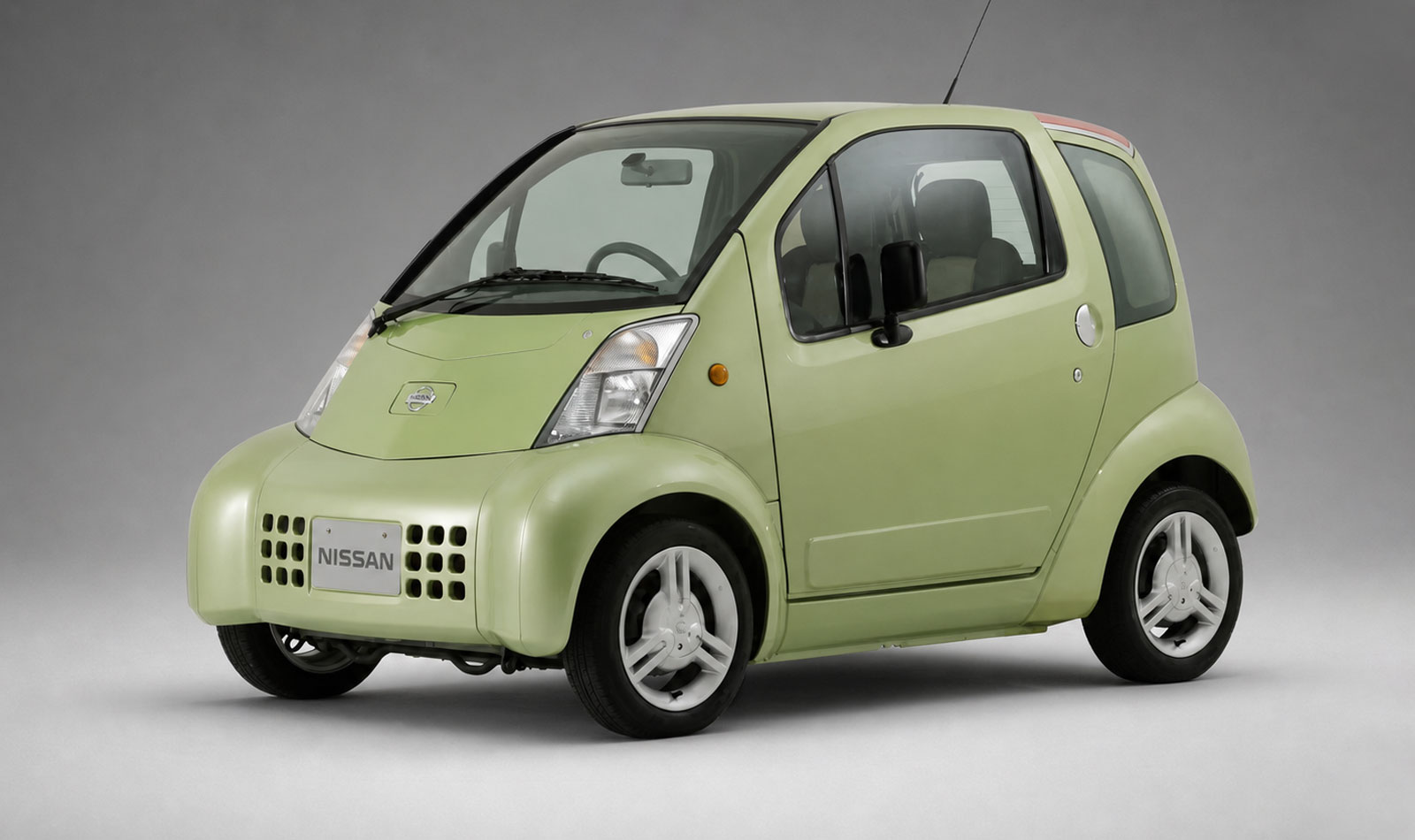
Nissan Hypermini

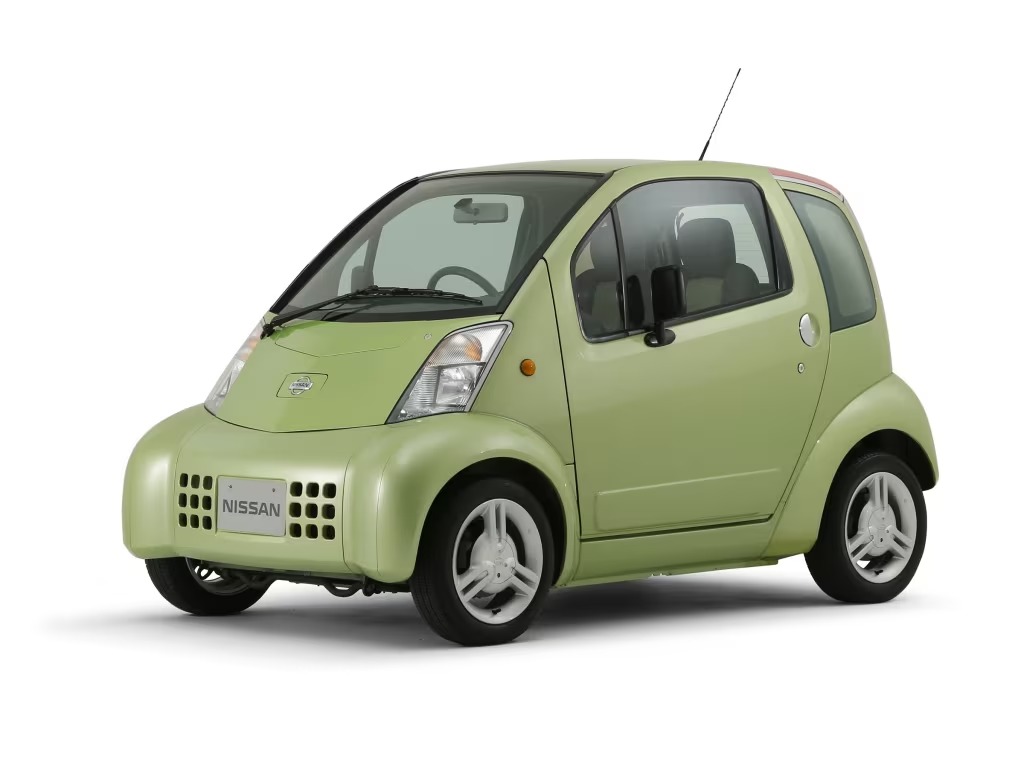
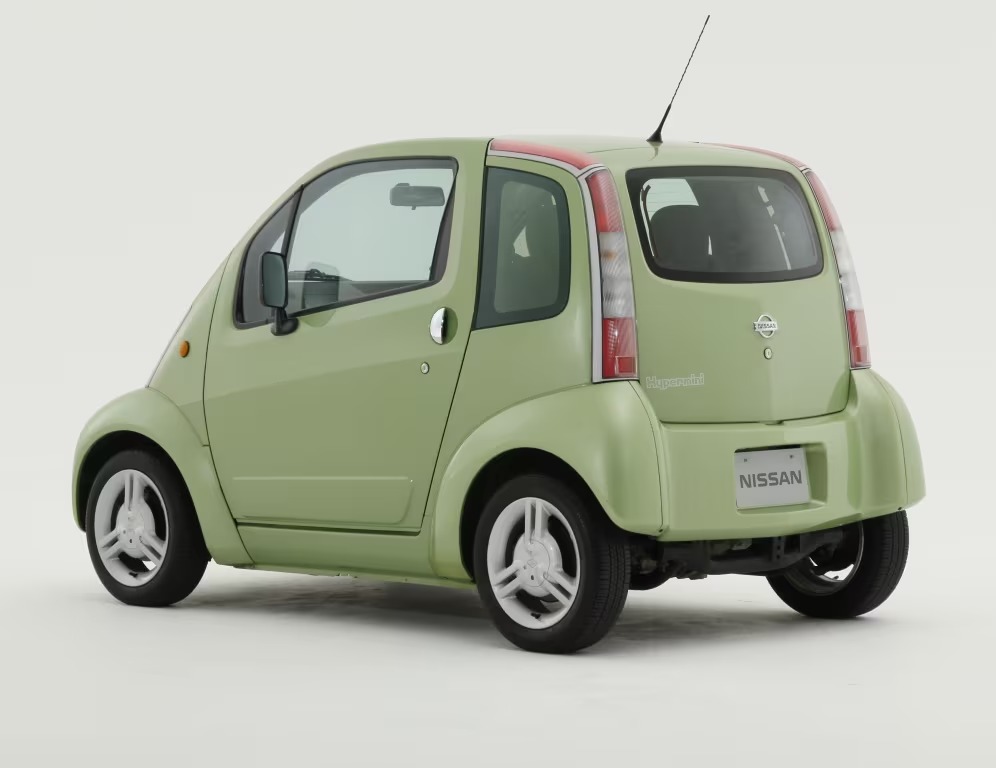
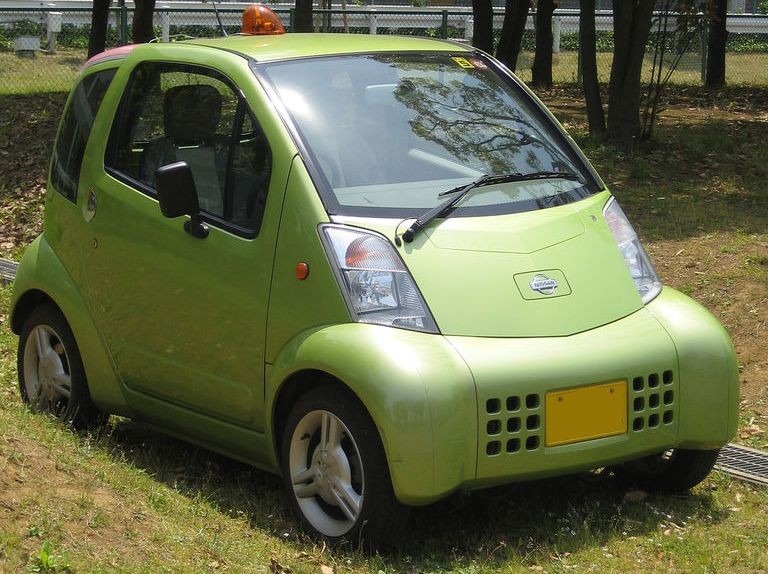
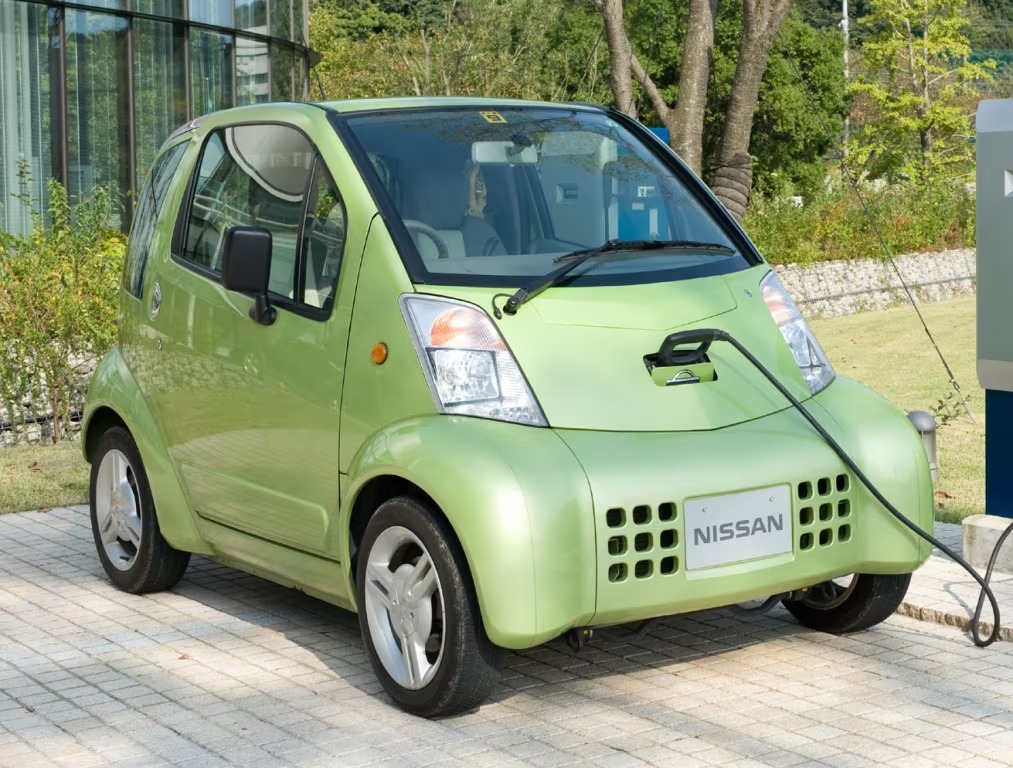
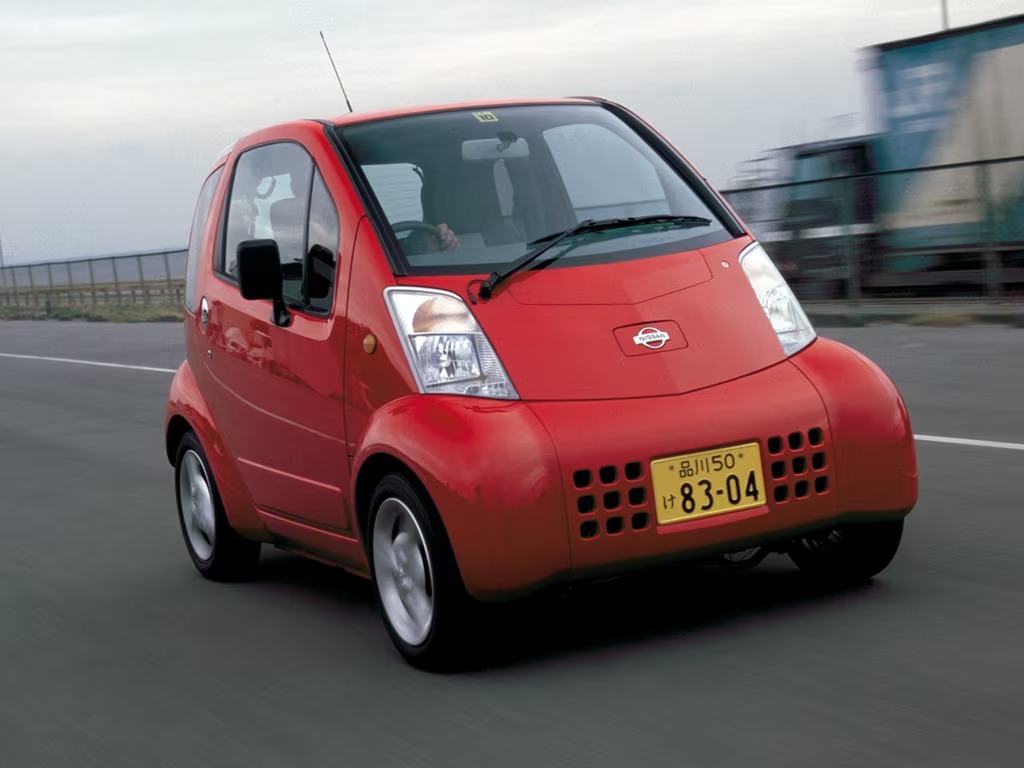
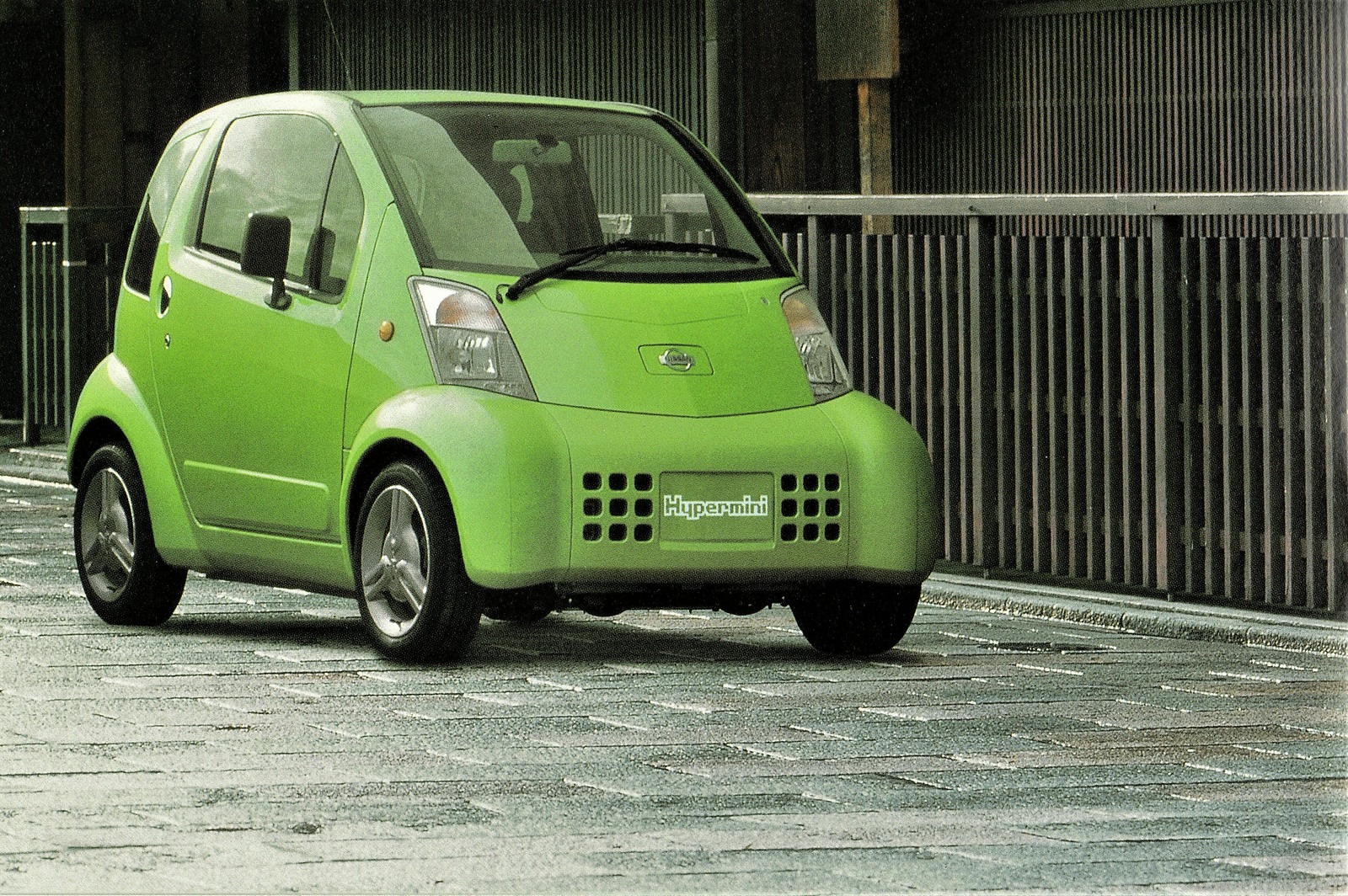
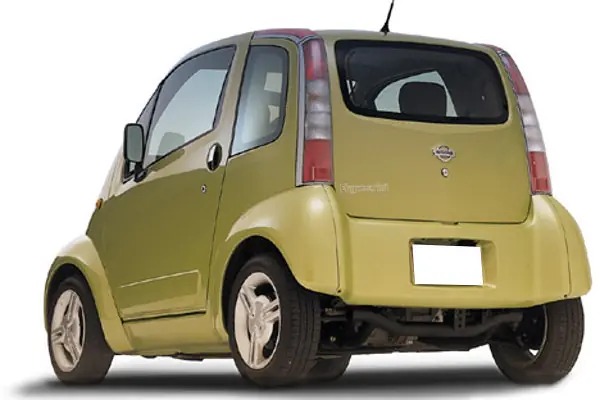
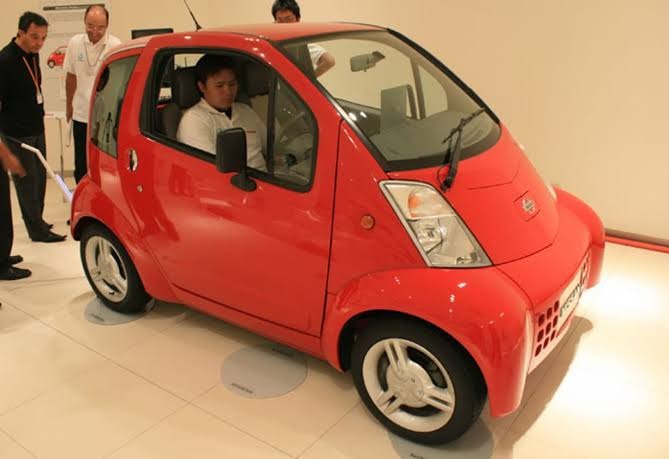
The Hypermini is a two-seater electric microcar by Nissan Motors, which produced 219 of the cars in 1999–2001 for the Japanese market.
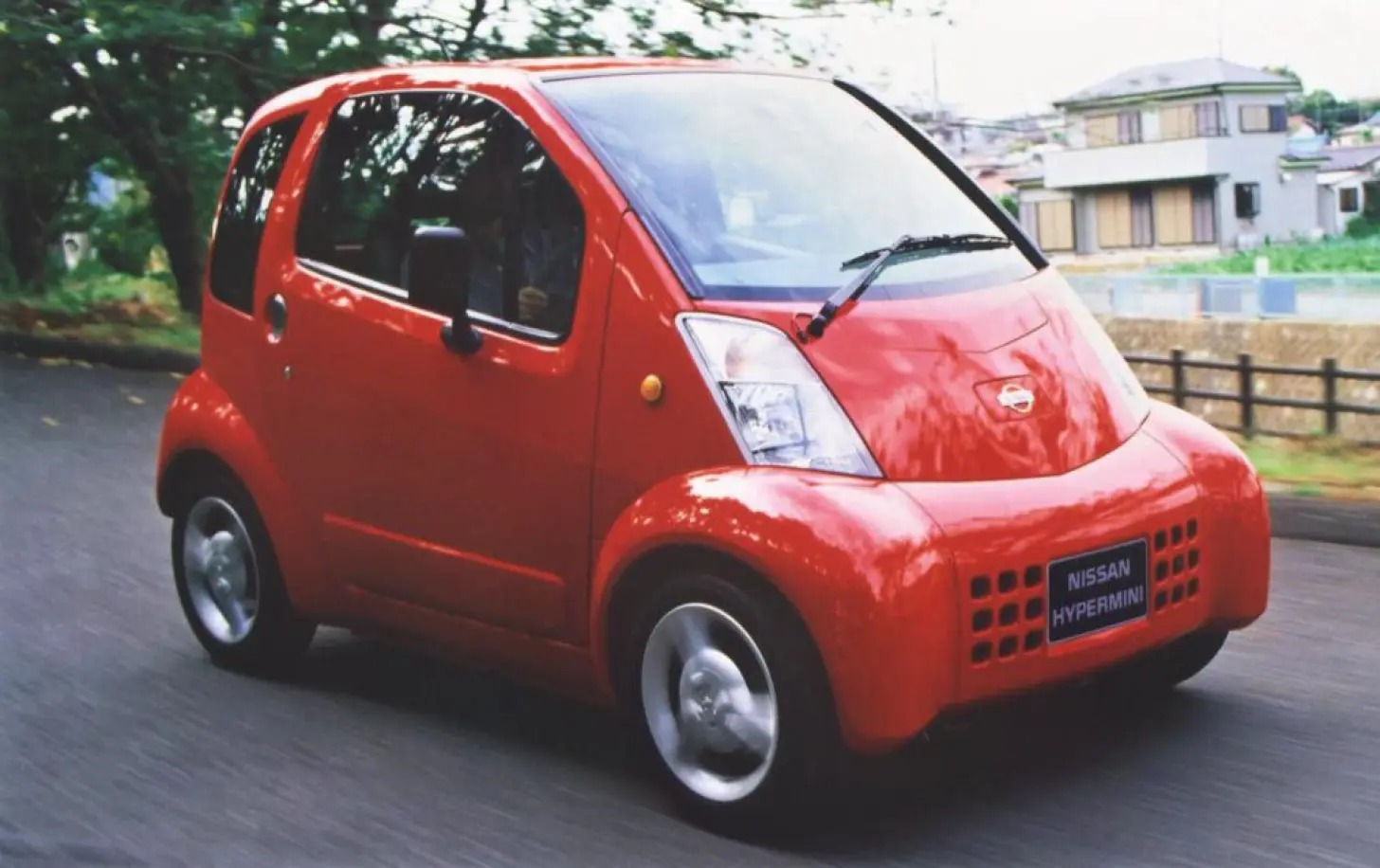
1997 Nissan Hypermini Concept
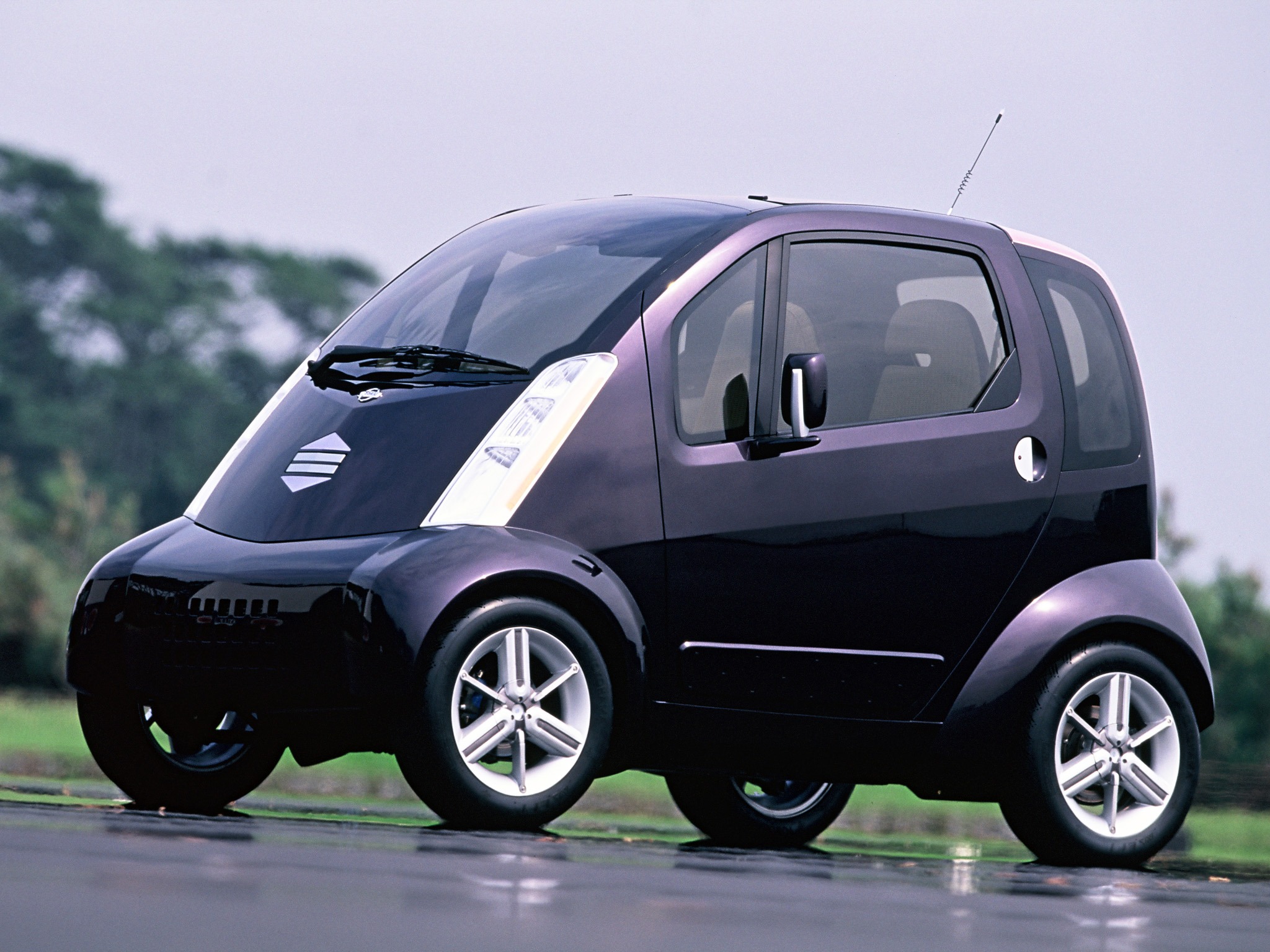
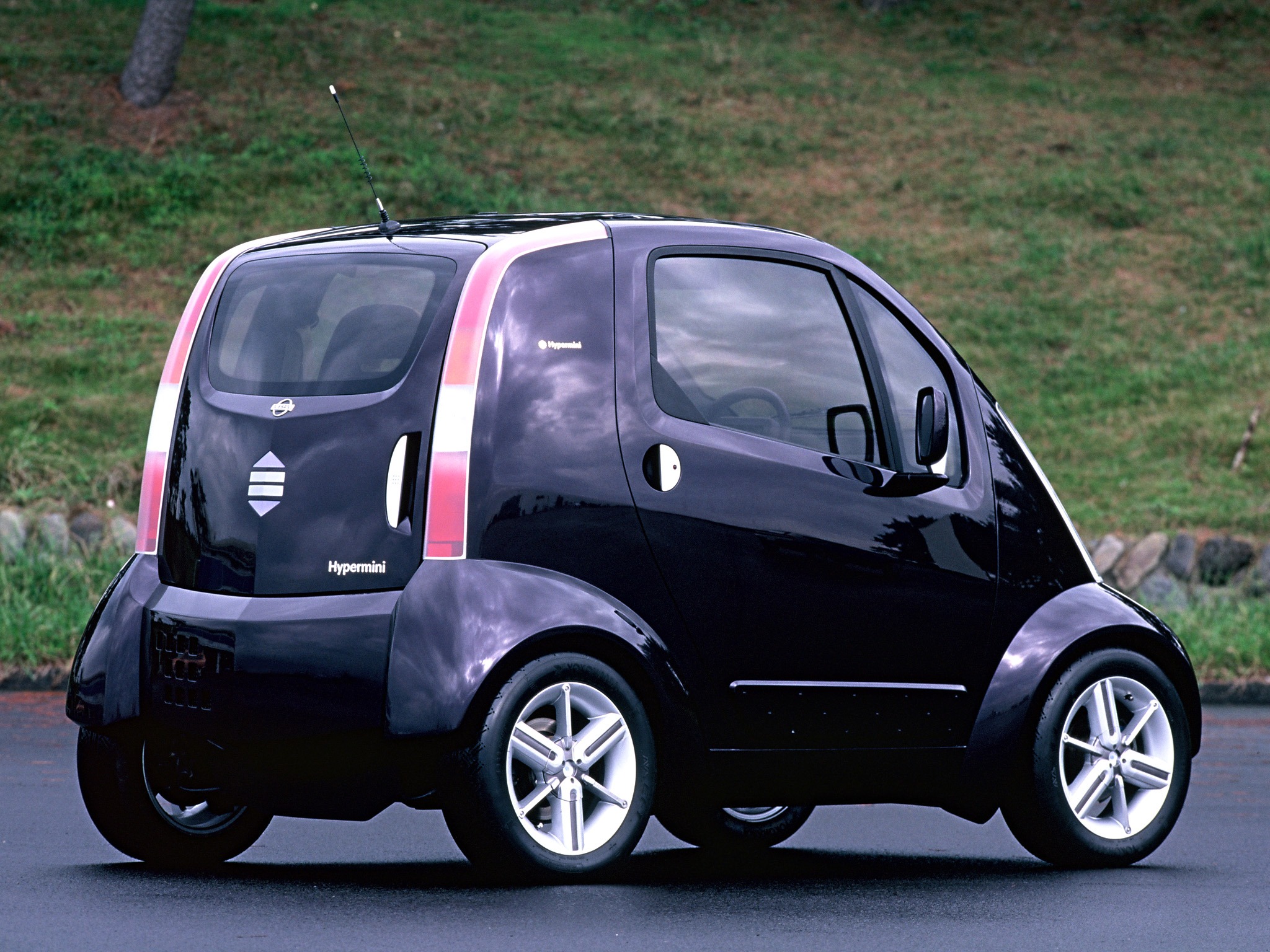
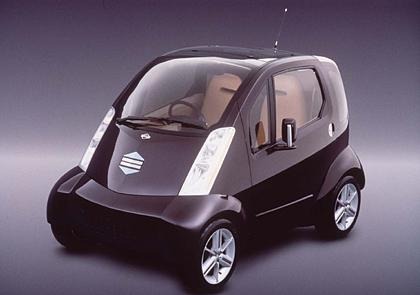
The Nissan Hypermini was introduced as a concept at the Tokyo Motor Show in November 1997. It was designed as an ultra-small electric vehicle with a dedicated body and seating for two passengers, representing a completely novel city driving experience beyond conventional vehicles.
The concept featured a groundbreaking “Hyperbody” construction based on a lightweight aluminum spaceframe with high rigidity. This dedicated structure combined steel and plastic parts to make effective use of each material’s advantages.
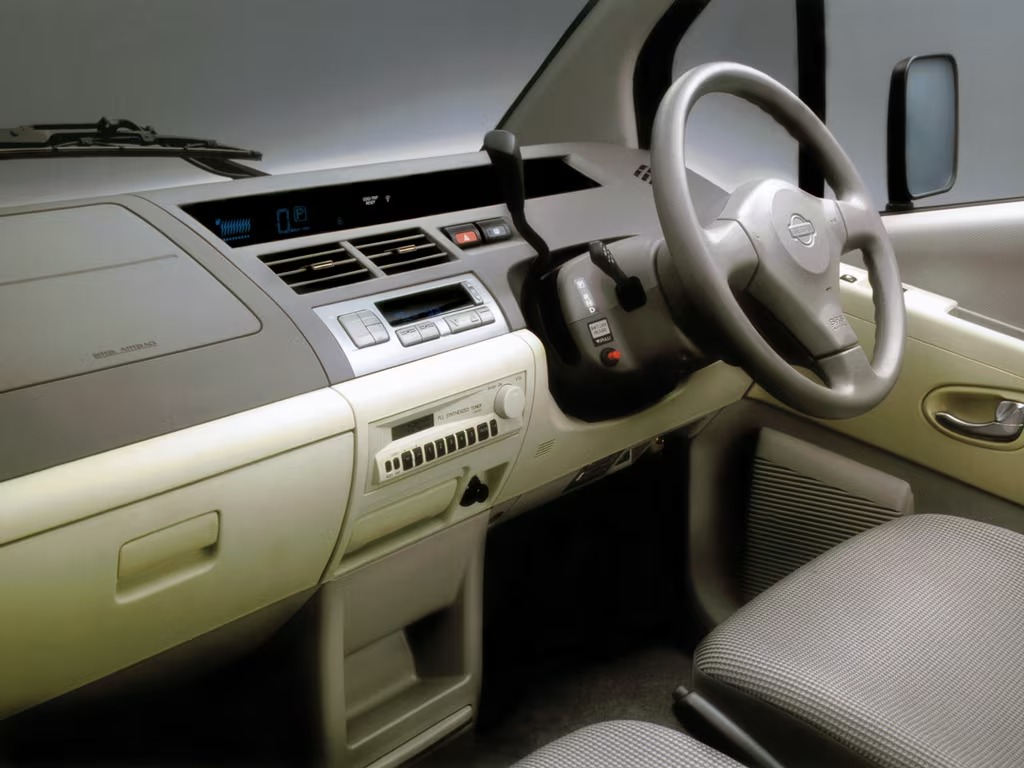
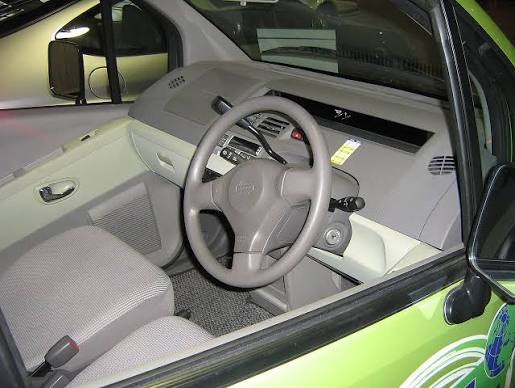
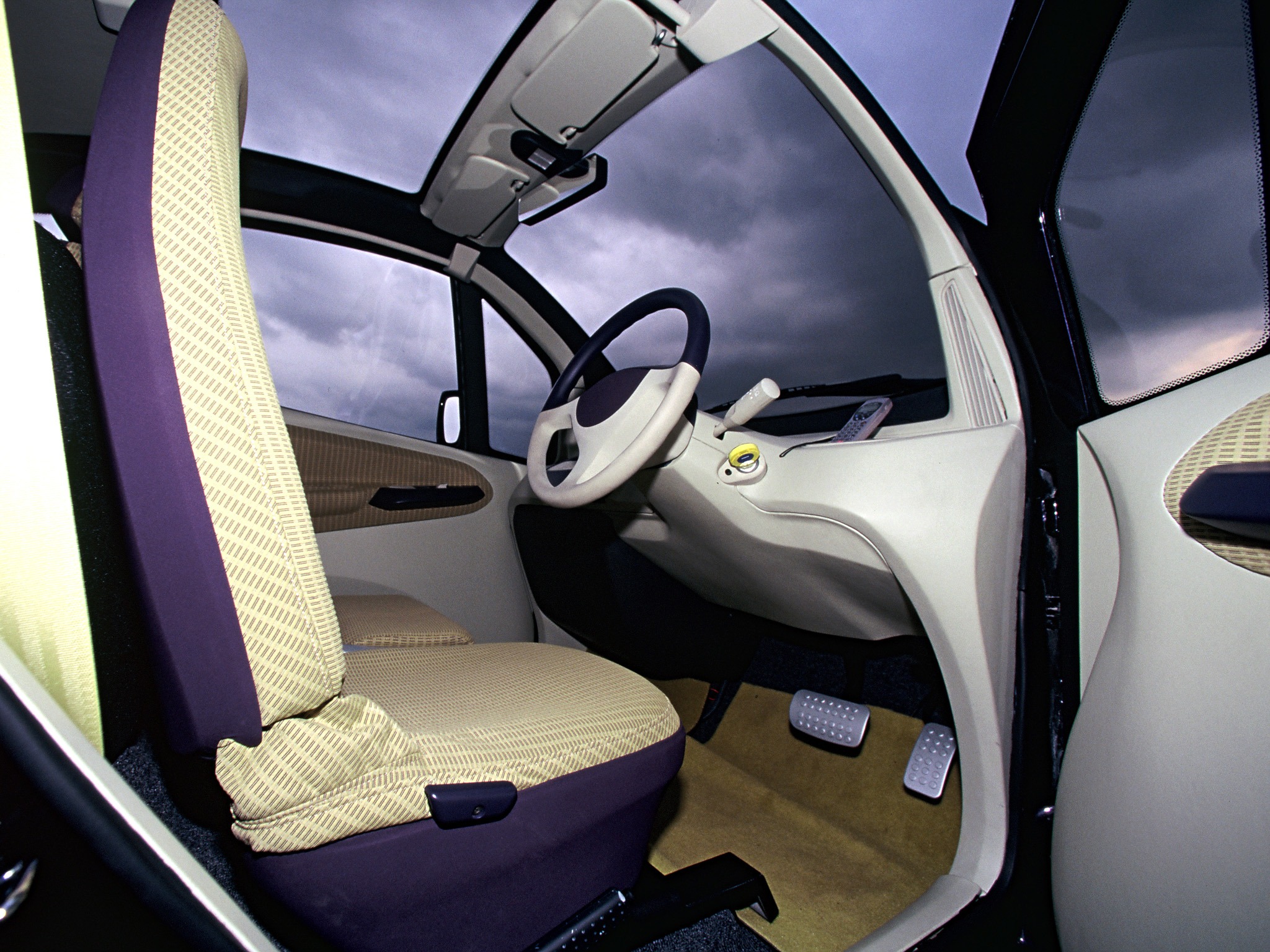
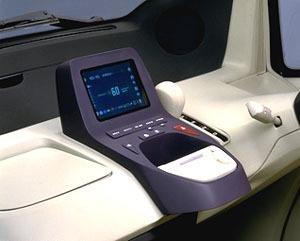
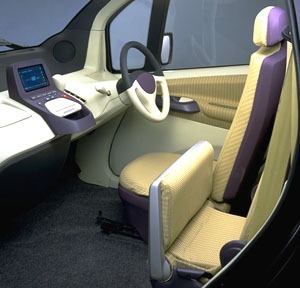
The exterior design was rendered in expressive sheetmetal surfaces meant to create an instant desire to drive the vehicle, while the interior combined functionality with an advanced look centered on a horizontal instrument panel with a feeling of openness.
One of the innovative technologies adopted for the concept was the use of run-flat tires that could be driven approximately 80 km at 60 km/h even after suffering a puncture.
The concept also featured an in-car navigation and automatic location system handled by an operations control center. If the driver became lost or the vehicle ran low on power, assistance could be requested by pushing a single button on the dashboard.
Production version (1999-2001)
The Hypermini entered limited retail sales in Japan in September 1999, priced at 4,000,000 yen with a 200-volt mount-type battery charger and 4,015,000 yen with a non-fixed charger.
Sales were targeted principally at national government offices, local government bodies, and corporations, with the vehicle launched through Nissan dealers in the greater Tokyo, Osaka, and Kyoto metropolitan areas.
The production Hypermini was a two-passenger electric microcar capable of 100 km/h (62 mph) with a range of 115 km on a single charge under Japan’s 10-15 test mode.
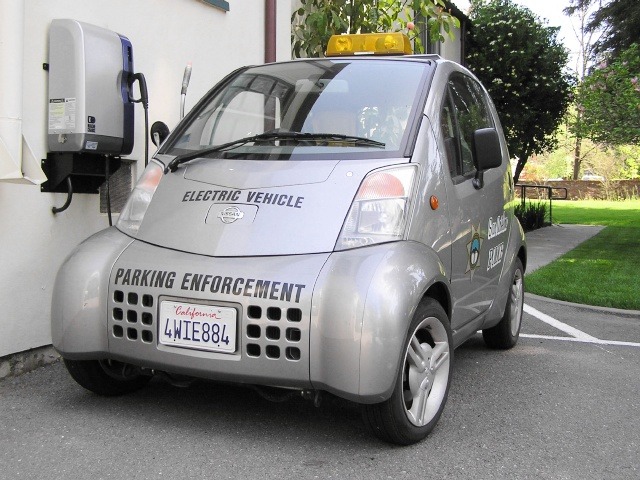
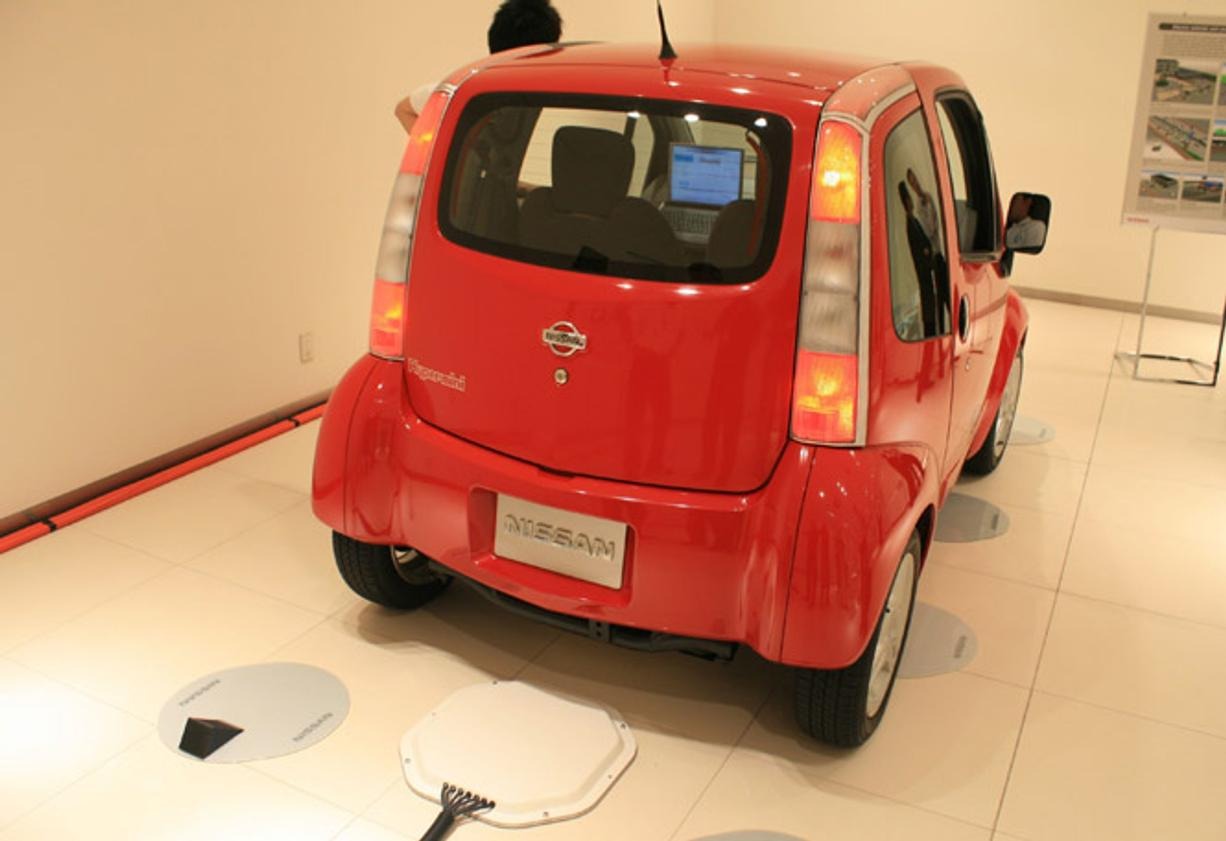
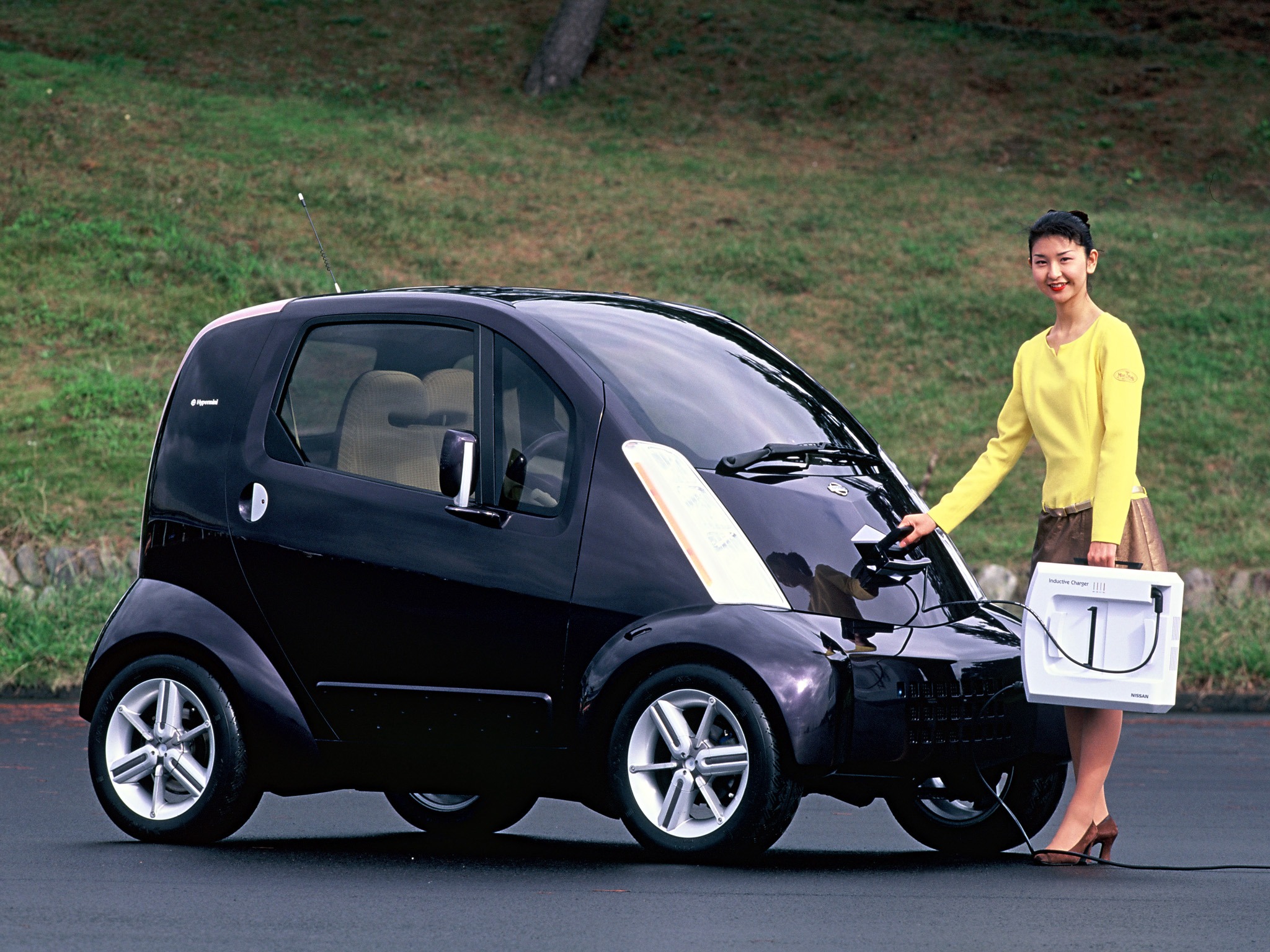
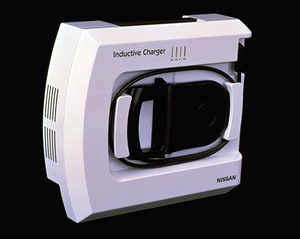
It was powered by a neodymium magnet synchronous traction motor and compact lithium-ion batteries using lithium-manganate cathode positive electrodes. The batteries were located under the floor and could be recharged inductively through a non-contact charging system utilizing a plastic paddle with a built-in coil generating a high-frequency magnetic field. A portable battery charger could also be stored on board for conventional outlet charging.
The production vehicle measured 2,660 mm in length with a minimum turning radius of 3.9 m, featuring independent strut suspension at the front and independent parallel-link struts at the rear. Brakes were ventilated discs on all four wheels with an anti-lock braking system, and the drag coefficient was 0.30.
The vehicle was equipped with an electric automatic air-conditioner with pre-cool and pre-heat functions, and extensively used easy-to-recycle thermoplastic resins and aluminum throughout its construction.
Approximately 300 units were produced between 1999 and 2001. The Hypermini won the fourth annual “New Energy Grand Prize” from Japan’s New Energy Foundation and the Good Design Award 2000.
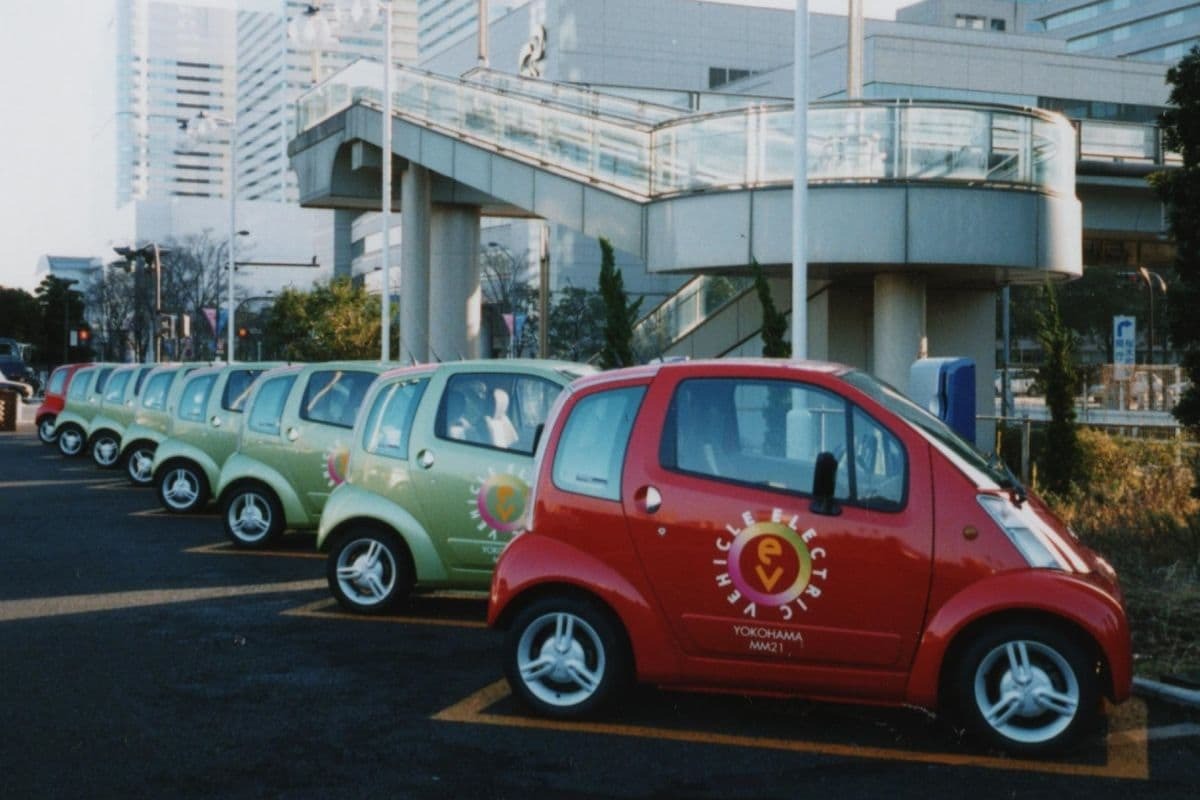
Production versions were trialed in Kyoto (138 units), Yokohama (20), Ebina (15), Tokyo (20), and in California at UC Davis (15) and Pasadena city council (11). About 120 units supported car-sharing programs in Japanese cities, with both city officials and private citizens using the vehicles.