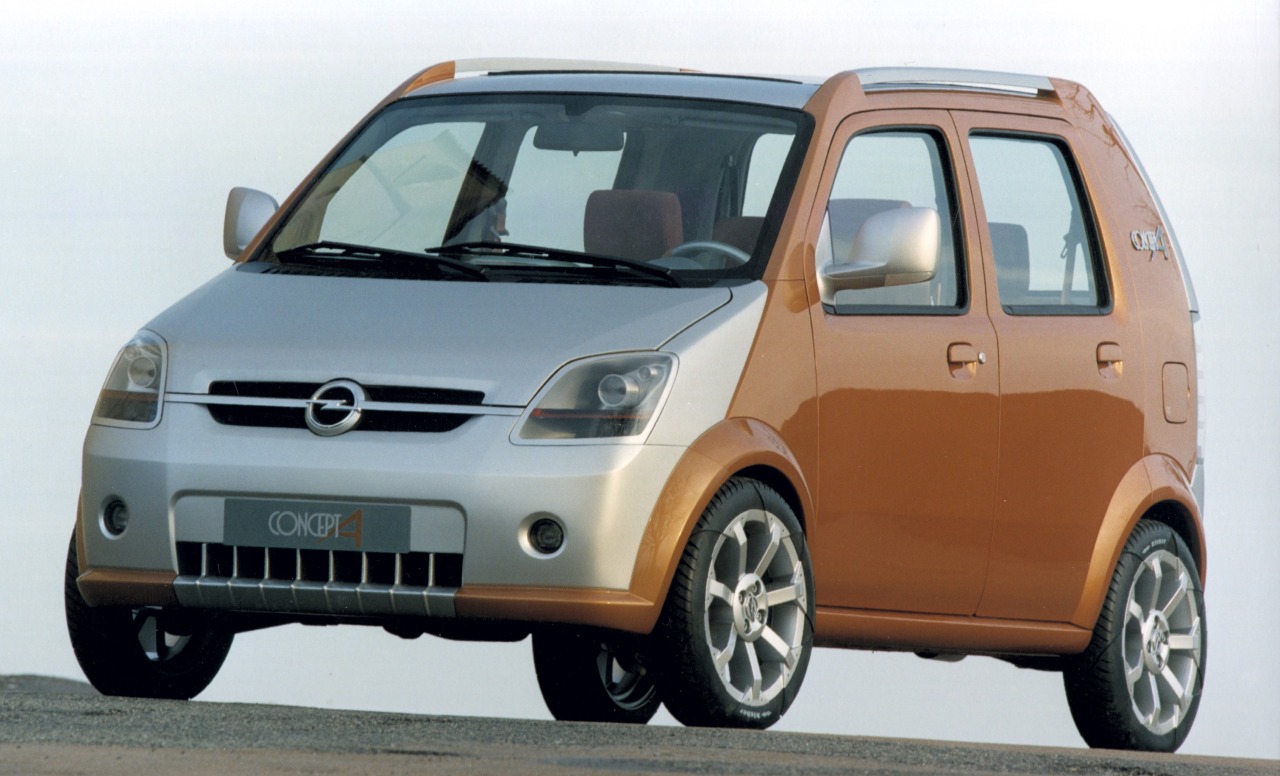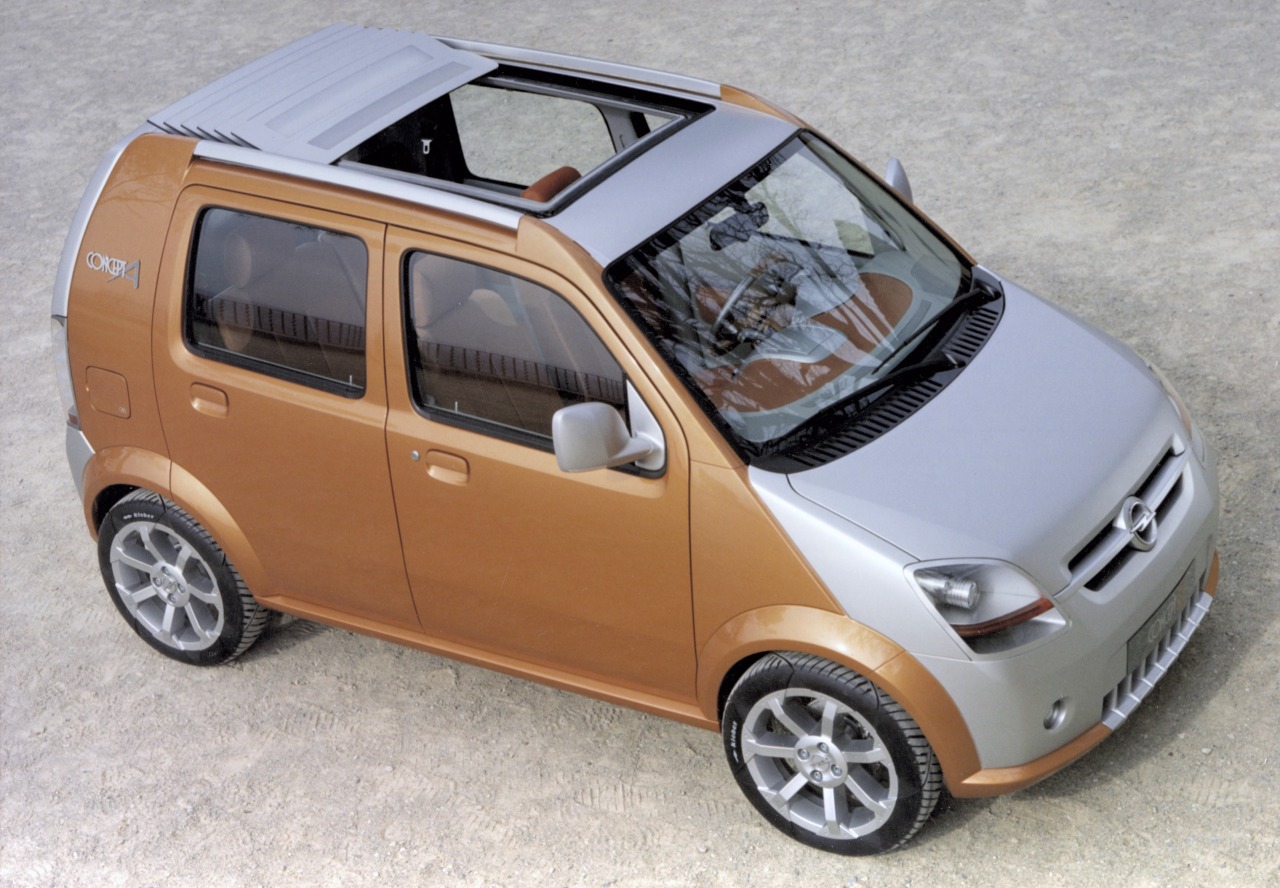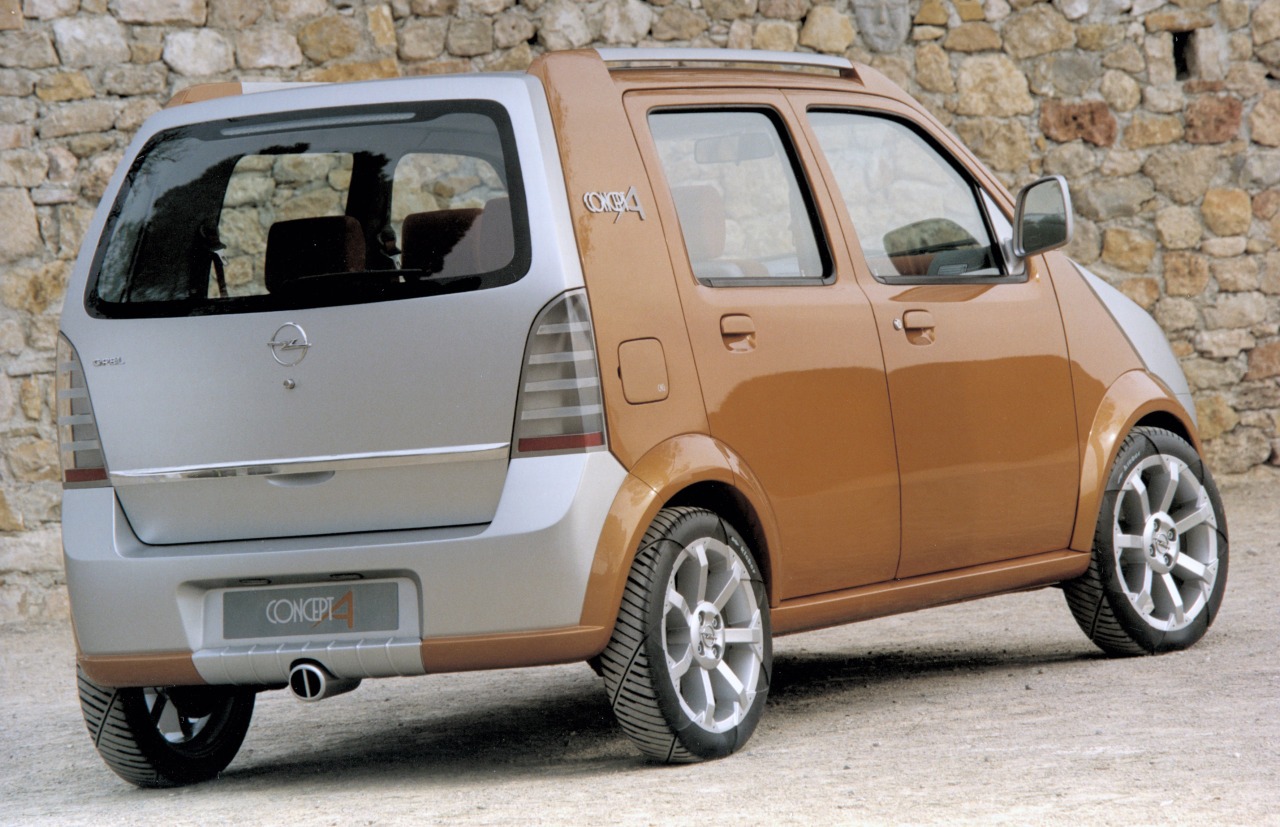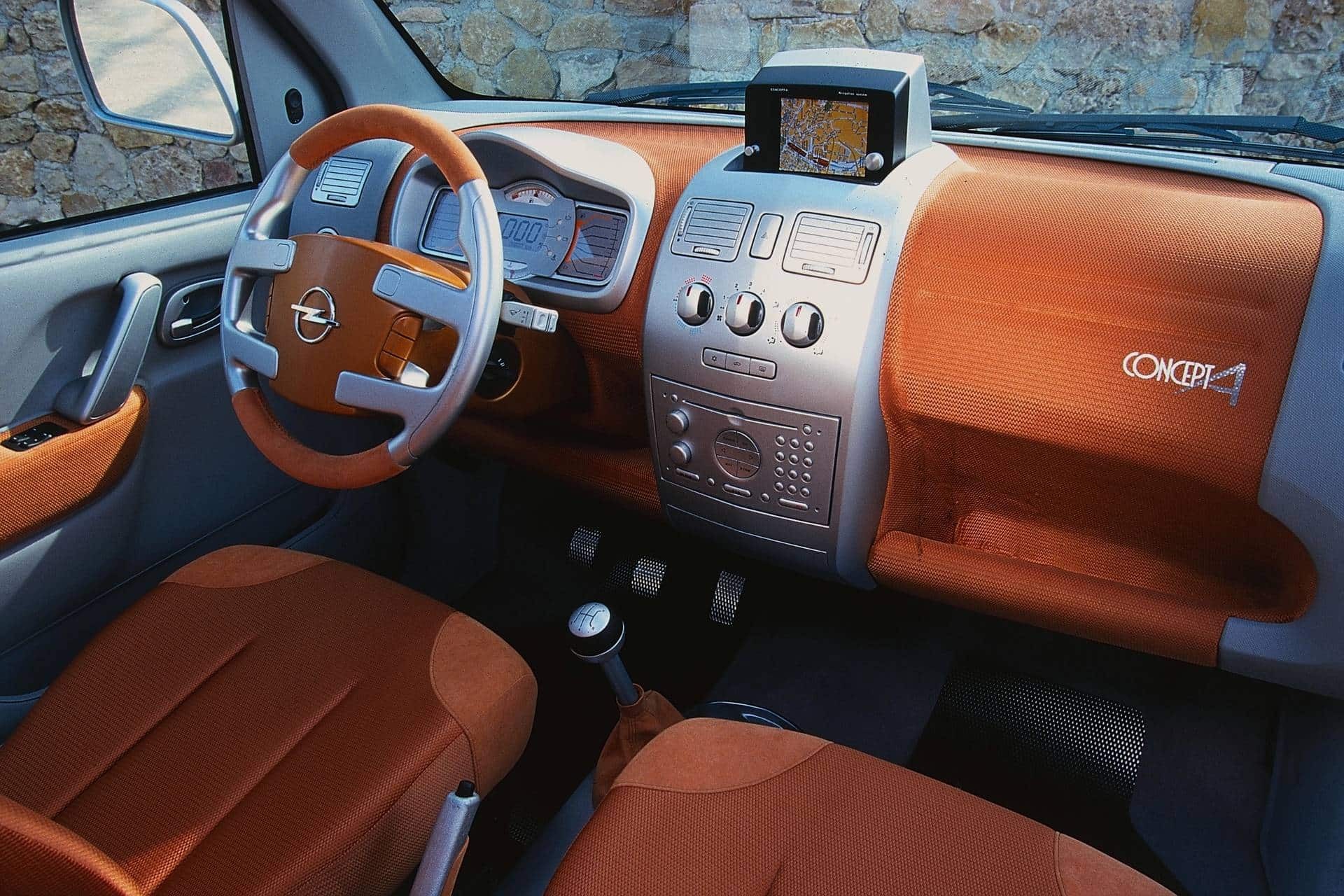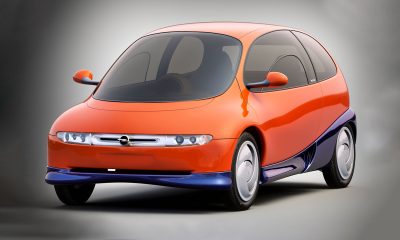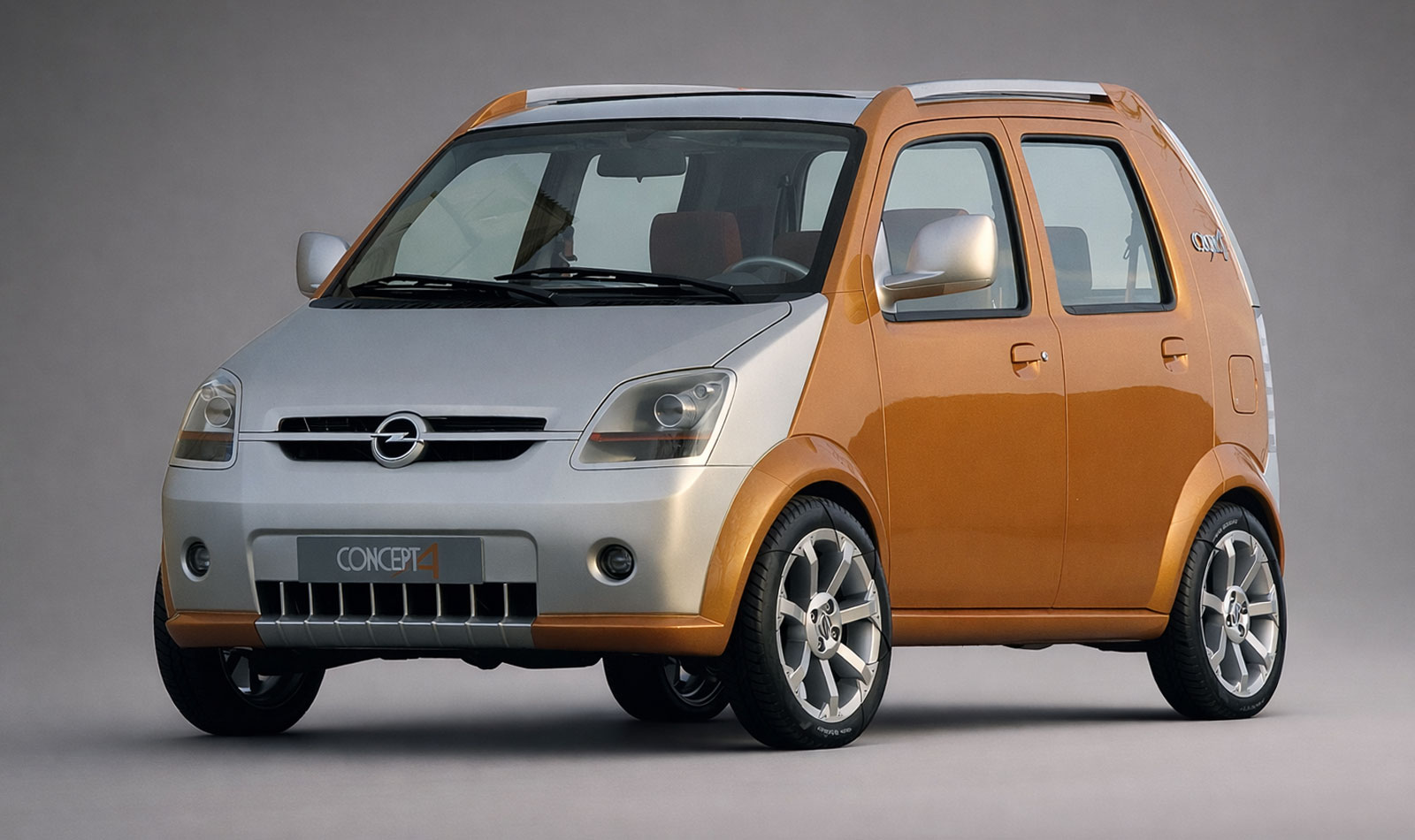
Opel Concept A

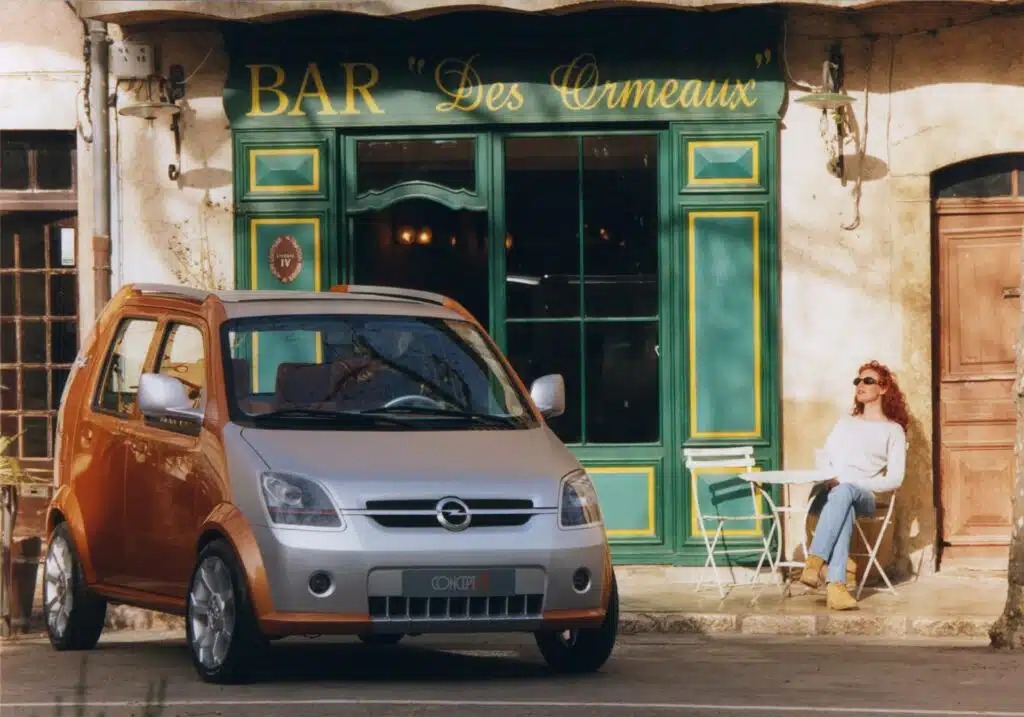
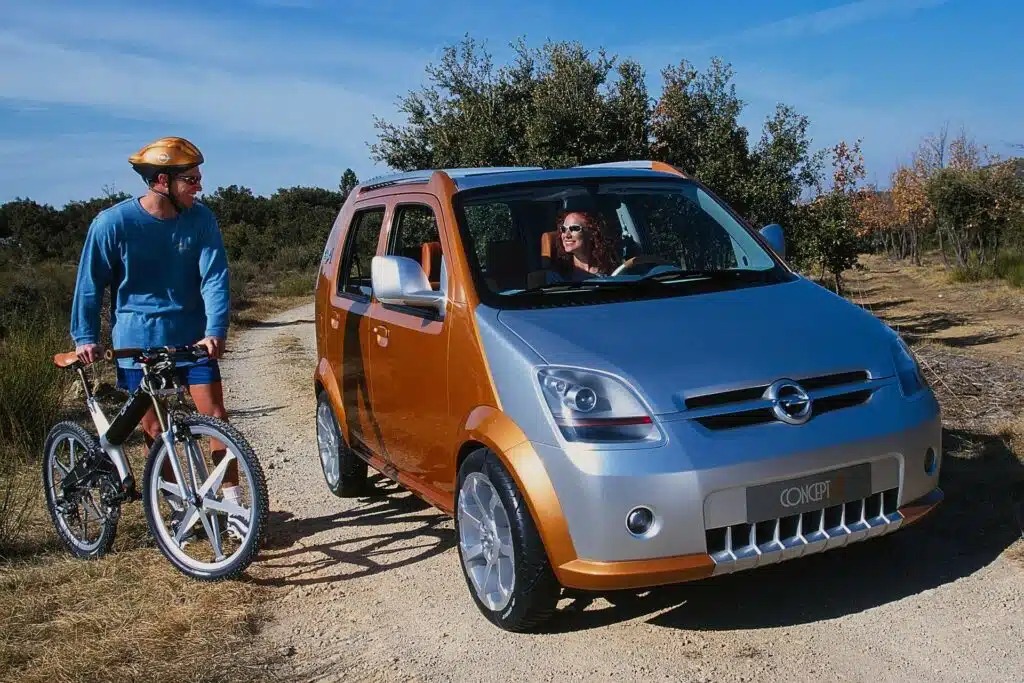
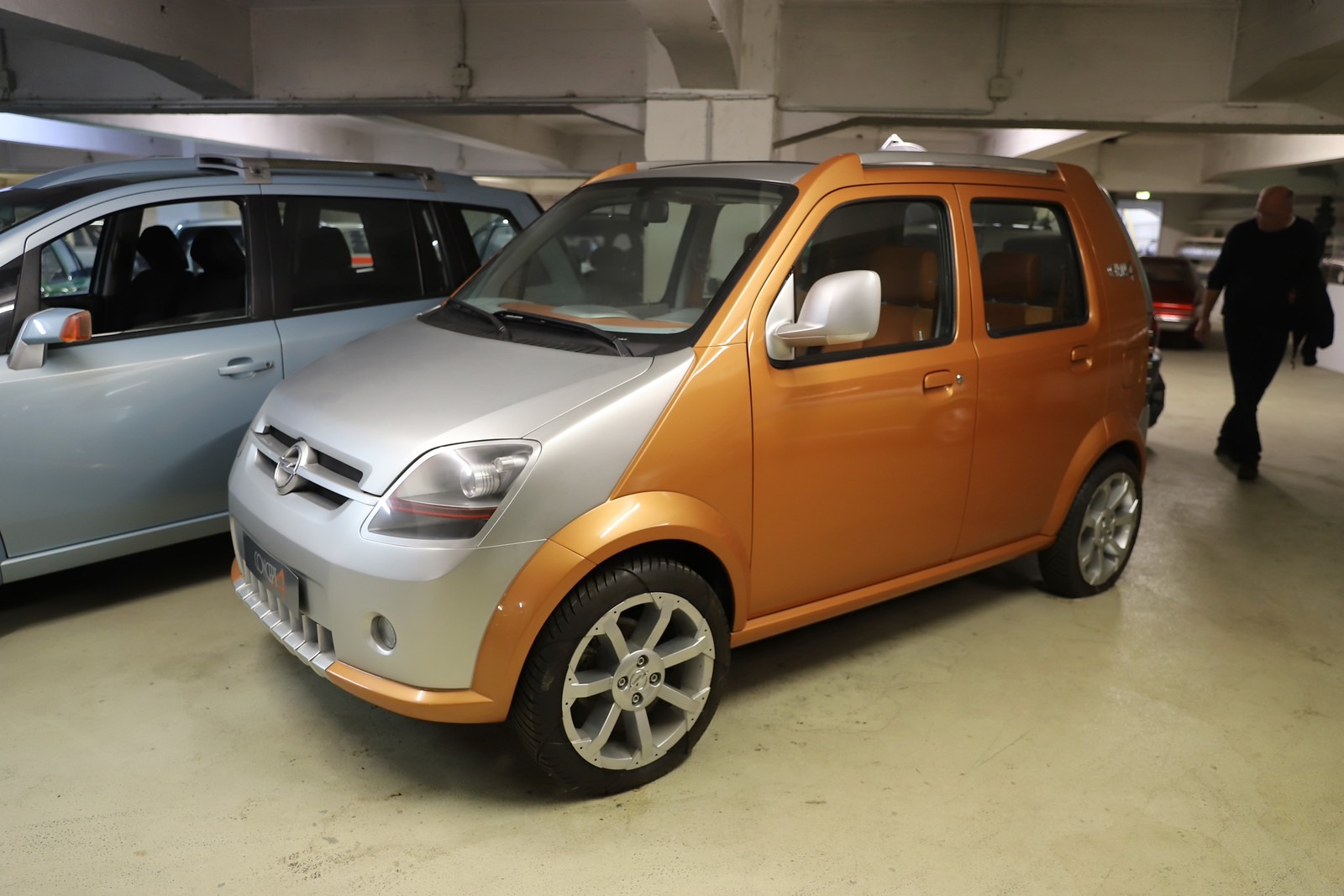
The Opel Concept A, unveiled in autumn 1999, served as a prototype for the first-generation Opel Agila, which went on sale in early 2000.
This model was essentially the European version of the Suzuki Wagon R+, created during a period when General Motors owned Opel and held a significant stake in Suzuki.
The Concept A showcased a tall, boxy design aimed at maximizing interior space in a small footprint, an approach that would influence the compact city car segment.
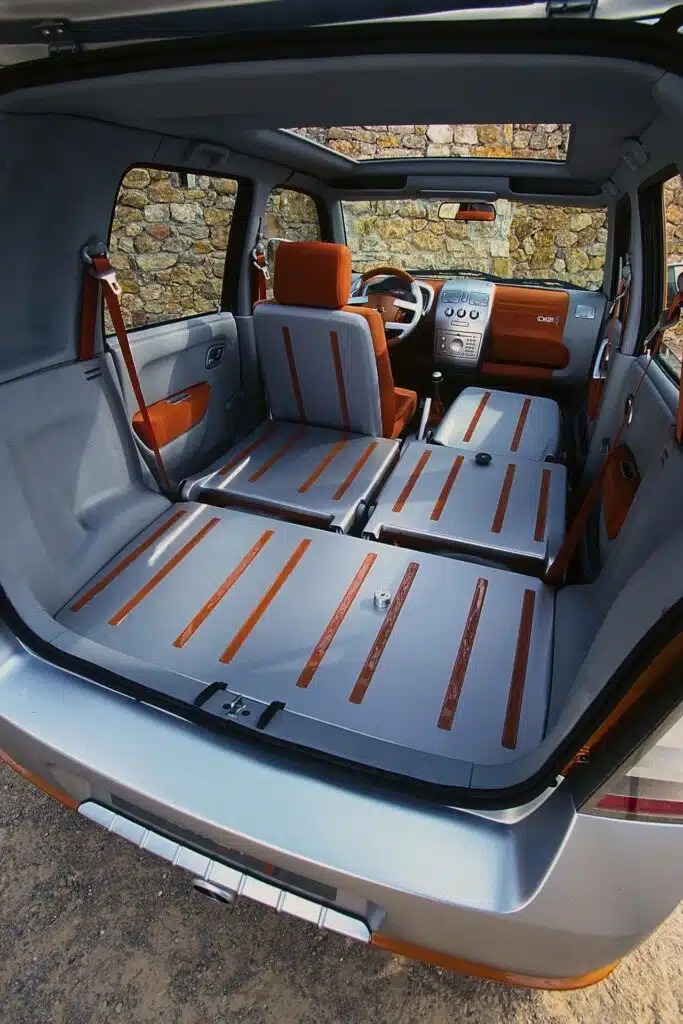
Its striking look was just as impressive as its high variability, which allowed the compact five-door microvan to be transformed from a four-seater into a spacious load carrier. The vehicle was extremely versatile, capable of easily transforming from a 4-seater car into a 2-seater with a large cargo area.
Raised seat positions made getting into and out of the vehicle easier and made traveling more relaxing. The smart Opel fun car was presented as the first microvan put on the market by a European automaker when the first-generation Agila was commercialized in early 2000.

The Concept A was powered by a particularly low-emission “bivalent” engine that, at the touch of a button, ran on gasoline or compressed natural gas (methane). This dual-fuel system was a key technological highlight of the concept.
The engine, borrowed from the Corsa, had only three cylinders and 1-liter displacement, but thanks to turbocharging its power was significantly increased. The prototype could reach a speed of 162 km/h with methane (160 km/h with gasoline) and accelerate from 0 to 100 km/h in 11 seconds with methane (11.5 seconds with gasoline).
With a full tank of methane, the vehicle had a range of 200 kilometers, plus another 425 kilometers on gasoline thanks to the 25-liter tank.
The Concept A featured an extensive equipment list that included an electric opening roof and a satellite navigation system. Beyond front and side airbags, belt pretensioners, and the detachable pedal assembly (an Opel patent), the prototype had comprehensive safety features.